
Résumé de l'intrigue
L'annonce de la mort
Dans une salle d'audience, les collègues d'Ivan Ilych apprennent son décès. Leur première réaction n'est pas la tristesse, mais l'intérêt personnel, chacun songeant aux perspectives de carrière que cette disparition pourrait ouvrir. Peter Ivanovich, une connaissance proche, se rend au domicile d'Ivan, où il se retrouve confronté à la réalité de la mort et à la superficialité des obligations sociales. Cette visite est marquée par des condoléances maladroites et un sentiment de soulagement : c'est Ivan qui est mort, pas eux.
La vie d'Ivan s'effondre
Ivan Ilych a mené une existence brillante en apparence, mais profondément vide à l'intérieur. Il suivait scrupuleusement les normes de la société, recherchant le statut et le confort, épousant Praskovya Fedorovna par convenance plutôt que par amour. Sa carrière dans la magistrature était guidée par l'ambition et le besoin d'approbation, tandis que sa vie privée était minée par l'insatisfaction et les conflits. Sa vie, bien que convenable en apparence, manquait cruellement de bonheur véritable et d'accomplissement.
Le début de la maladie
Ivan commence à ressentir une étrange douleur au flanc, qui s'aggrave progressivement. Malgré les consultations auprès de divers médecins, il n'obtient aucun diagnostic clair, seulement un jargon médical vague. La douleur s'installe au quotidien, bouleversant sa vie autrefois si ordonnée. À mesure que son état se détériore, Ivan devient de plus en plus irritable et renfermé, luttant pour maintenir les apparences d'une vie normale.
Face à la mort
Face à la progression de sa maladie, Ivan est contraint d'accepter l'inéluctabilité de la mort. Obsédé par ses symptômes, il cherche à se rassurer auprès des médecins et se raccroche à l'espoir d'une guérison. Pourtant, la conscience de sa fin prochaine devient incontournable. Cette lucidité l'isole de sa famille, qui reste aveugle à l'intensité de sa souffrance, et il ne trouve de réconfort que dans la compassion sincère de son domestique, Gerasim.
La descente dans le désespoir
À la douleur physique d'Ivan s'ajoute une profonde crise existentielle. Il pose un regard rétrospectif sur sa vie, remettant en question ses choix et les valeurs qu'il a défendues. La superficialité de son existence lui apparaît alors au grand jour, et il est tourmenté par l'idée d'avoir vécu à côté de l'essentiel. Son désespoir est exacerbé par l'indifférence de son entourage, qui continue de vivre comme si de rien n'était.
La quête de sens
Durant ses derniers jours, Ivan lutte avec le sens de sa vie et de sa mort. Il traverse des moments de clarté, réalisant que sa quête d'approbation sociale l'a détourné du vrai bonheur. Il aspire à un lien humain authentique et à de la compassion, qu'il ne trouve que dans le dévouement désintéressé de Gerasim. Cette prise de conscience lui apporte une forme de paix, lui permettant de commencer à accepter sa propre fin.
L'ultime révélation
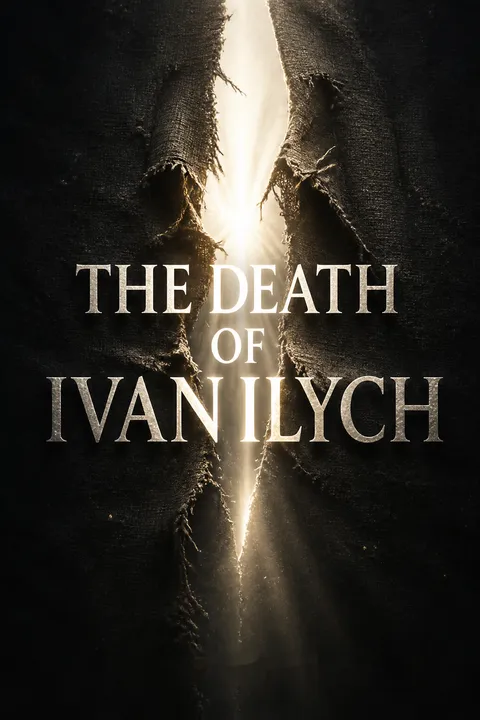
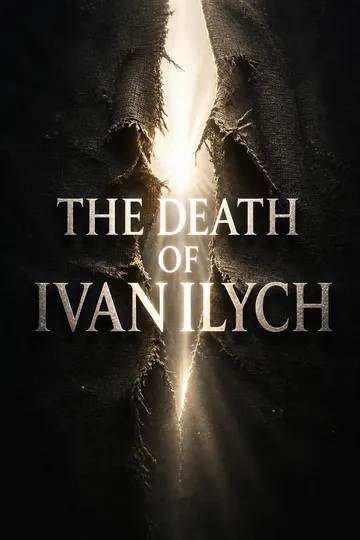
À l'approche de la mort, Ivan vit une profonde transformation. Il abandonne sa peur et son ressentiment pour embrasser l'inéluctabilité de son destin. Dans un élan de lucidité, il comprend que l'amour et la compassion sont les seules véritables mesures d'une vie réussie. Cette révélation lui permet de s'éteindre paisiblement, libéré du poids de son passé, alors qu'il aperçoit enfin la lumière au-delà des ténèbres.
Analysis
Une critique des valeurs sociétales et une quête de sensLa Mort d'Ivan Ilitch est une exploration profonde de la condition humaine, qui examine le vide d'une vie menée uniquement pour satisfaire les attentes de la société. Tolstoï y critique la superficialité des conventions sociales et la course au statut, pour mieux célébrer l'importance de la compassion et des relations humaines authentiques. Le cheminement d'Ivan, du déni à l'acceptation, nous rappelle avec force l'inéluctabilité de la mort et l'urgence de donner un sens à notre vie. Ce roman invite le lecteur à l'introspection, l'interrogeant sur les valeurs qu'il défend et l'empreinte qu'il souhaite laisser derrière lui. À travers la transformation d'Ivan, Tolstoï démontre que le véritable accomplissement réside dans l'amour et l'empathie, bien plus que dans la réussite matérielle ou la reconnaissance sociale.
Résumé des avis
La Mort d'Ivan Ilitch est largement considérée comme un chef-d'œuvre sur la condition humaine et notre rapport à la mort. Les lecteurs saluent la puissance narrative de Tolstoï, la finesse psychologique de ses personnages et sa profonde réflexion sur le sens de la vie. Ce court roman résonne en chacun de nous, nous invitant à méditer sur notre propre existence. Beaucoup le trouvent bouleversant et propice à la réflexion, appréciant la capacité de l'auteur à saisir toute la complexité de la mort et de l'agonie. Bien que le sujet puisse sembler difficile, la majorité des lecteurs y voient un classique intemporel qui offre de précieuses perspectives sur la vie, le trépas et la quête de sens.
Les lecteurs ont aussi lu


Characters
Ivan Ilych
Ivan Ilych est un magistrat de haut rang qui a calqué son existence sur les attentes de la société. Ambitieux, en quête de statut et de reconnaissance, il mène pourtant une vie fondamentalement insatisfaisante. Sa maladie le force à regarder en face le vide de son existence, déclenchant une profonde crise existentielle. Le parcours d'Ivan est un cheminement vers la découverte de soi, alors qu'il se confronte au sens de la vie et de la mort.
Praskovya Fedorovna
Praskovya est l'épouse d'Ivan. Elle se soucie bien plus des convenances sociales que de la souffrance de son mari. Leur mariage repose sur l'intérêt plutôt que sur l'amour, et elle peine à éprouver de l'empathie pour le calvaire d'Ivan. Ses interactions avec lui restent superficielles, reflétant les normes sociales qui ont façonné leur union.
Gerasim
Gerasim est le domestique d'Ivan. Par sa bienveillance authentique et sa franchise, il apporte un immense réconfort à Ivan dans ses derniers instants. Contrairement aux autres, Gerasim accepte la réalité de l'état d'Ivan et lui offre un soutien désintéressé. Sa présence met en lumière l'importance de la compassion et du lien humain, contrastant avec l'hypocrisie de l'entourage social d'Ivan.
Peter Ivanovich
Collègue et connaissance d'Ivan, Peter Ivanovich incarne les normes et les obligations sociales qui régissent leur milieu. Sa réaction face à la mort d'Ivan est dictée par l'intérêt personnel et un sentiment de soulagement, révélant la superficialité de leur amitié. Le personnage de Peter souligne l'indifférence de la société face à la souffrance individuelle.
Lisa Golovina
Lisa est la fille d'Ivan. Elle est totalement absorbée par sa propre vie et ses sorties mondaines. Elle ne parvient pas à saisir la gravité de l'état de son père, qu'elle perçoit avant tout comme un désagrément. Son détachement met en évidence le fossé générationnel et l'absence de liens authentiques au sein de la famille.
Plot Devices
The Illness
La mystérieuse maladie d'Ivan constitue le rouage central de l'intrigue, le contraignant à se confronter à sa propre mortalité. Elle vient briser son quotidien si bien ordonné pour le plonger dans une profonde crise existentielle. La maladie symbolise le caractère inéluctable de la mort et la fragilité de la condition humaine, poussant Ivan à réévaluer sa vie et à chercher un sens plus profond.
The Black Sack
L'image récurrente du sac noir représente la peur de la mort et de l'inconnu qui habite Ivan. Elle symbolise la fatalité de son état et le tourment psychologique qu'il endure. Le sac noir sert de métaphore à la lutte d'Ivan pour accepter sa propre fin et aux ténèbres qui enveloppent son existence.
The Light
Dans ses derniers instants, Ivan a la vision d'une lumière, qui symbolise son acceptation de la mort et la découverte du véritable sens de la vie. Cette lumière représente la paix et la clarté qui découlent de l'acceptation de notre condition mortelle, ainsi que l'importance de l'amour et de la compassion. Elle fait contrepoids aux ténèbres du sac noir, offrant une note d'espoir et de rédemption.
FAQ
Synopsis & Basic Details
What is The Death of Ivan Ilych about?
- Existential crisis unfolds: The story follows Ivan Ilych, a high court judge, as he grapples with a terminal illness, forcing him to confront the meaninglessness of his socially-driven life and the inevitability of death.
- Superficial life examined: It explores the emptiness of a life focused on social status, career advancement, and material possessions, revealing the lack of genuine human connection and emotional depth.
- Transformation through suffering: Ivan's physical and mental suffering leads to a profound transformation, as he questions his values and seeks true meaning before his death.
Why should I read The Death of Ivan Ilych?
- Universal human experience: The novella delves into universal themes of mortality, the search for meaning, and the fear of death, making it relatable to readers across time and cultures.
- Critique of societal values: It offers a sharp critique of societal norms and the pursuit of superficial success, prompting readers to reflect on their own values and priorities.
- Emotional and psychological depth: The story provides a powerful exploration of human emotions, from despair and anger to compassion and acceptance, offering a profound psychological analysis of a man facing death.
What is the background of The Death of Ivan Ilych?
- Late 19th-century Russia: The story is set in late 19th-century Russia, reflecting the social and cultural norms of the time, including the rigid class structure and the emphasis on social status and propriety.
- Tolstoy's personal crisis: Written during a period of personal crisis for Tolstoy, the novella reflects his own struggles with faith, mortality, and the meaning of life, making it a deeply personal and introspective work.
- Critique of legal system: The story subtly critiques the Russian legal system, portraying it as a bureaucratic and impersonal institution that prioritizes procedure over genuine justice, mirroring Ivan's own life.
What are the most memorable quotes in The Death of Ivan Ilych?
- "It is as if I had been going downhill while I imagined I was going up.": This quote encapsulates Ivan's realization that his pursuit of social status and career advancement led him away from true fulfillment and happiness.
- "What is it you want? To live and not to suffer.": This quote highlights Ivan's fundamental desire to escape suffering and his struggle to understand the purpose of his pain, revealing his existential crisis.
- "Death is finished... It is no more!": This quote marks Ivan's final acceptance of death and his realization that it is not an end but a transition to something beyond, signifying his spiritual awakening.
What writing style, narrative choices, and literary techniques does Leo Tolstoy use?
- Third-person limited narration: Tolstoy employs a third-person limited point of view, primarily focusing on Ivan Ilych's thoughts and feelings, allowing readers to intimately experience his internal struggles and transformation.
- Detailed realism: The novella is characterized by its detailed and realistic portrayal of Ivan's physical and mental suffering, as well as the social environment in which he lives, creating a vivid and immersive reading experience.
- Symbolism and motifs: Tolstoy uses recurring symbols and motifs, such as the black sack, the light, and the recurring pain, to represent Ivan's fear of death, his spiritual awakening, and his physical deterioration, adding layers of meaning to the narrative.
Hidden Details & Subtle Connections
What are some minor details that add significant meaning?
- The pouffe's rebellious springs: The pouffe in Praskovya's drawing room, with its rebellious springs, mirrors the underlying tension and discomfort in their marriage, highlighting the superficiality of their relationship.
- The antique shop clock: Ivan's fondness for the clock he bought at an antique shop symbolizes his desire for a life of order and decorum, which ultimately proves to be hollow and meaningless.
- The card game interruption: The interruption of the card game by Ivan's illness underscores the fragility of his carefully constructed social life and the intrusion of mortality into his everyday existence.
What are some subtle foreshadowing and callbacks?
- Initial focus on promotions: The initial focus on promotions and job changes after Ivan's death foreshadows the self-centeredness and superficiality of his social circle, highlighting the lack of genuine concern for his suffering.
- Ivan's fall while decorating: Ivan's fall while decorating his new house foreshadows his physical decline and the beginning of his illness, linking his pursuit of material comfort to his eventual suffering.
- The recurring taste in his mouth: The recurring "strange taste" in Ivan's mouth serves as a constant reminder of his illness and the decay within him, foreshadowing his impending death and the futility of his efforts to ignore it.
What are some unexpected character connections?
- Gerasim's genuine compassion: Gerasim's genuine compassion and understanding of Ivan's suffering stand in stark contrast to the indifference of his family and friends, highlighting the importance of human connection over social status.
- Ivan's son's quiet empathy: Ivan's son, Vasya, displays a quiet empathy and understanding of his father's suffering, suggesting a deeper emotional connection than his more socially-driven sister and mother.
- The doctor's detached professionalism: The doctor's detached professionalism and inability to address Ivan's existential concerns mirror Ivan's own detached approach to his legal duties, highlighting the dehumanizing effects of societal roles.
Who are the most significant supporting characters?
- Gerasim, the compassionate servant: Gerasim's role is crucial as he provides Ivan with genuine care and understanding, contrasting with the superficiality of Ivan's social circle and embodying the novel's theme of compassion.
- Peter Ivanovich, the self-absorbed colleague: Peter Ivanovich represents the societal norms and obligations that dominate Ivan's life, highlighting the superficiality of their friendship and the indifference to individual suffering.
- Praskovya Fedorovna, the detached wife: Praskovya's character underscores the theme of superficiality and the lack of genuine connection in Ivan's life, as she is more concerned with social appearances than her husband's suffering.
Psychological, Emotional, & Relational Analysis
What are some unspoken motivations of the characters?
- Praskovya's fear of financial loss: Praskovya's concern about Ivan's pension reveals her underlying fear of financial insecurity, which motivates her superficial concern for his well-being.
- Peter's desire for social advancement: Peter's eagerness to discuss job promotions after Ivan's death reveals his unspoken desire for social advancement, highlighting the self-centeredness of his social circle.
- Ivan's need for societal approval: Ivan's lifelong pursuit of societal approval and his fear of being judged reveal his deep-seated insecurity and his need for external validation.
What psychological complexities do the characters exhibit?
- Ivan's denial of death: Ivan's initial denial of his impending death and his attempts to rationalize his illness reveal his psychological struggle to accept his mortality and the meaninglessness of his life.
- Praskovya's emotional detachment: Praskovya's emotional detachment and her inability to empathize with Ivan's suffering reveal her psychological defense mechanisms against the fear of death and the disruption it causes to her life.
- Gerasim's simple acceptance: Gerasim's simple acceptance of death and his genuine compassion for Ivan reveal a psychological maturity and emotional depth that contrasts with the other characters.
What are the major emotional turning points?
- The realization of his life's emptiness: Ivan's realization that his life has been meaningless and that he has lived it wrongly is a major emotional turning point, leading to his existential crisis and his search for meaning.
- The encounter with Gerasim's compassion: Ivan's encounter with Gerasim's genuine compassion and understanding is a major emotional turning point, providing him with comfort and highlighting the importance of human connection.
- The acceptance of death: Ivan's final acceptance of death and his realization that it is not an end but a transition to something beyond is a major emotional turning point, bringing him peace and spiritual awakening.
How do relationship dynamics evolve?
- From superficial to strained: Ivan's relationship with his wife evolves from a superficial and socially-driven partnership to a strained and emotionally distant one, highlighting the lack of genuine connection in their marriage.
- From indifference to compassion: Ivan's relationship with Gerasim evolves from a formal master-servant dynamic to one of genuine compassion and understanding, revealing the importance of human connection over social status.
- From detachment to empathy: Ivan's relationship with his son, Vasya, evolves from a distant and formal one to one of quiet empathy and understanding, suggesting a deeper emotional connection than with his wife and daughter.
Interpretation & Debate
Which parts of the story remain ambiguous or open-ended?
- The nature of the "light": The exact nature of the light that Ivan experiences at the end of his life remains ambiguous, open to interpretation as either a spiritual awakening, a hallucination, or a metaphor for the acceptance of death.
- The extent of Ivan's transformation: The extent to which Ivan's transformation is genuine and complete remains open to debate, as some readers may question whether his final acceptance of death is truly transformative or simply a resignation to his fate.
- The meaning of a "good" life: The story leaves open the question of what constitutes a "good" life, prompting readers to reflect on their own values and priorities and to consider whether Ivan's final realization is sufficient for redemption.
What are some debatable, controversial scenes or moments in The Death of Ivan Ilych?
- Ivan's treatment of his family: Ivan's treatment of his family, particularly his wife, is a source of debate, with some readers criticizing his selfishness and others empathizing with his suffering and his inability to connect with them.
- The role of religion: The role of religion in Ivan's final moments is a source of debate, with some readers viewing his communion as a genuine spiritual experience and others as a mere formality that provides temporary comfort.
- The ending's interpretation: The ending, with Ivan's vision of light and his acceptance of death, is open to various interpretations, with some readers viewing it as a hopeful and redemptive conclusion and others as a more ambiguous and tragic one.
The Death of Ivan Ilych Ending Explained: How It Ends & What It Means
- Ivan's final moments: In his final moments, Ivan experiences a profound transformation, letting go of his fear and resentment and embracing the inevitability of his fate, as he falls through the "black sack" and sees the "light."
- Acceptance of death: The ending signifies Ivan's acceptance of death, not as an end but as a transition to something beyond, representing a spiritual awakening and a release from the suffering of his earthly existence.
- Redemption through compassion: Ivan's final act of compassion towards his family, asking for their forgiveness and expressing his sorrow for their suffering, highlights the importance of love and empathy as the true measures of a life well-lived, offering a sense of redemption.
Penguin Little Black Classics Series Série




À propos de l'auteur

Télécharger le PDF
Télécharger l'EPUB
.epub digital book format is ideal for reading ebooks on phones, tablets, and e-readers.








































