मुख्य बातें
1. बातचीत पूर्वानुमेय होती है: तैयारी करें और उत्कृष्टता हासिल करें
उद्देश्य और मुख्य रुचि → तैयारी → कम चिंता → सहज बातचीत
बातचीत के उद्देश्य को समझें। अधिकांश सामाजिक बातचीत के दो मुख्य उद्देश्य होते हैं: मनोरंजन/सुख और उपयोगिता। इसे समझकर आप बातचीत की तैयारी उसी तरह कर सकते हैं जैसे नौकरी के इंटरव्यू की तैयारी करते हैं। लोग आमतौर पर स्वीकृति, मान्यता और सुने जाने की इच्छा रखते हैं।
पूर्वानुमेयता का लाभ उठाएं। "बातचीत रिज्यूमे" तकनीक का उपयोग करें, जिसमें आप अपनी रोचक व्यक्तिगत जानकारी, अनुभव और विचारों का संग्रह करें। सामान्य सवालों जैसे "आपका वीकेंड कैसा था?" के लिए आकर्षक जवाब तैयार करें, फजी वर्शन विधि या "लेकिन" जैसे महत्वपूर्ण मोड़ के साथ बातचीत को मोड़ने की कला सीखें। एक "फैल बैक स्टोरी" विकसित करें, जिससे जरूरत पड़ने पर आप किसी भी बातचीत में ऊर्जा भर सकें।
सामान्य बातचीत के पैटर्न:
- लोग मनोरंजन चाहते हैं
- लोग मान्यता चाहते हैं
- लोग बातचीत में स्वाभाविक रूप से आलसी होते हैं
2. जुड़ाव की भावना अपनाएं ताकि सच्चे दिल से जुड़ सकें
दूसरों से मूल्य प्राप्त करना और अपने विचार साझा करना अपना मिशन बनाएं।
जिज्ञासा विकसित करें। बातचीत में दूसरे व्यक्ति के प्रति आश्चर्य और उत्सुकता रखें। खुद से पूछें, "वे मुझे क्या सिखा सकते हैं?" और "हममें क्या समानताएं हैं?" यह सोच आपको दूसरों से मनोरंजन की अपेक्षा करने की प्रवृत्ति से बाहर निकालती है।
सक्रिय रुचि दिखाएं। खुद को एक टॉक शो होस्ट की तरह कल्पना करें, जो अपने मेहमान के साथ पूरी तरह जुड़ा हुआ है। निम्न मंत्रों को अपनाएं:
- "मैं जानना चाहता हूँ वे कैसे हैं?"
- "वे मुझे क्या सिखा सकते हैं?"
- "हममें क्या समानताएं हैं?"
- "उनमें क्या खास बात है?"
बातचीत में उदासीनता, श्रेष्ठता की भावना या दूसरों से अपनी सेवा की उम्मीद करने जैसी बातें बचें। याद रखें, हर व्यक्ति में कुछ न कुछ मूल्यवान और रोचक होता है, बस उसे खोजने की जरूरत है।
3. आत्मविश्वास और उद्देश्य के साथ बातचीत की शुरुआत करें
सामाजिक बातचीत व्यायाम की तरह है। लक्ष्य ऐसे स्टेरॉयड की तरह हैं जो आपको अधिक समय तक जिम में रहने और आपकी सामाजिक मांसपेशियों को हुल्क और अर्नोल्ड श्वार्ज़नेगर की तरह विकसित करने में मदद करते हैं।
सामाजिक लक्ष्य निर्धारित करें। बातचीत में स्पष्ट उद्देश्य लेकर आएं, जैसे "शर्लक होम्स लक्ष्य" (दूसरों के बारे में अधिक से अधिक जानना) या "गेम गोल्स" (जैसे दस बिजनेस कार्ड इकट्ठा करना)। इससे आपको प्रेरणा मिलती है और सामाजिक चिंता को पार करना आसान होता है।
आइसब्रेकर्स में महारत हासिल करें। बातचीत शुरू करने के लिए चार प्रकार के आइसब्रेकर्स का उपयोग करें:
- व्यक्तिपरक राय पूछना
- वस्तुनिष्ठ जानकारी मांगना
- साझा वास्तविकता पर टिप्पणी करना
- सीधे परिचय देना (अंतिम विकल्प के रूप में)
सामाजिक रूप से गर्माहट बनाएं। भावनात्मक अभिव्यक्ति का अभ्यास करें, जैसे किसी अंश को जोर-शोर से पढ़ना। इससे आप बातचीत में तुरंत सक्रिय हो जाते हैं।
4. सामान्य बातचीत की गलतियों से बचें
बातचीत एक संपर्क खेल की तरह है; अगर आप केवल निष्क्रिय भाग लेना चाहते हैं, तो नजदीकी सिनेमा हॉल में नवीनतम रोमांटिक कॉमेडी देखें।
मौजूद रहें और जुड़े रहें। ध्यान भटकाने या अन्य लोगों की तलाश में न लगें। जिस व्यक्ति से बात कर रहे हैं, उस पर पूरी तरह ध्यान दें और बातचीत में मूल्य खोजें।
साझा करने और सुनने में संतुलन बनाए रखें। बातचीत पर हावी न हों या बिना मांगे सलाह न दें। "दो प्रश्न नियम" का पालन करें: हर कहानी के बाद सामने वाले से उनके विचार या अनुभवों पर दो सवाल पूछें।
आंखों के संपर्क का ध्यान रखें। सुनते समय 80% और बोलते समय 50% उचित आंख संपर्क बनाए रखें। "ज़ॉम्बी आईज़" से बचें, अपने भावों को चेहरे पर प्रकट होने दें।
बचने योग्य सामान्य गलतियाँ:
- अपनी ही बातों पर पहले हँसना कभी न करें
- "विश्वास पुलिस" बनना
- निरर्थक या बहुत व्यापक सवाल पूछना
- संकेतों को नजरअंदाज करना कि कोई बातचीत खत्म करना चाहता है
5. हमेशा सही बात कहने की कला में निपुण बनें
जब आप लोगों से बात करते हैं तो अधिक व्यक्तिगत जानकारी, राय और विशिष्ट विवरण दें। बात बस इतनी सी है।
उत्तर देने के लिए फ्रेमवर्क का उपयोग करें। HPM (इतिहास, दर्शन, रूपक) और SBR (विशिष्ट, व्यापक, संबंधित) फ्रेमवर्क का उपयोग करें। साथ ही, EDR (भावना, विवरण, पुनःव्याख्या) से जुड़ाव और समझ दिखाएं।
अधिक जानकारी साझा करें। व्यक्तिगत विवरण, राय और विशिष्ट उदाहरण दें ताकि बातचीत रोचक बने। वर्तमान घटनाओं, पॉप संस्कृति और काल्पनिक स्थितियों पर अपनी राय बनाएं ताकि आपके पास सार्थक योगदान हो।
कहानी कहने को सरल बनाएं। प्रभावी कहानी कहने के लिए दो मुख्य तरीके अपनाएं:
- अपनी कहानी के पांच विशिष्ट और अलग-अलग विवरण दें
- एक भावना पर ध्यान केंद्रित करें और अपनी कहानी को एक वाक्य में संक्षेपित करें
ये तकनीकें आपकी रुचि बनाए रखती हैं बिना बातचीत पर हावी हुए।
6. चतुराई और हास्य के साथ मज़ाक में शामिल हों
जब आप बोरियत को अनुचितता से तोड़ते हैं, तो आप पारंपरिक और पूर्वानुमेय से परे जाकर दूसरों की मदद कर रहे होते हैं।
चर्चा से खेल की ओर बढ़ें। बातचीत को एक खेल की तरह लें, जिसमें आप खुद और दूसरों को मनोरंजन देने पर ध्यान दें, न कि केवल सूखी जानकारी साझा करने पर। गैर-रेखीय सोच अपनाएं, जिससे विषय स्वाभाविक रूप से बहें।
गलतफहमी की कला सीखें। जानबूझकर दूसरों की बातों को गलत समझें या बढ़ा-चढ़ाकर पेश करें ताकि हास्य उत्पन्न हो। यह बोरिंग विषयों से बाहर निकलने और बातचीत में जान डालने में मदद करता है।
चतुर जवाब विकसित करें। चार प्रकार के चतुर जवाब सीखें:
- उनके शब्दों को तोड़ना
- सहमत होकर बढ़ाना
- उलट कर बढ़ाना
- अजीब तुलना का उपयोग
जवाब देते समय 50% उदासीनता दिखाएं ताकि प्रभाव अधिक हो, और याद रखें कि उद्देश्य बातचीत को जारी रखना है, न कि किसी बात को साबित करना।
7. सहज और आकर्षक संवाद के लिए प्रवाह बनाएं
उच्च स्तर की बातचीत में सभी रंग और सूक्ष्मताएं होती हैं क्योंकि दोनों पक्ष आदान-प्रदान हो रहे संकेतों को समझते हैं।
इम्प्रोवाइजेशन की मानसिकता अपनाएं। बातचीत को एक इम्प्रोव कॉमेडी प्रदर्शन की तरह लें, जिसमें सहयोग, अनुकूलन और अपने साथी का समर्थन शामिल हो। दूसरों को "सॉफ्टबॉल" दें और अपनी बात कहने के लिए जगह बनाएं।
हर चीज़ पर प्रतिक्रिया दें। मौखिक और गैर-मौखिक संकेतों पर ध्यान दें और जुड़ाव दिखाने के लिए उपयुक्त प्रतिक्रिया दें। अपनी प्रतिक्रियाओं को थोड़ा बढ़ा-चढ़ाकर दिखाएं, लेकिन अधिक न करें।
बातचीत में गति बनाए रखें। नए तत्व जोड़ें, ध्यान केंद्रित करें या विषय के विभिन्न पहलुओं को खोजें ताकि बातचीत रुके नहीं। एक ही विषय या स्थान पर अटकने से बचें, जैसे एक इम्प्रोव दृश्य जो विकसित होता रहता है।
प्रवाह बनाने के मुख्य पहलू:
- लोगों को सही से पढ़ना
- भावनाओं और संकेतों पर उपयुक्त प्रतिक्रिया देना
- बातचीत को आगे बढ़ाने के लिए नए तत्व लाना
- पूर्व निर्धारित विचारों के साथ योजना बनाने से बचना
- बातचीत के अप्रत्याशित मोड़ों के अनुसार अनुकूलित होना
इन तकनीकों में महारत हासिल करके आप सहज, आकर्षक संवाद बना पाएंगे जो आपके बातचीत के साथी पर सकारात्मक और स्थायी प्रभाव छोड़ेंगे।
समीक्षा सारांश
पाठकों ने सामान्यतः Beyond Small Talk को संवाद कौशल सुधारने के लिए उपयोगी पाया है, क्योंकि इसकी लेखनी स्पष्ट है और इसमें व्यावहारिक सुझाव दिए गए हैं। कई लोगों ने बातचीत में सच्ची जिज्ञासा और खुलापन बनाए रखने के दृष्टिकोण की सराहना की। हालांकि, कुछ पाठकों ने इसमें दोहराव और अचानक समाप्ति की आलोचना भी की। सकारात्मक पहलुओं में इसकी सहजता, सरलता और संक्षिप्तता शामिल हैं। आलोचनाओं का मुख्य कारण था कि शीर्षक की अपेक्षा के मुकाबले सामग्री कुछ कम प्रभावशाली लगी और कभी-कभी उदाहरण असहज प्रतीत हुए। कुल मिलाकर, समीक्षकों ने इस पुस्तक को सामाजिक संवादों को बेहतर बनाने और अधिक सार्थक बातचीत विकसित करने के लिए उपयोगी सलाह देने वाली पुस्तक माना।
लोग यह भी पढ़ते हैं








अक्सर पूछे जाने वाले प्रश्न
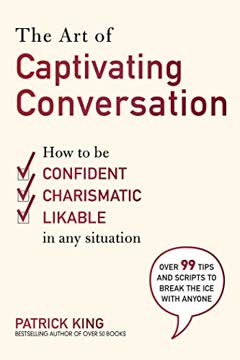
What's "The Art of Captivating Conversation" about?
- Focus on social skills: The book by Patrick King is a guide to improving social skills, conversation, and charisma in various situations.
- Learnable skills: It emphasizes that these skills are not innate but can be learned with practice and effort.
- Personal journey: The author shares his own transformation from a shy introvert to a social skills coach, illustrating that change is possible for anyone.
Why should I read "The Art of Captivating Conversation"?
- Practical advice: The book offers actionable tips and techniques to enhance your conversational abilities.
- Relatable experiences: Patrick King shares personal anecdotes that many readers may find relatable and inspiring.
- Broad applicability: The skills taught are useful in both personal and professional settings, making it a versatile resource.
What are the key takeaways of "The Art of Captivating Conversation"?
- Conversation purposes: Conversations generally serve two purposes: entertainment and utility.
- Human nature: Understanding basic human nature, such as self-interest and the desire for validation, can improve interactions.
- Predictability: Conversations can be predictable, allowing for preparation and reduced anxiety.
How does Patrick King suggest breaking the ice with anyone?
- Social goals: Set a social goal to motivate yourself to engage with others.
- Types of icebreakers: Use subjective opinions, objective information, or comments on shared realities to start conversations.
- Plausible deniability: These methods provide a reason to engage, reducing fear of judgment or rejection.
What is the "Conversation Resume" concept in the book?
- Inventory of information: It's a collection of interesting facts and stories about yourself to share in conversations.
- Preparation: Regularly update your Conversation Resume to ensure you have engaging topics ready.
- Personalization: It helps you present yourself as interesting and relatable, moving beyond small talk.
How does Patrick King define the "greasy crowbars" of life?
- Social skills as tools: Conversation and social skills are likened to "greasy crowbars" that open doors and create opportunities.
- Access to new people: These skills help you connect with others and gain access to new social and professional circles.
- Opportunities for growth: Mastering these skills can lead to personal and professional advancement.
What are the "HPM" and "SBR" methods in the book?
- HPM: Stands for History, Philosophy, and Metaphor, used to respond to questions with personal experiences, opinions, or related topics.
- SBR: Stands for Specific, Broad, and Related, focusing on asking targeted questions, providing context, or exploring related topics.
- Versatile tools: These methods help keep conversations engaging and prevent awkward silences.
How does Patrick King suggest creating flow in conversations?
- Improv analogy: Treat conversations like improv performances, focusing on collaboration and adaptability.
- React to everything: Pay attention to verbal and non-verbal cues to maintain engagement and flow.
- Create motion: Introduce new elements or angles to keep the conversation dynamic and interesting.
What is the "Four-Word Magic Phrase" mentioned in the book?
- Phrase: "What were you saying?" is a powerful tool to re-engage someone in conversation.
- Versatile use: It can be used after interruptions, to involve others, or to shift focus back to the speaker.
- Shows interest: This phrase demonstrates active listening and respect for the other person's input.
How does Patrick King address the issue of awkward silences?
- Throw the ball back: Ensure you are actively contributing to the conversation and not just acknowledging statements.
- Lead the interaction: Take responsibility for keeping the conversation flowing and engaging.
- Prevent stagnation: Use techniques like conversation threading to explore different elements of a topic.
What are some bad habits to avoid in conversations, according to Patrick King?
- Conversational narcissism: Avoid dominating conversations and focus on listening to others.
- Unsolicited advice: Recognize when someone just wants to be heard rather than seeking solutions.
- Belief patrol: Resist the urge to correct others' beliefs or opinions unless asked.
What are the best quotes from "The Art of Captivating Conversation" and what do they mean?
- "Conversations can be extremely predictable": This highlights the idea that understanding the purposes and patterns of conversation can reduce anxiety and improve interactions.
- "Social skills are the greasy crowbars of life": This metaphor emphasizes the power of social skills to open doors and create opportunities.
- "You can make more friends in two months by becoming truly interested in other people": A quote from Dale Carnegie, reinforcing the importance of genuine curiosity in building connections.
लेखक के बारे में
अन्य किताबें — पैट्रिक किंग
 इमर्सिव