
मुख्य बातें
1. आपके विचार आपके जीवन को आकार देते हैं: अपने मन की शक्ति को समझें
हमारा जीवन हमेशा हमारे सबसे मजबूत विचारों की दिशा में चलता है। हम जो सोचते हैं, वही हम होते हैं।
विचार व्यवहार को प्रेरित करते हैं। बाइबल और आधुनिक मनोविज्ञान दोनों इस बात की पुष्टि करते हैं कि हमारे विचार हमारे जीवन को आकार देते हैं। जो कुछ हम अपने मन में प्रवेश करने देते हैं, वह अनिवार्य रूप से हमारे कर्मों और अनुभवों में प्रकट होता है। इसलिए यह बेहद आवश्यक है कि हम अपने विचारों के प्रति सचेत और जानबूझकर रहें।
संज्ञानात्मक पक्षपात हमारी धारणा को प्रभावित करता है। हम अक्सर वास्तविकता के बजाय वही देखते हैं जिसकी हमें उम्मीद होती है। पाप के कारण हमारा आंतरिक "झूठ पकड़ने वाला यंत्र" दोषपूर्ण हो जाता है, जिससे धोखे को मान लेना आसान हो जाता है। लेकिन हमारे पास अपनी सोच को बदलने और अपने जीवन को रूपांतरित करने की शक्ति है, बशर्ते हम अव्यवहारिक विचारों की पहचान करें और उन्हें सुधारें।
व्यावहारिक कदम:
- अपने विचारों के पैटर्न पर ध्यान दें
- नकारात्मक या विनाशकारी सोच को पहचानें
- उन विचारों को चुनौती दें जो सत्य के अनुरूप नहीं हैं
- जानबूझकर सकारात्मक और जीवनदायी विचारों पर ध्यान केंद्रित करें
2. झूठ की पहचान करें और उसे सत्य से बदलें ताकि आपकी सोच बदले
जो झूठ सच मान लिया जाए, वह आपके जीवन को सच की तरह प्रभावित करता है।
झूठों को उजागर करें। शैतान का मुख्य हथियार धोखा है। इसका मुकाबला करने के लिए हमें अपने बारे में, दूसरों के बारे में और परमेश्वर के बारे में जो झूठ हम मानते हैं, उन्हें पहचानना होगा। ये झूठ अक्सर पिछले अनुभवों या दूसरों की कही बातों से उत्पन्न होते हैं।
सत्य से बदलें। एक बार झूठों की पहचान हो जाने पर, हमें उन्हें सक्रिय रूप से बाइबल में पाए जाने वाले परमेश्वर के सत्य से बदलना चाहिए। इस प्रक्रिया में शामिल हैं:
- समस्या (व्यवहार या भावना) को पहचानना
- गहराई से सवाल पूछकर अंतर्निहित विश्वास को उजागर करना
- विशिष्ट झूठ की पहचान करना
- उस झूठ का खंडन करने वाले बाइबिल के पद ढूंढ़ना
- परमेश्वर के सत्य पर आधारित व्यक्तिगत घोषणा बनाना
उदाहरण:
- झूठ: "मैं पर्याप्त अच्छा नहीं हूँ"
- सत्य: "मैं भयभीत और अद्भुत रूप से बनाया गया हूँ" (भजन संहिता 139:14)
- घोषणा: "परमेश्वर ने मुझे उद्देश्य और मूल्य के साथ बनाया है। मेरी कीमत मेरे प्रदर्शन पर नहीं, बल्कि उनके प्रेम पर आधारित है।"
3. अपने मस्तिष्क को नए सत्य के न्यूरल मार्ग बनाकर पुनःप्रोग्राम करें
दोहराव ही आदतों का कारण है।
न्यूरोप्लास्टिसिटी को समझें। हमारा मस्तिष्क लगातार विकसित हो रहा है, और दोहराए गए विचारों और व्यवहारों के आधार पर न्यूरल मार्ग बनाता है। यह हमारे पक्ष में या खिलाफ काम कर सकता है, यह इस बात पर निर्भर करता है कि हम क्या मजबूत करते हैं।
"सत्य की खाइयाँ" बनाएं। नकारात्मक सोच के पैटर्न को दूर करने के लिए, हमें जानबूझकर परमेश्वर के सत्य पर आधारित नए न्यूरल मार्ग बनाने होंगे। इसमें शामिल हैं:
- उन बाइबिल पदों की पहचान करना जो झूठ का खंडन करते हैं
- इन सत्यों पर आधारित व्यक्तिगत घोषणाएं लिखना
- बार-बार इन घोषणाओं को सोचना, लिखना और बोलना
अभ्यास से स्थायित्व आता है। मस्तिष्क को पुनःप्रोग्राम करने में निरंतरता महत्वपूर्ण है। जितना अधिक हम सत्य सोच को मजबूत करेंगे, वह उतना ही स्वाभाविक हो जाएगा। यह प्रक्रिया समय और प्रयास मांगती है, लेकिन इसके परिणामस्वरूप हमारे विचारों और जीवन में स्थायी बदलाव आता है।
4. अपने दृष्टिकोण को पुनः ढालें ताकि हर परिस्थिति में परमेश्वर की भलाई देख सकें
हम वही पाते हैं जिसकी हम तलाश करते हैं, और हम परमेश्वर की भलाई खोजकर अपने दृष्टिकोण को पुनः ढालते हैं।
अपना ध्यान चुनें। हम अपनी परिस्थितियों को नियंत्रित नहीं कर सकते, लेकिन हम उन्हें कैसे देखते हैं, यह नियंत्रित कर सकते हैं। पुनः ढालना यानी जानबूझकर हर स्थिति, चाहे वह कठिन हो, में परमेश्वर की भलाई और उद्देश्य को खोजने का निर्णय लेना।
व्यावहारिक पुनः ढालने की तकनीकें:
- चुनौतियों में सीख या विकास के अवसर खोजें
- जो आपके पास है उस पर ध्यान दें, न कि जो कमी है उस पर
- सोचें कि आपका अनुभव दूसरों के लिए कैसे लाभकारी हो सकता है
- पूछें, "इस स्थिति में परमेश्वर कैसे काम कर रहे हैं?"
भविष्य के लिए पूर्व-ढालना। इसी सिद्धांत को आने वाली घटनाओं या चुनौतियों पर लागू करें। पहले से तय करें कि आप परिस्थितियों को कैसे देखेंगे और प्रतिक्रिया देंगे, और अपने दृष्टिकोण को परमेश्वर के सत्य और वादों में स्थापित करें।
5. कृतज्ञता का अभ्यास करें और परमेश्वर की अप्रत्यक्ष भलाई देखें
कभी-कभी हमें परमेश्वर का धन्यवाद करना चाहिए कि उन्होंने क्या नहीं किया। यह अनुशासन हमें अपने अतीत को पुनः ढालने में मदद करता है।
कृतज्ञता विकसित करें। कृतज्ञता हमारे दृष्टिकोण और भावनात्मक स्थिति को बदलने का एक शक्तिशाली साधन है। यह हमें अपने जीवन की अच्छाइयों पर ध्यान केंद्रित करने और अप्रत्याशित स्थानों में भी परमेश्वर के आशीर्वादों को पहचानने में मदद करता है।
परमेश्वर की बुद्धिमत्ता को पहचानें। कभी-कभी हम जो अनुत्तरित प्रार्थनाएं या निराशाएं समझते हैं, वे वास्तव में परमेश्वर की सुरक्षा या पुनर्निर्देशन होती हैं। यह सीखना कि हमें परमेश्वर का धन्यवाद करना चाहिए कि उन्होंने क्या नहीं किया, हमें उनके योजना और समय पर भरोसा करने में मदद करता है।
"अप्रत्यक्ष भलाई" देखें। इसमें शामिल हैं:
- कठिन परिस्थितियों से आए अप्रत्याशित आशीर्वादों की पहचान करना
- यह समझना कि कैसे पिछले संघर्षों ने आपको वर्तमान अवसरों के लिए तैयार किया
- बाधाओं को पार करने से हुई व्यक्तिगत वृद्धि की सराहना करना
6. प्रार्थना और परमेश्वर की स्तुति के माध्यम से चिंता पर विजय पाएं
प्रार्थना काम करती है। प्रार्थना चीजें बदलती है। शायद इससे भी महत्वपूर्ण, प्रार्थना आपको बदलती है। प्रार्थना आपके मस्तिष्क को बदलती है।
प्रार्थना के वैज्ञानिक लाभ। शोध से पता चलता है कि प्रार्थना और ध्यान मस्तिष्क को भौतिक रूप से बदल सकते हैं, चिंता को कम कर सकते हैं और सहानुभूति तथा करुणा बढ़ा सकते हैं। नियमित प्रार्थना भावनाओं को नियंत्रित करने और लड़ाई या उड़ान प्रतिक्रिया को कम करने में मदद करती है।
व्यावहारिक प्रार्थना रणनीतियाँ:
- दिन की शुरुआत प्रार्थना से करें ताकि सकारात्मक माहौल बने
- "परमेश्वर बॉक्स" का उपयोग करें, जिसमें आप अपनी चिंताएं परमेश्वर को सौंपते हैं
- समर्पित प्रार्थना समय के साथ अपने समय का "दसवां हिस्सा" दें
- प्रार्थना के साथ स्तुति और धन्यवाद को मिलाएं
स्तुति की शक्ति। जब हम मन नहीं करता तब भी परमेश्वर की स्तुति करना हमारे दृष्टिकोण और भावनात्मक स्थिति को बदल सकता है। यह हमें परमेश्वर के चरित्र और वादों की याद दिलाता है, जिससे हम कठिन परिस्थितियों में उन पर भरोसा कर पाते हैं।
7. अपने मन की रक्षा करें और मानसिक युद्ध जीतने के लिए अपने विचार यीशु पर केंद्रित करें
शांति आपके हृदय और मन की रक्षा करती है। शांति से पहले प्रार्थना और स्तुति होती है।
लगातार सतर्कता। हमारे मन के लिए लड़ाई निरंतर चलती रहती है। हमें शत्रु के झूठ और नकारात्मक विचारों को बोने के प्रयासों के प्रति सतर्क रहना होगा।
युद्ध के हथियार:
- प्रार्थना: अपनी चिंताओं को परमेश्वर के हवाले करना
- स्तुति: परमेश्वर के चरित्र और वादों का जश्न मनाना
- सत्य: परमेश्वर के वचन को जानना और लागू करना
- समुदाय: सहायक विश्वासियों के साथ घिरा रहना
मसीह पर ध्यान केंद्रित करें। अंततः मानसिक युद्ध जीतने की कुंजी अपने विचारों को यीशु पर केंद्रित करना है। जब हम उनके प्रेम, शक्ति और विश्वासयोग्यता पर ध्यान लगाते हैं, तो हमारा मन नवीनीकृत और परिवर्तित होता है।
दैनिक अभ्यास:
- हर दिन की शुरुआत परमेश्वर के सत्य की घोषणा से करें
- विशिष्ट झूठों या भय से लड़ने के लिए शास्त्र को याद करें
- परमेश्वर के वादों की याद दिलाने वाले संकेतों से खुद को घेरें
- अपने संघर्षों और जीतों को विश्वसनीय मित्रों के साथ नियमित रूप से साझा करें
समीक्षा सारांश
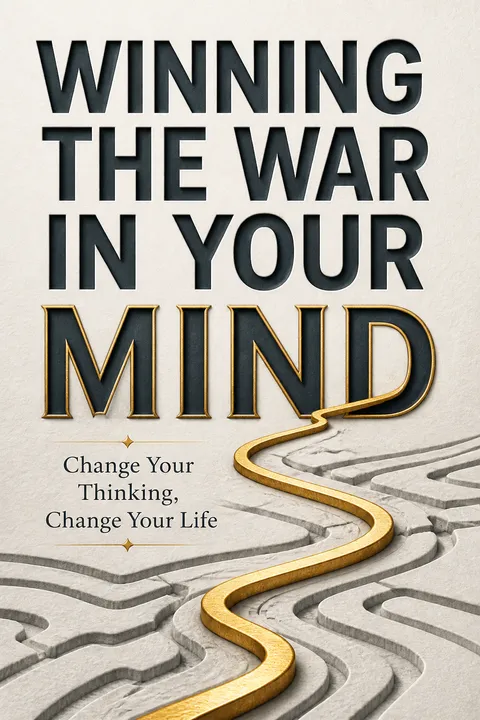
Winning the War in Your Mind पुस्तक को अधिकांश पाठकों ने सकारात्मक प्रतिक्रिया दी है। वे इसके व्यावहारिक सुझावों की प्रशंसा करते हैं, जो सोचने के तरीके बदलने और विश्वास को संज्ञानात्मक विज्ञान के साथ जोड़ने में मदद करते हैं। कई पाठकों ने इसे नकारात्मक सोच और चिंता से निपटने के लिए उपयोगी पाया है। हालांकि, कुछ आलोचकों का मानना है कि यह पुस्तक धार्मिक अवधारणाओं पर अधिक निर्भर करती है या इसमें गहराई की कमी है। कुछ पाठकों ने लेखक के व्यक्तिगत अनुभवों और अभ्यासों की सराहना की, जबकि अन्य ने इसे दोहरावपूर्ण या अत्यंत सरल बताया। कुल मिलाकर, यह पुस्तक अपने लक्षित ईसाई पाठकों के बीच मानसिक और आध्यात्मिक विकास की चाह रखने वालों के लिए अच्छी तरह स्वीकार की गई है।
लोग यह भी पढ़ते हैं










अक्सर पूछे जाने वाले प्रश्न
What's "Winning the War in Your Mind" about?
- Focus on Thought Patterns: The book explores how our thought patterns can determine the course of our lives, emphasizing the importance of identifying and changing unhealthy thinking.
- Integration of Faith and Science: Craig Groeschel combines biblical teachings with modern psychology, particularly cognitive behavioral therapy, to provide a comprehensive approach to mental transformation.
- Practical Strategies: It offers practical strategies to help readers replace lies with truth, rewire their brains, and renew their minds for a more fulfilling life.
- Personal and Relatable: The author shares personal anecdotes and struggles, making the content relatable and applicable to everyday life.
Why should I read "Winning the War in Your Mind"?
- Transformative Approach: The book provides a transformative approach to changing your life by changing your thinking, which can lead to improved mental health and well-being.
- Biblical and Scientific Insights: It offers a unique blend of biblical wisdom and scientific research, making it appealing to both faith-based and secular audiences.
- Practical Exercises: Readers are given practical exercises to apply the concepts in their own lives, making the book not just theoretical but actionable.
- Personal Growth: It encourages personal growth and self-awareness, helping readers to overcome negative thought patterns and live a more purpose-driven life.
What are the key takeaways of "Winning the War in Your Mind"?
- Thoughts Shape Reality: Our lives move in the direction of our strongest thoughts, so changing our thinking can change our lives.
- Four Principles: The book introduces four principles: Replacement, Rewire, Reframe, and Rejoice, each offering a strategy to combat negative thinking.
- Power of Truth: Replacing lies with truth is essential for mental and spiritual freedom, as lies believed as truth will affect your life as if they were true.
- God's Presence: Recognizing and focusing on God's presence can provide peace and strength in overcoming mental battles.
How does Craig Groeschel suggest we change our thinking?
- Replacement Principle: Remove lies and replace them with truth, using biblical scripture as a foundation for truth.
- Rewire Principle: Rewire your brain by creating new neural pathways through repeated positive affirmations and declarations.
- Reframe Principle: Change your perspective by reframing your thoughts and focusing on God's goodness and presence.
- Rejoice Principle: Use prayer and praise to shift your mindset from panic to peace, acknowledging God's control and care.
What is the Replacement Principle in "Winning the War in Your Mind"?
- Identify Lies: The first step is to identify the lies you believe that are holding you back from living a fulfilled life.
- Replace with Truth: Once identified, replace these lies with truths found in scripture, which can set you free.
- Continuous Process: This is not a one-time action but a continuous process of capturing negative thoughts and making them obedient to Christ.
- Practical Application: The book provides exercises to help readers practice this principle in their daily lives.
What is the Rewire Principle in "Winning the War in Your Mind"?
- Neural Pathways: Understand that repeated thoughts create neural pathways, which can be changed by forming new, positive thought patterns.
- Trenches of Truth: Create "trenches of truth" by repeatedly affirming positive, biblical truths to replace negative ruts in your thinking.
- Meditation and Repetition: Use meditation on scripture and repetition of declarations to solidify these new pathways.
- Scientific Basis: The principle is supported by cognitive science, which shows that our brains can be rewired through intentional thought patterns.
What is the Reframe Principle in "Winning the War in Your Mind"?
- Cognitive Reframing: Learn to identify and correct irrational thinking by changing the frame through which you view your circumstances.
- Control Perception: While you can't control what happens to you, you can control how you perceive it, which can change your response and behavior.
- Thank God for What Didn't Happen: Reframe your past by thanking God for what didn't happen and looking for His goodness in every situation.
- Preframe Your Future: Choose in advance how you will view future situations, setting a positive and faith-filled frame.
What is the Rejoice Principle in "Winning the War in Your Mind"?
- Presence of God: Focus on the presence of God rather than the presence of problems, which can lead to peace instead of panic.
- Prayer and Praise: Use prayer and praise as tools to shift your mindset and invite God's peace into your life.
- Mindful of God's Nearness: Being mindful of God's nearness encourages persistent prayer and a perspective of gratitude.
- Transformative Power: This principle emphasizes the transformative power of worship and gratitude in changing your mental state.
What are the best quotes from "Winning the War in Your Mind" and what do they mean?
- "Our lives are always moving in the direction of our strongest thoughts." This quote emphasizes the power of thoughts in shaping our reality and the importance of aligning them with truth.
- "You cannot defeat what you cannot define." It highlights the necessity of identifying the lies and strongholds in our minds before we can overcome them.
- "When you've had enough, God is enough." This quote reassures readers of God's sufficiency and presence, even in overwhelming circumstances.
- "If it's big enough to worry about, it's big enough to pray about." It encourages turning worries into prayers, trusting God with every concern.
How does "Winning the War in Your Mind" integrate biblical teachings with modern psychology?
- Cognitive Behavioral Therapy: The book draws parallels between biblical teachings and cognitive behavioral therapy, showing how both address faulty thinking patterns.
- Scripture as a Tool: Biblical scripture is used as a tool to replace lies with truth, similar to how CBT uses positive affirmations to change thought patterns.
- Scientific Support: The book references scientific studies on neuroplasticity and the impact of prayer on the brain, supporting the idea that thoughts can be transformed.
- Holistic Approach: By integrating faith and science, the book offers a holistic approach to mental health and spiritual growth.
What exercises does "Winning the War in Your Mind" provide to help change thinking?
- Thought Audit: Conduct a thought audit to identify negative thought patterns and their impact on your life.
- Lie Detection: Identify specific lies you believe and replace them with biblical truths through written declarations.
- Trench Digging: Create trenches of truth by repeatedly affirming positive declarations based on scripture.
- God Box Exercise: Use a "God Box" to physically place your worries and concerns, symbolizing giving them to God in prayer.
How can "Winning the War in Your Mind" help with anxiety and negative thought patterns?
- Identify and Replace Lies: The book helps readers identify the lies that fuel anxiety and replace them with calming truths from scripture.
- Rewire Thought Patterns: By creating new neural pathways, readers can change their automatic responses to stress and anxiety.
- Focus on God's Presence: Emphasizing God's presence and control can provide peace and reduce anxiety.
- Practical Tools: The book offers practical tools and exercises to actively combat anxiety and negative thinking in daily life.
लेखक के बारे में
अन्य किताबें — क्रेग ग्रोशेल








PDF डाउनलोड करें
EPUB डाउनलोड करें
.epub digital book format is ideal for reading ebooks on phones, tablets, and e-readers.








































