Trama
Ultimo Giorno, Ultimo Ballo
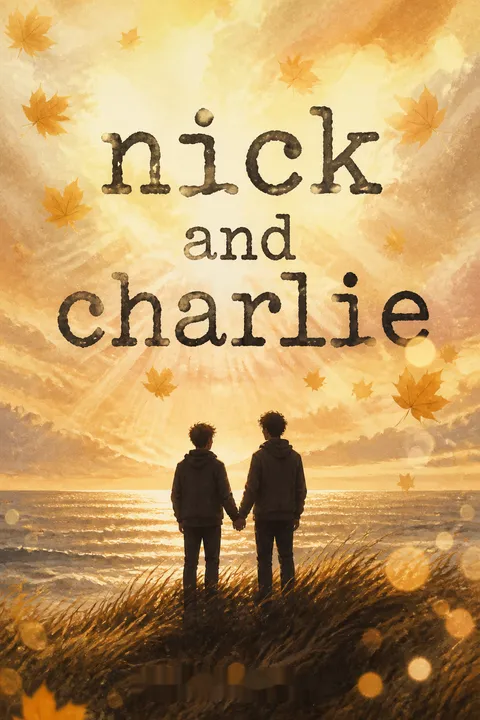
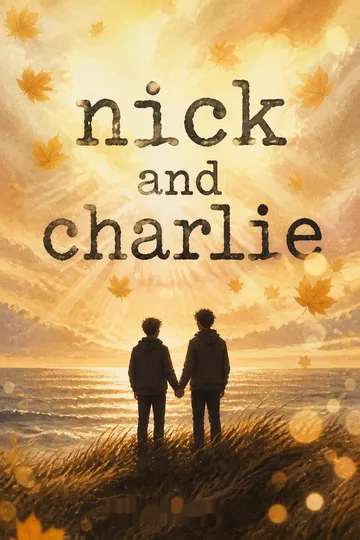
Charlie, rappresentante d’istituto al Truham Grammar, ha il compito di tenere a bada gli esuberanti studenti dell’ultimo anno durante l’ultimo giorno di scuola, una festa a tema High School Musical. Nel mezzo del caos, il fidanzato di Charlie, Nick, è tra i festaioli, e la giornata è un susseguirsi di scherzi, costumi e la dolceamara consapevolezza che è l’ultima volta che attraverseranno insieme i corridoi della scuola. La loro intimità spontanea è evidente, ma sotto la superficie Charlie avverte già i tremori del cambiamento imminente, mentre Nick si prepara a partire per l’università. Quel giorno è un microcosmo della loro relazione: risate, battute private e la sicurezza della routine, tutte ombreggiate dalla consapevolezza che tutto sta per cambiare.
Piani Estivi e Separazione
L’estate di Nick e Charlie è piena di feste, gite al mare e momenti insieme, ma la realtà imminente della partenza di Nick per l’università pesa su ogni programma. Nick è entusiasta per l’indipendenza e le nuove esperienze, mentre Charlie, che ha ancora un anno di scuola, si sente lasciato indietro. Le loro abitudini—videogiochi, pomeriggi pigri, pasti condivisi—sono un conforto, ma mettono anche in evidenza la rottura che si avvicina. La coppia cerca di ignorare il futuro, ma la tensione ribolle, soprattutto per Charlie, tormentato dalla paura dell’abbandono e dall’incertezza di un amore a distanza.
Paure Non Detto Emergono
L’ansia di Charlie cresce mentre i piani universitari di Nick dominano le loro conversazioni. Online, Charlie è sommerso da avvertimenti sulle relazioni a distanza, che alimentano le sue insicurezze. Non vuole smorzare l’entusiasmo di Nick, così reprime i suoi sentimenti, creando un crescente distacco emotivo. Nick, invece, è ignaro della profondità del disagio di Charlie, preso dalla logistica e dall’eccitazione per il nuovo capitolo. L’incapacità della coppia di comunicare le proprie paure prepara il terreno per incomprensioni e silenzi.
Festa, Panico e Dolore
Durante una festa sfrenata, le emozioni represse di Charlie esplodono. Beve troppo, si comporta in modo provocatorio e infine si scaglia contro Nick, accusandolo di volerlo lasciare e proponendo di lasciarsi prima che l’università li separi. La discussione è cruda e confusa, con entrambi che dicono cose di cui si pentiranno. La lite mette a nudo le loro insicurezze più profonde: la paura di abbandono di Charlie e la frustrazione di Nick per essere punito solo perché va avanti. La notte si conclude con loro separati, entrambi devastati e incerti se la loro relazione potrà sopravvivere.
Parole Non Dette
Nei giorni successivi alla discussione, né Nick né Charlie cercano di contattarsi. Ognuno è intrappolato nella propria sofferenza, rivivendo la lite e chiedendosi se sia davvero finita. Charlie è paralizzato dal senso di colpa e dalla paura, mentre Nick è intorpidito dallo shock e dalla tristezza. Amici e familiari notano il cambiamento, ma nessuno dei due riesce a esprimere ciò di cui ha bisogno. Il silenzio tra loro si fa sempre più pesante, e entrambi cominciano a dubitare che il loro amore sia mai stato abbastanza forte da resistere alle difficoltà.
Il Silenzio Tra Di Loro
Il tempo sembra rallentare mentre entrambi faticano a concentrarsi sugli esami e sulla vita quotidiana. L’assenza dell’altro è tangibile, e le routine che un tempo offrivano conforto ora appaiono vuote. Charlie cerca di distrarsi con gli amici e lo studio, ma nulla colma il vuoto. Anche Nick si sente perso, incapace di trovare sollievo nelle sue attività abituali. Entrambi sono tormentati dai ricordi del tempo trascorso insieme e dalla possibilità di aver perso qualcosa di insostituibile.
Ricordi Fotografici, Messaggi Silenziosi
Charlie trova la macchina fotografica usa e getta di Nick e sviluppa le foto, scoprendo un diario visivo della loro relazione: momenti spontanei, risate e intimità silenziosa. Rendendosi conto di quanto Nick tenga alla loro vita insieme, Charlie inizia a inviargli foto—selfie, scatti, ricordi—nella speranza di colmare il divario senza parole. Le immagini sono un appello silenzioso alla connessione, un promemoria di ciò che condividono. Nick riceve le foto ma, sopraffatto e incerto, non risponde, alimentando l’ansia di Charlie.
Un Tentativo di Contatto
Incoraggiato dalla sorella Tori, Charlie decide di fare una mossa coraggiosa. Scrive un biglietto sul retro di una foto e lo consegna a casa di Nick, invitandolo a incontrarsi a una festa scolastica locale. Il gesto è sia una scusa sia un ramo d’ulivo, un modo per dire ciò che le parole non sono riuscite a esprimere. Charlie aspetta ansioso, incerto se Nick verrà o se la loro storia sia davvero finita.
Riconciliazione in Campo
Nick arriva alla festa, e finalmente i ragazzi parlano—davvero parlano—delle loro paure, degli errori e delle speranze. Si scusano per le parole dolorose dette e ammettono che nessuno dei due vuole lasciarsi. La conversazione è imbarazzante, onesta e profondamente emotiva, ma segna una svolta. Capiscono che il loro amore vale la pena di essere difeso, anche se il futuro è incerto. La riconciliazione si sigilla con risate, cioccolato e la promessa di affrontare insieme ciò che verrà.
Promesse e Cioccolato
I ragazzi riaffermano il loro impegno con atti semplici: condividere cioccolato, tenersi per mano e scattare nuove foto insieme. Questi piccoli rituali, un tempo banali, ora portano il peso del perdono e della fiducia rinnovata. Decidono di trascorrere la giornata al mare, riconquistando la loro felicità e creando nuovi ricordi. L’ordinario diventa straordinario nel contesto della loro riconciliazione.
Nuovi Inizi sulla Spiaggia
Sulla spiaggia, Nick e Charlie parlano, ridono e semplicemente stanno insieme. La giornata è piena di confort familiari—musica, giochi, il mare—ma tutto sembra nuovo. Discutono dei loro piani per la relazione a distanza, riconoscendo le difficoltà ma scegliendo la speranza invece della paura. La spiaggia diventa simbolo della loro resilienza e della possibilità di felicità, anche di fronte al cambiamento.
Più Forti di Prima
L’esperienza di quasi perdersi ha cambiato Nick e Charlie. La loro relazione, un tempo definita dalla routine e dal conforto, ora è segnata da una comprensione più profonda e dalla volontà di affrontare emozioni difficili. Parlano apertamente delle loro paure e dei sogni, promettendo di sostenersi a vicenda qualunque cosa accada. La prova li ha resi più forti, maturi e certi del loro amore.
La Nuova Normalità
Nick e Charlie trovano un nuovo equilibrio, bilanciando il tempo insieme con i preparativi per l’università e le realtà della distanza. Gustano il presente, consapevoli che il tempo è prezioso. L’ansia che un tempo minacciava di separarli lascia spazio a una tranquilla fiducia nella loro capacità di resistere. Il loro amore non è più solo fonte di conforto, ma una base per la crescita e la resilienza.
Amore nell’Ordinario
I ragazzi capiscono che la loro relazione non ha bisogno di gesti grandiosi o di eccitazione costante per essere significativa. I momenti ordinari—pasti condivisi, pomeriggi pigri, battute private—sono ciò che rende reale il loro amore. Abbracciano la loro vita “noiosa”, comprendendo che la felicità si trova nei piccoli, costanti atti di cura e affetto.
Affrontare il Futuro Insieme
Con la fine dell’estate e l’avvicinarsi della partenza di Nick, i ragazzi affrontano il futuro con un misto di paura e speranza. Sanno che la distanza sarà dura, ma sono determinati a farcela. La loro storia non è fatta di certezze perfette, ma di scegliere l’un l’altro, ancora e ancora, anche quando è difficile. Avanzano non come adolescenti ingenui, ma come partner pronti ad affrontare qualunque cosa venga—insieme.
Altri hanno letto anche








FAQ
Synopsis & Basic Details
What is Nick and Charlie about?
- Navigating Post-School Transition: Nick and Charlie explores the emotional challenges faced by Nick Nelson, a recent high school graduate, and Charlie Spring, his younger boyfriend, as Nick prepares to leave for university. The story delves into Charlie's deep-seated anxieties about being left behind and the strain this places on their two-year relationship.
- Love Against Uncertainty: It's a poignant narrative about a couple confronting the universal fear of change and separation, specifically how a long-distance relationship might impact their established intimacy and daily routines. The novella highlights their struggle to communicate these fears openly, leading to misunderstandings and a significant argument.
- Reconciliation and Growth: Ultimately, the story follows their journey of reconciliation, as they learn to articulate their insecurities, reaffirm their commitment, and find a stronger, more mature foundation for their love, embracing the "boring" yet profound aspects of their shared life.
Why should I read Nick and Charlie?
- Authentic Emotional Depth: Readers should engage with Nick and Charlie for its raw, honest portrayal of adolescent anxiety and the complexities of a long-term relationship facing its first major challenge. It offers a relatable exploration of self-doubt, fear of abandonment, and the courage required to be vulnerable with a partner.
- Insightful Relationship Dynamics: The novella provides a nuanced look at how communication breakdowns can escalate conflict, even between deeply loving individuals, and the profound relief and growth that comes from honest dialogue. It celebrates the quiet, everyday moments that truly define a lasting connection, challenging the notion that young love is inherently fleeting.
- Continuity for Heartstopper Fans: For fans of Alice Oseman's Heartstopper series, this novella offers a crucial continuation of Nick and Charlie's story, providing deeper insights into their post-school life and the evolution of their relationship beyond the initial romance. It addresses common reader questions about their future, offering a satisfying and mature progression of their beloved characters.
What is the background of Nick and Charlie?
- Post-Heartstopper Universe: Nick and Charlie is set within the established universe of Alice Oseman's Heartstopper graphic novels, serving as a direct continuation of Nick and Charlie's relationship after the events of the main series. It builds upon their established history, including Charlie's past struggles with mental health and Nick's journey of self-discovery.
- Cultural Context of Young Adulthood: The story is deeply rooted in the contemporary experience of British teenagers transitioning from secondary school to university, reflecting common anxieties around independence, long-distance relationships, and the pressure to "have a fresh start" at university. The inclusion of social media (Tumblr) highlights external influences and the public gaze on young, queer relationships.
- Intertextual Allusions: The novella subtly weaves in literary and pop culture references, such as the Pride and Prejudice epigraph foreshadowing relationship "danger" and the High School Musical theme contrasting with the characters' real-life emotional complexities. The inclusion of an extract from Oseman's Solitaire also provides a deeper look into Tori Spring's character and her own struggles with cynicism and connection, enriching the broader Osemanverse.
What are the most memorable quotes in Nick and Charlie?
- "You're Nick and Charlie, aren't you?": This recurring phrase, spoken by friends like Tao and Aled, encapsulates the almost mythical status of Nick and Charlie's relationship among their peers. It highlights the external pressure and idealized perception of their bond, which ironically contributes to Charlie's internal struggle and fear of not living up to this "perfect" image, making their eventual, messy reconciliation all the more powerful.
- "I don't want to break up with you, ever.": Spoken by Nick during their reconciliation, this simple yet profound statement cuts through all the previous miscommunication and fear. It signifies a renewed, unwavering commitment, emphasizing that despite the challenges of long-distance and personal anxieties, their love is a conscious, enduring choice they both make.
- "I love you more than anyone, actually.": Nick's quiet confession, followed by Charlie's equally profound "I'm weird too," reveals the deep, unconventional nature of their bond. It acknowledges their unique, intense connection that defies typical teenage relationship norms, transforming their perceived "weirdness" or "boring" life into a source of profound strength and mutual understanding.
What writing style, narrative choices, and literary techniques does Alice Oseman use?
- Intimate Dual Perspective: Oseman employs a first-person dual narrative, alternating between Nick and Charlie's perspectives. This choice immerses the reader directly into each character's internal monologue, revealing their distinct anxieties, unspoken thoughts, and emotional processing, which is crucial for understanding the miscommunication that drives the plot.
- Conversational and Relatable Tone: The writing style is highly conversational, reflecting authentic teenage dialogue and thought patterns, making the characters and their struggles immediately relatable. This is achieved through informal language, internal asides, and a focus on everyday interactions, grounding the emotional drama in a realistic setting.
- Subtle Symbolism and Foreshadowing: Oseman masterfully uses subtle literary techniques, such as pathetic fallacy (the rain at the party mirroring emotional turmoil), recurring motifs (the disposable camera, the "Nick and Charlie" phrase), and foreshadowing (Tumblr messages, Tao and Elle's breakup) to deepen thematic resonance and build tension without heavy-handed exposition.
Hidden Details & Subtle Connections
What are some minor details that add significant meaning?
- Nick's Phone Glitch: The detail that Nick's old phone cannot receive picture messages, causing Charlie's grand gesture of sending photos to appear as "blank texts," is a profound piece of dramatic irony. It highlights how easily communication can fail, even with the best intentions, and literally embodies the "miscommunication and silence" theme, forcing a face-to-face confrontation rather than a digital one.
- Charlie's Oreo Dairy Milk Gift: Charlie buying Nick an Oreo Dairy Milk bar, a specific detail mentioned as Nick's obsession, is more than just a thoughtful gesture. It symbolizes Charlie's deep knowledge of Nick's preferences and his attempt to reconnect through a familiar comfort, representing the return to their "boring" but deeply intimate rituals that define their love.
- Tori's Haircut Story: In the Solitaire extract, Tori's explanation for cutting her hair—a spontaneous act driven by overwhelming anxiety about starting Year 12 and feeling "choked" by her long hair—subtly parallels Charlie's own struggles with mental health and feeling overwhelmed. It reveals a shared family trait of internalizing stress and seeking drastic, sometimes symbolic, ways to cope, adding depth to Tori's protective nature towards Charlie.
What are some subtle foreshadowing and callbacks?
- Pride and Prejudice Epigraph: The opening quote, "I think you are in very great danger of making him as much in love with you as ever," subtly foreshadows the central conflict. It hints at the "danger" not of falling in love, but of the challenges that deep love faces, particularly the fear of loss and the potential for self-sabotage, setting a tone of emotional vulnerability.
- High School Musical Theme: The Year 13's High School Musical theme on their last day serves as a callback to an idealized, simpler vision of high school life. This contrasts sharply with the complex emotional reality Nick and Charlie are navigating, subtly highlighting the gap between youthful fantasy and the impending adult challenges of their relationship.
- "You're Nick and Charlie" Repetition: The recurring phrase "You're Nick and Charlie," used by friends like Tao and Aled, initially serves as a comforting affirmation of their strong bond. However, it subtly foreshadows the pressure this idealization places on them, particularly Charlie, who fears failing to live up to this image, contributing to his self-doubt and the eventual argument.
What are some unexpected character connections?
- Tori and Lucas Ryan's Reconnection: The unexpected reunion between Tori Spring and her childhood best friend, Lucas Ryan, in the Solitaire extract, provides a parallel narrative to Nick and Charlie's relationship. It highlights the theme of enduring connections and the possibility of rekindling past bonds, even after years of separation, reinforcing the idea that some relationships are meant to last.
- Sai Verma as Nick's Emotional Catalyst: Sai, initially appearing as just a friend, becomes a crucial, unexpected connection for Nick. His direct, rational "intervention" and blunt assessment of Nick and Charlie's relationship ("You're the most basic teenage relationship... Have you seen yourselves?") forces Nick to confront his own assumptions and insecurities, acting as a vital external voice that pushes Nick towards reconciliation.
- Harry Greene's Unintentional Role: While often portrayed as boisterous comic relief, Harry Greene's actions, such as pickpocketing Nick's camera and taking candid photos, unintentionally contribute to the plot's resolution. His presence, though seemingly superficial, facilitates the creation of the very "photo memories" that Charlie later uses to initiate their reconciliation, making him an unexpected, albeit indirect, catalyst.
Who are the most significant supporting characters?
- Victoria Spring (Tori): Tori is significant not just as Charlie's protective sister, but as a voice of cynical wisdom and unexpected emotional intelligence. Her directness ("You've had your tantrum time, okay? You're a Year 13 now.") and practical support (driving Charlie to Nick's house) are crucial catalysts for Charlie's decision to act, demonstrating the vital role of family in navigating emotional crises. Her internal world, hinted at in the Solitaire extract, also provides a deeper understanding of her own struggles with connection and apathy.
- Sai Verma: Sai serves as Nick's rational sounding board and an external validator of Nick and Charlie's unique bond. His blunt, yet supportive, assessment of their relationship ("You hang around with each other every single day and somehow haven't wanted to kill each other yet... Trust me, I've played board games with you two.") helps Nick reframe his anxieties and realize the strength of their connection, pushing him towards reconciliation.
- Aled Last: Aled is Charlie's quiet, empathetic confidant who, despite his shyness, offers profound insights. His observation of Charlie's distress ("I feel like you've been really down today.") and his assertion that "you're Nick and Charlie" and that Nick wouldn't "make it difficult for you" if he thought Charlie didn't love him, are pivotal in helping Charlie understand Nick's perspective and motivating him to reach out.
Psychological, Emotional, & Relational Analysis
What are some unspoken motivations of the characters?
- Charlie's Self-Sabotage: Charlie's aggressive flirting and lashing out at the party, culminating in his suggestion to break up, is an unspoken motivation driven by his deep-seated fear of abandonment and past trauma related to his mental health. He subconsciously attempts to control the pain of potential loss by initiating the breakup himself, believing he is "pathetic" and "boring" and that Nick will eventually leave him anyway.
- Nick's Desire for Normalcy: Nick's initial obliviousness to Charlie's distress and his enthusiastic focus on university plans are subtly motivated by a desire for a "normal" transition into adulthood, free from the complexities and anxieties that have sometimes defined his relationship with Charlie. He wants to believe that long-distance will be "fine," perhaps as a way to avoid confronting the emotional weight of separation.
- Tori's Protective Cynicism: Tori's sarcastic and seemingly apathetic demeanor often masks a deep, unspoken motivation to protect herself and those she cares about from emotional pain. Her directness with Charlie, though harsh, is a form of tough love, motivated by a desire to prevent him from spiraling into self-pity and to push him towards action, reflecting her own struggles with vulnerability as explored in Solitaire.
What psychological complexities do the characters exhibit?
- Charlie's Anxiety and Self-Worth: Charlie exhibits significant psychological complexity through his deep-seated anxiety, which manifests as self-deprecating thoughts ("I'm a fucking stupid idiot," "I'm so pathetic") and a fear of being a burden due to his past mental health struggles. His tendency to internalize external pressures (Tumblr messages, Tao and Elle's breakup) and project his insecurities onto Nick reveals a complex interplay of past trauma and present emotional vulnerability.
- Nick's Emotional Suppression and Idealism: Nick, while outwardly supportive, displays a psychological complexity in his tendency to suppress his own anxieties about the future and idealize the ease of their long-distance relationship. His shock and anger during the argument reveal a hidden vulnerability and a struggle to process intense negative emotions, highlighting his journey towards embracing emotional honesty rather than just optimism.
- The Paradox of "Boring" Love: Both Nick and Charlie grapple with the psychological complexity of their "boring" relationship, questioning its validity against societal expectations of exciting teenage romance. Their eventual acceptance and celebration of their quiet, everyday intimacy ("I love our weird, boring life") represents a mature psychological shift, valuing genuine connection over superficial excitement.
What are the major emotional turning points?
- The Party Confrontation: The explosive argument at Harry's party is the primary emotional turning point, where Charlie's bottled-up anxieties about Nick leaving for university finally erupt. This raw, messy confrontation, fueled by alcohol and misinterpretations, forces both characters to confront their deepest fears and the fragility of their unspoken assumptions about their relationship.
- Charlie's Discovery of the Photos: Charlie developing Nick's disposable camera and discovering numerous candid photos of himself marks a crucial emotional turning point. This visual evidence of Nick's quiet affection and desire to preserve their shared moments ("I think he just took them because he wanted to remember what this was like") shatters Charlie's self-deprecating belief that Nick is bored or wants to leave him, empowering him to initiate reconciliation.
- The Honest Conversation at the Fete: The face-to-face conversation at the primary school fete, where Nick and Charlie finally articulate their fears, apologies, and unwavering commitment, is the ultimate emotional turning point. It signifies a shift from passive suffering and miscommunication to active, vulnerable dialogue, laying the groundwork for a stronger, more resilient relationship built on mutual understanding.
How do relationship dynamics evolve?
- From Unspoken Comfort to Confronted Fears: Initially, Nick and Charlie's relationship dynamic is characterized by comfortable, almost telepathic understanding and shared routines. However, as Nick's university departure looms, this dynamic shifts to one burdened by unspoken fears and assumptions, leading to a breakdown in communication and a major argument.
- From Idealized Perception to Realistic Commitment: The relationship evolves from being perceived as an unbreakable, idealized "Nick and Charlie" unit by their friends to a more realistic, yet stronger, bond forged through conflict. They learn that love isn't about avoiding pain or change, but about actively choosing each other and working through difficulties, even when it's messy.
- From Codependency to Interdependent Growth: While their deep connection sometimes borders on codependency (Charlie's fear of being "on his own," Nick's worry about his mum), the conflict forces them to acknowledge their individual anxieties and needs. Their reconciliation marks a shift towards a more interdependent dynamic, where they support each other's growth while maintaining their strong bond, understanding that their love can accommodate individual paths.
Interpretation & Debate
Which parts of the story remain ambiguous or open-ended?
- The Long-Term Success of Long-Distance: While the ending is hopeful and the boys are committed, the story leaves the actual long-term success of their long-distance relationship open-ended. The novella concludes with them embracing the challenge, but the day-to-day realities and potential difficulties of Nick being two hundred miles away are not fully explored, leaving readers to ponder their future resilience.
- Charlie's Ongoing Mental Health Journey: The narrative touches upon Charlie's past struggles with anorexia and his lingering anxieties, but it doesn't fully detail his ongoing mental health journey. While his growth in communication is evident, the story leaves ambiguous the extent to which he will continue to manage his self-doubt and anxiety independently, or how future stressors might impact him.
- Tori's Personal Arc: The inclusion of the Solitaire extract, while enriching Tori's character, leaves her own personal struggles and relationships (particularly with Michael Holden and Lucas Ryan) largely open-ended within the context of Nick and Charlie. Her journey of overcoming cynicism and finding connection is hinted at but not resolved, inviting readers to explore her story further in Solitaire.
What are some debatable, controversial scenes or moments in Nick and Charlie?
- Charlie's Drunken Behavior at the Party: Charlie's actions at Harry's party, including his aggressive flirting, snapping at Nick, and suggesting a breakup while heavily intoxicated, could be seen as a controversial moment. Readers might debate whether his behavior was a justifiable expression of suppressed anxiety or an unfair, self-sabotaging act that placed undue emotional burden on Nick.
- Nick's Initial Reaction and Silence: Nick's immediate anger and subsequent nine-day silence after the argument could be debated. While understandable given Charlie's hurtful words, some might argue whether his withdrawal was a healthy response or if he should have initiated communication sooner, especially knowing Charlie's vulnerabilities.
- The "Nick and Charlie" Idealization: The recurring phrase "You're Nick and Charlie," used by their friends to describe their seemingly perfect relationship, can be a point of debate. While intended as supportive, it highlights the pressure of external idealization, which arguably contributes to Charlie's internal struggle and fear of failure, raising questions about the impact of public perception on private relationships.
Nick and Charlie Ending Explained: How It Ends & What It Means
- Reconciliation and Renewed Commitment: The story culminates in Nick and Charlie's heartfelt reconciliation at the primary school fete, where they finally communicate their fears and apologies openly. They reaffirm their deep love and commitment, choosing to face the challenges of a long-distance relationship together, symbolized by their shared chocolate and new photos.
- Embracing "Boring" Love and Growth: The ending signifies a profound shift in their understanding of love. They move past the initial idealization and the fear of being "boring," realizing that their deep, everyday intimacy is their greatest strength. This acceptance of their unique, quiet bond marks a significant emotional maturity, indicating that their relationship is now stronger and more resilient, built on honesty and mutual understanding.
- Hopeful, Not Naive, Future: While the future of their long-distance relationship remains a challenge, the ending is one of determined hope rather than naive certainty. They acknowledge the difficulties ahead but choose to confront them as a united front, demonstrating that love is an ongoing choice and a continuous process of growth, adaptation, and unwavering support for each other.
Osemanverse Serie





Scarica PDF
Scarica EPUB
.epub digital book format is ideal for reading ebooks on phones, tablets, and e-readers.








































