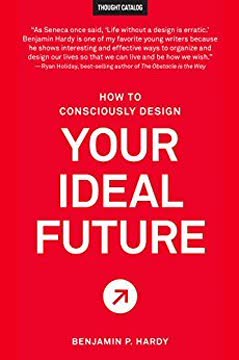
重要ポイント
1. 未来への希望が現在に意味を与える
未来に希望がなければ、現在は意味を失う。
目的は不可欠である。 ヴィクトール・フランクルの強制収容所での経験は、未来への希望を失った人々がすぐに絶望と死に屈してしまうことを示している。この文脈における希望は、単なる願望ではなく、意味と方向性を提供する具体的な目標である。明確な目的がなければ、現在は耐え難くなり、人々は生きる意欲を失ってしまう。
希望は意志と道である。 希望は、目標を達成しようとする意志と、それを達成する方法があるという信念から成り立っている。高い希望を持つ人々は柔軟で資源に富み、目標に到達するための複数の道を見つける一方で、低い希望を持つ人々は一つのアプローチに固執し、障害に直面すると諦めがちである。
希望を育む。 希望を育むためには、明確で具体的な目標を持ち、自分の行動が結果に影響を与えるという信念を持ち、成功への複数の道を思い描く能力を持つことが必要である。この積極的なアプローチは、希望を受動的な願望から行動とレジリエンスの強力な推進力へと変える。
2. 過去の物語が未来を形作る
誰もがパンチを受けるまでは計画を持っている。
過去は物語である。 過去の経験をどのように捉えるかは、現在と未来に大きな影響を与える。ネガティブな物語は反応的で回避的な目標を生む一方、ポジティブな再構築は成長と目的を促進する。過去は固定された存在ではなく、あなたが修正できる物語である。
成長のための再構築。 感情的健康は、ポジティブな過去と刺激的な未来の両方を含む。過去の出来事をポジティブな視点で再構築することで、最も困難な経験からも学び、それを個人の成長に統合することができる。このプロセスは、痛みを目的の触媒に変える。
得ることとギャップ。 経験を個人の成長に変えるには、「得る」マインドセットを採用し、学んだことや成長したことに焦点を当てる必要がある。「期待」と「現実」の間の「ギャップ」にこだわるのではなく、この積極的なアプローチは、あなたが自分の経験を所有し、未来を形作る力を与える。
3. 環境が目標を形作る
あなたは、最も多くの時間を共に過ごす5人の平均である。
環境の影響。 あなたの環境、特に周囲の人々は、目標や行動に大きな影響を与える。無意識のうちに、あなたは周囲の期待や規範を受け入れ、文脈を意識することの重要性が浮き彫りになる。
マインドフルネスと選択。 マインドフルネスは、環境が自分に与える影響を認識し、未来の自分に合わせて意識的に選択することを含む。これは、新しい視点や経験、そして自分が目指す特質を持つ人々を積極的に探し求めることを必要とする。
変革的な関係。 特定の人々と自分を一致させるためには、取引的ではなく変革的なマインドセットを持つことが重要である。変革的な関係では、スコアをつけることはなく、互いに助け合い、支え合う真摯な願望が存在する。関係の目的とアプローチは変革であり、与えること、感謝、成長に焦点を当てている。
4. 未来の自分とのつながりが現在の決定を改善する
長期的な計画の概念は、人間の進化の観点から見ると比較的新しいものである。
未来の自分への共感。 未来の自分とのつながりを築くには、彼らを異なる視点や優先事項を持つ別の人として見る必要がある。この共感により、現在の行動が彼らの幸福にどのように影響するかを理解し、より賢明な決定を下すことができる。
投資とコスト。 あなたの行動はすべて、未来の自分への投資かコストのいずれかである。短期的な報酬が長期的に悪影響を及ぼす場合、それはコストであり、長期的な報酬をもたらす行動は投資である。投資をすればするほど、未来の自分はより明確で生き生きとした存在になる。
未来の自分を鮮明にする。 未来の自分から現在の自分への手紙を書くことで、未来の自分を鮮明で詳細に描く。好きな時間枠を選んで構わない。未来の自分を想像する練習をすることで、彼らとのつながりがより良く、より明確になる。
5. 大きな目標が緊急の戦いを超える
私たちの本質として、合理的で意識的な生き物である私たちは、未来を考えずにはいられない。
短期的な焦点と長期的な焦点。 多くの人々は短期的な目標や緊急の戦いにとらわれ、未来について戦略的に考える能力を制限されている。このサイクルから脱出するためには、視線を上げ、重要な長期目標を即時の要求よりも優先することが不可欠である。
重要なことを優先する。 アイゼンハワーは言った。「私は二種類の問題を持っている:緊急なものと重要なもの。緊急なものは重要ではなく、重要なものは決して緊急ではない。」最初に重要なことを優先することで、現在の文脈を超えて考える余地を作り、未来の自分に投資することができる。
より大きな思考。 自分ができることを高める。例えば、「今年10万ドルを稼ぐにはどうすればよいか?」ではなく、「今年1000万ドルを稼ぐにはどうすればよいか?」と問いかける。異なる質問が革新的な思考と新しい視点を引き起こす。
6. 行動は無行動に勝る
評論家が重要なのではない。強者がつまずく様子を指摘する人や、行動者がより良くできたはずの場所を指摘する人が重要なのではない。
アリーナに入る。 未来の自分にとって最大の脅威は、分析と恐怖に麻痺してサイドラインに留まることである。アリーナに入って現実に直面し、失敗から学ぶには勇気が必要である。
行動を通じて学ぶ。 サイドラインで意図的に練習することはできない。アリーナにいないと、デフォルトで失敗していることになる。プレイフィールドに入るのをためらえばためらうほど、必要な学習曲線を遅らせることになる。
現実を受け入れる。 アリーナにいるということは、ついに現実に直面し、受け入れることを意味する。アリーナでは、現実があなたの教師となるため、もはや現実を恐れることはない。最終的には、未来の自分として現実を形作ることができるようになる。
7. 成功は失敗を生むことがある
成功病は、人々が「習得」とその子孫である「成功」をもたらした努力、集中、規律、教育、チームワーク、学び、細部への注意をさまざまな程度で放棄し始めることを意味する。
明確さの逆説。 成功はより多くの選択肢や機会をもたらし、それが努力を分散させ、成功をもたらした明確さを損なう可能性がある。これは、ビジョンを常に更新し、非本質的な気晴らしを排除することの重要性を強調している。
集中を維持する。 成功すればするほど、より小さな目標が現れる。機会や短期的な成功が増えるほど、エネルギーと集中を妨げる99%の非本質的な罠を排除するために、ビジョンを常に更新する必要が高まる。
道徳的規範。 社会的集団で繁栄するためには、個々のメンバーが集団の利益を個人の利益よりも優先する道徳的規範に従う必要がある。これは、個人主義的な進化が深い人々にとっては難しいことがある。道徳的規範を生きる意味を提供する宗教がなければ、人々は集団のために最善を尽くす理由が少なくなる。
8. 未来の自分が現在を駆動する
目的が存在しないと考えるのは不合理である。なぜなら、私たちは代理人が熟考しているのを観察しないからである。
目的論と目的。 すべての人間の行動は目標駆動であり、何らかの目的に向かっている。健康は、歩くこと、体重を減らすこと、医者に行くこと、そして良い食事をすることの目的である。
知的設計。 あなたが目にするすべての人間の創造物は、知的設計の産物である。誰かが何かを創造するアイデアを持ち、そのアイデアを物理的な形に変えた。このプロセスは試行錯誤であるが、目標によって駆動されている。
明確な態度と不明確な態度。 人々は未来が明確な形を取ることを期待することもあれば、あいまいで不確実なものとして扱うこともある。未来を明確なものとして扱うなら、それを事前に理解し、形作るために努力することが理にかなっている。しかし、ランダム性に支配された不明確な未来を期待するなら、マスターしようとする努力を放棄することになる。
9. 未来の自分は根本的に異なる
人間は進行中の作品であり、自分が完成していると誤解している。
歴史の終わりの幻想。 人々は、次の10年間で自分の性格がどれほど変わるかを過小評価し、未来の自分が現在の自分と大きく変わらないと仮定する。この「歴史の終わりの幻想」は、異なる未来を想像し、創造する能力を制限する。
成長マインドセットと固定マインドセット。 固定マインドセットを持つ人々は、自分の基本的な特性が固定されたものであると信じる一方、成長マインドセットを持つ人々は学びと成長に興味を持つ。成長マインドセットを受け入れることで、現在の自分を愛しつつ、現在の視点や特性が一時的なものであることを理解できる。
変化を受け入れる。 変化できるし、変わることができると知ることで、現在の自分を愛することができる。自分をどう見るかについて、あまり固執しなくなる。今すぐにすべての答えを持っている必要はない。現在の能力や価値を証明する必要もない。
10. 未来の自分が最終的な結果である
時間はあなたの友か敵かになる。あなたを昇進させるか、暴露するか。
代償を払う。 あなたが行うすべてのことには、良い結果も悪い結果も伴う。未来の自分は、現在の決定の誇張された結果である。未来の自分から逃れることはできず、代償を払うことからも逃れられない。あなたが持つ唯一の選択肢は、いつ代償を払うか、そしてどれだけ払うかである。
投資とコスト。 あなたが行うすべてのことは、未来の自分へのコストか投資のいずれかに分類できる。コストは未来の自分をより深く負債にし、投資は未来の自分をより豊かにする。
複利効果。 複利効果とは、小さな変化が劇的な結果に累積することを指す。これは、あなたが下す選択から得られる波及効果である。人生において、あなたは自分が蒔いたものを収穫するだけでなく、蒔いた以上のものを収穫する。
11. 鮮明な未来の自分が進捗を加速する
私たちを悩ませるのは、成功をどのように定義するかである。
明確さと測定。 未来の自分がより鮮明で詳細かつ測定可能であればあるほど、未来の自分になるのが容易になる。効果的な進捗は、測定可能な指標、未来の自分の鮮明なビジョン、そして明確なマイルストーンの組み合わせから生まれる。これらの要素がなければ、人々は迷子になる。
選択的注意。 あなたが探しているものを明確にすれば、それがどこにでも見えるようになる。かつては明白に隠れていたものが、急に明らかになる。あなたは探しているものを見る。
戦略的焦点。 未来の自分にとっての大きな脅威は、単に考えがあまりにも小さいことである。あなたのビジョンを10倍または100倍大きくする。そうすることで、高いレベルで生きるための原則、ルール、戦略を理解せざるを得なくなる。
12. 神への見方が未来の自分に影響を与える
私たちの最も深い恐れは、自分が不十分であることではない。私たちの最も深い恐れは、私たちが計り知れないほどの力を持っていることである。
神と自己認識。 神に対する見方、または見方の欠如は、未来の自分に対する見方に直接影響を与える。神に対する見方は、自己、性質、潜在能力、そして進路に対する見方に大きく影響する。
神化と潜在能力。 神の文字通りの子供であることは、ここに存在する理由があることを意味する。人生はランダムではない。私たちは神から来て、成長、教育、経験のためにここに来ることを選んだ。さらに、神の文字通りの子供であることは、私たちの中に神のようになるための固有の能力があることを意味する。
自由と尊重。 神は、私たちが選ぶことに関係なく、私たちを愛し、尊重している。各人は、神、人生、そして自分自身について信じることを
レビューまとめ
理想の未来を意識的にデザインする方法は、平均評価3.73の混合評価を受けている。多くの読者は自己改善の概念が簡潔にまとめられていることを評価し、モチベーションを感じている。実行可能なアドバイスや文体を称賛する声もある。しかし、批評家は内容が断片的で繰り返しが多く、独自性に欠けると指摘している。いくつかの意見では、ブログ記事の寄せ集めのように感じられると述べられている。リマインダーやクイックヒントに価値を見出す人もいれば、アイデアが表面的またはあまりにも馴染み深いと感じる人もいる。本書の簡潔さは、強みであり同時に弱みとも見なされている。
他の人が読んだ本


よくある質問
1. What is "How to Consciously Design Your Ideal Future" by Benjamin P. Hardy about?
- Focus on Future Self: The book centers on the concept that your life is primarily shaped by your vision of your Future Self, not your past.
- Science and Stories: Hardy combines cutting-edge psychological research with real-life stories (like MrBeast and Viktor Frankl) to illustrate how prospection (thinking about the future) drives behavior.
- Practical Framework: The book provides a structured approach—outlining threats, truths, and actionable steps—to help readers consciously design and become their ideal Future Selves.
- Immediate Application: Readers are encouraged to start living as their Future Self now, using tools like time capsules, letters, and vivid visualization.
2. Why should I read "How to Consciously Design Your Ideal Future" by Benjamin P. Hardy?
- Shift from Past to Future: The book challenges the traditional belief that the past determines your present, showing instead that your envisioned future is the true driver.
- Actionable Steps: It offers a clear, science-backed roadmap for personal transformation, not just theory or motivation.
- Overcome Common Pitfalls: Hardy identifies and helps you avoid the seven main threats that keep people stuck in unfulfilling patterns.
- Real-Life Examples: The book is filled with inspiring stories and practical exercises, making the concepts relatable and easy to implement.
3. What are the key takeaways from "How to Consciously Design Your Ideal Future"?
- Your Future Drives Your Present: The future you imagine for yourself shapes your current actions, decisions, and mindset.
- Connection is Critical: The more vividly you can see and emotionally connect with your Future Self, the wiser and more motivated your present decisions become.
- Eliminate Lesser Goals: Success requires focus—clarify your top priorities and remove distractions or conflicting objectives.
- Invest in Your Future Self: Every action is either a cost or an investment; consistent, small investments compound into massive results over time.
4. What is the "Future Self" concept in Benjamin P. Hardy's book, and why is it important?
- Definition: Your Future Self is the person you will inevitably become, shaped by your current choices, habits, and vision.
- Psychological Foundation: Modern psychology (prospection) shows humans are unique in their ability to imagine and plan for multiple possible futures.
- Impact on Behavior: The more connected you are to your Future Self, the more likely you are to make decisions that benefit you in the long run.
- Key to Happiness and Success: A clear, hopeful vision of your Future Self gives meaning to your present and motivates growth, resilience, and wise choices.
5. What are the "7 Threats to Your Future Self" according to Benjamin P. Hardy?
- Lack of Hope: Without hope or a compelling vision for the future, the present loses meaning and motivation fades.
- Reactive Past Narrative: Letting your past define you or framing it negatively limits your future possibilities.
- Environmental Unawareness: Being unaware of how your environment shapes your goals leads to random, unintentional evolution.
- Disconnection from Future Self: Not empathizing with or investing in your Future Self results in short-sighted, myopic decisions.
- Urgent Battles & Small Goals: Focusing on immediate, minor tasks keeps you stuck and prevents big-picture progress.
- Not Being in the Arena: Avoiding action or staying on the sidelines leads to default failure and missed learning opportunities.
- Success as a Catalyst for Failure: Achieving success can create complacency, distraction, and loss of focus, leading to decline.
6. What are the "7 Truths about Your Future Self" in "How to Consciously Design Your Ideal Future"?
- Future Drives Present: Your goals and vision for the future are the primary causes of your current actions.
- Future Self is Different: You will change more than you expect; your Future Self is not just an extension of your current self.
- Future Self is the Pied Piper: Every action compounds—your Future Self is the exaggerated result of your current choices.
- Vividness Accelerates Progress: The more detailed and measurable your vision, the faster and more effectively you move toward it.
- Failing Forward: Failing as your Future Self is better than succeeding as your current self; growth comes from stretching beyond comfort.
- True Success: Success is only achieved by being true to your authentic Future Self, not by meeting external standards.
- View of God Matters: Your beliefs about God and destiny shape your sense of agency, potential, and the trajectory of your Future Self.
7. What are the "7 Steps for Being Your Future Self" in Benjamin P. Hardy's method?
- Clarify Contextual Purpose: Define your most important, context-specific goals and priorities for the next 1–5 years.
- Eliminate Lesser Goals: Ruthlessly remove distractions and commitments that don’t align with your top priorities.
- Elevate from Needing to Knowing: Move from a mindset of lack (needing/wanting) to one of faith and acceptance (knowing your vision is already yours).
- Ask for What You Want: Boldly and directly request support, resources, and opportunities aligned with your Future Self.
- Automate and Systemize: Create systems, routines, and environments that make progress toward your Future Self inevitable.
- Schedule Your Future Self: Block time for your top priorities and ensure your calendar reflects your true commitments.
- Aggressively Complete Imperfect Work: Prioritize action and completion over perfection; ship your work and learn by doing.
8. How does Benjamin P. Hardy recommend connecting with and visualizing your Future Self?
- Vivid Visualization: Regularly imagine your Future Self in detail—where you live, how you feel, what you’ve achieved.
- Write Letters or Time Capsules: Write letters from your Future Self to your current self, or create time capsules to be opened in the future.
- Emotional Connection: Cultivate empathy and even love for your Future Self, treating them as a friend you want to help.
- Invest in Your Future Self: Take small, consistent actions (financial, educational, relational) that benefit your Future Self, reinforcing the connection.
9. What practical exercises or tools does "How to Consciously Design Your Ideal Future" suggest?
- Future Self Letters: Write to or from your Future Self at various time intervals (6 months, 1 year, 5 years, etc.).
- 3 Priorities Checklist: Identify and focus on your top three priorities for the next year, eliminating lesser goals.
- Time Capsule Creation: Record videos or write notes to be opened at a future date, clarifying your vision and tracking progress.
- System Design: Automate investments, block distractions, and delegate tasks to free up energy for your most important goals.
10. How does the book address overcoming setbacks, failures, and negative past experiences?
- Reframe the Past: Your past is a story you can reinterpret; choose a narrative that empowers growth and learning (the "gain" instead of the "gap").
- Invest in Loss: Deliberate practice and "investment in loss" (failing at a higher level) are essential for rapid growth.
- Post-Traumatic Growth: Painful experiences can fuel purpose and empathy if consciously processed and reframed.
- Continuous Adaptation: Embrace mistakes as feedback, and use them to update your vision, systems, and strategies.
11. What are some of the best quotes from "How to Consciously Design Your Ideal Future" and what do they mean?
- “Assume the consciousness of being the one you want to be, and you will be saved from your present state.” —Neville Goddard: Emphasizes the power of acting as your Future Self now.
- “Where there is no vision, the people perish.” —Proverbs: Highlights the necessity of a compelling future for present meaning and motivation.
- “You are kept from your goal not by obstacles, but by a clear path to a lesser goal.” —Robert Brault: Warns against settling for distractions or easier, less meaningful objectives.
- “Failing as your Future Self is better than succeeding as your current self.” —Benjamin P. Hardy: Encourages stretching beyond comfort and embracing growth through challenge.
12. How can I start applying the advice from "How to Consciously Design Your Ideal Future" by Benjamin P. Hardy today?
- Define Your Future Self: Take time to vividly imagine and write about who you want to be in 1, 5, or 10 years.
- Identify Top Priorities: Clarify your three most important goals for the next year and eliminate commitments that don’t align.
- Take Small Actions: Start investing in your Future Self with small, consistent steps—financial, educational, or relational.
- Schedule and Systemize: Block time for your priorities, automate positive habits, and create an environment that supports your vision.
- Embrace Imperfection: Begin taking action now, even if it’s imperfect—progress and learning come from doing, not waiting for the perfect moment.