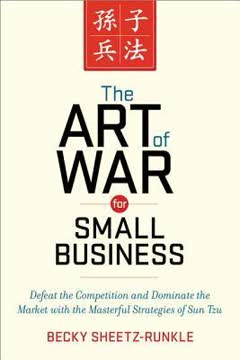
重要ポイント
1. 自分と敵を知る
敵を知り己を知れば、百戦危うからず。
自己認識は重要です。 小規模ビジネスは、自分たちの強み、弱み、そして独自の価値提案を徹底的に理解する必要があります。この自己認識が、効果的な戦略と意思決定の基盤となります。
競争相手を知る。 市場調査を徹底的に行い、競合他社の強み、弱み、戦略を特定します。この情報により、以下のことが可能になります:
- 競合の弱点を突く
- 競合の動きを予測する
- 自社の提供物を差別化する
自分と敵を理解することで、情報に基づいた意思決定が可能になり、リソースを効果的に配分し、市場での成功を目指すことができます。
2. 小規模ビジネスの利点を活用する
数の弱さは攻撃に備える必要から生じ、数の強さは敵に備えさせることから生じる。
機動力はあなたの強みです。 小規模ビジネスは、大手競合他社に対して以下のような固有の利点を持っています:
- 迅速に適応する柔軟性
- 迅速な意思決定能力
- 顧客との個人的なつながり
- ニッチ市場への集中
規模を強みに変える。 これらの利点を活用することで:
- 市場の変化に迅速に対応する
- 卓越した、個別対応の顧客サービスを提供する
- 大手競合ができない革新を行う
- 未開拓の市場セグメントに焦点を当てる
これらの強みを最大限に活用することで、小規模ビジネスは大手競合を出し抜き、利益を生む市場ポジションを確立することができます。
3. 強力な同盟と顧客関係を築く
隣人の意図を知らずして同盟を結ぶことはできない。
パートナーシップは力を増幅させる。 戦略的な同盟は、小規模ビジネスがその実力以上の力を発揮するのに役立ちます。自分の強みを補完し、価値観を共有するパートナーを慎重に選びましょう。
顧客の忠誠心は王道です。 顧客との深く、意味のある関係を築く:
- 顧客のニーズを深く理解する
- 卓越した価値とサービスを提供する
- ブランドの周りにコミュニティを作る
強力な同盟と顧客関係は以下を提供します:
- 新しい市場とリソースへのアクセス
- 信頼性とリーチの向上
- 成長のための安定した基盤
- 競争の脅威に対する保護
これらのつながりを育むことで、小規模ビジネスは成功と持続可能性を支える強力なエコシステムを作り出すことができます。
4. 戦略的ポジショニングに集中する
戦う場所を知られなければ、敵は複数の地点で攻撃に備えなければならない。
戦いを賢く選ぶ。 戦略的ポジショニングは、適切な市場、製品、競争アプローチを選択することです。業界の巨人と正面から競争するのではなく、支配できる分野に焦点を当てましょう。
差別化か死か。 あなたを際立たせる独自の価値提案を作成する:
- 未開拓の市場ニッチを特定する
- 革新的な製品やサービスを開発する
- 優れた品質や顧客体験を提供する
効果的なポジショニングの重要な要素:
- ターゲット顧客の明確な理解
- 魅力的なブランドストーリーとメッセージ
- 独自の価値を一貫して提供する
どこでどのように競争するかを慎重に選ぶことで、小規模ビジネスは防御可能な市場ポジションを作り、持続可能な成長を達成することができます。
5. 継続的に適応し、革新する
水は流れる地形に従ってその道を形作り、兵士は対峙する敵に応じて勝利を収める。
変化を機会として受け入れる。 ビジネス環境は常に進化しています。成功する小規模ビジネスは以下のことを厭わない:
- 必要に応じて方向転換する
- 新しいアイデアを試す
- 失敗から学ぶ
革新は生存の鍵。 継続的な改善と創造性の文化を育む:
- 従業員の意見やアイデアを奨励する
- 新興のトレンドや技術に敏感である
- ビジネスモデルを定期的に再評価し、洗練する
成功した適応の例:
- DVDレンタルからストリーミングに移行したNetflix
- 卓越したサービスでオンライン靴販売を革命化したZappos
- 成熟市場で新しいヨーグルトカテゴリーを創出したChobani
柔軟性と革新性を保つことで、小規模ビジネスは大手の遅い競合を凌駕し、先を行くことができます。
6. 団結を維持し、チームを鼓舞する
賢い戦士は結合したエネルギーの効果を重視し、個々の力に過度に依存しない。したがって、適切な人材を見極め、結合したエネルギーを活用する能力がある。
団結は力です。 共有されたビジョンに基づいて団結したチームは強力な力を発揮します。団結を促進するために:
- ミッションと価値観を明確に伝える
- 協力とオープンなコミュニケーションを奨励する
- チームの成果を認識し、報酬を与える
偉大さを鼓舞する。 小規模ビジネスのリーダーシップは、従業員の最高のパフォーマンスを引き出すことです:
- 模範を示す
- 成長と発展の機会を提供する
- ポジティブでサポート的な職場環境を作る
団結し、鼓舞されたチームの利点:
- 生産性と革新性の向上
- 従業員の定着率と満足度の向上
- 顧客サービスとビジネス成果の改善
強力で団結した文化を作り出すことで、小規模ビジネスはその実力以上の成果を達成することができます。
7. 精密さとタイミングで実行する
エネルギーはクロスボウの引き絞りに、決断は引き金の引きに例えられる。
タイミングがすべてです。 成功は、適切なタイミングで適切な動きを実行する能力にかかっています。以下の能力を養う:
- 市場機会を認識する
- 適切なタイミングで決断を下す
- 早すぎるまたは遅すぎる行動を避ける
精密な実行。 戦略の完璧な実行が重要です:
- 明確な目標と指標を設定する
- 詳細な行動計画を立てる
- 進捗を監視し、必要に応じて調整する
効果的な実行の重要な要素:
- 強力なプロジェクト管理スキル
- 明確な役割と責任
- 定期的なコミュニケーションとフィードバックループ
精密な実行と完璧なタイミングを組み合わせることで、小規模ビジネスは限られたリソースの影響を最大化し、優れた成果を達成することができます。
8. 騙しと情報の技術をマスターする
すべての戦争は騙しに基づく。
情報は力です。 競合他社や市場のトレンドに先んじるために、強力な情報収集能力を開発します。情報源には以下が含まれます:
- 顧客のフィードバックとインタラクション
- 業界イベントや出版物
- ソーシャルメディアやオンラインフォーラム
- 競合分析
戦略的な騙し。 倫理的な基準を維持しながら、競争優位を得るために騙しを利用します:
- 計画や意図を隠す
- 能力や意図について不確実性を作り出す
- 競合を混乱させるためにミスディレクションを使用する
倫理的な騙しの活用方法:
- 情報の選択的な共有
- 強さや弱さの外観を作り出す
- 戦略において驚きや予測不可能性を利用する
情報と戦略的な騙しの技術をマスターすることで、小規模ビジネスは大手競合に対抗し、成功の機会を創出することができます。
レビューまとめ
読者は『小さなビジネスのための孫子の兵法』を評価する際に賛否両論がある。一部の読者は、孫子の原則をビジネスに応用した点を称賛し、有用な戦略や事例研究を強調している。他の読者は、内容が繰り返しであったり、深みが欠けていると批判している。肯定的なレビューでは、小規模ビジネスのオーナーにとっての関連性、明確な説明、そして時代を超えた教訓が評価されている。一方で、批判的な意見には浅薄な洞察や過剰な冗長性が含まれている。全体として、この本はそのコンセプトに対しては中程度の評価を受けているが、実行面では賛否が分かれている。多くの人は、より完全な文脈を得るために原典の『孫子の兵法』を読むことを勧めている。
他の人が読んだ本




 イマーシブ
イマーシブ

よくある質問
1. What is "The Art of War for Small Business" by Becky Sheetz-Runkle about?
- Modern Application of Sun Tzu: The book adapts Sun Tzu’s ancient military strategies from "The Art of War" specifically for small business owners and entrepreneurs.
- Competing Against Larger Rivals: It focuses on how small businesses can outmaneuver, outthink, and outperform larger, better-funded competitors using strategic thinking.
- Practical Business Examples: The author provides real-world case studies and examples of small businesses applying Sun Tzu’s principles to achieve market dominance.
- Comprehensive Guide: The book is structured to guide readers from foundational concepts to advanced strategies, making Sun Tzu’s wisdom actionable for today’s business challenges.
2. Why should I read "The Art of War for Small Business" by Becky Sheetz-Runkle?
- Tailored for Small Business: Unlike generic business books, it directly addresses the unique challenges and advantages of small businesses.
- Actionable Strategies: The book translates ancient military tactics into practical business moves, offering step-by-step guidance.
- Learn from Success Stories: It features case studies of companies like Five Guys, Chobani, Zappos, and PayPal, showing how they used Sun Tzu’s methods to grow.
- Gain a Competitive Edge: Readers learn how to leverage agility, innovation, and alliances to outperform larger competitors.
3. What are the key takeaways from "The Art of War for Small Business"?
- Know Yourself and the Enemy: Deep self-awareness and competitor analysis are essential for success.
- Leverage Small Business Advantages: Agility, innovation, niche focus, and alliance-building are powerful tools against bigger rivals.
- Strategy Over Tactics: Long-term planning and adaptability trump short-term, reactive moves.
- Win Without Fighting: The best victories come from outmaneuvering competitors, not direct confrontation.
- Adapt and Persevere: Flexibility, resilience, and the ability to turn disadvantages into advantages are critical for survival and growth.
4. How does Becky Sheetz-Runkle adapt Sun Tzu’s "The Art of War" for small business strategy?
- Direct Translation to Business: She interprets Sun Tzu’s five constant factors (Moral Law, Heaven, Earth, Commander, Method/Discipline) for business contexts.
- Focus on Underdogs: The book emphasizes how smaller forces can defeat larger ones by exploiting weaknesses and avoiding strengths.
- Modern Case Studies: She illustrates each principle with contemporary business examples, making the ancient text relevant and practical.
- Emphasis on Alliances and Innovation: The adaptation highlights the importance of partnerships, customer intimacy, and creative problem-solving.
5. What are the main advantages and disadvantages of small businesses according to "The Art of War for Small Business"?
- Key Advantages: Agility, speed, flexibility, innovation, niche exploitation, close customer relationships, and unity of purpose.
- Common Disadvantages: Limited resources, less cash flow, lack of structure, less experienced leadership, and vulnerability to being outmuscled by larger competitors.
- Double-Edged Traits: Some characteristics, like risk-taking and lack of hierarchy, can be both strengths and weaknesses depending on context.
- Strategic Implications: Recognizing and leveraging advantages while mitigating disadvantages is central to Sun Tzu’s approach for small businesses.
6. How does "The Art of War for Small Business" recommend understanding yourself, your enemy, and your market?
- Brutal Self-Honesty: Leaders must confront false assumptions and validate their business models with real-world data.
- Deep Competitor Analysis: Know your competitors’ strengths, weaknesses, and likely moves to find exploitable openings.
- Market Awareness: Understand the terrain—customer needs, market trends, and timing—to position your business advantageously.
- Continuous Learning: Regularly reassess your own capabilities, the competition, and the market to stay ahead.
7. What are Sun Tzu’s five constant factors and how do they apply to small business in this book?
- Moral Law (The Way): Cultivate unity of purpose and strong company culture to inspire loyalty and commitment.
- Heaven (Timing): Recognize and act on the right timing for moves, considering market cycles and external conditions.
- Earth (Terrain): Assess the business landscape, including opportunities, threats, and the competitive environment.
- The Commander: Embody leadership virtues—wisdom, sincerity, benevolence, courage, and strictness—to guide your team.
- Method and Discipline: Implement clear structures, processes, and disciplined execution to maximize efficiency and effectiveness.
8. What leadership qualities does Becky Sheetz-Runkle highlight from Sun Tzu for small business owners?
- Wisdom: Make informed, strategic decisions and maximize limited resources.
- Sincerity: Be consistent, keep your word, and unite your team around a clear cause.
- Benevolence: Treat employees, partners, and even former competitors with respect and fairness.
- Courage: Take calculated risks, act decisively, and maintain focus on objectives.
- Strictness: Enforce discipline, maintain hierarchy, and avoid the five dangerous faults (recklessness, cowardice, hasty temper, excessive honor, over-solicitude for employees).
9. How does "The Art of War for Small Business" advise on building alliances and leveraging relationships?
- Strategic Partnerships: Form alliances with vendors, customers, and even competitors to close resource gaps and expand reach.
- Due Diligence: Carefully vet partners to ensure alignment of interests and avoid conflicts.
- Community Building: Engage customers and employees to create a loyal, passionate base that supports growth.
- Turning Rivals into Allies: Treat acquired competitors’ employees well and consider friendly takeovers to expand your business.
10. What does "The Art of War for Small Business" say about focus, unity, and execution?
- Single-Minded Focus: Concentrate resources on core strengths and profitable opportunities; avoid being all things to all people.
- Unity of Purpose: Foster a shared mission and culture to align and energize your team.
- Consolidate Gains: After victories, fully leverage achievements and avoid wasting resources on unfocused activities.
- Flawless Execution: Success depends on consistent, disciplined follow-through and learning from both wins and losses.
11. How does the book address adaptation, innovation, and dealing with change?
- Embrace Flexibility: Be willing to pivot strategies and tactics as circumstances change.
- Water Metaphor: Like water, adapt your approach to the terrain and flow around obstacles.
- Continuous Improvement: Regularly innovate and make incremental improvements to stay ahead of competitors.
- Disruptive Thinking: Look for opportunities to serve unmet needs or disrupt established markets, as seen in examples like PayPal and Netflix.
12. What are the best quotes from "The Art of War for Small Business" and what do they mean?
- "If you know the enemy and know yourself, you need not fear the result of a hundred battles." — Emphasizes the importance of self-awareness and competitor analysis.
- "In war, the way is to avoid what is strong and to strike at what is weak." — Advises small businesses to exploit competitors’ vulnerabilities rather than confront their strengths.
- "Standing on the defensive indicates insufficient strength; attacking, a superabundance of strength." — Encourages proactive, growth-oriented strategies over mere survival.
- "Win first." — Advocates for thorough preparation and confidence before engaging in competitive battles.
- "Be flexible and decide your line of action according to the situation on the enemy side." — Stresses the need for adaptability and responsiveness to changing conditions.








































