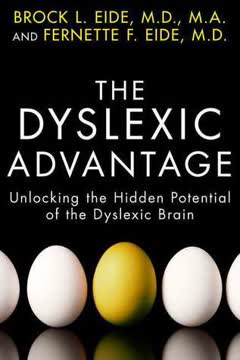
重要ポイント
1. 失読症は障害ではなく、独自の強みを持つ異なる脳の構造である
失読症は単なる読みの障害ではなく、脳の情報処理や組織のパターンが異なることを示しており、それが強みと課題の両方を生み出している。
失読症の再定義:この見方は、失読症を欠陥として捉えるのではなく、利点とトレードオフを伴う異なる認知スタイルとして認識することに焦点を移す。失読症の脳は全体像を捉えるホリスティックな処理に優れる一方で、細部の処理には困難を抱える。
神経学的基盤:研究によれば、失読症の脳には以下のような構造的な違いがあることが示されている。
- 皮質のミニコラムがより広く配置されている
- 右脳半球の処理により依存している
- 音韻処理や手続き学習システムに差異がある
これらの違いは失読症に伴う課題と強みの両方に寄与しており、失読症の人々をよりバランスよく包括的に理解する必要性を強調している。
2. MINDの強み:物質的、相互連結的、物語的、動的推論
複雑で変動的なシステムをうまく考えるために必要な推論能力を、動的推論、すなわちMINDのD強みと呼んでいる。
MINDフレームワーク:この頭字語は、失読症の人々にしばしば見られる4つの認知的強みの領域を表している。
- 物質的推論:3次元空間認識や機械的適性
- 相互連結的推論:関係性の発見と全体像の把握
- 物語的推論:エピソード記憶と物語構築能力
- 動的推論:不確実な状況での予測と問題解決
これらの強みはそれぞれ独自の情報処理や世界との関わり方を示している。これらを認識し育むことで、失読症の人々は個人や職業のさまざまな場面で認知的優位性を活かすことができる。
3. 物質的推論:3次元空間認識と機械的適性
M強みは、物理的・物質的世界、すなわち物体の形状、大きさ、動き、位置、空間内の向きやそれらの相互作用について推論する能力である。
実世界での応用:物質的推論の能力は以下の分野で特に価値が高い。
- 工学
- 建築
- デザイン
- 機械工学
- 外科手術
- コンピューターグラフィックスやネットワーキング
物質的推論に優れた失読症の人々は、3Dオブジェクトを頭の中で操作し、複雑なシステムを理解し、空間的問題を解決することに長けている。これらの能力は多様な産業で革新的な解決策や創造的なデザインを生み出す。
4. 相互連結的推論:関係性の発見と全体像の把握
I強みは、異なる対象や概念、視点の間のつながりを見抜く卓越した能力を生み出す。
認知的利点:相互連結的推論により、失読症の人々は以下を可能にする。
- 一見無関係に見えるアイデア間の関係性を認識する
- 複雑なシステムとその相互作用を理解する
- 多角的な視点から問題に取り組む
- 状況の本質や要点を素早く把握する
これらのスキルは、革新的思考や問題解決、多様な情報源からの統合が求められる分野で特に重要である。多くの成功した起業家や科学者、クリエイティブな専門家が、自身の成功を相互連結的推論能力に帰している。
5. 物語的推論:エピソード記憶と物語構築能力
N強みは、過去の個人的経験の断片(すなわちエピソード記憶)から連続した「心の場面」を構築し、それを用いて過去を思い出し、現在を説明し、未来や想像上のシナリオをシミュレートし、重要な概念を把握・検証する能力である。
エピソード記憶の優位性:多くの失読症の人々は以下に優れている。
- 個人的経験を鮮明に思い出す
- 過去・現在・未来のシナリオを心の中でシミュレートする
- 物語を理解し構築する
- 複雑なアイデアを物語を通じて伝える
これらの能力は、執筆、マーケティング、営業、カウンセリング、リーダーシップなど、説得力のある物語を作り他者の経験に共感することが重要な分野で特に価値がある。
6. 動的推論:不確実な状況での予測と問題解決
D強みは、エピソードシミュレーションを用いて過去や未来の状態を正確に予測する能力を生み出す。D強みは、構成要素が変動的で不完全または曖昧な過去や未来の状態を考える際に特に価値があり、正確な答えが得られない状況で実用的かつ「最適適合」的な予測や作業仮説を立てることを可能にする。
複雑な環境での適応力:動的推論により、失読症の人々は以下を実現する。
- 急速に変化する曖昧な状況で成功する
- 限られた情報から正確な予測を立てる
- 不確実な環境で創造的に問題を解決する
- 新しい状況に迅速に適応する
これらの能力は、ビジネス、金融、科学研究、技術分野など、不確実性を乗り越え不完全な情報に基づいて意思決定を行うことが求められる領域で特に重要である。
7. 失読症の人々のための読み書き戦略
読みの指導と同様に、書くことに困難を抱える学生に対する技術的支援の利用については教育者の間で意見が分かれる。すべての学校課題は手書きでなければならないと考える者もいれば、特定の学生にはキーボード入力を許可しつつ、口述筆記や口頭試験などの他の支援は認めない者もいる。
効果的な戦略:
- 読み指導では解読力、流暢さ、理解力に焦点を当てる
- 多感覚的でオートン・ギリングハム法に基づく音韻指導を活用する
- テキスト読み上げや音声入力ソフトなど支援技術を利用する
- 手書きの困難を軽減するためキーボード入力やワードプロセッサの使用を奨励する
- 文や段落の構成に関する明示的な戦略を教える
- 追加時間や代替評価方法などの配慮を提供する
リメディエーション(技能向上)と配慮のバランスをとり、失読症の人々が情報にアクセスし自分の考えを効果的に表現できるようにしつつ、技能の発展を促すことが重要である。
8. 教育での成功:小学校から大学まで
大学は失読症の学生にとって特別な挑戦をもたらす。
重要な考慮点:
- 早期教育でのポジティブな自己概念とレジリエンスの育成に注力する
- 個々の強みや興味を特定し育む
- メタ認知戦略や自己擁護スキルを教える
- 適切な支援と柔軟性を提供する教育環境を選ぶ
- 強みや興味に合った大学のコースや専攻を慎重に選択する
- 高等教育での障害支援サービスや配慮を活用する
失読症の人々が教育で成功するには、自己の学習スタイルやニーズを深く理解し、挑戦と支援の適切なバランスを見つけることが不可欠である。
9. 職場での成功:適切な環境を見つけ自己主張する
失読症の人々にとって、職場で活躍する機会はかつてないほど増えている。
職場成功のための戦略:
- MINDの強みや興味に合った仕事を探す
- 方法より結果を重視する柔軟な職場環境を求める
- 自分のニーズや能力を伝える強い自己擁護力を身につける
- パートナーシップを築き、強みを活かせるリーダーシップ役割を検討する
- 生産性向上のため支援技術を活用する
- 理想的な職場環境を自ら創出する起業も選択肢とする
多くの失読症の人々は、自身の独自の強みを活かしつつ課題に配慮した職場環境を作り出すか、そうした環境を求めることで成功を収めている。
10. 失読症の人々のための支援コミュニティとメンターシップの構築
失読症の人と出会うことは、新しい土地で同じ国から来た移民同士が出会うようなものである。お互いに重要なことを瞬時に理解し合える、その共通体験は非常に強力だ。
コミュニティの支援:他の失読症の人々とつながることで以下が得られる。
- 感情的な支えと孤立感の軽減
- 課題克服のための共有戦略
- 成功した失読症専門家からのメンターシップ機会
- 自己受容と自信の向上
Headstrong Nationのような組織やオンラインコミュニティは、これらのつながりを促進する重要な役割を果たす。公式・非公式のメンターシッププログラムは、教育やキャリアの道を歩む失読症の人々に貴重な指導と支援を提供する。
レビューまとめ
『The Dyslexic Advantage』は、圧倒的に好意的な評価を受けている。本書は、ディスレクシアを障害ではなく異なる思考様式として捉える洞察に満ちたアプローチが高く評価されている。多くの読者は、本書を通じて自らの強みを認識し、課題をより深く理解することができたと感じており、自己肯定感を高める助けとなっている。特に、ディスレクシア特有の思考の利点に焦点を当てた点は、ディスレクシアの当事者やその子どもを持つ親たちに強く共感を呼んでいる。一方で、一部の批評家は内容に繰り返しや冗長さを感じる部分があると指摘しているものの、多くはディスレクシアに関わるすべての人にとって必読の書と評価している。
他の人が読んだ本





よくある質問
What's The Dyslexic Advantage about?
- Focus on strengths: The book emphasizes the unique cognitive strengths of individuals with dyslexia, presenting it as a different way of processing information that can lead to exceptional abilities.
- MIND strengths framework: Introduces the MIND framework, categorizing dyslexic strengths into Material, Interconnected, Narrative, and Dynamic reasoning.
- Personal stories: Includes anecdotes and case studies of successful dyslexic individuals, illustrating how their unique processing styles have contributed to their achievements.
Why should I read The Dyslexic Advantage?
- Empowering perspective: Offers a refreshing viewpoint that highlights the potential advantages of dyslexia, encouraging readers to recognize and nurture these strengths.
- Practical insights: Provides strategies for leveraging dyslexic strengths in educational and professional settings, beneficial for educators, parents, and dyslexic individuals.
- Broad applicability: Relevant to anyone interested in understanding diverse cognitive processing styles and how they can be harnessed for success.
What are the key takeaways of The Dyslexic Advantage?
- Dual nature of dyslexia: Dyslexia involves both challenges and strengths, with neurological differences leading to reading difficulties and exceptional abilities.
- MIND strengths: Outlines four primary strengths: Material, Interconnected, Narrative, and Dynamic reasoning, linked to specific cognitive features and real-world applications.
- Importance of perspective: Shifting the narrative from disability to potential can lead to better support and understanding for dyslexic individuals.
What is the MIND strengths framework in The Dyslexic Advantage?
- Material reasoning (M): Involves spatial reasoning and manipulating physical objects in three-dimensional space, excelling in fields like engineering and design.
- Interconnected reasoning (I): Ability to see relationships between concepts, enhancing creativity and problem-solving across disciplines.
- Narrative reasoning (N): Tied to episodic memory and storytelling, beneficial in writing, teaching, and public speaking.
- Dynamic reasoning (D): Involves predicting system changes and understanding complex processes, valuable in forecasting and adaptability.
How does The Dyslexic Advantage redefine dyslexia?
- From disorder to advantage: Argues dyslexia should be viewed as a different cognitive processing style leading to unique strengths.
- Focus on abilities: Emphasizes recognizing and nurturing abilities accompanying dyslexia, rather than just addressing challenges.
- Neuroscience perspective: Uses neuroscience to explain how brain structure and function in dyslexic individuals lead to both challenges and advantages.
What are the advantages of I-strengths in The Dyslexic Advantage?
- Detecting relationships: Excel at spotting connections between ideas, enhancing creativity and interdisciplinary thinking.
- Shifting perspectives: Easily shift between viewpoints, leading to comprehensive solutions and insights.
- Global thinking: Create a big-picture view by integrating information, valuable in science, business, and the arts.
What are the trade-offs associated with M-strengths in The Dyslexic Advantage?
- Symbol reversals: May struggle with symbol reversals in reading or writing, leading to literacy challenges.
- Language output challenges: Difficulty expressing ideas verbally or in writing, often relying on narrative approaches.
- Procedural learning difficulties: Challenges in procedural learning, affecting performance in tasks requiring memorization or strict procedures.
How do N-strengths manifest in individuals with dyslexia according to The Dyslexic Advantage?
- Episodic memory: Allows recalling personal experiences to inform understanding, enhancing creativity and problem-solving.
- Storytelling ability: Excel in storytelling, using narrative skills to convey complex ideas and emotions.
- Contextual understanding: Grasp context and significance of information, aiding comprehension and retention.
What are some practical strategies for supporting dyslexic individuals from The Dyslexic Advantage?
- Use of technology: Tools like spell-checkers and text-to-speech software help overcome reading and writing challenges.
- Narrative-based learning: Incorporating storytelling and real-life examples into lessons aligns with narrative reasoning strengths.
- Flexible teaching methods: Diverse strategies and accommodations, like extra time on tests, support dyslexic learners.
What are the advantages of D-strengths as discussed in The Dyslexic Advantage?
- Dynamic problem solving: Navigate complex, changing situations effectively, valuable in fast-paced environments.
- Creative thinking: Excel in generating innovative solutions, approaching problems from different angles.
- Insight-based processing: Involves insight-based reasoning, leading to realizations and connections others may overlook.
How does The Dyslexic Advantage suggest supporting dyslexic students?
- Tailored educational approaches: Advocates for personalized learning strategies, using multi-sensory methods and classroom accommodations.
- Encouragement of strengths: Recognizing and nurturing strengths builds confidence and motivation.
- Building a supportive environment: Emphasizes a network of understanding teachers, parents, and peers for dyslexic students' success.
What role does technology play in The Dyslexic Advantage?
- Assistive technologies: Tools like text-to-speech software and spell-check features enhance productivity in reading and writing.
- Organizational tools: Aid in organization and time management, helping track tasks and deadlines.
- Access to information: Technology improves access to information, empowering dyslexic individuals to pursue interests and academic goals.








































