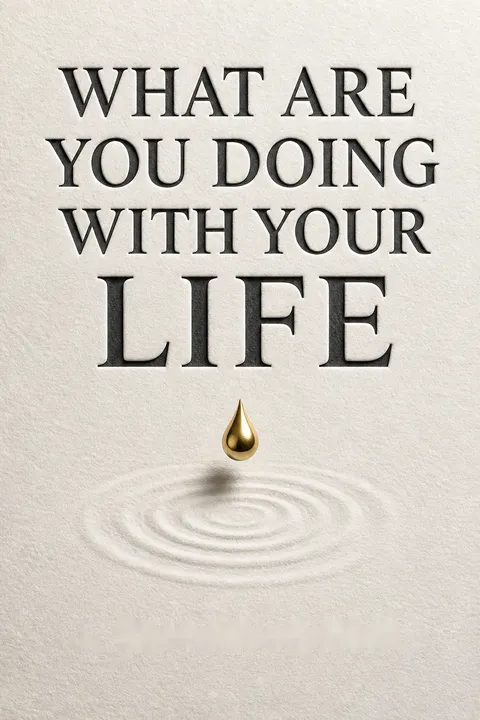

重要ポイント
1. 自己認識は自由と変容の基盤である
「自分自身を理解しなければ、単なる忙しさは挫折を招き、さまざまな悪戯な行動による逃避を避けられない。」
自己認識は極めて重要である。 それは真の自由と個人的変容の土台を成す。この理解は表面的な自己分析や知的理解を超え、以下を含む。
- 自分の思考、感情、反応への深い気づき
- 条件付けられたパターンや信念の認識
- 判断や変えようとする試みなしに自己を観察すること
変容は自然に生じる。 自らの本質を洞察するにつれて、葛藤や恐怖、欲望の根本原因が見えてくる。この気づき自体が変容をもたらし、
- 心理的障壁の解消
- 習慣的な思考や行動パターンからの自由
- より本物で調和のとれた生き方
へと導く。
2. 関係性は自己発見の鏡である
「関係性こそが自己を発見する鏡である。関係なければ存在しない。存在するとは関係することであり、関係することが存在である。」
関係性は真の自己を映し出す。 親密なパートナーや家族、友人、同僚との交流は、内面の状態を絶えず映し出す。そこには、
- コミュニケーションや葛藤のパターン
- 隠れた恐怖、欲望、期待
- 愛と理解の能力の範囲
が示される。
関係を通じた自己発見。 関係における自分の反応や行動に注意深く向き合うことで、深い自己洞察が得られる。この過程は、
- 判断や防衛なしに観察すること
- 自分の問題を他者に投影していることを認識すること
- 葛藤を成長と理解の機会として活用すること
を含む。
3. 恐怖は思考から生じ、気づきによって解消される
「完全かつ全的な注意を向けると、観察者は存在しない。恐怖を生むのは観察者であり、観察者は思考の中心であり、『私』、『自己』、『エゴ』であり、検閲者である。」
恐怖の本質。 恐怖は本質的な存在の一部ではなく、思考と「自己」という分離した心理的プロセスの産物である。恐怖は、
- 未来の痛みや喪失の予期
- 考えや所有物、関係への執着
- 安全と継続性への欲求
から生じる。
気づきによる恐怖の解消。 現在の瞬間と恐怖の実際の体験に全的な注意を向けることで、その力を解きほぐすことができる。これには、
- 恐怖を逃げたり抑えたりせずに観察すること
- 恐怖を生み出す思考パターンを認識すること
- 観察者(恐怖の源)が溶ける無選択の気づきの状態を育むこと
が含まれる。
4. 愛は所有でも執着でも依存でもない
「愛は安全ではない。愛とは安全でありたいという欲求がない状態であり、脆弱性の状態であり、排他性、敵意、憎しみが不可能な唯一の状態である。」
真の愛の理解。 本物の愛は所有、執着、依存の制約から自由であり、
- 開かれた脆弱性
- 恐怖や嫉妬の不在
- 成長と変化の自由
を特徴とする。
愛に関する誤解。 多くは愛を以下と混同している。
- 感情的依存
- 所有欲や支配
- 安全と継続性の必要性
本物の愛を育むために。 真の愛を体験するには、
- 期待や要求を手放すこと
- 自己認識と感情的成熟を育てること
- 不確実性と無常を受け入れること
が必要である。
5. 真の教育は単なる知識ではなく知性を育てる
「無知な者とは学ばない者ではなく、自分自身を知らない者であり、学んだ者は書物や知識、権威に頼って理解を得ようとすると愚かになる。」
教育の再定義。 真の教育は情報や技能の蓄積を超え、
- 批判的思考と自己認識を育む
- 創造性と感情知能を促進する
- 問いかけと独立した思考を奨励する
ことを目指す。
従来の教育の限界。 現行のシステムはしばしば、
- 暗記と画一性を重視し
- 人間全体の発達を軽視し
- 根本的な人生の問いに応えられていない
。
全人的な学びのアプローチ。 より意味ある教育は、
- 自己発見と自己理解を促し
- 学びと探求への愛を育み
- 独創的かつ創造的に考える能力を伸ばす
ことを含む。
6. 瞑想は技術ではなく無選択の気づきの状態である
「瞑想は定型の実践や特定の言葉の反復ではなく、それらは愚かで未熟な行為である。意識的・無意識的な心の全過程を知らなければ、どんな瞑想も妨げや逃避、子供じみた活動に過ぎない。」
瞑想の真の本質。 本物の瞑想は技術や儀式ではなく、
- 思考、感情、感覚への無選択の気づき
- 判断や経験の制御を試みないこと
- 心の過程への深い理解
を特徴とする。
瞑想に関する誤解。 多くは瞑想を、
- 集中練習
- イメージ誘導や視覚化
- マントラやアファメーションの反復
と誤解している。
真の瞑想を育むために。 本当の瞑想を体験するには、
- 心を妨げずに観察し
- 目標や期待を手放し
- 現在の瞬間への非判断的な気づきを育てる
ことが必要である。
7. 死は生命から分離したものではなく、その全体性の一部である
「死は不死に至らせるものではない。不死は死なない生命の中にのみある。私たちは生命に執着することで死を知る。」
死の理解の再構築。 死は恐れるべき敵でも征服すべき対象でもなく、生命の全体性に不可欠な一部である。この視点は、
- すべてのものの無常を認識し
- 自己とその継続性への執着を手放し
- 未知と不確実性を受け入れる
ことを含む。
死への恐怖。 死の恐怖はしばしば、
- 知っているものや慣れ親しんだものへの執着
- 無存在を想像できない心の限界
- 文化的・宗教的条件付け
に由来する。
死を前にして充実した生を生きる。 死の現実を受け入れることで、
- 一瞬一瞬の尊さを味わい
- より本物で目的ある生き方をし
- 深い自由と生の実感を得る
ことが可能になる。
8. 欲望と快楽は愛ではなく、しばしば混同される
「欲望は愛ではない。欲望は快楽に至り、欲望は快楽である。欲望を否定するわけではない。欲望なしに生きることは不可能であり、愚かである。」
愛と欲望の区別。 欲望と快楽は人間の自然な側面であるが、しばしば愛と混同される。真の愛は、
- 利他的で他者の幸福を願うこと
- 所有欲や要求の不在
- それ自体で満たされている感覚
を特徴とする。
欲望と快楽の性質。 欲望と快楽は、
- 一時的で儚い
- 欠乏感や不完全さに駆動されることが多い
- 過度に追求すると依存や苦しみをもたらす可能性がある
。
愛、欲望、快楽の統合。 バランスのとれたアプローチは、
- 愛と欲望の違いを認識し
- 快楽を楽しみつつ依存しない
- 無条件で期待のない愛を育む
ことを含む。
9. 真の革命は個人の変容から始まる
「世界の変革は自己の変革によってもたらされる。自己は人間存在の全過程の産物であり一部であるからだ。」
変革の基盤としての個人の変容。 真の革命は外部の制度やイデオロギーではなく、個人の内側から始まる。これには、
- 自己認識と理解の深化
- 条件付けられたパターンへの挑戦と変容
- 最も深い価値観と洞察に沿った生き方
が含まれる。
外部変革の限界。 個人の意識に触れずに社会を変えようとすると、
- 古いパターンが新たな形で持続し
- 対立や抵抗が生じ
- 根本原因に触れない表面的な変化に終わる
ことが多い。
個人変容の波及効果。 個人が変わると、
- 関係性や交流が自然に進化し
- 集団的変化の新たな可能性が生まれ
- より調和的で思いやりある社会が実現する
。
10. 現在の瞬間こそが生命の理解の鍵である
「生命とは積み重ねられた経験ではなく、瞬間瞬間に耳を傾け理解するものである。」
現在瞬間への気づきの重要性。 生命の真の理解は蓄積された知識や記憶ではなく、直接的な現在の体験を通じて得られる。これには、
- 今起きていることに全的な注意を向けること
- 先入観や過去の経験を手放すこと
- 新たな洞察や視点に開かれること
が含まれる。
過去や未来に生きることの限界。 過去や未来の思考にとらわれると、
- 現在の豊かさを見逃し
- 古いパターンや信念に基づいて反応し
- 不必要な不安や葛藤を生み出す
。
現在に生きるための実践。 より充実して生きるために、
- 日常の活動でマインドフルネスを育て
- 思考や感情を判断せずに観察し
- 今の体験に完全に関わること
が求められる。
レビューまとめ
J. クリシュナムルティ著『あなたの人生をどう生きるか』は賛否両論の評価を受けた。本書は自己認識や意識的な生き方に関する洞察が深く、多くの読者にとって人生を変えるきっかけとなった。特に、個人の責任と内面の変容を重視する点が高く評価された。一方で、抽象的で反復的な文体が理解しづらいと感じる批評家も存在した。哲学的なアプローチは一部の読者には共感を呼んだが、実践的な解決策を求める人には物足りなさを感じさせた。総じて、本書は読者に自己の生き方や視点を見つめ直すことを促す、思考を刺激する作品と位置づけられている。
他の人が読んだ本



よくある質問
What's "What Are You Doing With Your Life?" about?
- Exploration of Life's Purpose: The book delves into fundamental questions about the purpose and significance of life, encouraging readers to explore what they truly want from life.
- Self-Understanding: It emphasizes the importance of self-knowledge as a key to freedom, suggesting that understanding oneself is crucial to resolving life's complex problems.
- Philosophical Guidance: Krishnamurti offers philosophical insights on various aspects of life, including relationships, education, work, and the nature of the self.
- No Prescribed Path: The book argues against following any set path or authority, advocating for personal responsibility in how one lives their life.
Why should I read "What Are You Doing With Your Life?" by J. Krishnamurti?
- Inspiring Wisdom: Krishnamurti is regarded as one of the great philosophical teachers, offering profound insights into life's hurdles.
- Self-Discovery: The book encourages readers to embark on a journey of self-discovery, which can lead to personal growth and transformation.
- Practical Philosophy: It provides practical philosophical guidance that can be applied to everyday life, helping readers navigate relationships, work, and personal challenges.
- Unique Perspective: Krishnamurti's rejection of traditional authority and emphasis on individual responsibility offers a refreshing perspective on living a meaningful life.
What are the key takeaways of "What Are You Doing With Your Life?"?
- Self-Knowledge is Key: Understanding oneself is essential for freedom and resolving life's problems.
- Reject Authority: True change comes from within, not from following external authorities or gurus.
- Life is Relationship: Our relationships with others and the world define our existence and should be approached with awareness and understanding.
- Embrace Change: Personal transformation is necessary for a meaningful life, and it begins with self-awareness and understanding.
How does J. Krishnamurti define the self in "What Are You Doing With Your Life?"?
- Complex Problem: The self is described as a complex problem that must be understood to resolve life's challenges.
- Product of Thought: Krishnamurti suggests that the self is a product of thought, memory, and conditioning.
- Source of Conflict: The self is seen as the root of conflict and suffering, and understanding it is crucial for personal freedom.
- Beyond Improvement: The book argues for self-ending rather than self-improvement as a means to end suffering.
What is the role of education according to "What Are You Doing With Your Life?"?
- Beyond Technique: Education should go beyond mere technical knowledge and focus on understanding the total process of life.
- Self-Awareness: It should awaken the capacity for self-awareness and not just indulge in self-expression.
- Integrated Comprehension: True education involves an integrated comprehension of life, enabling individuals to meet its complexities.
- Freedom and Intelligence: Education should foster individual freedom and intelligence, allowing for true cooperation with society.
How does "What Are You Doing With Your Life?" address relationships?
- Mirror of Self: Relationships are seen as a mirror in which one discovers oneself, highlighting the importance of self-awareness.
- Beyond Possession: True relationship involves love without dependence or possessiveness, which are sources of conflict.
- Societal Extension: Personal relationships are the foundation of society, and understanding them is key to societal harmony.
- Image-Free Interaction: Genuine relationships require interaction without preconceived images or judgments.
What does J. Krishnamurti say about fear in "What Are You Doing With Your Life?"?
- Rooted in Thought: Fear is closely related to thought, particularly thoughts about the future or past.
- Psychological Fear: The book distinguishes between natural physical fear and psychological fear, which is a major problem.
- Freedom from Fear: Understanding and observing fear without judgment can lead to freedom from it.
- Dependency and Fear: Psychological dependency on people or ideas breeds fear, and recognizing this is crucial for overcoming it.
What insights does "What Are You Doing With Your Life?" offer on love and desire?
- Love vs. Desire: Love is not the same as desire, which often leads to pleasure and pain.
- Non-Possessive Love: True love is free from possessiveness and dependency, which are rooted in fear.
- Understanding Desire: The book encourages understanding desire without suppression, as it is a natural part of life.
- Love as Freedom: Love is seen as a state of being that arises when the self is absent, leading to true freedom.
How does "What Are You Doing With Your Life?" approach the concept of change?
- Inner Transformation: True change is an inner transformation that begins with self-awareness and understanding.
- Rejecting Superficial Change: The book argues against superficial changes and emphasizes the need for a fundamental revolution in consciousness.
- Personal Responsibility: Change is a personal responsibility and cannot be achieved through external authorities or systems.
- Ripple Effect: Individual change can have a ripple effect, contributing to broader societal transformation.
What does "What Are You Doing With Your Life?" say about meditation?
- Self-Knowledge: Meditation is seen as a process of self-knowledge, involving awareness of one's thoughts and actions.
- Beyond Techniques: It is not about following techniques or repeating mantras but about understanding the mind's processes.
- Attention and Clarity: Meditation involves paying attention to the whole movement of life, leading to clarity and stillness.
- Living Meditation: The book suggests that meditation is not separate from daily living but is integrated into every moment of life.
What are the best quotes from "What Are You Doing With Your Life?" and what do they mean?
- "What you are, the world is." This quote emphasizes the idea that individual change leads to societal change, as the world is a reflection of our collective selves.
- "The transformation of the world is brought about by the transformation of oneself." It highlights the importance of personal responsibility in creating a better world.
- "Love is never security; love is a state in which there is no desire to be secure." This quote challenges conventional notions of love, suggesting that true love is free from possessiveness and fear.
- "Meditation is self-knowledge and without self-knowledge there is no meditation." It underscores the book's view that meditation is about understanding oneself, not following rituals or techniques.
How does "What Are You Doing With Your Life?" address the purpose of life?
- Living Fully: The book suggests that the significance of life is found in living fully and understanding oneself.
- Beyond Imitation: It argues against living life through imitation or following authority, advocating for personal exploration.
- Freedom and Understanding: The purpose of life is linked to freedom and understanding, which come from self-awareness.
- Rejecting Fixed Goals: The book challenges the idea of fixed life goals, suggesting that true purpose is found in the present moment.
著者について
同じ著者の他の本: J・クリシュナムルティ



PDFをダウンロード
EPUBをダウンロード
.epub digital book format is ideal for reading ebooks on phones, tablets, and e-readers.








































