重要ポイント
1. 内なる気づきを育み、社会を変革する
世界を変えるには、まず自分自身から始めなければならない。そして、自分自身から始める際に重要なのは「意図」である。
自己認識こそが鍵である。クリシュナムルティは、社会変革は個人の変容から始まると強調する。この変容には、自分の思考や感情、そして条件付けられた反応を深く理解することが必要だ。
内面の変化がもたらす影響として、自己認識を育むことで人は以下を実現できる。
- 社会的条件付けからの解放
- 他者への思いやりと共感の育成
- 内的葛藤から自由で明確かつ目的を持った行動
- 調和と公正に満ちた社会への貢献
自己理解のプロセスは継続的であり、常に注意深くあることが求められる。自分の思考や行動を評価せずに観察し、深く根付いた信念を問い直し、変化に対して開かれていることが重要だ。
2. 条件付けと権威から自由になる
既知からの自由は、昨日の死である。
権威に挑戦する。クリシュナムルティは、宗教的、政治的、社会的なあらゆる権威を疑うことを促す。真の理解は、他者を盲目的に追うのではなく、直接的な体験から生まれる。
条件付けを認識する。私たちの心は以下によって形作られている。
- 文化的・社会的影響
- 教育制度
- 宗教的信念
- 家族の伝統
- 個人的経験
条件付けから自由になるためには、
- 思考や反応を評価せずに観察する
- 自分の信念や価値観の源を問い直す
- 新しい視点や考えに開かれる
- 探求心と懐疑心を育む
条件付けられた反応から解放されることで、新鮮さと創造性をもって人生に臨み、真の理解と成長を得ることができる。
3. 恐怖を理解し、それを超越する
恐怖は事実にあるのではなく、過去に基づく未来の投影、すなわち「観念」にある。
恐怖に正面から向き合う。クリシュナムルティは、恐怖は未来や過去に対する思考から生じ、現在の瞬間そのものからは生じないと教える。恐怖の本質を理解することで、それを超えることが可能になる。
恐怖の源は以下の通りだ。
- 未来への不確実性
- 既知への執着
- 安全や快適さへの欲求
- 比較や競争
恐怖を克服するためには、
- 恐怖を逃げたり抑え込もうとせずに観察する
- 恐怖は思考の産物であり現実ではないと認識する
- 現在の瞬間を完全に生きる
- 自己理解を通じて内なる安心感を育む
恐怖に正面から向き合い、その根源を理解することで、恐怖の束縛から解放され、より勇気と真実性をもって生きることができる。
4. 思考や感情を超えた愛を体験する
愛は育むものではない。愛は神聖と肉体に分けられず、ただ「愛」である。多くを愛するか一人を愛するかの問題ではない。
真の愛は超越する。クリシュナムルティは、愛を思考や感情、個人的欲望を超えた存在の状態として描く。それは育むものでも、カテゴリーに分けられるものでもない。
真の愛の特徴は以下の通りだ。
- 執着や所有から自由である
- 快楽や個人的利益に基づかない
- 無条件で包括的である
- 心が静かで葛藤から解放されているときに自然に生じる
真の愛を体験するためには、
- 愛に対する先入観や期待を手放す
- 内なる静けさと自己理解を育む
- 見返りを求めずに開かれ、脆弱であることを許す
- 判断や執着なしに人間関係を観察する
このように愛を理解することで、他者や人生そのものとのより深く真実なつながりを体験できる。
5. 死を受け入れ、真に生きる
毎日死ぬことの中に更新があり、再生があり、新たな新鮮さがある。
死を更新として捉える。クリシュナムルティは、日々の生活の中で死の概念を受け入れることが、より生き生きとした真実の存在へと導くと示唆する。ここで言う死とは肉体の死ではなく、古い考え方や習慣、執着の死である。
「毎日死ぬ」ことの利点は以下の通りだ。
- 人生への新たな認識と感謝
- 過去の重荷からの解放
- 新鮮な気持ちで一瞬一瞬に臨む力
- 柔軟性と回復力の向上
「毎日死ぬ」ための実践としては、
- 先入観や期待を手放す
- 過去の経験や未来の結果への執着を解放する
- まるで初めてで最後の日のように毎日を迎える
- 常に学びと発見の状態を育む
この死の概念を受け入れることで、現在の瞬間をより完全に生き、より強烈で喜びに満ちた人生を体験できる。
6. 孤独の中に真の自由を見出す
孤独とは、心がどの方向にも投影や逃避をしない精神状態である。
孤独を受け入れる。クリシュナムルティは、孤独を欠乏の状態である「寂しさ」と区別し、孤独は完全性と内なる自由の状態であると説く。真の孤独は深い自己理解と創造性を可能にする。
孤独の特徴は以下の通りだ。
- 社会的影響や条件付けからの自由
- 他者への心理的依存の不在
- 内なる静けさと明晰さ
- 新たな認識や洞察への開放性
孤独を育むためには、
- 気を散らすもののない静かな時間を過ごす
- 思考や感情を評価せずに観察する
- 外部からの承認や交際の必要性を手放す
- 内なる完全性と自立心を養う
真の孤独を受け入れることで、人生においてより深い自由と真実性を発見できる。
7. 選択なき気づきを実践し、即時の知覚を得る
木を意識するとき、そこに選択も好き嫌いもなく、ただ木という事実があるだけである。
直接的な知覚。クリシュナムルティは、判断や解釈、過去の経験のフィルターなしに現実を観察する「選択なき気づき」の状態を提唱する。これにより、より直接的で真実な人生の知覚が可能になる。
選択なき気づきの利点は以下の通りだ。
- 現実のより明確な理解
- 条件付けられた反応からの自由
- 感受性と共感の向上
- 自発的かつ適切な行動能力
選択なき気づきを育む実践としては、
- 周囲を名前やカテゴリー付けせずに観察する
- 思考や感情を変えようとせずに気づく
- 日常のやりとりで判断や解釈を保留する
- すべての経験に対して開放的で好奇心を持つ
選択なき気づきを実践することで、条件付けられた心の歪みから解放され、より即時的で真実な人生との関係を築ける。
8. 知識と思考の限界を理解する
知識は知恵ではない。知識は常に時間に属するが、知恵は時を超越する。
知識を超えて。クリシュナムルティは、人生の深い真理を理解するうえで、蓄積された知識や思考の限界を強調する。知識には役割があるが、真の知恵は直接的な知覚と洞察から生まれる。
知識の限界は以下の通りだ。
- 過去の経験や条件付けに基づく
- 観察者と観察対象の間に壁を作る
- 固定観念や変化への抵抗を生む
- 新たな認識や洞察を妨げることがある
知識を超えるためには、
- 事実としての知識と心理的知識の違いを認識する
- 無知の状態と新しい経験への開放性を育む
- 自分の前提や信念を問い直す
- 過去の知識のフィルターなしに直接的に知覚する能力を養う
知識と思考の限界を理解することで、より深い洞察と真実の理解に開かれる。
9. 時間から自由になり、現在に生きる
時間は人間の心理的な敵である。私たちの行動は知識、すなわち時間に基づいているため、人は常に過去の奴隷である。
時を超えた生き方。クリシュナムルティは、過去や未来の心理的負担から自由になり、現在の瞬間に生きることの重要性を説く。真の変容と理解は「今」にしか起こり得ない。
心理的時間の影響は以下の通りだ。
- 未来への不安と過去への後悔を生む
- 現実の直接的な知覚を妨げる
- 分離した自己の幻想を維持する
- 葛藤と苦しみを永続させる
現在に生きるためには、
- 心がどのように心理的時間を作り出すかを観察する
- 日常の活動に完全に没頭する練習をする
- 過去の後悔や未来の不安を手放す
- 人生の知覚において時を超えた感覚を育む
心理的時間から自由になることで、より直接的で真実な人生を体験し、明晰さと心の平安を得ることができる。
10. 自己理解を通じて真の思いやりを育む
思考がその根本で終わったときにのみ、思いやりは生まれる。
真の思いやり。クリシュナムルティは、思いやりは自己と世界との関係を深く理解したときに自然に生じる状態であり、努力や道徳的命令によって育まれるものではないと述べる。
真の思いやりの特徴は以下の通りだ。
- 動機や努力なしに自然に生じる
- 個人的・文化的境界を超える
- 理解と行動を含む
- 感傷的な反応や情緒的な反応から自由である
思いやりを育むためには、
- 観察と探求を通じて深い自己理解を深める
- すべての存在の相互関係を認識する
- 他者に対する判断や先入観を手放す
- 道徳的義務ではなく理解に基づいて行動する
自己理解を通じて真の思いやりを育むことで、理解の欠如から生じる分断や対立のない、より調和のとれた公正な世界に貢献できる。
レビューまとめ
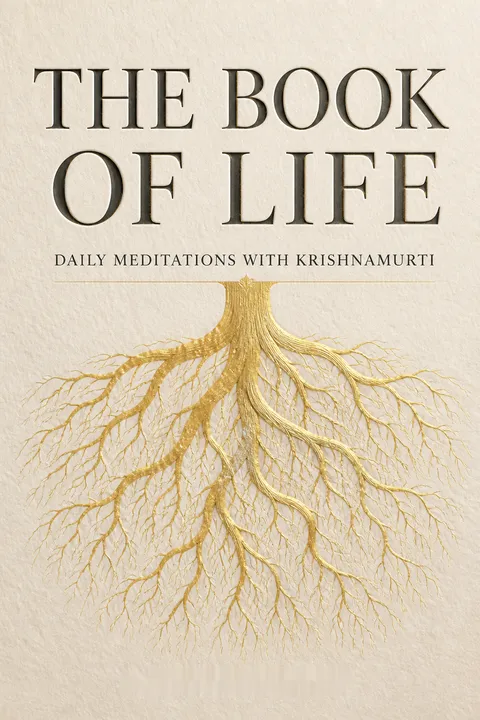
クリシュナムルティ著『生命の書』は、人生、精神性、自己認識に関する深遠な洞察で多くの読者から高く評価されている。本書の毎日の瞑想は、従来の考え方に挑戦し、内省を促す内容として好まれている。時に理解が難しいと感じる読者もいるが、その普遍的な知恵は称賛されている。一方で、科学的根拠に欠けるとの批判もあるが、支持者たちは本書を生き方を変えるための指針と捉えている。多くの読者は、教えをじっくりと吸収し熟考することを勧めており、個人の成長に役立つ貴重な伴侶として位置づけている。
他の人が読んだ本

よくある質問
What's The Book of Life about?
- Daily Meditations: The Book of Life by J. Krishnamurti is a collection of daily meditations that explore various themes related to human existence and consciousness throughout the year.
- Exploration of Truth: The book emphasizes understanding oneself and the nature of reality, encouraging readers to seek truth beyond societal norms and conditioning.
- Interconnected Themes: Each month focuses on different themes such as desire, fear, love, and self-knowledge, providing insights into the complexities of human emotions and relationships.
Why should I read The Book of Life?
- Transformative Insights: Reading this book can lead to profound personal transformation by challenging conventional beliefs and encouraging self-inquiry.
- Timeless Wisdom: Krishnamurti's teachings are timeless and relevant, addressing fundamental issues of human existence that resonate across cultures and generations.
- Encourages Self-Discovery: The book invites readers to explore their own thoughts and feelings, fostering a deeper understanding of themselves and their place in the world.
What are the key takeaways of The Book of Life?
- Self-Knowledge is Essential: Understanding oneself is crucial for personal growth and transformation. Krishnamurti emphasizes the importance of self-awareness in achieving a meditative state.
- Freedom from Conditioning: The book stresses the need to break free from societal conditioning to experience true freedom and creativity.
- Importance of Awareness: Awareness is highlighted as a powerful tool for understanding and transcending personal and societal conflicts.
What are the best quotes from The Book of Life and what do they mean?
- Understanding Problems: “There is only the problem; there is no answer; for in the understanding of the problem lies its dissolution.” This suggests that true insight leads to resolution.
- Dynamic Truth: “Truth can never wither because it can only be found from moment to moment.” This highlights that truth is a dynamic experience, not a static concept.
- Self-Awareness: “To understand the innumerable problems that each one of us has, is it not essential that there be self-knowledge?” This underscores the necessity of self-awareness in addressing personal issues.
How does Krishnamurti define desire in The Book of Life?
- Desire as Complex: Krishnamurti explores desire as a fundamental aspect of human experience that can lead to both fulfillment and suffering.
- Understanding Desire: He emphasizes the need to understand desire rather than suppress it, suggesting that true comprehension can lead to freedom from its negative aspects.
- Desire and Conflict: The book discusses how unfulfilled desires can create inner conflict and turmoil, leading to a cycle of craving and dissatisfaction.
How does The Book of Life address the concept of fear?
- Fear as a Barrier: Fear is presented as a significant barrier to understanding oneself and achieving true freedom.
- Confronting Fear: The book encourages readers to confront their fears directly rather than avoiding them, suggesting that this confrontation can lead to liberation.
- Fear and Conditioning: Krishnamurti links fear to societal conditioning, indicating that many fears are learned rather than innate.
What does Krishnamurti mean by "self-knowledge" in The Book of Life?
- Foundation of Understanding: Self-knowledge is portrayed as the foundation for understanding one’s thoughts, feelings, and actions.
- Dynamic Process: He describes self-knowledge as a dynamic and ongoing process requiring continuous observation and reflection.
- Integration with Life: The book suggests that self-knowledge must be integrated into daily life and relationships to be meaningful.
How does The Book of Life define love?
- Love Beyond Emotion: Krishnamurti distinguishes love from mere emotion or sentiment, suggesting that true love transcends personal desires and attachments.
- Love and Freedom: He asserts that love cannot exist where there is possessiveness or fear, emphasizing that true love is liberating.
- Love as a State of Being: The book presents love as a state of being that is not contingent on external factors or conditions.
What is the significance of awareness in The Book of Life?
- Awareness as a Tool: Awareness is portrayed as a crucial tool for understanding oneself and the world, allowing for deeper insights and clarity.
- Awareness and Freedom: The book suggests that true awareness leads to freedom from conditioning and societal constraints, enabling individuals to live authentically.
- Active Observation: Krishnamurti emphasizes the importance of active observation without judgment, which fosters genuine understanding and connection to reality.
How does Krishnamurti suggest we approach fear in The Book of Life?
- Understanding Fear: Krishnamurti encourages readers to understand the whole process of fear, emphasizing that awareness of fear is essential for overcoming it.
- Fear as Thought: He explains that fear is rooted in thought, highlighting the need to examine the origins of our fears to address them effectively.
- Living with Fear: Krishnamurti suggests learning to live with fear, fostering resilience and acceptance in the face of fear.
What does Krishnamurti mean by "the observer and the observed"?
- Duality of Experience: Krishnamurti discusses the concept to illustrate the duality inherent in human experience, which creates conflict.
- Unity of Perception: He argues that when the observer and the observed are seen as one, there is a possibility for true understanding and insight.
- Ending the Division: The book emphasizes recognizing that "the observer is the observed," leading to a state of awareness free from judgment and division.
How can one practice meditation according to The Book of Life?
- Awareness of Thought: Krishnamurti suggests meditation begins with being aware of the thinker, observing thoughts without judgment.
- Stillness of Mind: He emphasizes the importance of a still mind, allowing for deeper insights and a connection to the present moment.
- Meditation as Daily Practice: Krishnamurti encourages integrating meditation into daily life, promoting continuous self-awareness and understanding.
著者について
同じ著者の他の本: J・クリシュナムルティ



PDFをダウンロード
EPUBをダウンロード
.epub digital book format is ideal for reading ebooks on phones, tablets, and e-readers.








































