ประเด็นสำคัญ
1. เซนคือการสัมผัสประสบการณ์โดยตรงและตระหนักรู้ในความเป็นอยู่
"เซนคือชีวิต เซนไม่ใช่การลอกเลียนแบบ"
ประสบการณ์โดยตรงคือหัวใจสำคัญ เซนเน้นการรับรู้ความจริงในทันทีโดยไม่ผ่านการตีความหรือวิเคราะห์ทางปัญญา นั่นหมายถึงการมีส่วนร่วมอย่างเต็มที่กับช่วงเวลาปัจจุบัน ไม่ว่าจะเป็นการดื่มชา ล้างจาน หรือการนั่งสมาธิ
การตระหนักรู้เปลี่ยนแปลงการกระทำธรรมดา เมื่อเรานำความสนใจทั้งหมดมาสู่กิจวัตรประจำวัน จะเกิดสภาวะของความรู้สึกตื่นตัวสูงขึ้น การตระหนักรู้ในความเป็นอยู่ช่วยให้เรามีชีวิตที่เต็มเปี่ยมและแท้จริง แทนที่จะปล่อยให้จิตใจทำงานโดยอัตโนมัติหรือจมอยู่กับความคิดเกี่ยวกับอดีตหรืออนาคต
เซนเกินกว่าคำพูดและแนวคิด แม้ว่าคำสอนและการปฏิบัติจะชี้ทาง แต่ความเข้าใจที่แท้จริงในเซนเกิดจากประสบการณ์ส่วนตัวโดยตรง วิธีการนี้ทำให้เซนแตกต่างจากพุทธศาสนาในรูปแบบที่เน้นปรัชญาหรือหลักคำสอน
2. การฝึกสติเป็นหัวใจของเซน
"การมีสติในทุกสิ่งที่ทำ พูด และคิด คือการเริ่มต่อต้านการรุกรานจากสิ่งแวดล้อมและความผิดพลาดที่เกิดจากความลืมเลือน"
สติส่องสว่างชีวิต การฝึกสติในทุกขณะช่วยให้ผู้ปฏิบัติ "จุดประกาย" ชีวิต นำความชัดเจนและการมีอยู่จริงมาสู่ทุกประสบการณ์ ความตื่นตัวนี้เป็นรากฐานของปัญญาและการตระหนักรู้ที่ลึกซึ้งยิ่งขึ้น
สมาธิสร้างพลังทางจิตวิญญาณ การฝึกสติอย่างสม่ำเสมอช่วยเสริมสร้างความสามารถในการจดจ่อและอยู่กับปัจจุบัน ความตระหนักรู้ที่เข้มข้นนี้กลายเป็นเครื่องมือทรงพลังสำหรับการเปลี่ยนแปลงตนเองและการเติบโตทางจิตวิญญาณ
ปัญญาเบ่งบานจากสติ เมื่อสติลึกซึ้งขึ้น ผู้ปฏิบัติจะได้รับปัญญาโดยตรงเกี่ยวกับธรรมชาติของความจริง ปัญญานี้เกินกว่าความเข้าใจทางปัญญา นำไปสู่การเปลี่ยนแปลงอย่างลึกซึ้งในมุมมองและการดำรงอยู่
3. แนวคิดและคำพูดอาจขัดขวางความเข้าใจที่แท้จริง
"ถ้าแนวคิดไม่สอดคล้องกับความจริง ความรู้ในรูปแบบแนวคิดนั้นต้องถือว่าเป็นความผิดพลาด"
ภาษามีข้อจำกัด แม้ว่าคำพูดและแนวคิดจำเป็นสำหรับการสื่อสาร แต่ไม่สามารถจับแก่นแท้ของความจริงได้อย่างสมบูรณ์ คำสอนเซนมักใช้ถ้อยคำที่ขัดแย้งหรือดูเหมือนไม่มีเหตุผลเพื่อชี้นำให้ก้าวข้ามขีดจำกัดของภาษา
ประสบการณ์โดยตรงสำคัญกว่าความรู้ทางปัญญา เซนเน้นความสำคัญของการสัมผัสประสบการณ์ด้วยตนเองมากกว่าการรับข้อมูลจากผู้อื่นหรือความเข้าใจในรูปแบบแนวคิด วิธีนี้สนับสนุนให้ผู้ปฏิบัติออกจากการเรียนรู้จากหนังสือและมีส่วนร่วมกับชีวิตอย่างแท้จริง
วิธีการชำนาญเพื่อก้าวข้ามแนวคิด:
- โคอัน: ปริศนาขัดแย้งที่ใช้ตัดวงจรความคิดเชิงตรรกะ
- การต่อสู้ธรรมะ: การถามตอบอย่างเข้มข้นระหว่างอาจารย์และศิษย์
- คำสอนที่ไม่ใช้คำพูด: ใช้ท่าทาง ความเงียบ หรือการกระทำในชีวิตประจำวันเพื่อถ่ายทอดปัญญา
4. การตรัสรู้เกิดจากการเห็นธรรมชาติที่แท้จริงของตนเอง
"การเห็นธรรมชาติของตนเองคือเป้าหมายของเซน"
การรู้แจ้งตนเองคือหนทาง คำสอนเซนเน้นว่าการตรัสรู้ไม่ใช่สิ่งที่ต้องแสวงหาจากภายนอก แต่คือการตระหนักถึงพุทธะภายในตนเอง ซึ่งต้องทะลุผ่านชั้นของอุปนิสัยและความเชื่อผิด ๆ เพื่อค้นพบแก่นแท้ที่แท้จริง
การตื่นรู้แบบทันทีและแบบค่อยเป็นค่อยไป ประเพณีเซนบางแห่งเน้นประสบการณ์ทะลุปรุโปร่งทันที ขณะที่บางแห่งเน้นการฝึกฝนอย่างต่อเนื่อง แต่ส่วนใหญ่ยอมรับว่าทั้งสองอย่างมีบทบาทในกระบวนการตื่นรู้
ลักษณะของการตรัสรู้:
- ปลดปล่อยจากความยึดมั่นและอุปนิสัย
- การรับรู้ความจริงอย่างตรงไปตรงมา
- ความเมตตาและปัญญาที่เกิดขึ้นโดยธรรมชาติ
- ความสามารถในการดำเนินชีวิตอย่างชำนาญพร้อมกับความสงบภายใน
5. เซนเน้นความไม่เป็นสองและความสัมพันธ์พึ่งพาอาศัยกัน
"จิตคือวัตถุ วัตถุคือจิต วัตถุไม่มีอยู่นอกจิต จิตไม่มีอยู่นอกวัตถุ"
ก้าวข้ามความขัดแย้ง คำสอนเซนชี้ให้เห็นถึงเอกภาพพื้นฐานที่อยู่เบื้องหลังความแตกต่าง เช่น ผู้รู้กับวัตถุ จิตกับร่างกาย ตนเองกับผู้อื่น มุมมองไม่เป็นสองนี้ท้าทายวิธีคิดและการจัดหมวดหมู่ความจริงที่เราคุ้นเคย
ธรรมชาติแห่งความสัมพันธ์พึ่งพา ปรัชญาเซนเน้นการเกิดขึ้นร่วมกันของทุกสรรพสิ่ง ไม่มีสิ่งใดอยู่โดดเดี่ยว ทุกอย่างเชื่อมโยงกันอย่างลึกซึ้ง ความเข้าใจนี้สร้างความรู้สึกเป็นหนึ่งเดียวและความรับผิดชอบต่อสรรพชีวิต
ผลทางปฏิบัติ:
- ก้าวข้ามภาพลวงของความแยกจากกัน
- ปลูกฝังความเมตตาและความเห็นอกเห็นใจ
- ตระหนักถึงผลกระทบทางนิเวศวิทยาของการกระทำ
- ก้าวข้ามความคิดที่ยึดติดกับตัวตน
6. อาจารย์เซนใช้วิธีชำนาญเพื่อชี้นำผู้ปฏิบัติ
"ภาษาของเซนมุ่งทำลายนิสัยของผู้ที่คิดแต่ในกรอบแนวคิดเท่านั้น"
ปรับให้เหมาะกับแต่ละบุคคล อาจารย์เซนใช้วิธีการสอนหลากหลาย ปรับให้เข้ากับนิสัยและระดับความเข้าใจของศิษย์แต่ละคน ความยืดหยุ่นนี้ช่วยให้การถ่ายทอดปัญญามีประสิทธิภาพมากขึ้น
สร้างประสบการณ์เปลี่ยนแปลง แทนที่จะสอนเพียงข้อมูล อาจารย์เซนมุ่งกระตุ้นให้เกิดการตระหนักรู้โดยตรงในตัวศิษย์ อาจใช้วิธีที่ไม่ธรรมดาหรือแม้แต่ทำให้ตกใจเพื่อทำลายกรอบความคิด
ตัวอย่างวิธีชำนาญ:
- ตอบคำถามด้วยคำพูดที่ดูเหมือนไม่เกี่ยวข้อง
- ใช้การกระทำทางกาย เช่น การตะโกนหรือตี
- ให้คำแนะนำการนั่งสมาธิแบบเฉพาะบุคคล
- มอบหมายงานหรือการฝึกฝนเฉพาะเพื่อแก้ไขอุปสรรคส่วนตัว
7. เซนมุ่งปลดปล่อยจากความยึดมั่นและภาพลวง
"การยึดมั่นในความเห็นผิดเปรียบเสมือนโรค ทุกความเห็นผิดสามารถรักษาได้ ยกเว้นการยึดมั่นในความว่างเปล่าซึ่งไม่อาจรักษาได้"
ปล่อยวางความคิดตายตัว การปฏิบัติในเซนคือการตระหนักและปล่อยวางความยึดมั่นในแนวคิด ความเชื่อ และอัตลักษณ์ รวมถึงการยึดมั่นในแนวคิดหรือการปฏิบัติทางจิตวิญญาณเองด้วย
เห็นผ่านภาพลวง ความทุกข์ส่วนใหญ่เกิดจากการเข้าใจผิดคิดว่าสิ่งที่จิตสร้างขึ้นคือความจริง คำสอนและการปฏิบัติของเซนมุ่งขจัดภาพลวงเหล่านี้ เพื่อให้เห็นสิ่งต่าง ๆ อย่างชัดเจนตามที่เป็นจริง
การปลดปล่อยผ่านการไม่ยึดมั่น:
- อิสรภาพจากความอยากและความเกลียดชังที่บังคับ
- ความสามารถตอบสนองอย่างยืดหยุ่นต่อสถานการณ์ที่เปลี่ยนแปลง
- การสัมผัสชีวิตอย่างตรงไปตรงมาและชัดเจน
- การปลูกฝังความสงบในใจท่ามกลางความขึ้นลงของชีวิต
8. การนั่งสมาธิและการปฏิบัติในชีวิตประจำวันมีความสำคัญเท่าเทียมกัน
"เซนประยุกต์ใช้ได้กับทุกท่วงท่า เดิน กิน พูด ทำงาน..."
การนั่งสมาธิสร้างสติ การนั่งสมาธิแบบนั่งนิ่ง (ซาเซ็น) อย่างสม่ำเสมอเป็นพื้นฐานในการพัฒนาสมาธิและปัญญา การฝึกนี้ช่วยให้สามารถเจาะลึกธรรมชาติของจิตและความจริง
กิจวัตรประจำวันคือการปฏิบัติ เซนเน้นการนำสติไปใช้ในทุกกิจกรรมในชีวิตประจำวัน การทำงานง่าย ๆ เช่น ล้างจานหรือเดินกลายเป็นโอกาสในการฝึกจิตเมื่อทำด้วยความมีสติอย่างเต็มที่
การผสานสมาธิและกิจกรรม:
- รักษาความตระหนักในช่วงเปลี่ยนจากนั่งนิ่งไปสู่การเคลื่อนไหว
- ฝึกสติในงานประจำวัน
- นำคุณสมบัติของสมาธิ เช่น การสังเกตโดยไม่ตัดสิน มาใช้ในการปฏิสัมพันธ์กับผู้อื่น
- ใช้สถานการณ์ในชีวิตประจำวันเป็นโอกาสในการประยุกต์และทดสอบปัญญาที่ได้จากการฝึกสมาธิ
9. เซนเสนอหนทางในการค้นพบความเป็นมนุษย์ของเราในโลกยุคใหม่
"ปัญหาที่เราต้องเผชิญคือปัญหาของการตื่นรู้ สิ่งที่เราขาดไม่ใช่ลัทธิหรือคำสอนที่จะช่วยโลก สิ่งที่เราขาดคือการตระหนักรู้ในสิ่งที่เราเป็นและสถานการณ์ที่แท้จริงของเรา"
ต่อต้านการลดทอนความเป็นมนุษย์ ในโลกที่เทคโนโลยีและวัตถุนิยมครอบงำ การปฏิบัติในเซนช่วยให้เรากลับเชื่อมโยงกับความเป็นมนุษย์แท้จริง ปลูกฝังคุณลักษณะเช่น การมีสติ ความเมตตา และความเป็นธรรมชาติ
ตอบโจทย์ความท้าทายในยุคสมัย การเน้นประสบการณ์โดยตรงและการไม่ยึดมั่นของเซนช่วยให้เรารับมือกับปัญหาเช่น ข้อมูลล้นเกิน วัตถุนิยม และการเสื่อมโทรมของสิ่งแวดล้อม เป็นเครื่องมือในการรักษาความสงบภายในท่ามกลางความวุ่นวายภายนอก
การประยุกต์ใช้หลักการเซน:
- ลดความซับซ้อนของชีวิตและลดการบริโภคที่ไม่จำเป็น
- ฝึกสติเพื่อต่อต้านการฟุ้งซ่านจากดิจิทัล
- พัฒนาความยืดหยุ่นผ่านการไม่ยึดมั่นในผลลัพธ์
- สร้างความสัมพันธ์มนุษย์ที่แท้จริงในยุคโซเชียลมีเดีย
10. ตะวันออกและตะวันตกสามารถเรียนรู้จากประเพณีทางจิตวิญญาณของกันและกัน
"มีเพียงความพยายามและความร่วมมือเช่นนี้เท่านั้นที่ทำให้เซนกลายเป็นประเพณีที่มีชีวิตในดินแดนตะวันตกได้"
การแลกเปลี่ยนข้ามวัฒนธรรม เมื่อเซนแพร่หลายสู่ตะวันตก มันเผชิญกับบริบททางวัฒนธรรมและความท้าทายใหม่ ๆ การปฏิสัมพันธ์นี้เปิดโอกาสให้เกิดการเรียนรู้และเติบโตร่วมกันระหว่างประเพณีทางจิตวิญญาณของตะวันออกและตะวันตก
การปรับวิธีปฏิบัติ ในขณะที่รักษาแก่นแท้ของคำสอนเซน การปฏิบัติอาจต้องปรับให้เหมาะสมกับวิถีชีวิตและความรู้สึกของชาวตะวันตก ซึ่งต้องรักษาสมดุลระหว่างการอนุรักษ์ประเพณีและการส่งเสริมนวัตกรรม
พื้นที่ที่อาจบูรณาการ:
- นำความรู้ทางจิตวิทยาตะวันตกมาผสมผสานกับการปฏิบัติในเซน
- สำรวจความเชื่อมโยงระหว่างเซนกับประเพณีการทำสมาธิของตะวันตก
- ประยุกต์ใช้หลักการเซนเพื่อแก้ไขปัญหาสังคมและสิ่งแวดล้อมร่วมสมัย
- พัฒนารูปแบบชุมชนและการปฏิบัติใหม่ที่เหมาะกับวัฒนธรรมตะวันตก
สรุปรีวิว
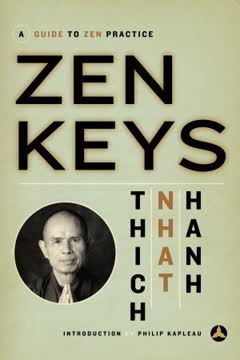
Zen Keys โดย ทิก นัท ฮันห์ ได้รับการยกย่องอย่างสูงในเรื่องการอธิบายแนวคิดของพุทธศาสนาเซนอย่างชัดเจน แม้ว่าผู้อ่านบางท่านอาจรู้สึกว่ายากต่อการทำความเข้าใจ หลายคนชื่นชมวิธีการนำเสนอที่เข้าถึงได้ง่ายของหนังสือเล่มนี้ แม้จะไม่เหมาะสำหรับผู้เริ่มต้นโดยตรง หนังสือเล่มนี้ครอบคลุมประวัติศาสตร์ ปรัชญา และการปฏิบัติของเซน รวมถึงโคอันต่าง ๆ ผู้อ่านต่างชื่นชมความสามารถของฮันห์ในการเชื่อมโยงมุมมองตะวันออกและตะวันตก แม้ว่าบางส่วนอาจซับซ้อน แต่โดยรวมแล้ว หนังสือเล่มนี้ถือเป็นแหล่งข้อมูลที่มีคุณค่าสำหรับผู้ที่ต้องการเข้าใจลึกซึ้งเกี่ยวกับพุทธศาสนาเซนอย่างแท้จริง
คนอื่นยังอ่าน

คำถามที่พบบ่อย
What's "Zen Keys: A Guide to Zen Practice" about?
- Overview of Zen Practice: "Zen Keys" by Thich Nhat Hanh is a comprehensive guide to understanding and practicing Zen Buddhism, focusing on the integration of Zen principles into daily life.
- Monastic Life: The book provides insights into the daily regimen of life in a Zen monastery, illustrating the character of Zen as practiced in Vietnam.
- Philosophical Concepts: It delves into central Zen concepts such as Awareness, Impermanence, and Not-1, explaining their significance in achieving enlightenment.
- Practical Application: Thich Nhat Hanh emphasizes the importance of applying Zen principles in the secular world, advocating for a life of awareness and compassion.
Why should I read "Zen Keys: A Guide to Zen Practice"?
- Understanding Zen: The book offers a clear and accessible introduction to Zen Buddhism, making it suitable for both beginners and those familiar with the practice.
- Practical Guidance: It provides practical advice on how to incorporate Zen principles into everyday life, enhancing mindfulness and awareness.
- Cultural Insight: Readers gain insight into Vietnamese Zen practices, offering a unique perspective on how Zen is integrated into different cultural contexts.
- Inspirational Example: Thich Nhat Hanh's life and teachings serve as an inspiring example of engaged Buddhism, demonstrating how spiritual practice can contribute to peace and social justice.
What are the key takeaways of "Zen Keys: A Guide to Zen Practice"?
- Awareness of Being: The book emphasizes the importance of being fully present and aware in every moment, which is the foundation of Zen practice.
- Interdependence and Impermanence: It highlights the interconnectedness of all things and the transient nature of existence, encouraging a deeper understanding of reality.
- Non-attachment to Concepts: Thich Nhat Hanh advises against clinging to rigid concepts and encourages direct experience of reality, which leads to true enlightenment.
- Engaged Buddhism: The book advocates for applying Zen principles to address social issues, promoting peace and compassion in the world.
How does Thich Nhat Hanh define Awareness in "Zen Keys"?
- Awareness as Enlightenment: Awareness of Being is described as the backbone of Buddhist practice, essential for shedding light on existence and achieving enlightenment.
- Daily Practice: It involves being mindful of every action, thought, and word, transforming ordinary activities into opportunities for spiritual growth.
- Concentration and Wisdom: Awareness leads to concentration, which in turn brings wisdom and the perception of the truth of being and life.
- Practical Application: The book provides examples of how to cultivate awareness in daily life, such as being mindful while washing hands or eating.
What is the significance of Impermanence in "Zen Keys"?
- Constant Change: Impermanence is a fundamental concept in Buddhism, highlighting that all things are in a state of perpetual change.
- Non-Identity: It is closely related to the idea of Not-1, which suggests that nothing has a permanent identity, challenging the principle of identity in formal logic.
- Liberation from Illusion: Understanding impermanence helps liberate individuals from the illusion of permanence, leading to a deeper appreciation of the present moment.
- Guiding Principle: Thich Nhat Hanh presents impermanence as a guiding principle for understanding reality and achieving spiritual liberation.
How does "Zen Keys" address the concept of Not-1?
- Rejection of Absolute Identity: Not-1, or Anatma, is the rejection of the concept of a permanent self, which is central to Buddhist philosophy.
- Interdependent Nature: It emphasizes the interdependent nature of all things, where nothing exists in isolation or possesses an absolute identity.
- Methodological Tool: Thich Nhat Hanh uses Not-1 as a methodological tool to challenge dogmatic thinking and open the path to enlightenment.
- Practical Implications: The concept encourages practitioners to let go of ego and self-centeredness, fostering a sense of unity with all existence.
What are the best quotes from "Zen Keys: A Guide to Zen Practice" and what do they mean?
- "To light existence? Yes, and this is the point of departure." This quote emphasizes the importance of awareness as the starting point for spiritual practice.
- "The truth of existence is revealed through a deepening awareness." It highlights the role of mindfulness in uncovering the true nature of reality.
- "In Zen, everything one does becomes a vehicle for self-realization." This underscores the idea that every action, no matter how mundane, can be a path to enlightenment.
- "Awareness—and this is more than mere attentiveness—is everything." Thich Nhat Hanh stresses that true awareness goes beyond simple attention, encompassing a profound understanding of existence.
How does Thich Nhat Hanh describe the role of Zen Masters in "Zen Keys"?
- Guides to Awakening: Zen Masters are portrayed as guides who help practitioners awaken to their true nature through skillful means.
- Use of Language: They use language and actions to liberate students from conceptual thinking, often employing paradoxical statements or actions.
- Personalized Instruction: Masters tailor their teachings to the individual needs and mentalities of their students, ensuring effective guidance.
- Creating Crises: They may create crises or challenges to provoke a breakthrough in understanding, leading to moments of enlightenment.
What is the function of kung-an in "Zen Keys"?
- Meditation Tool: Kung-an, or koans, are used as meditation tools to challenge conventional thinking and provoke insight.
- Skillful Means: They serve as skillful means to help practitioners break free from conceptualization and experience direct reality.
- Personalized Challenges: Each kung-an is tailored to the individual, with its significance lying in the effect it has on the practitioner's mind.
- Catalysts for Awakening: Kung-an are designed to create a crisis or turning point, leading to a deeper understanding and potential enlightenment.
How does "Zen Keys" relate Zen practice to daily life?
- Integration into Routine: The book emphasizes integrating Zen practice into everyday activities, such as eating, working, and interacting with others.
- Mindful Living: It advocates for living mindfully, where every action is performed with full awareness and presence.
- Zen in Action: Thich Nhat Hanh illustrates how Zen principles can be applied to address social issues and promote peace and compassion.
- Practical Examples: The book provides practical examples and exercises to help readers incorporate Zen into their daily routines.
What is the relationship between Zen and Buddhism as explained in "Zen Keys"?
- Zen as Buddhism: Zen is presented as a form of Buddhism that emphasizes direct experience and practical application over theoretical study.
- Historical Roots: The book traces Zen's origins to Indian Buddhism and its development in China, highlighting its connection to Mahayana teachings.
- Authentic Spirit: Zen is described as capturing the authentic spirit of Buddhism, focusing on enlightenment through personal experience.
- Cultural Adaptation: Thich Nhat Hanh discusses how Zen has adapted to different cultural contexts, such as Vietnam and Japan, while maintaining its core principles.
How does "Zen Keys" address the challenges of practicing Zen in the modern world?
- Engaged Buddhism: The book advocates for an engaged form of Buddhism that addresses contemporary social and environmental issues.
- Cultural Adaptation: Thich Nhat Hanh emphasizes the need for Zen to adapt to Western culture, creating a living tradition relevant to modern life.
- Spiritual Awakening: It calls for a spiritual awakening to counteract the dehumanizing effects of technological civilization.
- Community and Simplicity: The book suggests forming communities that prioritize spiritual growth and simplicity over material consumption.
เกี่ยวกับผู้เขียน
หนังสือเล่มอื่นโดย ติช นัท ฮันห์