
Короткий зміст
Section 1Останній день, останній танець
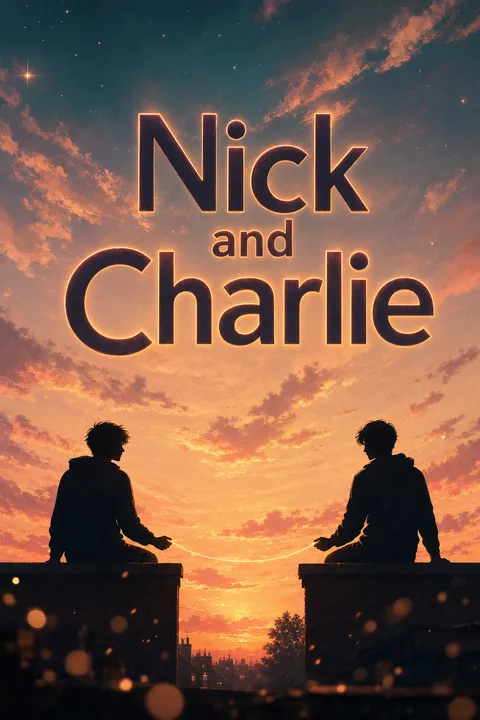
Чарлі, староста школи Трухем Гремар, отримує завдання приборкати надмірно збуджених учнів 13-го класу у їхній останній день — святкуванні в стилі «High School Musical». Посеред хаосу хлопець помічає свого хлопця Ніка серед веселунів, а день наповнений жартами, костюмами та гірко-солодким усвідомленням, що це востаннє вони разом ходитимуть тими самими шкільними коридорами. Їхня легка близькість на виду, але під поверхнею Чарлі вже відчуває тремтіння майбутніх змін, адже Нік готується до від’їзду в університет. Цей день — мікрокосм їхніх стосунків: сміх, внутрішні жарти та звичка, що дарує спокій, але все це затінене розумінням, що все ось-ось зміниться.
Section 2Літні плани та розлука
Літо Ніка і Чарлі заплановане з вечірками, поїздками на пляж і спільним часом, але над усіма планами нависає реальність від’їзду Ніка до університету. Нік радіє свободі та новим враженням, а Чарлі, якому залишився ще рік у школі, почувається покинутим. Їхні звичні ритуали — відеоігри, ліниві післяобіди, спільні обіди — дарують затишок, але водночас підкреслюють неминучі зміни. Пара намагається ігнорувати майбутнє, але напруга зростає, особливо у Чарлі, якого переслідує страх покинутих і невизначеність стосунків на відстані.
Section 3Невисловлені страхи виходять на поверхню
Тривога Чарлі зростає, адже розмови дедалі більше крутяться навколо університетських планів Ніка. В інтернеті Чарлі бомбардують попередженнями про стосунки на відстані, що лише посилює його невпевненість. Він не хоче зіпсувати Нікові радість, тому тримає почуття в собі, що призводить до емоційного відчуження. Нік, натомість, не помічає глибини Чарліних переживань, захоплений організаційними моментами та передчуттям нового етапу. Нездатність пари відкрито говорити про страхи створює ґрунт для непорозумінь і мовчання.
Section 4Вечірка, паніка і біль
На гучній вечірці накопичені емоції Чарлі вибухають. Він випиває забагато, фліртує надто агресивно і нарешті вибухає на Ніка, звинувачуючи його в бажанні піти і пропонуючи розійтися, перш ніж університет їх розлучить. Сварка була гострою і брудною, обидва сказали те, про що потім шкодували. Конфлікт виявив їхні найглибші страхи: Чарлі боїться покинутих, а Нік розчарований тим, що його карають за прагнення рухатися вперед. Ніч закінчується їхнім розділенням, обидва розбиті і не впевнені, чи виживуть їхні стосунки.
Section 5Невисловлені слова
У наступні дні після сварки ні Нік, ні Чарлі не роблять кроків назустріч. Кожен застряг у власному болю, прокручуючи в голові сварку і сумніваючись, чи це справді кінець. Чарлі паралізований почуттям провини і страхом, а Нік — шоком і сумом. Друзі та родина помічають зміни, але жоден із хлопців не може чітко висловити, чого потребує. Мовчання між ними стає дедалі важчим, і обидва починають сумніватися, чи була їхня любов достатньо сильною, щоб витримати справжні випробування.
Section 6Мовчання між ними
Час тягнеться повільно, і обом важко зосередитися на іспитах і повсякденному житті. Відсутність одне одного відчутна, а звичні ритуали, що колись дарували спокій, тепер здаються порожніми. Чарлі намагається відволіктися друзями і підготовкою, але порожнеча не зникає. Нік теж відчуває себе загубленим, не знаходячи розради у звичних заняттях. Обох переслідують спогади про спільний час і думка, що вони могли втратити щось незамінне.
Section 7Фото-спогади, мовчазні послання
Чарлі знаходить одноразову камеру Ніка і проявляє плівку, відкриваючи візуальний щоденник їхніх стосунків: щирі моменти, сміх і тиху близькість. Усвідомивши, як багато для Ніка значить їхнє спільне життя, Чарлі починає надсилати йому фотографії — селфі, знімки, пам’ятні дрібниці — сподіваючись подолати розрив без слів. Зображення стають мовчазним проханням про зв’язок, нагадуванням про те, що їх об’єднує. Нік отримує фото, але, переповнений емоціями і невпевненістю, не відповідає, що лише посилює тривогу Чарлі.
Section 8Крок назустріч, крок у відповідь
Підбадьорений сестрою Торі, Чарлі вирішує зробити сміливий крок. Він пише записку на звороті фотографії і залишає її в домі Ніка, запрошуючи зустрітися на місцевому шкільному ярмарку. Цей жест — і вибачення, і оливкова гілка, спосіб сказати те, що слова не змогли передати. Чарлі чекає з тривогою, не знаючи, чи прийде Нік і чи не закінчилася їхня історія назавжди.
Section 9Зустріч на майданчику
Нік приходить на ярмарок, і хлопці нарешті говорять — по-справжньому говорять — про свої страхи, помилки і надії. Вони вибачаються за образливі слова і визнають, що ніхто з них не хоче розриву. Розмова була незграбною, чесною і глибоко емоційною, але стала поворотним моментом. Вони розуміють, що їхня любов варта боротьби, навіть якщо майбутнє невизначене. Примирення скріплюється сміхом, шоколадом і обіцянкою разом зустріти все, що попереду.
Section 10Обіцянки і шоколад
Хлопці підтверджують свої наміри простими діями: діляться шоколадом, тримаються за руки і роблять нові фотографії разом. Ці маленькі ритуали, колись буденні, тепер несуть вагу прощення і відновленої довіри. Вони вирішують провести день на пляжі, повертаючи собі щастя і створюючи нові спогади. Звичайне стає надзвичайним у контексті їхнього примирення.
Section 11Знову початок на березі
На пляжі Нік і Чарлі говорять, сміються і просто існують разом. День наповнений знайомими втіхами — музикою, іграми і морем — але все здається новим. Вони обговорюють плани на стосунки на відстані, визнаючи труднощі, але обираючи надію замість страху. Пляж стає символом їхньої стійкості і можливості щастя, навіть перед обличчям змін.
Section 12Сильніші, ніж раніше
Досвід майже втрати один одного змінив Ніка і Чарлі. Їхні стосунки, колись визначені рутиною і комфортом, тепер позначені глибшим розумінням і готовністю стикатися з важкими емоціями. Вони відкрито говорять про страхи і мрії, обіцяючи підтримувати одне одного за будь-яких обставин. Випробування зробило їх сильнішими, зрілішими і впевненішими у своїй любові.
Section 13Нова норма
Нік і Чарлі знаходять новий ритм, поєднуючи спільний час із підготовкою до університету і реаліями стосунків на відстані. Вони цінують теперішнє, усвідомлюючи, що час обмежений. Тривога, що колись загрожувала розірвати їх, поступається тихій впевненості у здатності витримати випробування. Їхня любов уже не просто джерело комфорту, а фундамент для зростання і стійкості.
Section 14Любов у буденному
Хлопці розуміють, що їхні стосунки не потребують грандіозних жестів чи постійних хвилювань, щоб бути значущими. Звичайні моменти — спільні обіди, ліниві післяобіди, внутрішні жарти — саме те, що робить їхню любов справжньою. Вони приймають своє «нудне» життя, розуміючи, що щастя криється у маленьких, послідовних актах турботи і ніжності.
Section 15Разом дивитися в майбутнє
Коли літо добігає кінця і наближається від’їзд Ніка, хлопці дивляться в майбутнє з поєднанням страху і надії. Вони знають, що стосунки на відстані будуть складними, але рішуче налаштовані зберегти їх. Їхня історія — не про ідеальну впевненість, а про вибір одне одного знову і знову, навіть коли це важко. Вони рухаються вперед не як наївні підлітки, а як партнери, готові зустріти все, що чекає попереду — разом.
Персонажі
Section 16Чарлі Спрінг
Чарлі — емоційне серце історії, хлопець, який відчуває все дуже гостро і бореться з тривогою, сумнівами у собі та наслідками минулих психологічних труднощів. Його стосунки з Ніком — і якір, і найбільша вразливість. Страх покинутих і залишитися позаду рухає багатьма конфліктами, адже він внутрішньо переконаний, що не достатній і що щастя — це минуща річ. Його шлях — навчитися довіряти не лише Ніку, а й собі, і відкрито висловлювати потреби без сорому. Розвиток Чарлі позначений зростанням самосвідомості і сміливістю бути чесним, навіть коли це боляче.
Section 17Нік Нельсон
Нік — стабільна опора в житті Чарлі, зовні впевнений і радісний щодо майбутнього, але внутрішньо тривожний через зміни і можливість втратити Чарлі. Він турботливий, уважний і часто емоційно розумніший, ніж сам усвідомлює, але може не помічати глибини страхів Чарлі. Його боротьба — балансувати власне зростання і незалежність із відданістю Чарлі. Нік вчиться, що радість майбутнього не означає залишати любов позаду, а вразливість — це сила, а не слабкість. Його розвиток — прийняття і змін, і сталісті.
Section 18Тао Сю
Тао — найкращий друг Чарлі, відомий своїм ексцентричним стилем і палкою відданістю. Він підтримує і водночас віддзеркалює тривоги Чарлі, часто озвучуючи те, що інші бояться сказати. Власні стосунки Тао з Елль є паралеллю до Ніка і Чарлі, підкреслюючи складнощі юнацької любові і страх змін. Присутність Тао заземлює Чарлі, нагадуючи, що дружба так само важлива, як і романтика.
Section 19Алед Ласт
Алед — ніжний, інтровертний друг, який помічає те, що інші пропускають. Він джерело спокою і розуміння, пропонує тиху підтримку і чесні поради. Власна боротьба Аледа з соціальною тривогою робить його особливо чутливим до емоційного стану Чарлі. Він заохочує відкритість у спілкуванні і допомагає Чарлі усвідомити, що він не самотній у своїх страхах.
Section 20Вікторія Спрінг (Торі)
Старша сестра Чарлі, Торі — голос розуму і сухого гумору. Вона бачить наскрізь захисні стіни Чарлі і підштовхує його не ховатися від почуттів, а зустріти їх. Власні труднощі Торі з цинізмом і зв’язками лише натякаються, але її любов до Чарлі непохитна. Вона стає каталізатором рішення Чарлі звернутися до Ніка, уособлюючи важливість сімейної підтримки.
Section 21Гаррі Грін
Гаррі — душа вечірки, відомий своїми витівками і яскравою особистістю. Він уособлює безтурботність підліткового віку, але також і гіркоту прощань. Присутність Гаррі додає легкості історії, але його випуск знаменує кінець епохи для Ніка і Чарлі.
Section 22Елль Аржент
Елль — дівчина Тао, рішення якої розірвати стосунки перед університетом стає тригером для тривог Чарлі. Її прагнення до нового початку і чесність щодо труднощів стосунків на відстані змушують інших героїв переосмислити власні уявлення про любов і зміни.
Section 23Сай Верма
Сай — друг Ніка, який пропонує прагматичний погляд на стосунки і майбутнє. Він кидає виклик припущенням Ніка і заохочує його до відкритого спілкування з Чарлі, слугуючи розрадою і джерелом ясності у моменти сумнівів.
Section 24Олівер Спрінг
Молодший брат Чарлі, Олівер — символ невинності і безперервності. Його присутність нагадує Чарлі про важливість сім’ї і вічність любові, навіть коли все інше змінюється.
Section 25Містер Шеннон
Директор школи Трухем, містер Шеннон уособлює очікування дорослого світу і перехід від підлітковості до дорослості. Його довіра до Чарлі як старости — і комплімент, і тягар, що підкреслює тиск, з яким стикаються молоді люди під час змін.
Сюжетні прийоми
Section 26Подвійна наративна перспектива
Історія розповідається через чергування глав від імені Чарлі і Ніка, що дозволяє читачам побачити обидві сторони стосунків. Така структура підкреслює непорозуміння і невисловлені страхи, які рухають конфлікт, а також глибоку любов, що їх поєднує. Подвійний наратив створює емпатію і напругу, роблячи примирення особливо зворушливим.
Section 27Символізм фотографій і спогадів
Фотографії — як цифрові, так і паперові — виступають повторюваним мотивом, що символізує бажання хлопців зберегти теперішнє і пам’ятати буденні моменти, які визначають їхню любов. Надсилання і обмін фото стає способом спілкування, коли слова безсилі, а прояв плівки одноразової камери — ключовим моментом історії. Фотографії — це і запис минулого, і обіцянка майбутнього.
Section 28Непорозуміння і мовчання
Більша частина напруги виникає через нездатність хлопців відкрито говорити про страхи і потреби. Мовчання між ними — і джерело болю, і необхідний простір для роздумів. Лише прорив цього мовчання дає змогу зціленню і зростанню.
Section 29Паралельні стосунки
Побічна лінія розриву Тао і Елль слугує каталізатором тривог Чарлі і точкою порівняння для стосунків Ніка і Чарлі. Різні способи, якими пари справляються зі змінами і розлукою, підкреслюють унікальність зв’язку Ніка і Чарлі і вибори, які їм доводиться робити.
Section 30Повсякденні ритуали як опори
Спільні звички хлопців — ігри, спільні обіди, перегляд телевізора — не просто фон, а центральна тема історії. Ці ритуали заземлюють героїв і дарують затишок у невизначеності, підкреслюючи, що любов будується не лише на драмі, а й на буденності.
Аналіз
«Нік і Чарлі» — це сучасна медитація на тему кохання, тривоги і змін, яка втілює універсальний підлітковий страх розлучення у глибоко особисту і зрозумілу історію. Новела Еліс Осман — не просто романтична оповідь, а дослідження комунікації, вразливості і мужності вибирати любов, незважаючи на невизначеність. Сила історії — у її буденності: маленьких ритуалах, незграбних паузах, повсякденних актах турботи. Зосереджуючись на емоційних реаліях тривалих підліткових стосунків, Осман кидає виклик міфу про те, що юнацька любов — це щось швидкоплинне і поверхневе. Натомість вона показує, що справжня близькість формується через чесність, прощення і готовність рости разом — навіть коли майбутнє невідоме. Послання новели зрозуміле: любов — це не уникання болю чи змін, а їхнє спільне подолання, знову і знову.
Подвійна наративна перспектива дозволяє читачам повністю відчути і зрозуміти і Ніка, і Чарлі, їхні особисті боротьби і глибину зв’язку. Цей прийом також висвітлює непорозуміння, що підживлюють конфлікт, показуючи, як легко любов може опинитися під загрозою через невисловлені страхи і припущення.
Використання фотографій і спогадів як повторюваного мотиву виконує кілька функцій. Воно слугує мостом між героями, коли слова безсилі, дає відчутний зв’язок із їхнім спільним минулим і символізує прагнення зупинити час перед неминучими змінами. Прояв плівки одноразової камери стає переломним моментом, що дозволяє Чарлі побачити їхні стосунки очима Ніка і наважитися на крок назустріч.
Дослідження паралельних стосунків, особливо через розрив Тао і Елль, додає глибини центральній романтичній лінії. Воно змушує Ніка і Чарлі зіткнутися з різними варіантами свого майбутнього і підкреслює унікальну силу їхнього зв’язку.
Найпроникливішим аспектом новели є акцент на повсякденних ритуалах і звичайних моментах. Знаходячи глибокий сенс у спільних обідах, лінивих післяобідах і внутрішніх жартів, Осман показує, що справжня любов будується не на грандіозних жестах, а на послідовних, маленьких актах турботи і розуміння.
Зрештою, «Нік і Чарлі» — це історія про вибір любові не один раз, а знову і знову, перед лицем невизначеності і змін. Це тонке зображення юнацької любові, що поважає глибину підліткових емоцій і визнає виклики дорослішання і розлуки. Через шлях Ніка і Чарлі Осман дарує надію: з чесністю, мужністю і відданістю любов не лише переживе зміни, а й розквітне завдяки їм.
Також читають








FAQ
Synopsis & Basic Details
What is Nick and Charlie about?
- Navigating Post-School Transition: Nick and Charlie explores the emotional challenges faced by Nick Nelson, a recent high school graduate, and Charlie Spring, his younger boyfriend, as Nick prepares to leave for university. The story delves into Charlie's deep-seated anxieties about being left behind and the strain this places on their two-year relationship.
- Love Against Uncertainty: It's a poignant narrative about a couple confronting the universal fear of change and separation, specifically how a long-distance relationship might impact their established intimacy and daily routines. The novella highlights their struggle to communicate these fears openly, leading to misunderstandings and a significant argument.
- Reconciliation and Growth: Ultimately, the story follows their journey of reconciliation, as they learn to articulate their insecurities, reaffirm their commitment, and find a stronger, more mature foundation for their love, embracing the "boring" yet profound aspects of their shared life.
Why should I read Nick and Charlie?
- Authentic Emotional Depth: Readers should engage with Nick and Charlie for its raw, honest portrayal of adolescent anxiety and the complexities of a long-term relationship facing its first major challenge. It offers a relatable exploration of self-doubt, fear of abandonment, and the courage required to be vulnerable with a partner.
- Insightful Relationship Dynamics: The novella provides a nuanced look at how communication breakdowns can escalate conflict, even between deeply loving individuals, and the profound relief and growth that comes from honest dialogue. It celebrates the quiet, everyday moments that truly define a lasting connection, challenging the notion that young love is inherently fleeting.
- Continuity for Heartstopper Fans: For fans of Alice Oseman's Heartstopper series, this novella offers a crucial continuation of Nick and Charlie's story, providing deeper insights into their post-school life and the evolution of their relationship beyond the initial romance. It addresses common reader questions about their future, offering a satisfying and mature progression of their beloved characters.
What is the background of Nick and Charlie?
- Post-Heartstopper Universe: Nick and Charlie is set within the established universe of Alice Oseman's Heartstopper graphic novels, serving as a direct continuation of Nick and Charlie's relationship after the events of the main series. It builds upon their established history, including Charlie's past struggles with mental health and Nick's journey of self-discovery.
- Cultural Context of Young Adulthood: The story is deeply rooted in the contemporary experience of British teenagers transitioning from secondary school to university, reflecting common anxieties around independence, long-distance relationships, and the pressure to "have a fresh start" at university. The inclusion of social media (Tumblr) highlights external influences and the public gaze on young, queer relationships.
- Intertextual Allusions: The novella subtly weaves in literary and pop culture references, such as the Pride and Prejudice epigraph foreshadowing relationship "danger" and the High School Musical theme contrasting with the characters' real-life emotional complexities. The inclusion of an extract from Oseman's Solitaire also provides a deeper look into Tori Spring's character and her own struggles with cynicism and connection, enriching the broader Osemanverse.
What are the most memorable quotes in Nick and Charlie?
- "You're Nick and Charlie, aren't you?": This recurring phrase, spoken by friends like Tao and Aled, encapsulates the almost mythical status of Nick and Charlie's relationship among their peers. It highlights the external pressure and idealized perception of their bond, which ironically contributes to Charlie's internal struggle and fear of not living up to this "perfect" image, making their eventual, messy reconciliation all the more powerful.
- "I don't want to break up with you, ever.": Spoken by Nick during their reconciliation, this simple yet profound statement cuts through all the previous miscommunication and fear. It signifies a renewed, unwavering commitment, emphasizing that despite the challenges of long-distance and personal anxieties, their love is a conscious, enduring choice they both make.
- "I love you more than anyone, actually.": Nick's quiet confession, followed by Charlie's equally profound "I'm weird too," reveals the deep, unconventional nature of their bond. It acknowledges their unique, intense connection that defies typical teenage relationship norms, transforming their perceived "weirdness" or "boring" life into a source of profound strength and mutual understanding.
What writing style, narrative choices, and literary techniques does Alice Oseman use?
- Intimate Dual Perspective: Oseman employs a first-person dual narrative, alternating between Nick and Charlie's perspectives. This choice immerses the reader directly into each character's internal monologue, revealing their distinct anxieties, unspoken thoughts, and emotional processing, which is crucial for understanding the miscommunication that drives the plot.
- Conversational and Relatable Tone: The writing style is highly conversational, reflecting authentic teenage dialogue and thought patterns, making the characters and their struggles immediately relatable. This is achieved through informal language, internal asides, and a focus on everyday interactions, grounding the emotional drama in a realistic setting.
- Subtle Symbolism and Foreshadowing: Oseman masterfully uses subtle literary techniques, such as pathetic fallacy (the rain at the party mirroring emotional turmoil), recurring motifs (the disposable camera, the "Nick and Charlie" phrase), and foreshadowing (Tumblr messages, Tao and Elle's breakup) to deepen thematic resonance and build tension without heavy-handed exposition.
Hidden Details & Subtle Connections
What are some minor details that add significant meaning?
- Nick's Phone Glitch: The detail that Nick's old phone cannot receive picture messages, causing Charlie's grand gesture of sending photos to appear as "blank texts," is a profound piece of dramatic irony. It highlights how easily communication can fail, even with the best intentions, and literally embodies the "miscommunication and silence" theme, forcing a face-to-face confrontation rather than a digital one.
- Charlie's Oreo Dairy Milk Gift: Charlie buying Nick an Oreo Dairy Milk bar, a specific detail mentioned as Nick's obsession, is more than just a thoughtful gesture. It symbolizes Charlie's deep knowledge of Nick's preferences and his attempt to reconnect through a familiar comfort, representing the return to their "boring" but deeply intimate rituals that define their love.
- Tori's Haircut Story: In the Solitaire extract, Tori's explanation for cutting her hair—a spontaneous act driven by overwhelming anxiety about starting Year 12 and feeling "choked" by her long hair—subtly parallels Charlie's own struggles with mental health and feeling overwhelmed. It reveals a shared family trait of internalizing stress and seeking drastic, sometimes symbolic, ways to cope, adding depth to Tori's protective nature towards Charlie.
What are some subtle foreshadowing and callbacks?
- Pride and Prejudice Epigraph: The opening quote, "I think you are in very great danger of making him as much in love with you as ever," subtly foreshadows the central conflict. It hints at the "danger" not of falling in love, but of the challenges that deep love faces, particularly the fear of loss and the potential for self-sabotage, setting a tone of emotional vulnerability.
- High School Musical Theme: The Year 13's High School Musical theme on their last day serves as a callback to an idealized, simpler vision of high school life. This contrasts sharply with the complex emotional reality Nick and Charlie are navigating, subtly highlighting the gap between youthful fantasy and the impending adult challenges of their relationship.
- "You're Nick and Charlie" Repetition: The recurring phrase "You're Nick and Charlie," used by friends like Tao and Aled, initially serves as a comforting affirmation of their strong bond. However, it subtly foreshadows the pressure this idealization places on them, particularly Charlie, who fears failing to live up to this image, contributing to his self-doubt and the eventual argument.
What are some unexpected character connections?
- Tori and Lucas Ryan's Reconnection: The unexpected reunion between Tori Spring and her childhood best friend, Lucas Ryan, in the Solitaire extract, provides a parallel narrative to Nick and Charlie's relationship. It highlights the theme of enduring connections and the possibility of rekindling past bonds, even after years of separation, reinforcing the idea that some relationships are meant to last.
- Sai Verma as Nick's Emotional Catalyst: Sai, initially appearing as just a friend, becomes a crucial, unexpected connection for Nick. His direct, rational "intervention" and blunt assessment of Nick and Charlie's relationship ("You're the most basic teenage relationship... Have you seen yourselves?") forces Nick to confront his own assumptions and insecurities, acting as a vital external voice that pushes Nick towards reconciliation.
- Harry Greene's Unintentional Role: While often portrayed as boisterous comic relief, Harry Greene's actions, such as pickpocketing Nick's camera and taking candid photos, unintentionally contribute to the plot's resolution. His presence, though seemingly superficial, facilitates the creation of the very "photo memories" that Charlie later uses to initiate their reconciliation, making him an unexpected, albeit indirect, catalyst.
Who are the most significant supporting characters?
- Victoria Spring (Tori): Tori is significant not just as Charlie's protective sister, but as a voice of cynical wisdom and unexpected emotional intelligence. Her directness ("You've had your tantrum time, okay? You're a Year 13 now.") and practical support (driving Charlie to Nick's house) are crucial catalysts for Charlie's decision to act, demonstrating the vital role of family in navigating emotional crises. Her internal world, hinted at in the Solitaire extract, also provides a deeper understanding of her own struggles with connection and apathy.
- Sai Verma: Sai serves as Nick's rational sounding board and an external validator of Nick and Charlie's unique bond. His blunt, yet supportive, assessment of their relationship ("You hang around with each other every single day and somehow haven't wanted to kill each other yet... Trust me, I've played board games with you two.") helps Nick reframe his anxieties and realize the strength of their connection, pushing him towards reconciliation.
- Aled Last: Aled is Charlie's quiet, empathetic confidant who, despite his shyness, offers profound insights. His observation of Charlie's distress ("I feel like you've been really down today.") and his assertion that "you're Nick and Charlie" and that Nick wouldn't "make it difficult for you" if he thought Charlie didn't love him, are pivotal in helping Charlie understand Nick's perspective and motivating him to reach out.
Psychological, Emotional, & Relational Analysis
What are some unspoken motivations of the characters?
- Charlie's Self-Sabotage: Charlie's aggressive flirting and lashing out at the party, culminating in his suggestion to break up, is an unspoken motivation driven by his deep-seated fear of abandonment and past trauma related to his mental health. He subconsciously attempts to control the pain of potential loss by initiating the breakup himself, believing he is "pathetic" and "boring" and that Nick will eventually leave him anyway.
- Nick's Desire for Normalcy: Nick's initial obliviousness to Charlie's distress and his enthusiastic focus on university plans are subtly motivated by a desire for a "normal" transition into adulthood, free from the complexities and anxieties that have sometimes defined his relationship with Charlie. He wants to believe that long-distance will be "fine," perhaps as a way to avoid confronting the emotional weight of separation.
- Tori's Protective Cynicism: Tori's sarcastic and seemingly apathetic demeanor often masks a deep, unspoken motivation to protect herself and those she cares about from emotional pain. Her directness with Charlie, though harsh, is a form of tough love, motivated by a desire to prevent him from spiraling into self-pity and to push him towards action, reflecting her own struggles with vulnerability as explored in Solitaire.
What psychological complexities do the characters exhibit?
- Charlie's Anxiety and Self-Worth: Charlie exhibits significant psychological complexity through his deep-seated anxiety, which manifests as self-deprecating thoughts ("I'm a fucking stupid idiot," "I'm so pathetic") and a fear of being a burden due to his past mental health struggles. His tendency to internalize external pressures (Tumblr messages, Tao and Elle's breakup) and project his insecurities onto Nick reveals a complex interplay of past trauma and present emotional vulnerability.
- Nick's Emotional Suppression and Idealism: Nick, while outwardly supportive, displays a psychological complexity in his tendency to suppress his own anxieties about the future and idealize the ease of their long-distance relationship. His shock and anger during the argument reveal a hidden vulnerability and a struggle to process intense negative emotions, highlighting his journey towards embracing emotional honesty rather than just optimism.
- The Paradox of "Boring" Love: Both Nick and Charlie grapple with the psychological complexity of their "boring" relationship, questioning its validity against societal expectations of exciting teenage romance. Their eventual acceptance and celebration of their quiet, everyday intimacy ("I love our weird, boring life") represents a mature psychological shift, valuing genuine connection over superficial excitement.
What are the major emotional turning points?
- The Party Confrontation: The explosive argument at Harry's party is the primary emotional turning point, where Charlie's bottled-up anxieties about Nick leaving for university finally erupt. This raw, messy confrontation, fueled by alcohol and misinterpretations, forces both characters to confront their deepest fears and the fragility of their unspoken assumptions about their relationship.
- Charlie's Discovery of the Photos: Charlie developing Nick's disposable camera and discovering numerous candid photos of himself marks a crucial emotional turning point. This visual evidence of Nick's quiet affection and desire to preserve their shared moments ("I think he just took them because he wanted to remember what this was like") shatters Charlie's self-deprecating belief that Nick is bored or wants to leave him, empowering him to initiate reconciliation.
- The Honest Conversation at the Fete: The face-to-face conversation at the primary school fete, where Nick and Charlie finally articulate their fears, apologies, and unwavering commitment, is the ultimate emotional turning point. It signifies a shift from passive suffering and miscommunication to active, vulnerable dialogue, laying the groundwork for a stronger, more resilient relationship built on mutual understanding.
How do relationship dynamics evolve?
- From Unspoken Comfort to Confronted Fears: Initially, Nick and Charlie's relationship dynamic is characterized by comfortable, almost telepathic understanding and shared routines. However, as Nick's university departure looms, this dynamic shifts to one burdened by unspoken fears and assumptions, leading to a breakdown in communication and a major argument.
- From Idealized Perception to Realistic Commitment: The relationship evolves from being perceived as an unbreakable, idealized "Nick and Charlie" unit by their friends to a more realistic, yet stronger, bond forged through conflict. They learn that love isn't about avoiding pain or change, but about actively choosing each other and working through difficulties, even when it's messy.
- From Codependency to Interdependent Growth: While their deep connection sometimes borders on codependency (Charlie's fear of being "on his own," Nick's worry about his mum), the conflict forces them to acknowledge their individual anxieties and needs. Their reconciliation marks a shift towards a more interdependent dynamic, where they support each other's growth while maintaining their strong bond, understanding that their love can accommodate individual paths.
Interpretation & Debate
Which parts of the story remain ambiguous or open-ended?
- The Long-Term Success of Long-Distance: While the ending is hopeful and the boys are committed, the story leaves the actual long-term success of their long-distance relationship open-ended. The novella concludes with them embracing the challenge, but the day-to-day realities and potential difficulties of Nick being two hundred miles away are not fully explored, leaving readers to ponder their future resilience.
- Charlie's Ongoing Mental Health Journey: The narrative touches upon Charlie's past struggles with anorexia and his lingering anxieties, but it doesn't fully detail his ongoing mental health journey. While his growth in communication is evident, the story leaves ambiguous the extent to which he will continue to manage his self-doubt and anxiety independently, or how future stressors might impact him.
- Tori's Personal Arc: The inclusion of the Solitaire extract, while enriching Tori's character, leaves her own personal struggles and relationships (particularly with Michael Holden and Lucas Ryan) largely open-ended within the context of Nick and Charlie. Her journey of overcoming cynicism and finding connection is hinted at but not resolved, inviting readers to explore her story further in Solitaire.
What are some debatable, controversial scenes or moments in Nick and Charlie?
- Charlie's Drunken Behavior at the Party: Charlie's actions at Harry's party, including his aggressive flirting, snapping at Nick, and suggesting a breakup while heavily intoxicated, could be seen as a controversial moment. Readers might debate whether his behavior was a justifiable expression of suppressed anxiety or an unfair, self-sabotaging act that placed undue emotional burden on Nick.
- Nick's Initial Reaction and Silence: Nick's immediate anger and subsequent nine-day silence after the argument could be debated. While understandable given Charlie's hurtful words, some might argue whether his withdrawal was a healthy response or if he should have initiated communication sooner, especially knowing Charlie's vulnerabilities.
- The "Nick and Charlie" Idealization: The recurring phrase "You're Nick and Charlie," used by their friends to describe their seemingly perfect relationship, can be a point of debate. While intended as supportive, it highlights the pressure of external idealization, which arguably contributes to Charlie's internal struggle and fear of failure, raising questions about the impact of public perception on private relationships.
Nick and Charlie Ending Explained: How It Ends & What It Means
- Reconciliation and Renewed Commitment: The story culminates in Nick and Charlie's heartfelt reconciliation at the primary school fete, where they finally communicate their fears and apologies openly. They reaffirm their deep love and commitment, choosing to face the challenges of a long-distance relationship together, symbolized by their shared chocolate and new photos.
- Embracing "Boring" Love and Growth: The ending signifies a profound shift in their understanding of love. They move past the initial idealization and the fear of being "boring," realizing that their deep, everyday intimacy is their greatest strength. This acceptance of their unique, quiet bond marks a significant emotional maturity, indicating that their relationship is now stronger and more resilient, built on honesty and mutual understanding.
- Hopeful, Not Naive, Future: While the future of their long-distance relationship remains a challenge, the ending is one of determined hope rather than naive certainty. They acknowledge the difficulties ahead but choose to confront them as a united front, demonstrating that love is an ongoing choice and a continuous process of growth, adaptation, and unwavering support for each other.
Османверс Серія






Завантажити PDF
Завантажити EPUB
.epub digital book format is ideal for reading ebooks on phones, tablets, and e-readers.








































