اہم نکات
1۔ خوف ایک عام تجربہ ہے، مگر یہ آپ کی زندگی پر قابو نہیں پا سکتا
کسی کام کا خوف دور کرنے کا واحد طریقہ یہ ہے کہ آپ نکلیں اور وہ کام کر دکھائیں۔
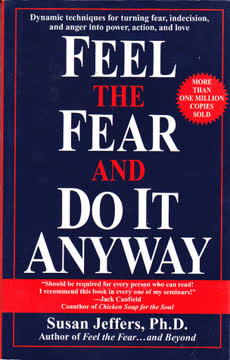
خوف ایک فطری جذبہ ہے۔ ہر انسان نئے چیلنجز یا انجان حالات کا سامنا کرتے ہوئے خوف محسوس کرتا ہے۔ لیکن خوف پر قابو پانے کی کنجی یہ نہیں کہ آپ اس کے ختم ہونے کا انتظار کریں، بلکہ یہ ہے کہ خوف کے باوجود عمل کریں۔ یہی خیال کتاب کے عنوان "خوف محسوس کرو اور پھر بھی کرو" میں پوشیدہ ہے۔
خوف کی سمجھ: خوف کی تین سطحیں ہوتی ہیں:
- سطح 1: مخصوص حالات کا خوف (مثلاً عوامی تقریر، کیریئر کی تبدیلی)
- سطح 2: انا پر مبنی خوف (مثلاً ردِ قبولیت، ناکامی، کمزوری)
- سطح 3: بنیادی خوف: "میں اسے سنبھال نہیں سکتا"
جب آپ یہ جان لیں کہ آپ جو بھی حالات آئیں، انہیں سنبھال سکتے ہیں، تو آپ کے خوف کم ہو جاتے ہیں اور آپ اپنی زندگی پر قابو پا سکتے ہیں۔
2۔ مثبت سوچ خوف پر قابو پانے کا ایک طاقتور ذریعہ ہے
مثبت الفاظ ہمیں جسمانی طور پر مضبوط بناتے ہیں؛ منفی الفاظ ہمیں جسمانی طور پر کمزور کرتے ہیں۔
اپنے ذہن کو دوبارہ تربیت دیں۔ مثبت سوچ صرف ایک خوشگوار خیال نہیں بلکہ ہمارے جسمانی اور ذہنی صحت پر واضح اثرات رکھتی ہے۔ مثبت ذہنیت پیدا کرنے کے لیے:
- ایک "مثبت سوچ کا آلہ خانہ" تیار کریں جس میں شامل ہوں:
- متاثر کن آڈیو مواد
- حوصلہ افزا کتابیں
- تصدیقی کارڈز یا ایپس
- اپنے ماحول میں مثبت اقوال کی نمائش
روزانہ کی مشق: مثبت سوچ کو مضبوط کرنے کے لیے ایک معمول بنائیں:
- دن کا آغاز تصدیقات یا متاثر کن مواد سے کریں
- دن بھر منفی خود کلامی کی جگہ مثبت تصدیقات استعمال کریں
- دن کا اختتام آرام یا مراقبہ کی مشقوں سے کریں
یاد رکھیں کہ مثبت سوچ کو عادت بنانے کے لیے مستقل مشق اور تقویت کی ضرورت ہوتی ہے۔
3۔ اپنی زندگی اور فیصلوں کی ذمہ داری قبول کریں
آپ کے سوچنے یا عمل کرنے پر آپ کے علاوہ کوئی قابو نہیں رکھ سکتا۔
اپنے انتخاب کا مالک بنیں۔ ذمہ داری قبول کرنا اس بات کا اعتراف ہے کہ آپ اپنی زندگی کے تجربات کے خالق ہیں۔ یہ نقطہ نظر آپ کو تبدیلی لانے اور رکاوٹوں پر قابو پانے کا اختیار دیتا ہے۔
ذمہ داری قبول کرنے کے اہم پہلو:
- دوسروں یا بیرونی حالات کو الزام دینے سے گریز کریں
- ان "فائدوں" کو پہچانیں جو آپ کو منفی رویوں میں جکڑے رکھتے ہیں
- زندگی میں جو چاہتے ہیں اس کے بارے میں شعوری فیصلے کریں
- ہر حالت میں دستیاب متعدد انتخابوں سے آگاہ رہیں
ذمہ داری قبول کر کے آپ درد اور بے بسی کی حالت سے طاقت اور عمل کی حالت میں آ جاتے ہیں۔
4۔ تبدیلی کو قبول کریں اور نئے تجربات کے لیے "ہاں" کہیں
خوف پر قابو پانا اس خوف سے کم ڈراؤنا ہے جو بے بسی کے احساس سے پیدا ہوتا ہے۔
انجان کو خوش آمدید کہیں۔ اپنی کائنات کو "ہاں" کہنا زندگی کے چیلنجز اور مواقع کو قبول کرنے اور گلے لگانے کا مطلب ہے، بجائے اس کے کہ ان کی مزاحمت کی جائے۔ یہ طریقہ مستقبل کے خوف اور اضطراب کو کم کرنے میں مدد دیتا ہے۔
"ہاں" کہنے کے فوائد:
- لچک اور مطابقت پذیری میں اضافہ
- نئے مواقع اور تجربات کے دروازے کھولنا
- انجان کے بارے میں دباؤ اور اضطراب میں کمی
- ذاتی ترقی اور خود شناسی میں اضافہ
جب غیر متوقع واقعات یا تبدیلیوں کا سامنا ہو تو مزاحمت کرنے کی بجائے سر ہلا کر "ہاں" کہیں۔ یہ سادہ عمل آپ کے نقطہ نظر کو بدل سکتا ہے اور ہر حالت میں مثبت نتائج تلاش کرنے میں مدد دے سکتا ہے۔
5۔ متوازن اور مکمل زندگی کا طریقہ اپنائیں
جب ہم واقعی اس فراوانی کا احساس کرتے ہیں، تو ہم اس کہاوت کو سمجھتے ہیں "میرا پیالہ لبالب بھر گیا ہے۔"
مکمل زندگی بنائیں۔ متوازن "مکمل زندگی کا جال" تیار کرنے سے خوف اور ضرورت کم ہوتی ہے کیونکہ آپ کی خودی اور اطمینان کا انحصار زندگی کے کسی ایک پہلو پر نہیں ہوتا۔
مکمل زندگی کے جال کے اجزاء:
- تعلقات
- کیریئر
- ذاتی ترقی
- تفریح
- صحت
- معاشرتی خدمات
- روحانیت یا اعلیٰ خود
ہر شعبے کے لیے:
- اپنے مثالی منظرنامے کا تصور کریں
- مخصوص اہداف مقرر کریں
- اس پہلو کو بہتر بنانے اور پروان چڑھانے کے لیے عمل کریں
ایک بھرپور، کثیر الجہتی زندگی اپنانے سے آپ کسی بھی ایک شعبے میں ناکامی کے اثرات سے زیادہ مضبوط بن جاتے ہیں۔
6۔ محبت، اعتماد، اور فراوانی کو فروغ دیں
محبت کرنے کا مطلب ہے دینے کے قابل ہونا۔ اور اب دینے کا وقت ہے۔
دینے کا جذبہ اپنائیں۔ سخاوت اور فراوانی کے جذبے کو پروان چڑھانے سے خوف اور عدم تحفظ میں نمایاں کمی آتی ہے۔ جو کچھ آپ دے سکتے ہیں اس پر توجہ مرکوز کر کے آپ محبت اور اعتماد کا مثبت سلسلہ قائم کرتے ہیں۔
دینے کی مشق کے طریقے:
- شکرگزاری اور قدر دانی کا اظہار کریں
- علم اور معلومات بانٹیں
- اپنا وقت اور توجہ دیں
- تعریف اور حوصلہ افزائی کریں
- اپنی استطاعت کے مطابق مالی سخاوت کریں
اپنی زندگی کے مثبت تجربات اور نعمتوں کو درج کرنے کے لیے "کتابِ فراوانی" رکھیں۔ یہ مشق آپ کی توجہ کمی سے فراوانی کی طرف منتقل کرتی ہے، خوف کو کم کرتی ہے اور محبت و اعتماد کی صلاحیت بڑھاتی ہے۔
7۔ اپنے اعلیٰ خود سے جڑیں تاکہ اندرونی سکون حاصل ہو
اگر ہم شعوری اور مستقل طور پر اپنے روحانی حصے پر توجہ نہ دیں، تو ہم وہ خوشی، اطمینان، حفاظت، اور تعلق کبھی محسوس نہیں کر پائیں گے جس کی ہم سب تلاش میں ہیں۔
اندرونی حکمت تک رسائی حاصل کریں۔ آپ کا اعلیٰ خود وہ حصہ ہے جو کائناتی حکمت، محبت، اور فراوانی سے جڑا ہوتا ہے۔ اس پہلو سے جڑ کر آپ زیادہ سکون حاصل کر سکتے ہیں اور خوف کو کم کر سکتے ہیں۔
اپنے اعلیٰ خود سے جڑنے کے طریقے:
- روزانہ مراقبہ یا خاموش غور و فکر
- جرنلنگ یا تخلیقی اظہار
- روزمرہ کی سرگرمیوں میں ذہن سازی کی مشق
- ایسی سرگرمیوں میں مشغول ہونا جو آپ کو خوشی اور اطمینان دیتی ہیں
اپنی بصیرت کو بھی فروغ دیں تاکہ آپ اپنے اعلیٰ خود تک بہتر رسائی حاصل کر سکیں۔ "دل کی آواز" اور اندرونی رہنمائی پر دھیان دیں، اور ان بصیرتوں پر عمل کرنے کی مشق کریں تاکہ آپ کی اندرونی حکمت کے ساتھ تعلق مضبوط ہو۔
جائزوں کا خلاصہ
Feel the Fear and Do It Anyway کتاب کو قارئین کی جانب سے مخلوط آراء حاصل ہوئیں۔ متعدد قارئین نے اسے بصیرت افروز اور زندگی بدل دینے والی قرار دیا، خاص طور پر اس کی عملی نصیحتوں کو سراہا جو خوف پر قابو پانے اور خود اعتمادی بڑھانے میں مدد دیتی ہیں۔ ابتدائی چند ابواب کو خاص طور پر پذیرائی ملی۔ تاہم، بعض نقادوں کا خیال تھا کہ بعد کے ابواب موضوع سے ہٹ کر بار بار دہرائے جانے والے یا پرانے خیالات پر مشتمل تھے۔ کتاب کا مثبت سوچ اور خود اختیاری کے حوالے سے انداز بہت سے لوگوں کے دل کو بھایا، جبکہ کچھ نے اسے سادہ اور سنجیدہ مسائل کو نظر انداز کرنے والا قرار دیا۔ تنقید کے باوجود، بہت سے قارئین نے اسے ایک مفید خود مددگار وسیلہ کے طور پر تجویز کیا۔
لوگوں نے یہ بھی پڑھا





 عمیق
عمیق

 عمیق
عمیق

عمومی سوالات
What's "Feel the Fear... and Do It Anyway" about?
- Author's Purpose: Susan Jeffers wrote this book to help readers transform fear, indecision, and anger into power, action, and love.
- Core Message: The book emphasizes that fear is a natural part of life and can be managed through education and reeducation of the mind.
- Practical Techniques: It provides dynamic techniques and exercises to help readers handle fear and make empowering decisions.
- Personal Growth: The book encourages readers to embrace fear as a stepping stone to personal growth and fulfillment.
Why should I read "Feel the Fear... and Do It Anyway"?
- Overcoming Fear: If you struggle with fear and indecision, this book offers practical tools to help you face and overcome these challenges.
- Empowerment: It empowers readers to take control of their lives by changing their mindset and embracing fear as a natural part of growth.
- Real-Life Examples: The book includes relatable stories and examples that illustrate how others have successfully managed fear.
- Comprehensive Approach: It covers various aspects of life, including relationships, career, and personal development, making it applicable to a wide audience.
What are the key takeaways of "Feel the Fear... and Do It Anyway"?
- Fear is Universal: Everyone experiences fear, but it doesn't have to be a barrier to success.
- Reeducation is Key: Fear is often an educational problem, and reeducating the mind can help manage it effectively.
- No-Lose Decisions: The book introduces the concept of making no-lose decisions, where every choice leads to growth and learning.
- Power of Positive Thinking: Positive thinking and affirmations are crucial tools for overcoming fear and building self-confidence.
How does Susan Jeffers define fear in "Feel the Fear... and Do It Anyway"?
- Three Levels of Fear: Jeffers categorizes fear into three levels: surface fears, ego-based fears, and the core fear of not being able to handle life.
- Educational Problem: She views fear as primarily an educational issue rather than a psychological one.
- Fear as a Fact of Life: Fear is presented as a natural and unavoidable part of life that can be managed with the right mindset.
- Reeducation Solution: By reeducating the mind, fear can be transformed from a barrier into a motivator for action and growth.
What is the "No-Lose Decision-Making Model" in "Feel the Fear... and Do It Anyway"?
- Two Paths, Both Right: The model suggests that every decision leads to growth and learning, making it impossible to make a wrong choice.
- Opportunities in Every Path: Each path offers opportunities to experience life in new ways, regardless of the outcome.
- Focus on Learning: The emphasis is on learning and growing from every decision, rather than fearing mistakes.
- Empowerment Through Choice: This model empowers individuals to make decisions without the fear of failure, as every choice is a step forward.
How does "Feel the Fear... and Do It Anyway" suggest handling fear?
- Feel the Fear: Acknowledge that fear will never completely go away as long as you continue to grow.
- Do It Anyway: The only way to diminish fear is to take action despite feeling afraid.
- Build Self-Confidence: Taking action builds self-confidence, which in turn reduces fear over time.
- Universal Experience: Recognize that everyone experiences fear, which can be comforting and motivating.
What are the "Five Truths About Fear" according to Susan Jeffers?
- Fear is Constant: Fear will never go away as long as you continue to grow.
- Action Reduces Fear: The only way to get rid of the fear of doing something is to go out and do it.
- Self-Esteem Boost: The only way to feel better about yourself is to go out and do it.
- Universal Fear: Everyone experiences fear when on unfamiliar territory.
- Helplessness vs. Action: Pushing through fear is less frightening than living with the underlying fear that comes from a feeling of helplessness.
What role does positive thinking play in "Feel the Fear... and Do It Anyway"?
- Powerful Tool: Positive thinking is a powerful tool for overcoming fear and building self-confidence.
- Daily Practice: It requires daily practice and reinforcement to become a natural way of thinking.
- Physical Impact: Positive words and thoughts can physically strengthen and empower individuals.
- Realistic Approach: Positive thinking is presented as a more realistic approach to life than negative thinking.
How does Susan Jeffers suggest building a "Whole Life" in "Feel the Fear... and Do It Anyway"?
- Life Grid Concept: Create a grid that includes various aspects of life, such as relationships, work, personal growth, and contribution.
- Commitment to Each Area: Commit 100% to each area of the grid to create a balanced and fulfilling life.
- Reduce Neediness: A well-rounded life reduces the feeling of neediness and fear of loss.
- Action and Visualization: Use visualization and action to bring each area of the grid to life.
What is the "Pain-to-Power" concept in "Feel the Fear... and Do It Anyway"?
- Shift in Perspective: The concept involves shifting from a position of pain (helplessness) to a position of power (choice and action).
- Empowerment: By taking action and making choices, individuals can move from feeling powerless to feeling empowered.
- Vocabulary Change: Changing the way you speak about yourself and your life can help shift from pain to power.
- Daily Practice: Regularly practicing this shift in perspective can lead to a more powerful and fulfilling life.
What are some of the best quotes from "Feel the Fear... and Do It Anyway" and what do they mean?
- "Feel the fear... and do it anyway!": This quote encapsulates the book's core message that fear is natural, but it shouldn't stop you from taking action.
- "The only way to get rid of the fear of doing something is to go out and do it.": This emphasizes the importance of action in overcoming fear.
- "Pushing through fear is less frightening than living with the underlying fear that comes from a feeling of helplessness.": This highlights the idea that taking action is less scary than remaining stuck in fear.
- "You’re not a failure if you don’t make it; you’re a success because you try.": This quote encourages readers to redefine success as the act of trying, rather than the outcome.
How does "Feel the Fear... and Do It Anyway" address the fear of making mistakes?
- No-Lose Model: The book introduces a decision-making model where every choice leads to growth, making mistakes impossible.
- Learning Opportunities: Mistakes are seen as opportunities to learn and grow, rather than failures.
- Shift in Mindset: By changing the way you think about mistakes, you can reduce the fear associated with them.
- Empowerment Through Action: Taking action, even if it leads to mistakes, is empowering and builds self-confidence.