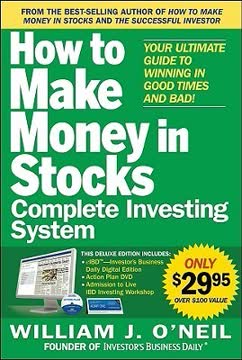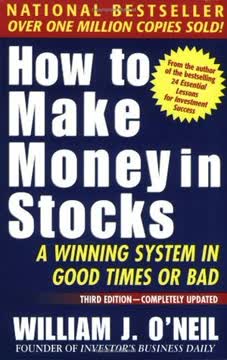
اہم نکات
1۔ مارکیٹ میں کامیابی کے لیے CAN SLIM سرمایہ کاری نظام میں مہارت حاصل کریں
"آپ کو یہ سمجھنا ہوگا کہ کب آپ غلط ہو سکتے ہیں اور بغیر ہچکچاہٹ کے اسٹاک بیچ دینا چاہیے۔ آپ کیسے جانیں گے کہ آپ غلط ہیں؟ اسٹاک کی قیمت اس قیمت سے نیچے گر جائے گی جو آپ نے ادا کی تھی!"
CAN SLIM کی بنیادی باتیں: CAN SLIM سرمایہ کاری نظام، جو ولیم جے او نیل نے تیار کیا ہے، ممکنہ مارکیٹ فاتحین کی شناخت کے لیے ایک ثابت شدہ حکمت عملی ہے۔ ہر حرف ایک اہم خصوصیت کی نمائندگی کرتا ہے:
- C: موجودہ سہ ماہی آمدنی (کم از کم 25% اضافہ)
- A: سالانہ آمدنی میں اضافہ (کم از کم 25%)
- N: نئے مصنوعات، انتظامیہ، یا قیمت کی نئی بلندی
- S: طلب اور رسد (زیادہ طلب میں مصنوعات)
- L: اپنی صنعت میں رہنما
- I: ادارہ جاتی حمایت
- M: مارکیٹ کی سمت
ان خصوصیات پر توجہ مرکوز کر کے، سرمایہ کار ایسے اسٹاک منتخب کرنے کے امکانات کو نمایاں طور پر بہتر بنا سکتے ہیں جن میں نمایاں ترقی کی صلاحیت ہو۔ یہ نظام بنیادی تجزیہ کو تکنیکی چارٹ پڑھنے کے ساتھ ملانے کی اہمیت پر زور دیتا ہے تاکہ باخبر سرمایہ کاری کے فیصلے کیے جا سکیں۔
2۔ بہترین سرمایہ کاری کے لیے مارکیٹ کے رجحانات اور وقت کی سمجھ بوجھ حاصل کریں
"ایک بڑھتے ہوئے مارکیٹ میں سرمایہ کاری سب سے محفوظ اور آسان طریقہ ہے پیسہ کمانے کا۔"
مارکیٹ کی سمت اہم ہے: کامیاب سرمایہ کاری کے لیے مجموعی مارکیٹ کے رجحان کو سمجھنا نہایت ضروری ہے۔ یاد رکھنے کے اہم نکات:
- فالو تھرو دن ممکنہ مارکیٹ اپ ٹرینڈ کی نشاندہی کرتے ہیں
- ڈسٹری بیوشن دن ممکنہ مارکیٹ اصلاحات کی علامت ہوتے ہیں
- موجودہ مارکیٹ کی صورتحال سے آگاہ رہنے کے لیے IBD کا مارکیٹ پلس استعمال کریں
سرمایہ کاروں کو چاہیے کہ تصدیق شدہ اپ ٹرینڈ کے دوران اسٹاک خریدیں اور اصلاحات کے دوران نقد رقم میں منتقل ہو جائیں۔ یہ طریقہ نقصان کو کم کرنے اور منافع کو زیادہ سے زیادہ کرنے میں مدد دیتا ہے کیونکہ سرمایہ کاری سازگار مارکیٹ حالات کے مطابق ہوتی ہے۔ وقت کا تعین بہت اہم ہے – جب نیا اپ ٹرینڈ شروع ہو تو عمل کرنے کے لیے تیار رہنا نمایاں منافع کا باعث بن سکتا ہے۔
3۔ جیتنے والے اسٹاک تلاش کرنے کے لیے منظم معمول تیار کریں
"کلید یہ ہے کہ ایک ایسا معمول بنائیں جو آپ کے لیے کام کرے، جسے آپ روزانہ مستقل بنیاد پر جاری رکھ سکیں۔"
روزانہ اور ہفتہ وار عادات: کامیاب سرمایہ کار مارکیٹ کے تجزیے اور اسٹاک کے انتخاب کے لیے مستقل معمولات قائم کرتے اور برقرار رکھتے ہیں۔ ایک عام معمول میں شامل ہو سکتا ہے:
روزانہ:
- The Big Picture کالم میں مارکیٹ کی سمت چیک کریں
- Stocks on the Move میں ممکنہ بریک آؤٹ دیکھیں
- اپنی واچ لسٹ کے اسٹاک کے چارٹس کا تجزیہ کریں
ہفتہ وار:
- IBD 50 میں بہترین کارکردگی دکھانے والے اسٹاک کا مطالعہ کریں
- The New America کے مضامین پڑھیں تاکہ ابھرتے ہوئے رہنماؤں کو جان سکیں
- حالیہ تجارتوں کا بعد از تجزیہ کریں
یہ عادات سرمایہ کاروں کو مرکوز، باخبر اور مارکیٹ کے مواقع سے فائدہ اٹھانے کے لیے تیار رکھتی ہیں۔ ایک ثابت شدہ معمول پر مستقل عمل کرنا اکثر اسٹاک مارکیٹ میں کامیابی اور ناکامی کے درمیان فرق ہوتا ہے۔
4۔ تجارت میں جذبات کو قابو میں رکھنا اور انا کو کنٹرول کرنا سیکھیں
"جذبات آپ پر حاوی ہو سکتے ہیں، اور اگر آپ کے اصول نہ ہوں تو خراب فیصلے مزید خراب فیصلوں کا باعث بنتے ہیں۔"
نفسیاتی نظم و ضبط: کامیاب سرمایہ کاری کے لیے اپنے جذبات پر قابو پانا اور نظم و ضبط برقرار رکھنا ضروری ہے۔ اہم حکمت عملیوں میں شامل ہیں:
- تحریری تجارتی قواعد تیار کریں اور ان پر سختی سے عمل کریں
- اسٹاک سے محبت کرنے یا حد سے زیادہ خود اعتمادی سے بچیں
- غلطیوں سے سیکھیں اور بعد از تجارت تجزیہ کریں
- نظام پر توجہ مرکوز رکھیں، ذاتی رائے یا جذبات پر نہیں
جذباتی کنٹرول اکثر سرمایہ کاری کا سب سے مشکل پہلو ہوتا ہے۔ نفسیاتی تعصبات کو پہچان کر اور ان کا انتظام کر کے، سرمایہ کار زیادہ معقول فیصلے کر سکتے ہیں اور مہنگی غلطیوں سے بچ سکتے ہیں۔ ایک منظم طریقہ اپنانے سے جذبات کو فیصلوں سے الگ کیا جا سکتا ہے اور نتائج میں تسلسل آتا ہے۔
5۔ مستقل منافع کے لیے سخت خرید و فروخت کے اصول نافذ کریں
"CAN SLIM سرمایہ کاری کا بنیادی اصول یہ ہے کہ تمام نقصانات کو اس قیمت سے 7 سے 8 فیصد سے زیادہ نیچے نہ جانے دیں جو آپ نے اسٹاک خریدنے میں ادا کی تھی۔"
خطرے کا انتظام: واضح خرید و فروخت کے قواعد قائم کرنا اور ان پر عمل کرنا طویل مدتی کامیابی کے لیے ناگزیر ہے۔ اہم قواعد درج ذیل ہیں:
خریداری:
- ایسے اسٹاک خریدیں جو مضبوط بیس پیٹرن سے بریک آؤٹ کر رہے ہوں
- بریک آؤٹ پر حجم اوسط سے کم از کم 40 فیصد زیادہ ہو
- 10 ہفتے کی موونگ ایوریج پر پل بیک کے دوران خریداری پر غور کریں
فروخت:
- خریداری کی قیمت سے 7-8 فیصد نیچے نقصانات کو روک دیں
- 20-25 فیصد منافع پر زیادہ تر منافع نکال لیں
- جو اسٹاک 2-3 ہفتوں میں 20 فیصد بڑھیں، انہیں کم از کم 8 ہفتے تک رکھیں
یہ قواعد سرمایہ کاروں کو نقصانات کو کم کرنے، منافع کو محفوظ کرنے، اور ممکنہ بڑے فاتحین سے فائدہ اٹھانے میں مدد دیتے ہیں۔ ان ہدایات پر مستقل عمل جذباتی فیصلوں کو ختم کرتا ہے اور مجموعی پورٹ فولیو کی کارکردگی کو بہتر بناتا ہے۔
6۔ مستقبل کے مارکیٹ رہنماؤں کو پہچاننے کے لیے تاریخی پیٹرنز کا مطالعہ کریں
"ماضی کے بڑے فاتحین کے پیٹرنز بار بار دہرائے جاتے ہیں۔"
پیٹرن کی شناخت: ماضی کے مارکیٹ رہنماؤں کے تاریخی چارٹس کا مطالعہ سرمایہ کاروں کو ممکنہ مستقبل کے فاتحین کی شناخت میں مدد دیتا ہے۔ توجہ دینے والے اہم پہلو:
- بیس پیٹرنز (کپ ود ہینڈل، ڈبل باٹم، فلیٹ بیس)
- بریک آؤٹ کے دوران حجم کی خصوصیات
- بڑے حرکات کے ابتدائی مراحل میں قیمت اور حجم کی حرکت
ان پیٹرنز سے واقفیت حاصل کر کے، سرمایہ کار موجودہ مارکیٹ حالات میں مشابہ سیٹ اپ کو آسانی سے پہچان سکتے ہیں۔ یہ علم ممکنہ بڑے فاتحین میں جلد داخلے اور معمولی اصلاحات کے دوران پوزیشن برقرار رکھنے کے لیے اعتماد پیدا کرتا ہے۔
7۔ خود کو مسلسل تعلیم دیں اور مارکیٹ کی تبدیلیوں کے مطابق خود کو ڈھالیں
"یہ مسلسل سیکھنے کا عمل ہی سب سے زیادہ فائدہ مند ہے۔"
زندگی بھر کی تعلیم: اسٹاک مارکیٹ مسلسل بدل رہی ہے، اس لیے سرمایہ کاروں کو خود کو مسلسل تعلیم دینے اور اپنی حکمت عملیوں کو ڈھالنے کی ضرورت ہے۔ معلومات حاصل کرنے اور مہارت بہتر بنانے کے طریقے:
- IBD کے ورکشاپس اور سیمینارز میں شرکت کریں
- مقامی IBD Meetup گروپس میں شامل ہوں
- بعد از تجارت تجزیہ کے ذریعے ماضی کی تجارتوں کا مطالعہ کریں
- کامیاب سرمایہ کاروں اور تاجروں کی کتابیں پڑھیں
- مارکیٹ کے رجحانات اور نئی مصنوعات/خدمات سے باخبر رہیں
کامیاب سرمایہ کار کبھی سیکھنا نہیں چھوڑتے۔ نئے علم کی تلاش اور مہارتوں کی بہتری کے ذریعے وہ بدلتے ہوئے مارکیٹ حالات کے مطابق خود کو ڈھال سکتے ہیں اور مسابقتی برتری برقرار رکھ سکتے ہیں۔ نئی معلومات اور تجربات کی بنیاد پر اپنے طریقہ کار کو اپنانا طویل مدتی کامیابی کی علامت ہے۔
لوگوں نے یہ بھی پڑھا

 عمیق
عمیق

عمومی سوالات
What's "How to Make Money in Stocks: A Winning System in Good Times or Bad" about?
- Overview: The book by William J. O'Neil provides a comprehensive guide to stock market investing using the CAN SLIM strategy, which is based on historical research of the market's biggest winners.
- Purpose: It aims to help both new and experienced investors understand how to identify and invest in leading stocks during market uptrends and protect their capital during downtrends.
- Structure: The book is structured to take readers through a step-by-step process, from understanding market trends to executing trades and managing a portfolio.
- Success Stories: It includes real-life success stories of investors who have applied the CAN SLIM strategy to achieve significant financial gains.
Why should I read "How to Make Money in Stocks"?
- Proven Strategy: The book offers a time-tested investing strategy that has been successful for decades, helping investors make informed decisions.
- Comprehensive Guide: It covers all aspects of stock investing, from market analysis to stock selection and portfolio management, making it suitable for both beginners and seasoned investors.
- Real-Life Examples: The inclusion of success stories provides practical insights and inspiration, showing how the strategy can be applied in real-world scenarios.
- Educational Value: Readers will gain a deeper understanding of market dynamics and learn how to develop a disciplined approach to investing.
What are the key takeaways of "How to Make Money in Stocks"?
- CAN SLIM Strategy: The book emphasizes the importance of the CAN SLIM strategy, which focuses on current earnings, annual earnings, new products, supply and demand, leadership, institutional sponsorship, and market direction.
- Market Timing: Understanding market trends and timing is crucial for maximizing gains and minimizing losses.
- Discipline and Rules: The book stresses the importance of following a set of rules to keep emotions in check and make rational investment decisions.
- Continuous Learning: Successful investing requires ongoing education and adaptation to changing market conditions.
What is the CAN SLIM strategy in "How to Make Money in Stocks"?
- C - Current Earnings: Look for stocks with a minimum of 25% increase in the most recent quarter's earnings.
- A - Annual Earnings: Focus on companies with annual earnings growth of at least 25% over the past three to five years.
- N - New Products or Services: Invest in companies with innovative products or services that are in high demand.
- S - Supply and Demand: Favor stocks with high trading volume, indicating strong institutional interest.
How does "How to Make Money in Stocks" suggest timing the market?
- Follow-Through Days: The book highlights the importance of identifying follow-through days, which signal a change from a downtrend to a new uptrend.
- Distribution Days: It advises monitoring distribution days, which indicate heavy selling and potential market corrections.
- Market Pulse: Regularly check the market's overall trend using tools like IBD's Market Pulse to guide investment decisions.
- Stay Flexible: Be prepared to adjust your strategy based on market conditions, as the market can change rapidly.
What are the best quotes from "How to Make Money in Stocks" and what do they mean?
- "The market doesn’t know who you are, doesn’t know how bright you are, and doesn’t know what great college you attended. It simply doesn’t care." This quote emphasizes the importance of humility and following the market's signals rather than relying on personal opinions or ego.
- "You have to realize when you may be wrong and sell a stock without hesitation." It underscores the necessity of cutting losses quickly to preserve capital.
- "Investing is not an elite club, or something you cannot do. If you think that way, I believe you are dead wrong." This quote encourages readers to believe in their ability to succeed in investing with the right knowledge and discipline.
How does "How to Make Money in Stocks" address emotional control in investing?
- Recognize Emotions: The book identifies common emotions like hope, fear, and greed that can negatively impact investment decisions.
- Set Rules: It advises setting predetermined rules for buying and selling to minimize emotional trading.
- Stay Disciplined: Emphasizes the importance of discipline in following a proven strategy and not deviating based on emotions.
- Learn from Mistakes: Encourages investors to review past trades to understand emotional triggers and improve future decision-making.
What role do institutional investors play in "How to Make Money in Stocks"?
- Driving Force: Institutional investors are the primary drivers of stock prices due to their large-scale buying and selling.
- Volume Indicator: High trading volume often indicates institutional interest, which is a positive sign for potential stock performance.
- Support Levels: Institutions often provide support at key moving averages, making these levels important for investors to watch.
- Research Focus: The book suggests focusing on stocks with strong institutional sponsorship as they are more likely to be market leaders.
How does "How to Make Money in Stocks" suggest handling big winners?
- Hold for Big Gains: The book advises holding onto stocks that show strong performance and potential for significant gains.
- Pyramiding: It suggests adding to positions in winning stocks at logical points to maximize returns.
- Avoid Early Selling: Warns against taking small profits in big winners, as this can limit overall gains.
- Monitor Fundamentals: Continually assess the stock's fundamentals to ensure it remains a strong investment.
What is the significance of volume in "How to Make Money in Stocks"?
- Supply and Demand: Volume is a key indicator of supply and demand, with high volume suggesting strong interest in a stock.
- Breakouts: Look for breakouts on high volume as a sign of institutional buying and potential for further price increases.
- Support and Resistance: Volume can help identify support and resistance levels, providing insights into potential price movements.
- Confirmation: Use volume to confirm price trends and validate the strength of a stock's movement.
How does "How to Make Money in Stocks" recommend managing a portfolio?
- Diversification: The book suggests diversifying investments across different sectors to reduce risk.
- Position Sizing: Start with small positions and add to them as confidence in the stock's performance grows.
- Regular Review: Continuously review and adjust the portfolio based on market conditions and stock performance.
- Capital Preservation: Emphasizes the importance of preserving capital by cutting losses and taking profits at appropriate times.
What are the common mistakes to avoid according to "How to Make Money in Stocks"?
- Ignoring Market Trends: Failing to recognize and adapt to market trends can lead to significant losses.
- Emotional Trading: Allowing emotions to dictate investment decisions often results in poor outcomes.
- Holding Losers: Keeping losing stocks in the hope they will recover can erode capital.
- Overconfidence: Believing you are always right can lead to ignoring important market signals and making costly mistakes.