重點摘要
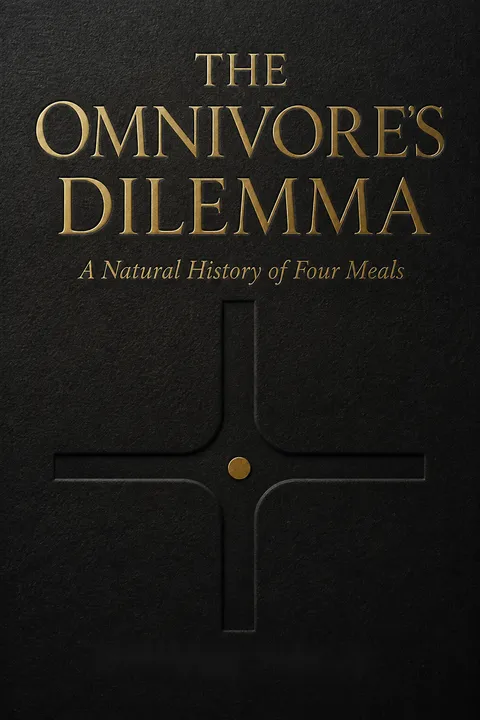
雜食者的兩難:現代社會中的飲食抉擇
「每當我們決定是否食用野生蘑菇時,雜食者的兩難便會重演,但這種困境同樣存在於我們與所謂可食用物的非原始接觸中。」
資訊過載: 在當今的飲食環境中,消費者面臨琳瑯滿目的選擇,伴隨著相互矛盾的營養建議與倫理考量。這種選擇的豐富,加上與食物來源的疏離,導致了麥可·波倫所謂的「國家飲食失調症」。
歷史視角: 雜食者的兩難並非新鮮事。歷史上,人類一直在掙扎於「吃什麼」的問題。然而,食品系統的工業化使決策過程更加複雜,引入了新的因素,例如:
- 加工食品相關的健康疑慮
- 工業農業對環境的影響
- 動物福利的倫理考量
- 肥胖與糖尿病等飲食相關疾病的興起
文化影響: 我們的飲食選擇深受文化規範與社會潮流影響。書中探討了行銷、政府政策與生活型態變遷如何塑造我們的飲食習慣,常常使我們遠離傳統的完整食物,轉向更多加工替代品。
工業玉米:美國食品系統的支柱
「玉米是餵養成為牛排的牛的飼料。玉米餵養雞、豬、火雞和羊,也餵養鯰魚、羅非魚,甚至越來越多的鮭魚——這種天生的肉食魚類正被養殖者改造以適應玉米飼料。」
無處不在: 工業玉米已成為美國食品系統的基礎,出現在無數產品中,遠超過明顯的玉米食品。其普及原因包括:
- 政府補貼使玉米生產極具利潤
- 作為食品加工原料的多功能性
- 高效將陽光轉化為熱量
隱藏的玉米: 許多加工食品含有不易察覺的玉米衍生成分:
- 高果糖玉米糖漿
- 改性玉米澱粉
- 玉米飼養的動物產品
- 基於玉米的食品添加劑與防腐劑
生態影響: 工業玉米系統帶來深遠後果:
- 單一作物耕作導致土壤耗竭,需大量施肥與農藥
- 透過廉價高熱量加工食品助長肥胖流行
- 改變鄉村經濟與農業實踐
便宜食物的隱藏代價:環境與健康衝擊
「一個九十九美分的速食漢堡,其實並未計入這餐的真實成本——對土壤、石油、公共健康、公共財政等的損耗,這些成本從未直接向消費者收取,而是間接且無形地由納稅人承擔。」
外部成本: 工業食品系統透過外部化許多真實成本,生產出看似便宜的食物:
- 環境破壞:土壤侵蝕、水污染、生物多樣性喪失
- 公共健康:肥胖、糖尿病及其他飲食相關疾病率上升
- 社會成本:鄉村社區衰退、農工剝削
化石燃料依賴: 現代農業高度依賴化石燃料:
- 用於肥料與農藥生產
- 驅動農機具
- 運輸食物長距離
長期後果: 書中主張,我們現行的食品系統長遠來看不可持續,因為它:
- 消耗不可再生資源
- 顯著促進氣候變遷
- 危及未來糧食安全
有機農業:永續農業的承諾與妥協
「工業化有機農業已成為一種矛盾的存在。」
有機的演變: 有機運動起初是對工業農業的激進替代方案,但後來部分被大型工業化實踐所吸納:
- 原始原則:土壤健康、生物多樣性、在地食物系統
- 現實狀況:模仿傳統工業方法的大規模有機農場
優勢與限制: 有機農業帶來若干好處,但也面臨挑戰:
優勢:
- 減少合成農藥與肥料使用
- 改善土壤健康與生物多樣性
- 通常提供較佳的農工工作環境
限制:
- 成本較高且產量可能較低
- 難以擴大規模以滿足全球食物需求
- 大規模經營中部分有機原則被妥協
消費者視角: 書中鼓勵讀者超越有機標籤,考慮:
- 農場規模與耕作方式
- 食物從農場到餐桌的距離
- 生產方法的整體永續性
喬爾·薩拉丁的多面向農場:永續農業的典範
「當你查看任何加工食品標籤上的成分,只要你懂得它們所用的化學名稱,你會發現玉米無處不在。」
整體方法: 多面向農場展現了工業農業的替代方案,著重於:
- 模仿自然生態系
- 最大化生物多樣性
- 閉合養分循環
關鍵實踐:
- 多物種輪牧(牛、雞、豬)
- 使用可移動設施頻繁移動動物
- 堆肥與自然施肥方法
- 直接銷售給當地消費者
生態與經濟效益:
- 改善土壤健康與碳封存
- 每英畝產量高於傳統農場
- 動物福利與產品品質提升
- 強化地方食物經濟與社區連結
吃動物的倫理:哲學與實務考量
「素食者在某種程度上是更高等的人類,但我覺得他們在過程中失去了一些東西,而我不願輕易視之為瑣碎。」
哲學辯論: 書中探討多種關於食用動物的倫理觀點:
- 彼得·辛格的動物解放論
- 基於人類特殊性的反駁
- 動物福利與動物權利的考量
實務考量:
- 動物農業對環境的影響
- 肉類消費的健康影響
- 肉食的文化與個人意義
細膩觀點: 波倫認為,若:
- 動物在永續系統中被人道飼養
- 消費者意識到選擇的全面影響
- 以感恩與尊重的態度食用肉類
則倫理的肉食是可能的。
採集與狩獵:重新連結我們的食物來源
「狩獵是那種從內部看與外部看截然不同的體驗。」
原始連結: 採集與狩獵提供了重新連結我們進化過去與自然世界的途徑:
- 提升感官覺察與環境互動
- 直接面對食物來源的現實
- 欣賞自然生態系的複雜性
倫理考量:
- 對動物死亡的個人責任
- 永續採集實踐
- 尊重當地生態系與野生動物族群
實務挑戰:
- 獲取必要技能與知識
- 遵守法律與安全規範
- 在現代生活中平衡時間投入
蘑菇狩獵:生物多樣性與食物意識的啟示
「蘑菇食用是雜食者兩難最鮮明的案例,這或許解釋了人們對野生蘑菇持有強烈的贊成或反對態度。」
真菌之謎: 蘑菇狩獵凸顯我們對自然的有限理解:
- 真菌生態系與生命週期的複雜性
- 科學分類與鑑定的挑戰
- 文化中對蘑菇的喜愛(菌癖)與恐懼(菌懼)差異
採集教訓:
- 地方知識與師徒制的重要性
- 觀察力與模式識別的培養
- 對生物多樣性與季節節律的欣賞
風險與回報: 蘑菇狩獵體現了新奇愛好與恐懼未知的張力:
- 錯誤鑑定的潛在危險
- 野生食物的烹飪與營養獎賞
- 與自然互動的心理益處
個人食物鏈:種植、狩獵與採集一餐
「簡單的觀察與傾聽,調整我的感官以捕捉森林中豬的頻率,佔據了我心智的每一個角落,並將我紮根於當下。」
親身體驗: 波倫嘗試完全自給自足準備一餐,帶來以下洞見:
- 從自然直接獲取食物所需的時間與努力
- 自給自足所需的技能與知識
- 直接取得食物的情感與心理影響
學到的課題:
- 對食物系統複雜性的更深體認
- 對生態關係的增進理解
- 對個人飲食選擇及其影響的覺察提升
更廣泛的意涵: 此實驗成為檢視食品系統更大議題的縮影:
- 現代消費者與食物來源的斷裂
- 工業食品生產的環境與倫理成本
- 重新連結傳統飲食方式的潛在益處
其他人也在讀
常見問題
What's The Omnivore's Dilemma about?
- Exploration of food choices: Michael Pollan investigates the complexities of modern eating habits, focusing on the ethical, environmental, and health implications of our food choices.
- Four meals examined: The book is structured around four meals, each representing different food chains: industrial, organic, local sustainable, and foraged.
- Cultural critique: Pollan critiques the industrial food system, highlighting its disconnection from the origins of our food and the need for more responsible eating habits.
Why should I read The Omnivore's Dilemma?
- Informed eating: The book helps readers understand where their food comes from and the implications of their dietary choices on health and the environment.
- Engaging narrative: Pollan's writing is compelling, filled with personal anecdotes that make complex topics accessible and engaging.
- Cultural relevance: It addresses contemporary issues related to food production, health, and sustainability, making it relevant for those interested in ethical eating.
What are the key takeaways of The Omnivore's Dilemma?
- Understanding food chains: Pollan emphasizes the importance of knowing the food chains that sustain us, from industrial agriculture to foraging.
- Ethical eating: The book advocates for a more ethical approach to eating, urging readers to consider the moral implications of their food choices.
- Connection to nature: Pollan highlights the disconnection between modern eaters and the natural world, promoting a deeper understanding of our relationship with nature.
What is the omnivore's dilemma as defined in The Omnivore’s Dilemma?
- Existential challenge: The omnivore's dilemma refers to the anxiety faced by omnivores when deciding what to eat, given the vast array of food options available.
- Cultural implications: It reflects a cultural shift away from traditional food wisdom, leading to confusion and reliance on experts for dietary guidance.
- Historical context: Pollan traces the origins of the dilemma back to early human history, suggesting it has always been a concern for omnivores.
How does Pollan explore the industrial food chain in The Omnivore’s Dilemma?
- Focus on corn: Pollan examines the industrial food chain primarily through the lens of corn, a dominant crop in American agriculture.
- Impact of monoculture: He discusses the consequences of monoculture farming, which prioritizes high yields over biodiversity and sustainability.
- Consumer disconnect: Pollan highlights the disconnect between consumers and the industrial food system, emphasizing the need for greater awareness.
What alternatives to industrial agriculture does Pollan present in The Omnivore’s Dilemma?
- Pastoral farming: Pollan explores sustainable farming methods, such as those practiced on Polyface Farm, which emphasize ethical practices.
- Local food systems: The book advocates for local food systems that connect consumers directly with farmers, promoting fresh, seasonal produce.
- Foraging and hunting: Pollan discusses the merits of foraging and hunting as ways to reconnect with food sources and understand the natural world.
How does The Omnivore's Dilemma address the ethics of eating meat?
- Moral considerations: Pollan explores the ethical implications of consuming meat, particularly in relation to animal welfare.
- Personal responsibility: The book encourages readers to take responsibility for their food choices, especially regarding meat consumption.
- Cultural context: Pollan discusses how cultural practices shape our views on meat consumption, advocating for a more conscious approach.
What role do local food systems play in The Omnivore's Dilemma?
- Community connection: Local food systems foster relationships between consumers and producers, strengthening local economies.
- Environmental benefits: They reduce the carbon footprint associated with transporting food long distances, promoting sustainability.
- Cultural significance: Local systems help preserve traditional food practices and cultural identities, enhancing appreciation for food.
How does Pollan's personal journey influence the narrative in The Omnivore’s Dilemma?
- Experiential learning: Pollan shares his experiences with farming, foraging, and cooking, allowing readers to connect with the material.
- Self-reflection: The narrative includes Pollan's reflections on his eating habits and the moral implications of his food choices.
- Encouragement for readers: By documenting his journey, Pollan encourages readers to engage with their food sources thoughtfully.
What are the best quotes from The Omnivore’s Dilemma and what do they mean?
- “Eating is an agricultural act.”: This quote emphasizes that every meal is tied to agricultural practices, highlighting the impact of food choices.
- “You are what you eat.”: Pollan uses this phrase to illustrate how diets shape health and identity, urging mindfulness about food quality.
- “The omnivore’s dilemma is a particularly sharp tool for understanding our present predicaments surrounding food.”: This encapsulates the challenge of making food choices in a complex landscape.
How does The Omnivore's Dilemma suggest we can improve our food choices?
- Educate yourself: Pollan encourages learning about food origins and production practices to empower better consumer choices.
- Support local farmers: The book advocates for buying from local sources, promoting sustainability and community ties.
- Embrace seasonal eating: Pollan emphasizes eating foods in season, which supports local ecosystems and enhances food quality.
How does The Omnivore's Dilemma critique industrial agriculture?
- Environmental impact: Pollan discusses the negative consequences, including soil degradation and loss of biodiversity.
- Health concerns: He highlights how industrially produced food is often less nutritious and more prone to contamination.
- Animal welfare issues: Pollan critiques the inhumane conditions in industrial farming, advocating for more ethical practices.

下載 PDF
下載 EPUB
.epub digital book format is ideal for reading ebooks on phones, tablets, and e-readers.








































