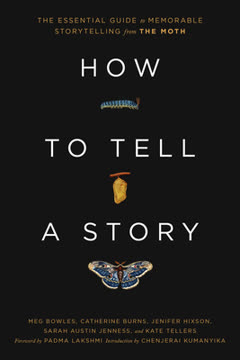
核心要点
1. 每个人都有值得讲述的故事
你是无数故事的集合体。每一次喜悦与心碎,每一次失望与狂喜,都塑造了今天独一无二的你。
你的人生是一座故事的宝藏。 无论经历多么平凡,都可能蕴含引人入胜的叙述。关键在于发现那些塑造你、挑战你或教会你宝贵经验的时刻。它们或许是关键的人生节点,或许是虽小却意义深远的邂逅,甚至是回望时赋予更深含义的平凡瞬间。
克服自我怀疑至关重要。 许多人因觉得自己的故事不够精彩或没有发生过特别的事而犹豫不决。然而,恰恰是那些贴近生活的普通经历,最能引起他人的共鸣。你对普遍人性体验的独特视角,能够为经历相似境遇的人带来启示、慰藉或激励。
- 值得讲述的故事时刻示例:
- 面对恐惧或克服障碍的经历
- 改变你视角的邂逅
- 教会你重要教训的错误
- 意外的善意或情感连接的瞬间
2. 以坚实基础打造你的故事
利害关系赋予故事紧迫感和活力。它们制造张力,让听众充满期待或忐忑,给他们跟随你经历这段旅程的理由。
明确故事核心。 在深入细节前,务必弄清故事真正讲述的是什么。这意味着要识别利害关系——你在其中可能获得或失去的东西——以及核心冲突或挑战。问问自己:当时有什么风险?为什么这件事对你如此重要?这段经历带来了怎样的改变?
构建清晰的故事弧线。 每个引人入胜的故事都有开端、发展和结局,展现主角(你)的变化或成长。这并不意味着故事必须有圆满结局,但应体现某种转变或领悟。
- 坚实故事基础的关键要素:
- 明确利害关系:风险何在?
- 核心冲突:你面临的挑战是什么?
- 变化弧线:你如何成长或学到了什么?
- 一句话总结:能否用一句话概括故事精髓?
3. 用生动细节和场景丰富故事
细节往往是故事中最精彩的部分。信不信由你,即使是最不起眼的细节,也能让故事更具亲切感。
用文字描绘画面。 具体且感官丰富的细节让故事鲜活起来,帮助听众仿佛身临其境。不要仅仅陈述事实,而要描述当时的视觉、听觉、嗅觉和触觉。这种细致入微的描写能营造更沉浸、更难忘的体验。
创造场景,而非简单总结。 不要泛泛而谈事件,而要聚焦关键时刻,将其生动呈现为具体场景。这意味着放慢节奏,重现具体的互动、对话和动作。把故事当作一系列电影镜头,每个镜头推动叙事发展,揭示人物或情境的重要信息。
- 丰富细节与场景的建议:
- 运用五感描写
- 加入相关对话,赋予人物生命
- 聚焦具体瞬间,避免泛泛而谈
- 选择能揭示人物性格或推动情节的细节
- 用比喻或明喻使抽象概念具体化
4. 结构化故事以达到最大效果
结构有时显得抽象,或许因为最好的结构往往隐形且自然——现在让我们将所学付诸实践。
选择合适的结构。 虽然按时间顺序讲述常见且有效,但有时换种方式能让故事更吸引人。可考虑倒叙、平行叙事,或从高潮处切入,制造悬念,保持听众兴趣。关键是选用最能服务于故事情感和叙事弧线的结构。
注意节奏把控。 变换叙述节奏以维持兴趣。有些时刻需放慢细细描绘,有些则可简略带过。思考如何逐步积累张力,并在关键时刻释放。
-
常见故事结构示例:
-
时间顺序:事件按发生顺序展开
-
倒叙:从关键时刻开始,再回溯过程
-
平行叙事:交织两条相关故事线
-
直接入题:从高潮处切入,再补充背景
-
有效节奏要素:
-
逐步积累张力
-
适时加入反思或幽默缓解紧张
-
紧张时刻用短句段增强节奏感
-
句式长短变化营造韵律
5. 运用情感力量讲好故事
如果你感受不到,听众也感受不到。
拥抱脆弱。 最有力量的故事往往来自讲述者真诚展现脆弱。这并非刻意煽情或夸张,而是坦诚表达当时的真实感受。你愿意分享真情实感,能与听众建立联系,使故事更具共鸣和感染力。
情感与反思并重。 传达当时的情绪固然重要,同样宝贵的是分享你对这些情绪的思考。情感经历如何影响你的理解或行动?你从中学到了什么?情感的真挚与理性的反思结合,为故事增添深度,帮助听众理解经历及其更广泛的意义。
- 有效传达情感的技巧:
- 描述情绪在身体上的感受
- 展示内心独白,揭示思想与情感
- 说明情绪如何影响决策或行为
- 对比故事中不同阶段的情绪状态
- 用比喻或类比形容复杂情感
6. 精通讲述与表演艺术
讲故事是一种神圣的行为;它让逝者长存,让生者茁壮成长。它展现了我们最真实的自我。
真诚为本。 讲述时,专注于展现真实的自己,而非刻意表演。自然的声音和举止更能与听众建立真挚联系。熟悉故事内容以增强自信,但不要过度背诵,以免失去即兴感。
与听众互动。 记住讲故事是双向交流,即使只有你在说话。关注听众反应,适时调整表达。保持眼神交流,运用恰当手势,变化语调和节奏,保持听众的注意力。
-
有效讲述的建议:
-
大声练习故事,增强熟悉感
-
识别关键情感时刻,练习真情流露
-
注意肢体语言和面部表情
-
巧用停顿,制造张力或留白反思
-
根据听众反应灵活调整故事
-
常见误区避免:
-
过度排练导致机械僵硬
-
紧张说话过快
-
避免眼神交流或与听众断联
-
频繁使用填充词(嗯、那个、你知道)
-
道歉或贬低自己故事的重要性
7. 用故事连接、激励并推动改变
讲得好的故事有能力在全球范围内引发深远变革。
故事促进共情与理解。 分享个人经历让他人得以换位思考,激发同理心,打破隔阂。讲故事的力量可用于关注社会议题,挑战刻板印象,推动社区和组织的积极变革。
个人故事驱动集体行动。 当个体分享与社会或政治议题相关的经历时,为抽象问题赋予人性面貌。这能激励他人参与、支持事业或寻求解决方案。故事以情感打动人心,是单纯数据难以比拟的力量。
-
利用故事实现积极影响的方式:
-
在教育中分享故事,使学科生动鲜活
-
在倡导工作中用个人叙述说明变革需求
-
在职场沟通中融入故事,增强团队凝聚力
-
搭建平台,让边缘群体讲述自身经历
-
用故事传承文化遗产,传递智慧
-
讲故事影响力的实例:
-
TED演讲通过个人故事传播理念
-
StoryCorps保存口述历史,促进连接
-
The Moth教育项目赋能青少年讲故事
-
纪录片用个人叙事探讨社会议题
-
品牌用客户故事建立真实联系
读者评价
《如何讲故事》这本书评价褒贬不一,平均评分为3.87分(满分5分)。许多读者赞赏其关于打造引人入胜叙事的实用建议,书中借鉴了“The Moth”讲故事平台的丰富经验。读者们特别认可书中关于脆弱性与情感连接的案例与见解。然而,也有部分读者觉得内容重复,且过于侧重于“The Moth”的风格。该书的有声版因收录了精彩的讲故事片段而备受推荐。评论者指出,对于有经验的作家来说,内容较为基础;但对希望提升各类情境下讲故事能力的读者而言,仍具有极高的价值。
其他人还在读

常见问题
What's How to Tell a Story about?
- Focus on Storytelling: How to Tell a Story by Meg Bowles is a guide that delves into the art of storytelling, with a particular emphasis on personal narratives. It draws from the experiences of The Moth, a renowned storytelling organization.
- Empowerment Through Sharing: The book encourages individuals to recognize the value of their own stories and provides tools to articulate these experiences effectively, fostering confidence and connection.
- Practical Techniques: It offers practical advice on developing stories, including mining for memories, structuring narratives, and magnifying emotions, guiding readers through the storytelling process step-by-step.
Why should I read How to Tell a Story?
- Enhance Communication Skills: The book can significantly improve your ability to communicate effectively, engaging audiences in both personal and professional settings.
- Build Empathy and Connection: It emphasizes storytelling as a means to foster empathy and understanding, contributing to a collective human experience.
- Learn from Experts: Authored by experienced storytellers from The Moth, it provides valuable insights and lessons from years of working with diverse storytellers.
What are the key takeaways of How to Tell a Story?
- Everyone Has a Story: The book reinforces the idea that everyone has at least one story worth telling, emphasizing the universality of personal experiences.
- Structure and Emotion Matter: It highlights the importance of structuring your story effectively and infusing it with genuine emotion to evoke feelings and create connections.
- Practice Makes Perfect: The authors stress the importance of practice, offering exercises and prompts to help refine stories and build confidence in delivery.
What specific methods does How to Tell a Story recommend for storytelling?
- Mining for Memories: This involves reflecting on significant life moments to uncover potential stories, focusing on emotions, decisions, and pivotal experiences.
- Creating a One-Sentence Summary: Distilling your story into a single sentence helps clarify its focus and direction, guiding the storytelling process.
- Using Scenes and Details: Incorporating vivid scenes and sensory details engages the audience, making the story more relatable and memorable.
What are some examples of storytelling structures mentioned in How to Tell a Story?
- Chronological Structure: Telling a story in chronological order allows the audience to follow the narrative as it unfolds, often the most compelling for personal stories.
- Two Chronologies in Tandem: Alternating between two simultaneous storylines can deepen emotional impact and illustrate intersecting experiences.
- Flashbacks and Cliffhangers: Using flashbacks provides context or enhances tension, while cliffhangers hook the audience's attention and create suspense.
What are the best quotes from How to Tell a Story and what do they mean?
- “Your story is enough.”: This quote emphasizes that everyone has valuable experiences to share, encouraging readers to embrace their narratives and recognize their worth.
- “If you don’t feel it, the audience won’t feel it.”: It highlights the importance of genuine emotion in storytelling, as authenticity resonates with listeners.
- “Tell stories from the scars, not the wounds.”: This advice suggests sharing experiences that have been processed and healed, encouraging reflection for deeper insights.
How does How to Tell a Story address the emotional aspects of storytelling?
- Emotional Connection: Emotions are the common denominator in storytelling, allowing listeners to connect with the storyteller's experiences.
- Punctuating with Emotion: Infusing narratives with genuine feelings makes the audience feel what the storyteller felt, crucial for a memorable experience.
- Humor and Emotion: The book advises against forced jokes, suggesting humor should arise naturally from the narrative to maintain impact.
What techniques does How to Tell a Story suggest for developing a personal narrative?
- Identifying Key Moments: Reflect on significant life experiences that shaped you or taught important lessons, serving as the foundation for your story.
- Creating a Narrative Arc: Develop a clear narrative arc, showing how you changed from the beginning to the end, conveying the story's message and emotional weight.
- Using Sensory Details: Incorporate sensory details to enhance the storytelling experience, helping the audience visualize and connect with the narrative.
How can I practice storytelling as suggested in How to Tell a Story?
- Storytelling Prompts: Engage with various prompts and exercises to practice finding and telling your stories, encouraging reflection and creativity.
- Rehearsing with Others: Share stories with trusted friends or family to gain feedback and build confidence, improving delivery and timing.
- Recording and Reviewing: Record storytelling sessions to identify areas for improvement, allowing you to hear the story's flow and enhance emotional beats.
What challenges might I face when telling my story, according to How to Tell a Story?
- Emotional Vulnerability: Sharing personal stories can be emotionally taxing, especially if they involve trauma or unresolved feelings.
- Fear of Judgment: Many fear how their stories will be received; the book encourages embracing vulnerability to foster connection and understanding.
- Finding the Right Structure: Determining the best structure for your story can be challenging, but guidance is provided on various structures to support your narrative.
How does How to Tell a Story encourage inclusivity in storytelling?
- Diverse Voices: The book emphasizes the importance of hearing stories from various perspectives, advocating for inclusivity to foster understanding and empathy.
- Community Engagement: Sharing stories can build connections among diverse groups, creating a sense of belonging and shared experience.
- Empowering Others: Encouraging everyone to share their stories empowers individuals who may feel marginalized, reinforcing that every voice matters.
What role does the audience play in storytelling according to How to Tell a Story?
- Engagement and Connection: Audience reactions and engagement are crucial for a successful storytelling experience, creating a shared moment.
- Empathy and Understanding: Stories can bridge gaps between different experiences, fostering empathy and understanding among diverse audiences.
- Feedback Loop: Audience responses influence the storyteller's delivery, creating a dynamic interaction for a more organic and impactful experience.








































