
核心要点
1. 现金流象限:了解你的财务状况
现金流象限代表了收入或资金产生的不同方式。
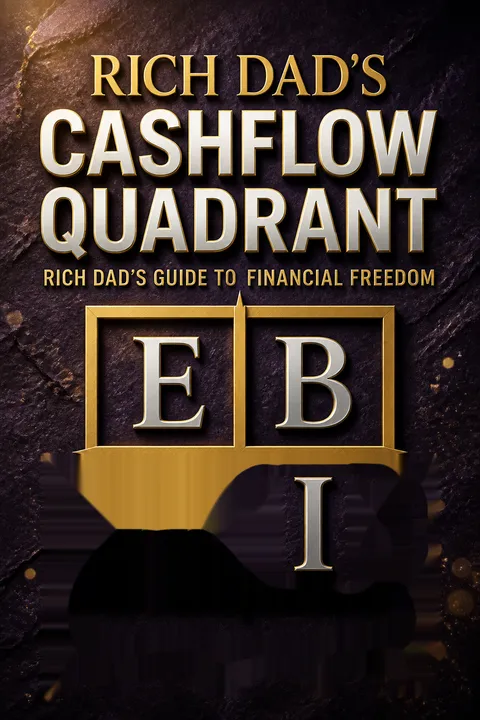
四个象限。 现金流象限包括:
- E(雇员):为他人工作
- S(个体户):拥有一份工作
- B(企业主):拥有一个系统
- I(投资者):让钱为你工作
每个象限需要不同的技能、思维模式和理财方法。了解自己处于哪个象限,以及想要达到哪个象限,是实现财务成功的关键。
2. 从雇员转变为企业主和投资者
为了减少税负,买更大的房子,增加负债,从而获得税收减免。
挑战传统观念。 传统建议让你找份好工作,买大房子,依赖税收减免,往往导致财务困境。相反,应当:
- 专注于建立企业(B象限)
- 投资于产生收入的资产(I象限)
- 优先考虑现金流而非工作保障
- 学会创建能带来财富的系统
这种转变需要改变思维方式和理财观念,从追求安全转向追求财务自由。
3. 培养财务智慧和理财能力
财务智慧不在于你赚多少钱,而在于你能留住多少钱,这些钱为你工作有多努力,以及你能传承多少代。
财务智慧的关键要素:
- 理解财务报表
- 辨别资产与负债的区别
- 有效管理现金流
- 掌握如何利用负债
培养财务智慧需要持续学习,结合实际情况练习,并不断挑战自己对金钱的认知。
4. 克服财富的情绪障碍
成功是个糟糕的老师。我们在失败中学到最多……所以不要害怕失败。
识别并解决情绪障碍:
- 害怕失败
- 追求安全感
- 渴望即时满足
- 完美主义
克服这些情绪障碍需要:
- 将失败视为学习机会
- 培养长远眼光
- 练习延迟满足
- 采取经过计算的风险
5. 创造资产并管理现金流
利润是在买入时产生的,而非卖出时。
专注于资产建设。 关键策略包括:
- 发现创造或获取资产的机会
- 优先投资产生现金流的项目
- 了解市场周期与时机
- 将利润再投资以扩大资产规模
有效的现金流管理包括:
- 先支付自己
- 控制开支
- 战略性使用负债
- 持续监控并调整财务策略
6. 区分良性负债与恶性负债
良性负债是别人帮你还的债,恶性负债是你用汗水和血泪还的债。
明智利用负债:
- 良性负债:用于购买产生收入的资产(如出租房产)
- 恶性负债:用于负债或消费品(如信用卡债务)
有效使用负债的策略:
- 投资于正现金流资产
- 了解并利用税收优惠
- 持续学习财务策略
- 始终考虑负债的长期影响
7. 解决财务问题,创造机会
想快速积累财富,就要承担重大财务问题。
主动寻找并解决问题。 财富往往来自于:
- 发现市场低效
- 提供复杂财务问题的解决方案
- 挽救陷入困境的资产或企业
培养解决问题的能力:
- 从小事做起,积累经验
- 与其他问题解决者建立联系
- 持续学习各行业和市场知识
- 勇于承担经过计算的风险
8. 先建立企业,再成为投资者
成为“B”类成功者,必须掌控现金流的方向。
优先发展企业所有权:
- 建立能产生收入的系统
- 学习领导与管理团队
- 通过产品或服务创造价值
- 打造品牌和市场影响力
先建立企业的好处:
- 产生投资所需现金流
- 获得实际财务和管理经验
- 建立人脉和资源网络
- 享受税收优惠和资产保护
9. 掌控你的财务教育
如果你看不懂数字,就只能听信别人的意见。
投资于财务知识:
- 阅读财经书籍和报纸
- 参加研讨会和培训
- 玩财务教育游戏(如现金流游戏)
- 寻找有实绩的导师
持续学习的方法:
- 每周安排时间学习财务知识
- 将新知识应用于实际
- 加入或组建财务学习小组
- 挑战固有观念,寻求多元视角
10. 拥抱风险,避免冒险
无知才是真正的风险。
理解并管理风险:
- 区分经过计算的风险与鲁莽行为
- 制定策略以减轻潜在损失
- 持续关注市场趋势和机会
- 建立多元化的顾问和合作伙伴网络
聪明承担风险的策略:
- 从小规模开始,逐步扩大
- 始终准备退出方案
- 定期评估并调整风险承受度
- 从成功与失败中学习
11. 选择你的投资者类型和财务快车道
现金流的方向决定一切。
识别你的投资者类型:
- A型:主动寻找问题解决
- B型:寻求专家建议
- C型:回避财务责任
找到财务快车道的策略:
- 培养解决特定财务问题的专长
- 建立可信赖的顾问和合作伙伴网络
- 发挥优势,委托他人处理弱项
- 持续寻找学习和成长的机会
读者评价
《现金流象限》一书评价不一。许多读者赞赏其在财务教育和思维转变方面的独到见解,认为内容发人深省,甚至可能改变人生。大家认可清崎对不同收入来源及实现财务自由路径的阐述。然而,也有部分读者批评该书内容重复,缺乏实用建议,且对复杂的财务概念过于简化。评论者还指出,清崎对正规教育的争议性观点以及书中频繁的自我宣传令人质疑。总体来看,读者普遍认可书中核心理念的价值,但对其表达方式和实际适用性则褒贬不一。
其他人还在读






常见问题
What's Rich Dad's Cashflow Quadrant about?
- Financial Freedom Focus: The book explores achieving financial freedom by understanding different income sources through the CASHFLOW Quadrant.
- Quadrant Categories: It categorizes individuals into four types: Employee (E), Self-employed (S), Business owner (B), and Investor (I).
- Mindset Differences: The left side (E and S) focuses on job security, while the right side (B and I) emphasizes wealth creation and financial independence.
- Path to Change: Kiyosaki encourages moving from the left to the right side of the Quadrant for financial freedom.
Why should I read Rich Dad's Cashflow Quadrant?
- Transformative Insights: The book challenges conventional beliefs about job security and wealth, offering new perspectives on money.
- Practical Guidance: It provides actionable steps and strategies for achieving financial independence.
- Relatable Examples: Kiyosaki shares personal anecdotes and lessons from his "rich dad," making the concepts easy to understand and apply.
What are the key takeaways of Rich Dad's Cashflow Quadrant?
- Quadrant Understanding: Recognizing where you currently stand in the Quadrant helps identify your path to financial freedom.
- Financial Education Importance: Kiyosaki stresses the need for financial education to navigate money management and investing complexities.
- Mindset Shift: A significant takeaway is shifting from seeking job security to pursuing financial freedom through entrepreneurship and investing.
What is the CASHFLOW Quadrant in Rich Dad's Cashflow Quadrant?
- Four Income Sources: The Quadrant categorizes income sources as Employee (E), Self-employed (S), Business owner (B), and Investor (I).
- Left vs. Right Side: The left side (E and S) is about job security, while the right side (B and I) focuses on wealth through business and investments.
- Path to Financial Freedom: Understanding the Quadrant helps individuals identify their current financial situation and steps to improve it.
How does Rich Dad's Cashflow Quadrant define an asset and a liability?
- Asset Definition: An asset is something that puts money into your pocket, like rental properties or dividend-paying stocks.
- Liability Definition: A liability takes money out of your pocket, such as debts and expenses that do not generate income.
- Understanding Importance: Kiyosaki emphasizes understanding these definitions to make informed financial decisions, as many mistakenly consider liabilities as assets.
How can I transition from the E or S quadrant to the B or I quadrant according to Rich Dad's Cashflow Quadrant?
- Education and Learning: Financial education is crucial for making informed decisions and understanding the market.
- Start Small: Begin with small steps towards entrepreneurship or investing to gain experience and confidence.
- Seek Mentorship: A mentor who has successfully transitioned can provide valuable guidance and support.
What are the three kinds of business systems mentioned in Rich Dad's Cashflow Quadrant?
- Traditional C-type Corporations: These require developing your own system and significant effort to run effectively.
- Franchises: Operating under an established system reduces the risk of starting a new business from scratch.
- Network Marketing: Joining an existing system offers a low-cost entry point and potential for passive income.
What is financial intelligence according to Rich Dad's Cashflow Quadrant?
- Money Management Understanding: It involves managing money effectively, including making, keeping, and growing it over time.
- Distinguishing Facts from Opinions: Recognizing the difference is crucial for sound investment decisions.
- Long-Term Perspective: Financial intelligence includes understanding risks and rewards associated with different strategies.
What are the seven levels of investors discussed in Rich Dad's Cashflow Quadrant?
- Level 0: Nothing to Invest: Living paycheck to paycheck with no money to invest.
- Level 1: Borrowers: Relying on borrowing, leading to a cycle of debt.
- Level 2: Savers: Using low-risk, low-return vehicles, missing better opportunities.
- Level 3-6: Ranging from "Smart" Investors to Capitalists, each level shows increasing sophistication and wealth creation.
How does Rich Dad's Cashflow Quadrant suggest managing risk in investing?
- Education is Key: Understanding the market and financial principles is crucial for managing risk.
- Start Small and Learn: Small investments allow learning from mistakes without significant risk.
- Diversification and Strategy: Focus on well-researched investments with a clear strategy to mitigate risk.
What are some common misconceptions about money discussed in Rich Dad's Cashflow Quadrant?
- Job Security Misconception: True security comes from owning assets, not job security.
- Home as an Asset: Homes are often liabilities due to ongoing expenses, not assets.
- Investment Risks: Investing isn't inherently risky; lack of education poses the real risk.
What are the best quotes from Rich Dad's Cashflow Quadrant and what do they mean?
- “True freedom requires financial freedom.”: Financial independence is essential for overall freedom in life.
- “Profit is made when you buy.”: Successful investing starts with informed purchasing decisions.
- “Indebtedness equals poverty.”: Debt limits financial freedom; strive for independence.
富爸爸 系列作品






关于作者
其他作品,作者: 罗伯特·T·清崎





下载 PDF
下载 EPUB
.epub digital book format is ideal for reading ebooks on phones, tablets, and e-readers.








































