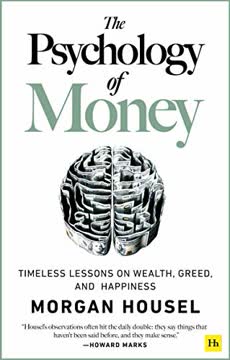
核心要点
1. 没有人是疯狂的:个人经历塑造了我们与金钱的关系
你的个人金钱经历可能只占世界发生事情的0.00000001%,但却可能影响你对世界运作方式80%的认知。
我们的金钱行为源自独特的个人经历。 不同世代、不同父母养育、不同收入水平和价值观、不同地域、不同经济环境、不同就业市场、不同激励机制以及不同程度的运气,都会让人们对金钱有截然不同的理解和教训。这些经历构成了我们财务决策的基础,往往是在无意识中形成的。
理解这一点对于培养财务同理心至关重要。 当你看到别人做出看似不理性的财务决策时,请记住他们是基于自己独特的经历和所学做出的选择。这并不意味着所有财务决策都同样合理,但提醒我们在讨论和建议财务问题时,应保持谦逊和开放的心态。
2. 运气与风险:理解它们在财务结果中的作用
“鼓舞人心的大胆”与“愚蠢的鲁莽”之间的界限,往往只有一毫米厚,且只能事后看清。
运气和风险在财务结果中扮演重要角色。 技能、努力和正确决策固然重要,但它们并不能解释全部。每一个财务结果都受到个体无法控制的外部力量影响,认识到这一点对于评估自己和他人的财务历程尤为关键。
承认运气与风险有助于更理智的决策。 当你明白并非所有财务结果都直接源于努力或技能时,你会:
- 更宽容地看待自己的财务挫折
- 减少对他人财务状况的评判
- 制定更具韧性的财务计划,预留不确定性空间
- 在成功面前保持谦逊
- 更愿意从多样的财务经验和策略中学习
3. 永远不够:认清“足够”的挑战
最难的财务技能,是让目标线停止移动。
生活方式膨胀是一个无尽的陷阱。 随着收入增加,人们往往成比例地提高支出,不断将“足够”的定义推得更远。这导致无论财富积累多少,总是渴望更多。
定义“足够”是个人且关键的练习。 要跳出永无止境的欲望循环:
- 经常反思什么才是真正带来幸福和满足的
- 根据个人价值观设定明确的财务目标,而非社会期待
- 练习感恩,珍惜已有
- 关注体验和人际关系,而非物质拥有
- 权衡追求更多财富的代价(时间、压力、健康)与收益
4. 复利:金融中最强大的力量
沃伦·巴菲特845亿美元净资产中,有815亿美元是在65岁以后积累的。我们的思维难以理解如此荒谬的事实。
复利是长期财富增长的关键。 复利的力量——收益再投资产生收益——常被低估,因为它违背了我们对增长的直觉理解。长期坚持小而稳定的行动,能带来非凡的成果。
利用复利的力量应做到:
- 尽早开始投资,即使金额不大
- 保持耐心,避免中断复利过程
- 尽可能将股息和利息再投资
- 关注持续稳定的长期回报,而非试图把握市场时机
- 记住复利同样适用于知识和人际关系等生活领域
5. 赚财富与守财富:不同目标需不同技能
赚到钱是一回事,守住钱又是另一回事。
积累财富与保持财富需要不同的心态和技能。 赚财富往往需要冒险、乐观和积极进取;而守财富则需要谦逊、谨慎,并接受部分成就源于运气。
打造持久财富应:
- 采取兼顾增长与保值的平衡策略
- 培养谦逊,避免财富增长带来的自负
- 分散投资,防范未知风险
- 定期评估风险承受能力,调整策略
- 注重可持续的长期财务实践,远离速成致富方案
- 牢记守财富往往比赚财富更需技巧
6. 尾部效应驱动一切:极端事件在金融中的力量
任何巨大、盈利、知名或有影响力的事物,都是千分之一甚至百万分之一的极端事件的结果。
少数极端事件对整体回报影响巨大。 在金融领域,极少数事件或决策往往决定了大部分结果。这适用于个股、整体市场回报,甚至个人财务决策。
理解尾部效应有助于优化财务策略:
- 广泛分散投资,提高捕捉正面极端事件的概率
- 通过应急资金和保险准备应对负面极端事件
- 不因频繁的小失败气馁,它们是捕获罕见大胜的代价
- 构建能从正面极端事件中获益的系统和流程
- 牢记整体财务成功往往由少数关键决策或事件决定,而非所有选择的平均值
7. 自由:金钱支付的最高红利
掌控你的时间,是金钱支付的最高红利。
财务独立带来终极自由。 能够掌控自己的时间——做自己想做的事,和想在一起的人,在想要的时间——是金钱带来的最宝贵回报。这种自由比物质财富或社会地位更能提升幸福感和生活满意度。
在财务规划中优先考虑自由:
- 明确自由对你个人的意义(不一定是传统意义上的退休)
- 计算实现理想自由所需的成本,并将其作为主要目标
- 如可能,权衡收入与时间控制的取舍
- 建立财务缓冲,使决策基于个人偏好而非生存压力
- 记住,即使是小幅提升的财务自由,也能显著改善生活质量
8. 储蓄:你唯一能控制的因素
唯一你能控制的因素,创造了唯一重要的东西。多么美妙。
储蓄是财务成功的基石。 虽然无法控制市场回报或经济环境,但你可以直接控制储蓄的多少。高储蓄率带来灵活性、安全感和更多选择,无论外部环境如何。
提升储蓄率应做到:
- 自动化储蓄,减少消费诱惑
- 优先削减最大开支(住房、交通、饮食),效果显著
- 培养知足,抵制收入增长带来的生活方式膨胀
- 将储蓄视为为未来自己购买自由和选择权
- 牢记高收入不等于财富,关键在于你留下了多少,而非赚了多少
9. 合理 > 理性:追求心理舒适的财务决策
追求大致合理,胜过冷酷理性。
财务决策应优先考虑内心的平静,而非理论上的最优。 理解财务原理和数学固然重要,但能让你夜晚安睡的选择,往往比纸面上最优的方案更有价值。
做出更合理的财务决策应:
- 承认情绪在财务选择中的作用
- 选择自己能长期坚持的策略,即使非数学最优
- 考虑某些财务选择带来的心理益处(如提前还贷)
- 认识到他人适用的方案未必适合自己,因环境和风险承受力不同
- 定期评估财务策略是否符合个人价值观和目标
10. 留有余地:为意外做好财务规划
每个计划最重要的部分,是为计划不按计划进行而做准备。
为错误留有余地是长期财务成功的关键。 生活充满不确定性,最稳健的财务策略会考虑多种可能结果,帮助你应对意外挫折,抓住突发机遇。
在财务规划中留有余地应做到:
- 保持应急资金,应对突发开支
- 分散投资,降低单一失败的影响
- 保守估计财务预测和假设
- 避免承担可能因环境变化而难以承受的债务
- 定期对财务计划进行压力测试,模拟各种情景
- 牢记最佳财务策略是能经受现实不确定性的考验
11. 你会改变:随着成长调整财务计划
长期规划比想象中更难,因为人的目标和欲望会随时间变化。
你的财务目标和策略应随你成长而演变。 价值观、优先级和环境的变化是自然的。忽视个人成长和变化的财务计划,往往会变得无关紧要或令人沮丧。
打造可适应的财务计划应:
- 定期重新评估财务目标,调整策略
- 尽量避免不可逆的长期财务决策
- 在计划中留有灵活性,以适应优先级变化
- 回顾过去的自己如何变化,想象未来的自己可能不同
- 记住调整财务策略不是失败,而是成长和自我觉察的表现
读者评价
其他人还在读



常见问题
What's "The Psychology of Money" about?
- Exploration of Money Behavior: "The Psychology of Money" by Morgan Housel explores how people think about money and the behaviors that influence financial decisions.
- Focus on Behavior Over Intelligence: The book argues that financial success is more about behavior than intelligence, emphasizing the importance of understanding one's own psychology.
- Stories and Lessons: It uses stories and lessons to illustrate how emotions and personal experiences shape financial decisions, rather than just focusing on technical financial knowledge.
Why should I read "The Psychology of Money"?
- Understand Financial Behavior: The book provides insights into why people make certain financial decisions, helping readers understand their own financial behaviors.
- Improve Financial Decisions: By understanding the psychology behind money, readers can make better financial decisions and avoid common pitfalls.
- Relatable and Engaging: The use of stories makes complex financial concepts relatable and engaging, making it easier for readers to grasp and apply the lessons.
What are the key takeaways of "The Psychology of Money"?
- Behavior Over Intelligence: Financial success is more about how you behave than how smart you are.
- Importance of Saving: Saving money is crucial, and it doesn't require a specific reason; it's about creating options and flexibility.
- Role of Luck and Risk: Luck and risk play significant roles in financial outcomes, and understanding this can lead to more realistic expectations and decisions.
What are the best quotes from "The Psychology of Money" and what do they mean?
- "Enough": This quote emphasizes the importance of knowing when you have enough, to avoid unnecessary risks and maintain satisfaction.
- "Compounding is the eighth wonder of the world": This highlights the power of compounding over time, which can lead to extraordinary financial growth.
- "The most important part of every plan is planning on your plan not going according to plan": This underscores the need for flexibility and room for error in financial planning.
How does Morgan Housel define wealth in "The Psychology of Money"?
- Wealth is Hidden: Wealth is what you don't see; it's the money not spent on visible luxuries.
- Options and Flexibility: Wealth provides options and flexibility, allowing for better decision-making and security.
- Not Just Income: Wealth is not just about having a high income but about having the ability to control your time and make choices.
What is the "Man in the Car Paradox" in "The Psychology of Money"?
- Admiration Misconception: People often buy luxury items to gain admiration, but others admire the item, not the owner.
- Focus on Possessions: The paradox highlights that people focus on possessions rather than the person, leading to misguided financial decisions.
- True Respect: True respect and admiration come from humility and kindness, not material possessions.
How does "The Psychology of Money" explain the role of luck and risk?
- Luck and Risk as Siblings: Luck and risk are intertwined, influencing financial outcomes beyond individual control.
- Unpredictable Outcomes: Financial success and failure often result from unpredictable factors, not just personal effort.
- Respecting Uncertainty: Recognizing the role of luck and risk helps in setting realistic expectations and making informed decisions.
What does Morgan Housel say about saving money in "The Psychology of Money"?
- Save Without a Specific Goal: Saving should be a habit, not just for specific goals, to provide flexibility and security.
- Savings Rate Over Income: Building wealth is more about your savings rate than your income or investment returns.
- Hedge Against Uncertainty: Savings act as a hedge against life's uncertainties, providing peace of mind and options.
How does "The Psychology of Money" address the concept of "Enough"?
- Avoiding Excessive Risk: Knowing when you have enough helps avoid unnecessary risks and maintain satisfaction.
- Social Comparison Trap: The pursuit of more can lead to dissatisfaction, as social comparison constantly moves the goalpost.
- Contentment and Happiness: Finding contentment with what you have leads to greater happiness and financial stability.
What is the significance of "Room for Error" in "The Psychology of Money"?
- Planning for Uncertainty: Room for error means planning for things not going according to plan, which is crucial for financial resilience.
- Margin of Safety: It provides a margin of safety, allowing for flexibility and endurance through financial ups and downs.
- Avoiding Ruin: Ensuring room for error helps avoid catastrophic financial mistakes and allows for long-term success.
How does "The Psychology of Money" suggest we handle financial surprises?
- Expect the Unexpected: Financial surprises are inevitable, and planning should account for them.
- Flexibility and Adaptability: Having savings and a flexible plan allows for better handling of unexpected events.
- Learning from History: Understanding that history is full of surprises helps in preparing for future uncertainties.
What personal finance advice does Morgan Housel give in "The Psychology of Money"?
- Focus on Behavior: Prioritize understanding and improving financial behavior over seeking high returns.
- Long-Term Perspective: Adopt a long-term perspective to benefit from compounding and avoid short-term pitfalls.
- Control Over Time: Use money to gain control over your time, as it is the highest dividend money pays.