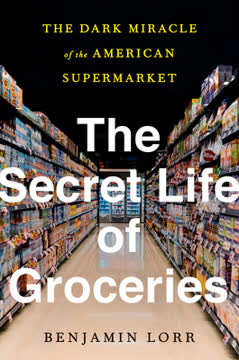
核心要点
1. 杂货店映照出社会的价值观与渴望
“在许多方面,我们正生活在一个专门化的时代。整个品类都在向着一种正统性致敬,而这正是其他食品体系所遗失的。”
杂货店作为文化晴雨表。 这些场所已从简单的生活必需品供应点,演变为社会价值观、欲望与焦虑的复杂反映。它们展示了我们对健康、便利和伦理消费的执着,同时也暴露了我们的矛盾与妥协。
特色食品的兴起。 这一趋势体现了我们在日益同质化的世界中对真实性和独特性的追求。特色产品让消费者通过食物选择表达个性、知识和价值观。然而,这种对真实性的追求往往伴随着高昂的价格,也可能加剧基于食物选择的社会分层。
伦理消费与现实。 许多购物者希望通过购买有机、公平贸易或本地产品来产生积极影响。但这些标签背后的现实往往比消费者想象的更复杂,认证有时更像是营销工具,而非伦理实践的保障。
2. 现代超市经历了创新与整合的浪潮
“克拉伦斯·桑德斯,这位美国古典怪才,自学成才的商人和南方绅士,时而被称为‘他那一代最杰出的人物之一’,时而被形容为‘本质上像个四岁孩童在玩耍’,设计了一家让顾客可以亲手触摸商品的商店。”
从杂货店到自助服务。 杂货店的发展反映了更广泛的社会变迁:
- 杂货店:品类有限,赊账交易,个性化服务
- 自助革命:1916年克拉伦斯·桑德斯创立的Piggly Wiggly引领
- 超市时代:大型门店,品类丰富,价格低廉(如迈克尔·卡伦的King Kullen)
- 现代连锁:进一步整合,先进物流,数据驱动运营
技术进步。 每个阶段的发展都依赖于技术革新:
- 包装创新:支持自助模式
- 冷藏技术:扩大产品种类与保质期
- 条码与计算机化:提升库存管理与定价效率
- 数据分析:实现个性化营销与运营优化
对社会的影响。 现代超市的发展带来了深远影响:
- 普及了多样化食品的获取
- 改变了饮食习惯与烹饪方式
- 重塑了城市与郊区景观
- 影响了农业实践与供应链结构
3. Trader Joe’s的成功源于对受过教育消费者的洞察与迎合
“乔将迪士尼乐园的丛林巡航归功于他的灵感启发。该游乐项目与1950年代首批Pronto市场同时开放,最初完全严肃,没有双关或笑话,只是一场笨拙且地理上不连贯的东南亚、非洲和亚马逊幻想之旅。”
乔·库洛姆的远见。 Trader Joe’s创始人洞察了三大趋势:
- 教育水平提升催生新兴消费阶层
- 航空旅行普及带来新食物与体验
- 大众媒体分化导致个性化口味增长
迎合“过度教育却收入不足”的群体。 Trader Joe’s的策略:
- 精心挑选独特且高品质产品
- 通过自有品牌与高效运营降低价格
- 以奇趣、旅行主题营造符合受教育者口味的氛围
- 知识丰富的员工营造探索感
打造狂热粉丝群。 Trader Joe’s成功因素:
- 限量选择减少决策疲劳
- 产品不断轮换促进频繁光顾
- 依靠忠实顾客口碑传播
- 保持排他性与内部知识感
4. 廉价食品背后的隐形代价:供应链中的劳工剥削
“Tun-Lin估计自己每晚睡眠不足五小时。其他泰国渔民告诉我,他们会被给予安非他命以应对高强度工作节奏,而Tun-Lin则没有服用任何药物。船长给船员提供速溶咖啡,让他们一勺一勺地吃,因为总有鱼要捕、网要修、甲板要清理。”
廉价虾背后的人力代价。 泰国海鲜产业是我们对廉价食品需求隐形成本的典型:
- 渔船上的强迫劳动与债务奴役
- 危险的工作环境与身体虐待
- 过度捕捞与水产养殖导致的环境破坏
全球供应链的复杂性。 劳工剥削得以存在的原因:
- 多层中间商掩盖责任
- 生产国监管薄弱且执法不力
- 消费者与食品生产现实脱节
- 零售商的价格压力推动成本削减
改革的挑战。 改善劳工条件面临的障碍:
- 经济利益驱使维持现状
- 供应链庞大复杂难以监管
- 消费者不愿支付显著更高价格
- 风险转移至监管更松散地区
5. 伦理认证常沦为营销工具,难以确保实质改变
“人们不会雇你去破坏他们的交易。”
第三方审计的兴起。 面对食品安全危机和伦理关切,零售商越来越依赖认证体系:
- 食品安全审计
- 公平劳动认证
- 环境可持续标签
审计体系的局限:
- 事先通知导致准备应付
- 范围狭窄,常忽视系统性问题
- 审计员与被审计方存在利益冲突
- 缺乏违规处罚机制
消费者认知与现实的差距。 虽然认证带来伦理消费的感觉,但实际影响有限:
- 营造透明与问责的假象
- 将责任从企业转嫁给消费者
- 可能阻碍更深层次改革
- 掩盖加强监管与执法的必要性
6. 卡车运输业的黑暗面:债务奴役与剥削
“有些工作几乎不可能成功,因为它们极其艰难;而有些工作则是注定让你失败。长途卡车租赁买断计划在我看来兼具这两种特征。”
放松管制的陷阱。 1980年《机动车承运人法》导致:
- 小型运输公司和独立承包商激增
- 激烈价格竞争压低工资
- 财务风险从公司转移至司机
运输业的掠夺性做法:
- 租赁买断计划使司机陷入债务
- 高额培训费且价值存疑的培训项目
- 通过里程计算和扣款操控薪酬结构
- 利用债务和法律威胁控制司机
廉价货运的人力代价:
- 疲惫司机危及道路安全
- 高流失率(常年超过100%)
- 破坏卡车运输作为中产阶级职业
- 剥削弱势群体(如移民、前罪犯)
7. Whole Foods从小众到主流的转变反映行业大趋势
“只关注亚马逊与Whole Foods的关系,完全忽视了背后正在进行已久的变革。”
从反主流到企业化。 Whole Foods的发展历程:
- 作为传统超市的替代品创立
- 通过收购和自然食品市场扩张成长
- 逐步采用更主流的做法以价格竞争
- 最终被亚马逊收购,确立大众市场定位
行业整合趋势。 Whole Foods的故事折射出更广泛的现象:
- 传统零售商进入有机/自然食品领域带来压力
- 规模化以应对价格和物流竞争
- 私募股权和华尔街资本介入食品零售
对食品体系的影响:
- 有机和自然食品趋于标准化
- 小供应商面临合规压力或被淘汰
- 产品和农业实践多样性可能丧失
- 价值观与股东期望之间的张力
8. 消费者通过食物选择表达自我与身份认同
“我们购买物品以表明立场,展示自主权,并彰显独特经历。”
食物作为身份标志。 在现代消费文化中,食物选择承担多重功能:
- 显示社会地位与文化资本
- 表达伦理和政治价值观
- 展示知识与鉴赏力
- 连接或区分社会群体
个性口味的悖论。 消费者既渴望表达独特性,又趋向社会规范:
- 追求具有个人意义的产品
- 同侪和媒体影响偏好
- 真实性与社会认可之间的张力
面向理想的营销。 零售商和品牌利用身份驱动消费:
- 构建产品起源与价值的叙事
- 提供“精选”产品暗示内部知识
- 通过包装和店铺设计唤起理想生活方式
- 吸引消费者融入志同道合的社区
9. 选择的幻象:零售心理学如何塑造购物体验
“凯文称下一阶段为‘领域构建’,需要将理念转化为体验。”
零售即戏剧。 现代商店是精心设计的环境:
- 布局引导顾客流动与产品曝光
- 灯光、音乐和气味营造氛围与联想
- 产品陈列影响价值感与吸引力
心理策略:
- 锚定效应:用高价商品让其他商品显得合理
- 稀缺性:限时优惠或独家产品制造紧迫感
- 社会认同:突出畅销品或顾客评价
- 选择架构:安排选项以引导期望选择
选择的悖论。 虽然消费者重视多样性,过多选项却令人疲惫:
- 决策疲劳导致糟糕选择或放弃购买
- 精选产品提供指导感与专业感
- 自有品牌产品带来价值感与简化体验
10. 水产养殖的承诺与隐忧:以泰国虾养殖为例
“你可能会想,如果我们能在养殖场生产虾,就不必再大量捕捞了。事实上,情况恰恰相反。”
水产养殖革命。 养殖海鲜承诺:
- 减轻野生资源过度捕捞压力
- 为全球增长人口提供廉价蛋白
- 创造沿海社区经济机会
意料之外的后果。 集约化虾养殖的现实:
- 环境破坏(红树林消失、水体污染)
- 疾病爆发导致产业兴衰循环
- 对野生鱼类作为饲料需求增加
- 养殖与加工环节的劳工虐待
行业应对。 试图解决批评的措施:
- 发展更可持续的养殖方法
- 认证与可追溯体系
- 纵向整合以加强供应链控制
- 技术创新(如陆基循环系统)
11. 自动化与集中化正在重塑杂货零售的未来
“亚马逊借助互联网虚拟空间,走向了乔所放弃的逻辑终点,几乎难以辨认。”
亚马逊效应。 电商巨头进入杂货领域加速既有趋势:
- 数据驱动的库存管理与定价
- 仓库与门店自动化程度提升
- 强调便利性与快速配送
- 模糊线上线下零售界限
对行业的影响:
- 传统杂货商面临技术投资压力
- 小型企业难以竞争导致整合加剧
- 零售与配送岗位可能减少
- 剩余员工技能需求变化
对消费者的影响:
- 更大便利与个性化体验
- 可能失去人与人之间的互动与发现乐趣
- 数据收集与使用引发隐私担忧
- 长远看对食品多样性与地方经济的影响存疑
读者评价
《杂货的秘密生活》深入剖析了杂货行业,探讨了其历史、供应链以及隐藏的成本。读者普遍感到震撼,揭示了日常购物背后复杂的体系。许多人赞赏作者的调查方法和引人入胜的写作风格。然而,也有部分读者认为本书令人沮丧,暴露了食品生产和劳工实践中的伦理问题。虽然内容丰富,但让读者在作为消费者的身份上产生矛盾感。书籍的结构和对具体故事的聚焦引发了不同反响,有人觉得叙述零散或过于详尽。
其他人还在读


常见问题
What's The Secret Life of Groceries about?
- Exploration of the industry: The book delves into the complexities of the American supermarket system, revealing hidden stories behind the food we consume.
- Human stories focus: It highlights personal narratives, such as those of workers facing exploitation, emphasizing the human cost behind grocery items.
- Cultural and economic insights: Benjamin Lorr examines how consumer behavior and corporate practices shape the grocery landscape, reflecting on modern capitalism.
Why should I read The Secret Life of Groceries?
- Informed consumer choices: The book equips readers with knowledge about the ethical implications of grocery purchases, encouraging conscious consumerism.
- Engaging storytelling: Lorr combines investigative journalism with personal anecdotes, making complex topics accessible and engaging.
- Broader societal reflection: It prompts readers to reflect on their role in the food system and the societal structures that support exploitation and inequality.
What are the key takeaways of The Secret Life of Groceries?
- Hidden costs of convenience: The convenience of modern grocery shopping often comes at a significant cost to workers, including low wages and poor conditions.
- Supply chain complexity: The book illustrates the intricate web of supply chains, obscuring the realities of labor exploitation and environmental degradation.
- Call for ethical consumption: Lorr encourages readers to reflect on their shopping habits and consider the ethical implications of their food choices.
What are the best quotes from The Secret Life of Groceries and what do they mean?
- “The grocery store exists...”: This quote underscores the paradox of grocery shopping, where consumers overlook ethical implications while relying on supermarkets.
- “We have got the food system we deserve.”: It suggests that consumer choices and societal values shape the food system, necessitating awareness and action for change.
- “Retail grocery is a reflection.”: Lorr indicates that the grocery industry mirrors societal values, revealing deeper truths about priorities and ethics.
How does Benjamin Lorr approach the topic in The Secret Life of Groceries?
- Personal immersion: Lorr spends years researching and working alongside various individuals in the grocery industry, providing an authentic perspective.
- Narrative storytelling: The book is structured around personal stories and anecdotes, making complex topics accessible and engaging.
- Critical analysis: Lorr critiques broader systems at play, examining the ethical implications of consumer choices and corporate practices.
What is the concept of "just-in-time scheduling" in The Secret Life of Groceries?
- Labor management strategy: Just-in-time scheduling refers to scheduling employees based on fluctuating customer demand, leading to unpredictable work hours.
- Impact on workers: This approach creates instability for workers, making it difficult to manage personal lives or seek additional employment.
- Efficiency vs. humanity: Lorr critiques this method for prioritizing corporate efficiency over employee well-being, treating workers as interchangeable parts.
How does The Secret Life of Groceries address the issue of ethical labeling?
- Illusion of empowerment: Ethical labels like "organic" or "fair trade" can create a false sense of security for consumers, masking deeper systemic issues.
- Market dynamics: These labels often serve corporate interests more than workers or the environment, manipulated for marketing purposes.
- Need for genuine change: Lorr advocates for a profound understanding of ethical consumption, pushing for real accountability in supply chains.
What role do personal stories play in The Secret Life of Groceries?
- Humanizing the industry: Personal narratives bring to life the often-overlooked human experiences behind grocery items, making issues relatable.
- Illustrating systemic issues: These stories serve as case studies illustrating broader systemic problems like labor exploitation and environmental degradation.
- Engaging the reader: By weaving personal stories into the narrative, Lorr engages readers emotionally, prompting them to care about the issues discussed.
How does The Secret Life of Groceries critique the grocery industry's efficiency?
- Efficiency at a cost: Lorr argues that the pursuit of efficiency often comes at the expense of workers' rights and well-being.
- Corporate focus: The book highlights how corporations prioritize profit margins over ethical considerations, resulting in exploitative labor practices.
- Call for balance: Lorr advocates for a balance between efficiency and humanity, suggesting a more ethical approach to grocery retail.
What is the significance of the "bottom of the commodity chain" in The Secret Life of Groceries?
- Visibility of exploitation: The bottom of the commodity chain refers to invisible labor and exploitation in food production, particularly in seafood.
- Human trafficking: Lorr discusses how this segment is rife with human trafficking and labor abuses, emphasizing the need for reform.
- Consumer awareness: The book encourages consumers to consider the ethical implications of their food choices and advocate for change.
How does The Secret Life of Groceries connect consumer behavior to broader societal issues?
- Reflection of values: Lorr posits that consumer choices in grocery shopping reflect societal values, revealing deeper truths about ethics and responsibilities.
- Impact on workers: The book illustrates how consumer demand shapes labor practices, leading to exploitation and inequality.
- Call for conscious consumption: Lorr urges readers to become more conscious consumers, recognizing the power of their choices to effect change.
What are some of the ethical issues discussed in The Secret Life of Groceries?
- Labor exploitation: Lorr highlights struggles of workers, including low wages and unsafe conditions, emphasizing the demand for cheap food leads to exploitation.
- Environmental concerns: The book addresses the environmental impact of industrial food production, urging consideration of ecological footprints.
- Consumer complicity: Lorr challenges readers to reflect on their role as consumers, arguing choices contribute to a system prioritizing profit over people.