أهم النقاط
1. فهم المرض العصبي: ليس وحشًا، بل مجرد إرهاق
لا يوجد وحش ينتظر أن يلتهمنا، ولا هاوية نسقط فيها "إذا لم ننتبه"، ولا نقطة خاصة تجعل التعافي صعبًا بشكل خاص.
تبسيط المرض العصبي. في جوهره، المرض العصبي هو ببساطة إرهاق عاطفي وذهني شديد، يبدأ عادة ويستمر بسبب الخوف. إنه ليس مرضًا غامضًا أو عيبًا في الشخصية، بل هو تضخيم لتجارب الإنسان الطبيعية مع التوتر والقلق. هذا الفهم مهم جدًا لأنه يزيل عنصر المجهول الذي غالبًا ما يغذي المزيد من القلق.
التعافي ممكن دائمًا. مهما طال زمن المعاناة، تبقى قدرات الجسم الطبيعية على الشفاء سليمة. المفتاح هو تغيير أنماط التفكير والسلوكيات التي تحافظ على دائرة الخوف والإرهاق. بالنهج الصحيح، يمكن حتى لمن عانوا لسنوات أن يتعافوا ويستعيدوا جودة حياتهم.
2. المواجهة، القبول، الانسياب، ومرور الوقت: جوهر طريقة التعافي
التعافي يكمن في الجانب الآخر من الذعر.
واجه الخوف. بدلاً من الهروب أو المقاومة لأعراض المرض العصبي، أفضل طريقة هي مواجهتها مباشرة. هذا لا يعني تحدي الخوف أو البحث عنه، بل الاعتراف بوجوده دون حكم أو مقاومة.
اقبل وانسجم. بعد الاعتراف، تقبل الأعراض كحالات مؤقتة ستمر. تشبيه الانسياب مفيد جدًا - تخيل نفسك تطفو على الماء، تحمله التيارات بدلًا من المقاومة. هذا القبول يقلل من التوتر الإضافي الناتج عن المقاومة.
دع الوقت يمر. التعافي ليس فوريًا، والصبر ضروري. ثق أنه مع التطبيق المستمر لهذه المبادئ، سيأتي التحسن. يحتاج الجسم والعقل إلى وقت للشفاء وإعادة التوازن بعد فترة طويلة من التوتر.
3. الأعراض ردود فعل طبيعية للتوتر، لكنها مكثفة
نمط الأعراض محدد ومقيد.
فهم أصل الأعراض. الأعراض الجسدية للمرض العصبي - مثل تسارع ضربات القلب، التعرق، اضطراب المعدة - هي في الواقع ردود فعل طبيعية للجسم تجاه التوتر والخوف. في المرض العصبي، تتكثف هذه الردود بسبب الحساسية المفرطة والتوتر المستمر.
مجموعة أعراض محدودة. من المهم أن ندرك أن هناك مجموعة محدودة من الأعراض. بمجرد أن تختبر هذه الأحاسيس، لن تظهر مفاجآت جديدة. هذه المعرفة مريحة جدًا وتساعد في تقليل الخوف من المجهول.
الأعراض الشائعة تشمل:
- خفقان القلب
- التعرق
- اضطراب المعدة
- الدوار
- شعور بعدم الواقعية
4. التغلب على الخوف: تعرف على الخوف الأول والثاني
مع كل موجة ذعر، هناك دائمًا خوفان منفصلان. أسميهما الخوف الأول والثاني.
شرح الخوف الأول. رد الفعل الأولي للخوف هو تلقائي وغالبًا لا يمكن تجنبه. هو رد فعل الجسم الطبيعي تجاه الخطر المتصور، ويزداد في المرض العصبي بسبب الحساسية المفرطة.
الخوف الثاني هو المفتاح. الخوف الثاني هو الخوف من الخوف نفسه - التوقع المسبق للذعر، والرعب من عودة الأعراض. هذا الرد الثانوي هو ما يطيل ويكثف تجربة المرض العصبي.
كسر الحلقة. من خلال التعرف على الخوف الثاني ومعالجته، يمكنك بدء كسر دائرة الذعر. اقبل رد الفعل الأولي للخوف دون إضافة طبقات من القلق حول ما قد يعنيه أو يؤدي إليه. هذا القبول يقلل بشكل كبير من تأثير الخوف على حياتك اليومية.
5. الاكتئاب والهوس: نتاج الإرهاق، وليس عيوبًا في الشخصية
الاكتئاب يولد من الإرهاق العاطفي.
فهم الاكتئاب. في سياق المرض العصبي، غالبًا ما ينشأ الاكتئاب من الضغط العاطفي المستمر والإرهاق. ليس فشلًا شخصيًا، بل استجابة طبيعية لجهاز منهك.
شرح الأفكار الوسواسية. بالمثل، الأفكار الوسواسية ليست دليلاً على مشكلة عميقة، بل نتيجة لعقل متعب غير قادر على التخلي عن المخاوف أو الأفكار. المفتاح للتغلب على الاكتئاب والهوس يكمن في:
الراحة والتعافي:
- نوم كافٍ
- تغذية متوازنة
- نشاط بدني لطيف
تغييرات في التفكير:
- قبول القيود المؤقتة
- التركيز على أهداف صغيرة قابلة للتحقيق
- ممارسة التعاطف مع الذات
6. قوة الانشغال في شفاء المرض العصبي
الانشغال برفقة الآخرين هو أفضل عكاز له.
النشاط الهادف يشفي. الانخراط في أنشطة ذات معنى، خاصة برفقة الآخرين، ضروري للتعافي. يوفر هذا تشتيتًا ضروريًا عن الصراعات الداخلية ويساعد على إعادة بناء الثقة والشعور بالاعتيادية.
التوازن هو الأساس. رغم أهمية الانشغال، من الضروري إيجاد التوازن المناسب. الإفراط في النشاط قد يؤدي إلى انتكاسات، وقلة النشاط تترك مجالًا للتفكير المفرط والقلق. الهدف هو زيادة مستويات النشاط تدريجيًا مع تحسن القدرة على التحمل.
الأنشطة المفيدة تشمل:
- الممارسات الإبداعية
- التمارين اللطيفة
- الأنشطة الاجتماعية
- التطوع
- تعلم مهارات جديدة
7. الشجاعة والثقة بالنفس: مكونات أساسية للتعافي
الشجاعة لها خاصية استثنائية في التواجد إذا ما أردناها حقًا.
تنمية الشجاعة. الشجاعة ليست غياب الخوف، بل الاستعداد لمواجهته. من خلال تنمية الشجاعة بوعي - شعورها في أعماقك وليس مجرد التفكير بها - تبني مقاومة أمام التحديات المستقبلية.
الثقة بالعملية. يتطلب التعافي الثقة - ليس بالضرورة في نفسك في البداية، بل في الطريقة والقدرات الطبيعية لجسمك وعقلك على الشفاء. مع ممارسة مبادئ التعافي ورؤية تحسنات صغيرة، تنمو الثقة بالنفس بشكل طبيعي.
خطوات لبناء الشجاعة والثقة:
- تحديد أهداف صغيرة قابلة للتحقيق
- الاحتفال بالانتصارات الصغيرة
- ممارسة الحديث الإيجابي مع الذات
- تصور النجاح
- التعلم من الانتكاسات دون حكم ذاتي
8. دعم الأسرة: الفهم والمساعدة دون تمكين
لا تخف من التعاطف وإظهار محاولتك للفهم.
الدعم المتوازن ضروري. يلعب أفراد الأسرة دورًا حيويًا في التعافي، لكنه توازن دقيق. قدم التعاطف والفهم، لكن تجنب السلوكيات التي قد تعزز المرض.
المساعدة العملية مهمة. ساعد في خلق بيئة مناسبة للتعافي من خلال المساعدة في الأمور العملية مثل الحفاظ على الروتين، وضمان التغذية السليمة، وتسهيل الانشغالات المناسبة.
طرق يمكن للأسرة المساعدة بها:
- تثقيف أنفسهم حول المرض العصبي
- تشجيع الحصول على المساعدة المهنية عند الحاجة
- التحلي بالصبر أثناء الانتكاسات
- الاحتفال بالتقدم مهما كان صغيرًا
- توفير جو هادئ وداعم
- المساعدة في تنفيذ استراتيجيات التعافي
ملخص المراجعات
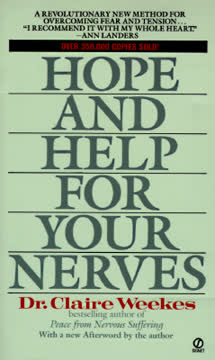
يحظى كتاب "الأمل والمساعدة لأعصابك" بإشادات واسعة بفضل نصائحه العملية في التعامل مع القلق ونوبات الهلع. يثني القراء على أسلوب الدكتورة ويكس المتسم بالتعاطف والوضوح، معتبرين تقنياتها في مواجهة القلق، وقبوله، والتعامل معه بهدوء، وترك الوقت ليأخذ مجراه، أدوات فعالة للغاية. يرى كثيرون أن هذا الكتاب قد غيّر حياتهم، رغم مرور سنوات على صدوره. كما يُنصح بشدة بالاستماع إلى النسخة الصوتية التي ترويها المؤلفة بنفسها، لما تضفيه من عمق وصدق على المحتوى. وعلى الرغم من وجود بعض الانتقادات التي تعتبره قديم الطراز، إلا أن الغالبية العظمى من القراء يثمنون حكمته الخالدة وشرحه الواضح للجوانب الفسيولوجية للقلق.
قرأ الآخرون أيضًا









الأسئلة الشائعة
What's "Hope and Help for Your Nerves" about?
- Overview: "Hope and Help for Your Nerves" by Claire Weekes is a self-help book aimed at individuals suffering from nervous illnesses, providing guidance on understanding and overcoming anxiety and related symptoms.
- Focus on Recovery: The book emphasizes the possibility of recovery from nervous illness through understanding, acceptance, and specific techniques.
- Practical Advice: It offers practical advice and methods to manage symptoms, such as facing fears, accepting feelings, and letting time pass.
- Target Audience: It is particularly useful for those who feel overwhelmed by anxiety and are seeking a structured approach to regain control over their lives.
Why should I read "Hope and Help for Your Nerves"?
- Comprehensive Guidance: The book provides a comprehensive guide to understanding and managing nervous illnesses, making it a valuable resource for anyone struggling with anxiety.
- Proven Techniques: Claire Weekes introduces proven techniques that have helped many people recover from nervous illnesses, offering hope and practical solutions.
- Empowerment: It empowers readers by teaching them how to face and accept their symptoms, reducing the fear and confusion often associated with anxiety.
- Supportive Tone: The author’s compassionate and supportive tone makes readers feel understood and less alone in their struggles.
What are the key takeaways of "Hope and Help for Your Nerves"?
- Understanding Fear: Recognize that fear is a major component of nervous illness and that understanding it is crucial for recovery.
- Acceptance and Floating: Learn to accept symptoms and let them pass without resistance, a technique referred to as "floating."
- Time and Patience: Recovery takes time, and patience is essential. The book emphasizes letting time pass as part of the healing process.
- Self-Help and Support: While self-help is important, seeking support from friends, family, or professionals can aid in recovery.
What is the "facing, accepting, floating, and letting time pass" method in "Hope and Help for Your Nerves"?
- Facing: Confront your fears and symptoms directly instead of avoiding them, which helps reduce their power over you.
- Accepting: Allow yourself to experience symptoms without fighting them, acknowledging that they are temporary and part of the recovery process.
- Floating: Move through your symptoms with a sense of detachment, as if you are floating past them, which helps reduce tension and anxiety.
- Letting Time Pass: Understand that recovery is a gradual process and requires patience, allowing time to heal your sensitized nerves.
How does Claire Weekes define nervous illness in "Hope and Help for Your Nerves"?
- Emotional and Mental Fatigue: Nervous illness is described as a state of emotional and mental fatigue caused by prolonged stress and fear.
- Sensitization: It involves the sensitization of the adrenalin-releasing nerves, leading to exaggerated responses to stress.
- Common Symptoms: Symptoms include anxiety, panic attacks, palpitations, and a range of physical sensations that can be distressing.
- Fear Cycle: The illness is often maintained by a cycle of fear, where fear of symptoms leads to more symptoms, perpetuating the condition.
What are the common symptoms of nervous illness according to "Hope and Help for Your Nerves"?
- Physical Symptoms: These include a churning stomach, racing heart, sweating, trembling, and a feeling of breathlessness.
- Emotional Symptoms: Anxiety, panic attacks, and a sense of impending doom are common emotional symptoms.
- Cognitive Symptoms: Difficulty concentrating, indecision, and obsessive thoughts can occur.
- Sensory Symptoms: Giddiness, blurred vision, and a feeling of unreality or detachment from the world are also noted.
How does "Hope and Help for Your Nerves" suggest dealing with panic attacks?
- Recognize Two Fears: Understand that panic involves a first fear (initial reaction) and a second fear (fear of the reaction itself).
- Accept and Float: Accept the panic attack as it happens and float through it without adding second fear, which helps reduce its intensity.
- Desensitization: Over time, by not adding second fear, you can desensitize your nerves and reduce the frequency and severity of panic attacks.
- Patience and Practice: Practice these techniques consistently and be patient, as desensitization takes time.
What role does acceptance play in recovery according to "Hope and Help for Your Nerves"?
- Key to Recovery: Acceptance is the cornerstone of recovery, allowing you to experience symptoms without resistance, which reduces their impact.
- Reduces Fear: By accepting symptoms, you reduce the fear associated with them, breaking the fear-adrenalin-fear cycle.
- Promotes Healing: Acceptance helps calm the nervous system, promoting natural healing over time.
- True Acceptance: It involves a genuine willingness to experience symptoms without trying to control or fight them.
How does "Hope and Help for Your Nerves" address the fear of leaving home (agoraphobia)?
- Understanding Agoraphobia: It is described as a fear of leaving the safety of home, often stemming from anxiety about having a panic attack in public.
- Step-by-Step Approach: The book provides a step-by-step approach to gradually facing and accepting the fear of leaving home.
- Slacken Tension: Before leaving home, practice slackening tension and accepting the possibility of fear, which helps reduce its power.
- Build Confidence: Gradually build confidence by taking small steps and celebrating successes, reinforcing the ability to cope with fear.
What advice does "Hope and Help for Your Nerves" offer for dealing with depression?
- Understand Depression: Recognize that depression is a result of emotional exhaustion and can be alleviated by reducing fear and tension.
- Occupation and Company: Engage in meaningful occupation and seek the company of others to distract from depressive thoughts.
- Acceptance and Patience: Accept the depression as a temporary state and be patient, allowing time for emotional reserves to replenish.
- Avoid Isolation: Avoid isolating yourself, as solitude can exacerbate depression; instead, seek environments that uplift your spirits.
What are the best quotes from "Hope and Help for Your Nerves" and what do they mean?
- "Face, accept, float, and let time pass." This encapsulates the core method for overcoming nervous illness, emphasizing acceptance and patience.
- "You are not a coward; you are a suffering, bewildered person." This quote reassures readers that their struggles are valid and not a reflection of weakness.
- "Each of us has unsuspected power to accomplish what we demand of ourselves." It highlights the potential for recovery and self-empowerment.
- "Recovery lies on the other side of panic." This encourages readers to face their fears, as true recovery comes from moving through panic rather than avoiding it.
How does "Hope and Help for Your Nerves" suggest handling setbacks during recovery?
- Expect Setbacks: Understand that setbacks are a normal part of the recovery process and do not indicate failure.
- Acceptance and Patience: Accept setbacks without despair and be patient, allowing time for recovery to continue.
- Learn from Experience: Use setbacks as learning experiences to reinforce the techniques of facing, accepting, and floating.
- Maintain Confidence: Keep confidence in the recovery process, knowing that setbacks are temporary and progress is still being made.