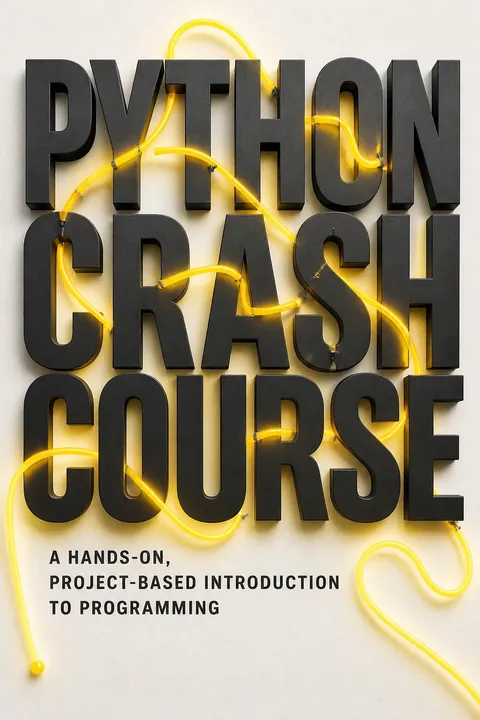

Summary Unavailable
This book is not suitable for a summary (it may be a textbook, workbook, cookbook, reference book, or collection). However, you can still explore the FAQs, about author, and other metadata below!
أهم النقاط
1. تثبيت وإعداد بايثون، باي جيم، وماتبلوتليب
"تعتمد بايثون على المسافات البادئة لتحديد ارتباط السطر البرمجي بالسطر الذي يسبقه."
إعداد البيئة: يُعد تثبيت بايثون، باي جيم، وماتبلوتليب خطوة أساسية لإنشاء تصورات بيانية وألعاب. تعتمد لغة بايثون على تنظيم الكود من خلال المسافات البادئة، مما يجعل هيكلية الكود واضحة بصريًا.
خطوات التثبيت:
- تحميل بايثون من الموقع الرسمي python.org
- استخدام أداة pip لتثبيت مكتبات باي جيم وماتبلوتليب
- التحقق من نجاح التثبيت عبر استيراد المكتبات في بيئة بايثون التفاعلية
يضمن الإعداد السليم بيئة تطوير سلسة تتيح لك التركيز على البرمجة دون الانشغال بمشاكل البيئة.
2. إنشاء تصورات بيانية أساسية باستخدام ماتبلوتليب
"لجعل زر التشغيل ظاهرًا فوق جميع عناصر اللعبة، نرسمه بعد رسم كل العناصر الأخرى وقبل تحديث الشاشة."
أساسيات ماتبلوتليب: تُعد مكتبة ماتبلوتليب أداة قوية لإنشاء تصورات بيانية ثابتة، متحركة، وتفاعلية في بايثون. توفر المكتبة مجموعة واسعة من أنواع الرسوم البيانية وخيارات التخصيص.
المفاهيم الرئيسية:
- إنشاء مخططات خطية ونقطية بسيطة
- تخصيص مظهر المخططات (ألوان، تسميات، عناوين)
- حفظ المخططات كملفات صور
فهم هذه الأساسيات يمكّنك من تصميم رسوم بيانية واضحة وجذابة تعبر عن بياناتك بفعالية.
3. توليد المسارات العشوائية وتصوير البيانات
"المسار العشوائي هو مسار لا يتبع اتجاهًا محددًا، بل يتحدد عبر سلسلة من القرارات العشوائية التي تعتمد كليًا على الصدفة."
مفهوم المسار العشوائي: تُستخدم المسارات العشوائية في نمذجة ظواهر متعددة في الطبيعة والفيزياء والاقتصاد. توفر طريقة لفهم وتحليل العمليات غير المتوقعة.
كيفية التنفيذ:
- إنشاء فئة RandomWalk لتوليد بيانات المسار العشوائي
- استخدام ماتبلوتليب لرسم نقاط المسار
- تخصيص التصور (ألوان، حجم النقاط، وغيرها)
يساعد تصوير المسارات العشوائية في استكشاف أنماط البيانات التي تبدو فوضوية، ويمكن تطبيقه في مجالات مثل تحركات الأسهم أو حركة الجسيمات.
4. استخدام Pygal لإنشاء تصورات بيانات تفاعلية
"تركز Pygal على إنشاء تصورات تعمل بشكل جيد على الأجهزة الرقمية."
مزايا Pygal: تتفوق Pygal في إنتاج رسوم بيانية تفاعلية بصيغة SVG قابلة للتكبير والتصغير، مثالية للعرض على الويب. تتكيف مخرجاتها مع مختلف أحجام الشاشات والأجهزة.
الميزات الأساسية:
- واجهة برمجة سهلة الاستخدام لأنواع متعددة من المخططات
- خيارات تنسيق مدمجة
- عناصر تفاعلية مثل تلميحات الأدوات والتكبير
تجعل بساطة Pygal وتفاعليتها منها خيارًا ممتازًا لإنشاء تصورات بيانات جذابة، خاصة للمنصات الإلكترونية والتصاميم المتجاوبة.
5. التعامل مع ملفات CSV ووحدة datetime
"قد تكون ملفات CSV صعبة القراءة للبشر، لكنها سهلة المعالجة للبرامج، مما يسرع من عملية تحليل البيانات."
معالجة CSV: يُعد تنسيق CSV (قيم مفصولة بفواصل) شائعًا لتخزين البيانات الجدولية. تسهل وحدة csv في بايثون قراءة وكتابة هذه الملفات، مما يجعل معالجة البيانات أكثر كفاءة.
التعامل مع التواريخ:
- استخدام وحدة datetime لتحليل ومعالجة معلومات التواريخ
- تحويل التواريخ النصية إلى كائنات datetime للتحليل
- تنسيق التواريخ للعرض في التصورات البيانية
إتقان التعامل مع ملفات CSV والتواريخ ضروري للعمل مع مجموعات البيانات الواقعية، خصوصًا في مجالات مثل المالية، تحليل الطقس، والعلوم الاجتماعية.
6. رسم خرائط البيانات العالمية باستخدام تنسيق JSON
"لإنشاء مسار عشوائي، سننشئ فئة RandomWalk التي تتخذ قرارات عشوائية حول اتجاه المسار."
معالجة بيانات JSON: يُعد JSON (JavaScript Object Notation) تنسيقًا خفيفًا لتبادل البيانات. تتيح وحدة json في بايثون سهولة تحليل وتعديل بيانات JSON.
إنشاء خرائط العالم:
- استخدام نوع الرسم Worldmap في Pygal
- تحويل أسماء الدول إلى رموز دولية مكونة من حرفين
- ربط قيم البيانات بالدول لعرضها على الخريطة
يمكنك من خلال التعامل مع JSON ورسم خرائط العالم تصور مجموعات بيانات عالمية، مما يسهل التعرف على الأنماط والاتجاهات عبر البلدان والمناطق.
7. تنسيق وتخصيص خرائط العالم في Pygal
"تُخزن أنماط Pygal في وحدة style التي نستورد منها النمط RotateStyle."
تخصيص الخرائط: توفر Pygal خيارات تنسيق متعددة لتحسين مظهر ووضوح خرائط العالم. يمكن أن يعزز التنسيق الجيد من فعالية التصورات البيانية.
تقنيات التنسيق:
- استخدام RotateStyle لتطبيق مخططات ألوان مخصصة
- تطبيق LightColorizedStyle للسمات ذات الألوان الفاتحة
- تجميع الدول حسب نطاقات البيانات لتحسين التباين
يمكنك من خلال إتقان هذه التقنيات إنشاء خرائط عالمية جذابة وموضحة تنقل رؤى بياناتك بوضوح للمشاهدين.
آخر تحديث:
Report Issueملخص المراجعات
يحظى كتاب "دورة سريعة في بايثون" بتقدير كبير كمدخل ممتاز لتعلم برمجة بايثون للمبتدئين. يثني القراء على شروحه الواضحة، ومشاريعه المشوقة، ونهجه العملي الذي يتيح لهم التطبيق المباشر. ينقسم الكتاب إلى جزأين: مفاهيم أساسية ومشاريع تطبيقية. يجد الكثيرون أنه أكثر سهولة وتنظيماً مقارنة بكتب المبتدئين الأخرى. وعلى الرغم من ملاحظة بعض القارئين لمشكلات بسيطة تتعلق بصعوبة التمارين وشرح حزم الطرف الثالث، إلا أن التوصية به تبقى قوية لكل من يرغب في تعلم بايثون أو البرمجة بشكل عام. تحظى المشاريع، التي تشمل تطوير الألعاب، وتصوير البيانات، وتطبيقات الويب، بإعجاب خاص من القراء.
قرأ الآخرون أيضًا




الأسئلة الشائعة
What's Python Crash Course by Eric Matthes about?
- Hands-On Learning: Python Crash Course is a project-based introduction to programming with Python, focusing on practical exercises and real-world applications.
- Structured Approach: The book is divided into two parts: the first covers basic programming concepts, and the second focuses on projects that reinforce these concepts.
- Target Audience: It is designed for beginners with no prior programming experience, making it accessible and easy to follow.
Why should I read Python Crash Course by Eric Matthes?
- Beginner-Friendly: The book uses clear explanations and practical examples, making complex concepts accessible to those new to programming.
- Engaging Projects: Readers engage in hands-on projects, such as creating games and visualizations, which reinforce learning and boost confidence.
- Comprehensive Resource: It serves as both a learning tool and a reference guide, with projects that can be expanded upon for ongoing learning.
What are the key takeaways of Python Crash Course by Eric Matthes?
- Foundational Skills: Readers gain a solid understanding of Python syntax, data structures, and control flow, crucial for any aspiring programmer.
- Project-Based Learning: Emphasizes applying knowledge through projects, helping to solidify concepts and build confidence.
- Preparation for Advanced Topics: Equips readers with skills needed to tackle more advanced topics, such as web development and data analysis.
How does Python Crash Course by Eric Matthes approach teaching Python?
- Hands-On Exercises: Each chapter includes exercises that encourage practice, reinforcing concepts and building coding confidence.
- Project-Based Structure: The book is structured around projects that apply knowledge in real-world scenarios, maintaining engagement and interest.
- Clear Explanations: Concepts are explained clearly and concisely, with relatable examples to illustrate complex ideas.
What programming concepts are covered in Python Crash Course by Eric Matthes?
- Basic Syntax and Data Types: Covers Python syntax, variables, and simple data types like strings and numbers, essential for writing effective code.
- Control Structures: Introduces if statements and loops, crucial for controlling program flow and making decisions in code.
- Data Structures: Introduces lists and dictionaries, fundamental for efficient data organization and manipulation.
What projects are included in Python Crash Course by Eric Matthes?
- Alien Invasion Game: Involves creating a simple video game, teaching game development concepts and Python programming.
- Data Visualization: Focuses on visualizing data using libraries like Matplotlib, emphasizing the importance of data representation.
- Web Application with Django: Guides readers through building a web application, introducing web development concepts and practices.
How does Python Crash Course by Eric Matthes explain object-oriented programming?
- Classes and Objects: Introduces classes and objects, explaining their use in modeling real-world entities, essential for complex applications.
- Encapsulation: Covers encapsulation, bundling data and methods within a single unit, promoting organized code and data integrity.
- Inheritance and Polymorphism: Explains inheritance and polymorphism, crucial for building scalable and maintainable applications.
How does Python Crash Course by Eric Matthes address data visualization?
- Introduction to Libraries: Introduces popular data visualization libraries like Matplotlib and Pygal, essential for creating visual data representations.
- Hands-On Projects: Engages readers in projects that require data analysis and visualization, solidifying understanding of these concepts.
- Real-World Applications: Emphasizes the importance of data visualization in real-world scenarios, enhancing the learning experience.
What is the significance of functions in Python Crash Course by Eric Matthes?
- Modular Code: Functions break down complex tasks into manageable pieces, making code easier to read, maintain, and debug.
- Reusability: Functions can be reused throughout the program, reducing redundancy and improving efficiency.
- Parameterization: Functions accept parameters, allowing for flexible and dynamic code, enabling generalized solutions.
How does Python Crash Course by Eric Matthes handle exceptions and file handling?
- Exception Handling: Explains using try-except blocks to manage errors gracefully, ensuring programs handle unexpected situations without crashing.
- File Operations: Teaches reading from and writing to files, essential for data storage and retrieval in real-world scenarios.
- Practical Examples: Provides practical examples of file handling and exception management, reinforcing learning and building confidence.
What are some best practices for using Git as mentioned in Python Crash Course by Eric Matthes?
- Regular Commits: Emphasizes making regular commits to track changes effectively, allowing developers to revert to previous states if needed.
- Descriptive Commit Messages: Encourages writing clear and descriptive commit messages, crucial for collaboration and understanding project evolution.
- Using Branches: Recommends using branches for new features or experiments, enhancing project organization and stability.
What are the best quotes from Python Crash Course by Eric Matthes and what do they mean?
- "Write simple code": Emphasizes clarity and simplicity in programming, making code easier to understand, maintain, and debug.
- "Functions promote efficiency": Highlights the power of functions in programming, promoting efficiency and reducing redundancy.
- "Object-oriented programming models reality": Underscores the significance of object-oriented programming in modeling real-world scenarios, encouraging effective code structuring.
عن المؤلف
يُعتبر إريك ماثيس من أبرز المؤلفين في مجال تعليم برمجة بايثون، حيث يشتهر بأسلوبه الواضح والمنظم الذي يجعل المفاهيم المعقدة سهلة الفهم للمبتدئين. يتميز ماثيس بقدرته على تقديم تجارب تعليمية قائمة على المشاريع، مما يساعد القراء على تطبيق المهارات التي اكتسبوها بشكل عملي وفعّال. يُعرف عنه تفانيه في خدمة طلابه وشغفه الكبير بتعليم البرمجة. يركز منهجه على تقديم الخلفية النظرية اللازمة بشكل مقتضب قبل الانتقال إلى المشاريع التطبيقية، وهو أسلوب أثبت فعاليته في تعلم واستيعاب مفاهيم بايثون. لقد ألهم عمله العديد من المتعلمين لمواصلة دراستهم في مجال البرمجة وتطوير مشاريعهم الخاصة.
تحميل PDF
تحميل EPUB
.epub digital book format is ideal for reading ebooks on phones, tablets, and e-readers.








































