أهم النقاط
1. الكمالية: السيف ذو الحدين بين النجاح والمعاناة
"للأسف، هناك آثار جانبية لاستخدام استراتيجية 'كن مثاليًا فقط'."
جاذبية الكمالية. قد تؤدي الكمالية إلى إنجازات وإنتاجية مبهرة، لكنها تأتي بثمن باهظ. السعي المستمر نحو الكمال غالبًا ما يؤدي إلى:
- توتر وقلق مزمنين
- التسويف وتفويت المواعيد النهائية
- توتر العلاقات والعزلة الاجتماعية
- الحرمان من النوم والإرهاق الشديد
أصول الكمالية. تنبع الكمالية غالبًا من تجارب الطفولة والضغوط الاجتماعية، وقد تتعزز من خلال:
- الحب والموافقة المشروطة على الإنجازات
- توقعات عالية من الأسرة أو الأقران أو السلطات
- الخوف من الفشل أو ارتكاب الأخطاء
- الاعتقاد بأن قيمة الذات مرتبطة بالإنجازات
2. الاعتراف بالأفكار دون الاستسلام لها
"الأفكار والمشاعر لا تسبب السلوكيات."
الأفكار ليست حقائق. عقولنا تولد أفكارًا باستمرار، كثير منها غير مفيد أو غير صحيح. بدلًا من تصديق هذه الأفكار أو التصرف بناءً عليها تلقائيًا، يمكننا:
- الاعتراف بالأفكار كأحداث ذهنية، لا كحقائق مطلقة
- مراقبة الأفكار دون حكم أو تعلق
- اختيار الأفكار التي نتفاعل معها بناءً على فائدتها
التحرر من فخاخ التفكير. غالبًا ما تتضمن الكمالية قواعد وأسباب صارمة تبقينا عالقين. للتغلب على ذلك:
- التعرف على قواعد وأسباب الكمالية عند ظهورها
- التشكيك في صحة وفائدة هذه البنى الذهنية
- ممارسة المرونة في التفكير واتخاذ القرار
3. إفساح المجال للنقص والمشاعر غير المريحة
"مشاعرك صحيحة بحكم الواقع."
احتضان الانزعاج. محاولة تجنب أو القضاء على المشاعر غير المريحة غالبًا ما تفشل. بدلاً من ذلك، يمكننا:
- قبول أن جميع المشاعر، حتى غير السارة منها، جزء من التجربة الإنسانية
- خلق مساحة للمشاعر الصعبة دون محاولة تغييرها أو السيطرة عليها
- استخدام تقنيات اليقظة لمراقبة المشاعر والجلوس معها دون حكم
تكلفة تجنب المشاعر. المحاولة المستمرة للهروب من الانزعاج قد تؤدي إلى:
- زيادة القلق والتوتر على المدى الطويل
- فقدان فرص للنمو والتجارب ذات المعنى
- حياة أضيق وأكثر تقييدًا
4. التخلي عن التسميات الذاتية والقصص المحدودة
"من أنت بدون تسمياتك؟"
قوة السرد الذاتي. القصص التي نرويها لأنفسنا عن هويتنا تؤثر بشكل كبير على سلوكنا ورفاهيتنا. للتحرر من المفاهيم الذاتية المحدودة:
- الاعتراف بأن التسميات الذاتية ليست حقائق ثابتة
- ممارسة تبني وجهات نظر مختلفة حول تجاربك
- السماح بالتعقيد والتناقضات في صورتك الذاتية
مواجهة النقد الذاتي. الحكم القاسي على الذات غالبًا ما يكون جوهر الكمالية. لمواجهة ذلك:
- التعرف على الأفكار والمعتقدات النقدية الذاتية المستمرة
- فحص أصول وصحة هذه الانتقادات
- تطوير رؤية أكثر تعاطفًا وتوازنًا للذات
5. تحديد والقرب من قيمك الجوهرية
"القيم هي صفات أو طرق وجود تختارها بحرية وتحمل معنى شخصيًا، مثل التحدي، الشجاعة، والتواضع."
توضيح ما يهم. توفر القيم اتجاهًا ومعنى للحياة. لتحديد قيمك الجوهرية:
- التأمل فيما يجلب لك الفرح والرضا
- التفكير فيما تريد أن تمثله حياتك
- التمييز بين القيم الجوهرية والتوقعات الخارجية
عيش قيمك. بعد تحديد قيمك، المفتاح هو مواءمة أفعالك معها:
- اتخاذ قرارات بناءً على ما هو مهم حقًا لك، وليس فقط ما يشعر به جيدًا في اللحظة
- استخدام القيم كبوصلة عند مواجهة قرارات صعبة
- المراجعة الدورية لضمان أن أفعالك تعكس قيمك
6. التركيز على العملية بدلاً من النتيجة لتحقيق الإشباع
"الحضور صعب الوصف، لكنه قد يكون إدراك أنك لا تقاتل، تستطيع التنفس، وتسمح للمشاعر بأن تكون بلا شروط."
محددات التركيز على النتائج. الانشغال المستمر بالنتائج قد يؤدي إلى:
- عدم رضا وقلق مزمنين
- فقدان فرص الاستمتاع باللحظة الحاضرة
- إهمال الرحلة والنمو الشخصي
احتضان العملية. تحويل الانتباه إلى الحاضر وعملية ما تقوم به يمكن أن:
- يزيد من الاستمتاع والمشاركة في الأنشطة
- يقلل من التوتر والضغط المرتبطين بالكمالية
- يحسن الأداء من خلال السماح بتركيز وانسيابية أكبر
7. ممارسة اللطف الذاتي كجزء أساسي من العناية بالنفس
"اللطف الذاتي نشاط يومي."
إعادة تعريف التعاطف مع الذات. اللطف الذاتي ليس تدليلًا أو ضعفًا، بل هو:
- ممارسة ضرورية للحفاظ على الصحة النفسية والعاطفية
- ترياق للنقد الذاتي القاسي والكمالية
- وسيلة لبناء المرونة وتعزيز النمو الشخصي
تطبيق اللطف الذاتي. لإدخال المزيد من التعاطف مع الذات في حياتك:
- عامل نفسك بلطف كما تعامل صديقًا عزيزًا
- مارس العناية بالنفس باستمرار، وليس كنوع من المكافأة العرضية
- تحدى المعتقدات التي تقول إنك لا تستحق اللطف أو يجب أن تكسبه
8. وضع أهداف ذكية للتغلب على الكمالية
"خاصة عند صياغة الأهداف الذكية لأول مرة، نوصي بالبدء بأهداف سهلة جدًا لدرجة تشعرك بالتقليل من شأنك."
قوة الأهداف الذكية. استخدام معايير SMART (محددة، قابلة للقياس، قابلة للتحقيق، ذات صلة، محددة زمنياً) يساعد على التغلب على ميول الكمالية من خلال:
- توفير أهداف واضحة ومحددة
- جعل التقدم مرئيًا وقابلًا للقياس
- ضمان أن الأهداف واقعية وقابلة للتحقيق
البدء صغيرًا لتحقيق النجاح. عند وضع أهداف لمواجهة الكمالية:
- ابدأ بأهداف سهلة للغاية لبناء الزخم
- قسم المشاريع الكبيرة إلى خطوات أصغر يمكن إدارتها
- ركز على التقدم والجهد بدلاً من التنفيذ المثالي
9. تطبيق استراتيجيات سلوكية لتحقيق تغيير دائم
"فكر في سلوكك كنتاج لمقياس احتمالي متغير باستمرار."
هندسة البيئة. نظم بيئتك لدعم السلوكيات المرغوبة:
- إزالة أو تقليل المحفزات للسلوكيات الكمالية غير المفيدة
- خلق إشارات وتذكيرات للأفعال الإيجابية
- استغلال قوة تكوين العادات
التعزيز والمساءلة. استخدم استراتيجيات سلوكية لزيادة احتمال الالتزام بالأهداف:
- تطبيق مكافآت لإتمام الأفعال المرغوبة
- إنشاء أنظمة مساءلة مع أصدقاء أو مرشدين موثوقين
- ممارسة المساءلة الذاتية من خلال المتابعة المستمرة
التغلب على الحواجز. توقع واستعد للعقبات الشائعة:
- تحدي عقلية "الانشغال الشديد" من خلال ترتيب الأولويات الحقيقية
- معالجة التسويف بتقسيم المهام إلى خطوات أصغر وأقل تخويفًا
- تنمية المرونة للتكيف مع التحديات غير المتوقعة مع الحفاظ على الالتزام بالأهداف
ملخص المراجعات
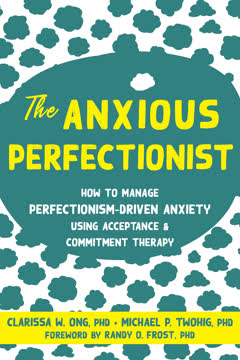
يحظى كتاب "المُتَمَكِّن القَلِق" بتقييمات إيجابية غامرة، حيث يشيد القراء بنهجه العميق في التعامل مع القلق الناتج عن السعي للكمال. وجد كثيرون في هذا الكتاب صدىً شخصيًا، واصفين إياه بأنه نقطة تحول وفتح آفاق جديدة في فهم الذات. يثمن القراء التمارين العملية التي يقدمها، وسهولة الوصول إلى محتواه، بالإضافة إلى اعتماده على مبادئ العلاج بالقبول والالتزام (ACT). كما يبرز البعض استكشاف الكتاب للفروق بين الكمالية التكيفية وغير التكيفية، وتركيزه على التعاطف مع الذات. وعلى الرغم من أن بعض القراء وجدوا بعض الأجزاء أقل فائدة أو متكررة، إلا أن الغالبية توصي به بشدة لكل من يعاني من الكمالية والقلق.
قرأ الآخرون أيضًا

الأسئلة الشائعة
What's "The Anxious Perfectionist" about?
- Overview: "The Anxious Perfectionist" by Clarissa W. Ong and Michael P. Twohig explores how perfectionism can lead to anxiety and offers strategies to manage it using Acceptance and Commitment Therapy (ACT).
- Perfectionism's Impact: The book delves into how perfectionism can be both a motivator and a source of distress, leading to feelings of inadequacy and anxiety.
- ACT Approach: It introduces ACT as a method to help individuals accept their imperfections, focus on values, and live a more fulfilling life.
- Practical Guidance: The authors provide practical exercises and strategies to help readers identify and change perfectionistic behaviors.
Why should I read "The Anxious Perfectionist"?
- Understanding Perfectionism: It offers a deep understanding of how perfectionism affects mental health and daily life.
- Evidence-Based Strategies: The book provides evidence-based strategies from ACT to help manage perfectionism-driven anxiety.
- Personal Growth: Readers can learn to align their actions with personal values rather than perfectionistic standards.
- Expert Insights: Written by experts in the field, it combines research with practical advice for overcoming perfectionism.
What are the key takeaways of "The Anxious Perfectionist"?
- Perfectionism's Dual Nature: Perfectionism can drive success but also lead to anxiety and dissatisfaction.
- ACT Techniques: Acceptance, mindfulness, and values-based living are central to managing perfectionism.
- Self-Compassion: Emphasizing self-kindness and reducing self-criticism are crucial for mental well-being.
- Behavioral Change: Setting SMART goals and practicing new behaviors can help break the cycle of perfectionism.
How does "The Anxious Perfectionist" define perfectionism?
- Adaptive vs. Maladaptive: The book distinguishes between adaptive perfectionism, which can be motivating, and maladaptive perfectionism, which is linked to anxiety and depression.
- Self-Criticism: Maladaptive perfectionism is characterized by harsh self-criticism and unrealistic standards.
- Avoidance and Rigidity: It involves avoiding mistakes and rigid adherence to rules, often leading to procrastination and stress.
- Subjective Standards: Perfectionistic standards are often subjective and unattainable, leading to a cycle of dissatisfaction.
What is Acceptance and Commitment Therapy (ACT) as explained in "The Anxious Perfectionist"?
- Core Principles: ACT focuses on accepting thoughts and feelings, committing to values-based actions, and being present.
- Acceptance: It encourages accepting imperfections and the discomfort they bring rather than trying to eliminate them.
- Values-Driven Life: ACT emphasizes living according to personal values rather than perfectionistic standards.
- Mindfulness: Being present and mindful helps individuals detach from unhelpful thoughts and focus on meaningful actions.
How does "The Anxious Perfectionist" suggest setting goals?
- SMART Goals: The book advocates for setting Specific, Measurable, Achievable, Relevant, and Time-bound goals.
- Behavioral Focus: Goals should focus on actionable behaviors rather than avoiding mistakes or achieving perfection.
- Incremental Steps: Starting with small, achievable steps can build momentum and confidence.
- Values Alignment: Goals should align with personal values to ensure they are meaningful and motivating.
What role does self-compassion play in "The Anxious Perfectionist"?
- Self-Kindness: The book emphasizes treating oneself with kindness and understanding, especially when facing imperfections.
- Daily Practice: Self-compassion should be a regular practice, not just an occasional indulgence.
- Reducing Self-Criticism: It helps reduce the harsh self-criticism that often accompanies perfectionism.
- Connection and Authenticity: Self-compassion fosters genuine connections with others by allowing individuals to be their true selves.
How does "The Anxious Perfectionist" address the fear of failure?
- Acceptance of Failure: The book encourages accepting failure as a natural part of life and learning.
- Reframing Failure: It suggests viewing failure as an opportunity for growth rather than a reflection of self-worth.
- Values Over Perfection: Focusing on values rather than outcomes can reduce the fear of failure.
- Mindful Awareness: Being mindful of thoughts and feelings related to failure can help individuals respond more effectively.
What are the best quotes from "The Anxious Perfectionist" and what do they mean?
- "Don’t let perfect be the enemy of good." This quote highlights the importance of accepting imperfection and focusing on progress rather than perfection.
- "Perfectionism is inherently self-critical." It underscores the self-destructive nature of perfectionism and the need for self-compassion.
- "Living with perfectionism is not an either-or situation." This suggests that individuals can find a balance between striving for excellence and accepting imperfection.
- "The journey will be well worth the effort." It encourages readers to embrace the process of change and personal growth.
How does "The Anxious Perfectionist" suggest dealing with self-labels and stories?
- Awareness of Labels: The book encourages awareness of self-labels and the stories we tell ourselves.
- Detachment from Labels: It suggests detaching from these labels to prevent them from dictating behaviors and self-worth.
- Perspective Taking: Viewing oneself from a broader perspective can help reduce the influence of negative self-stories.
- Flexibility and Growth: Embracing flexibility and openness to change can lead to personal growth and fulfillment.
How does "The Anxious Perfectionist" recommend focusing on process over outcome?
- Process Orientation: The book advocates for focusing on the process of actions rather than the outcomes.
- Present Moment Awareness: Being present and mindful helps individuals engage fully in the process.
- Control and Fulfillment: Focusing on process provides more control and can lead to greater fulfillment.
- Letting Go of Perfection: It encourages letting go of the need for perfect outcomes and embracing the journey.
What strategies does "The Anxious Perfectionist" offer for maintaining progress?
- Consistent Practice: Regular practice of the skills and strategies discussed in the book is essential for lasting change.
- Mindful Awareness: Staying mindful of thoughts and feelings helps prevent reverting to old perfectionistic patterns.
- Values Reconnection: Regularly reconnecting with personal values can keep individuals on their chosen path.
- Flexibility and Adaptation: Being open to change and adapting strategies as needed can support ongoing progress.








































