
Plot Summary
Echoes Across the Lagoon
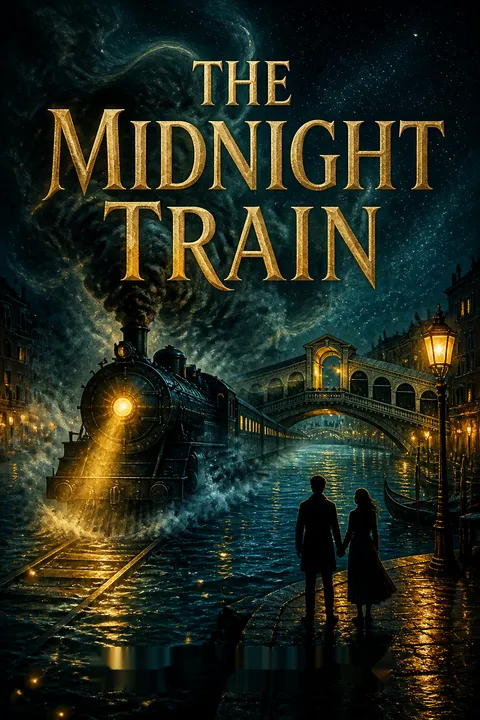
Wilbur and Maggie celebrate their honeymoon in Venice, soaked in August sunlight and hope. The love they express feels immortal, as timeless as the city itself. Playful banter and spontaneous dreams fill the air—he jokes of selling his bookshop, she pictures herself as an artist in a foreign land. For a moment, all wounds of their difficult pasts are soothed by each other's presence. Unknown to them, another Wilbur—a doppelganger—watches, symbolizing time's shadow. Their happiness is vivid, yet tinged with foreshadowed fragility, as they muse that life's stream could never dry up. This moment, where they believe time can be ignored and love lasts forever, becomes a touchstone, echoing far beyond the canal into Wilbur's memory and the story's fabric.
Fifty-Two Years Later
Decades later, Wilbur is a solitary older man in rural England, with piano lessons the one bright thread in an increasingly lonely existence. Interactions with his piano teacher become precious—the attempt to grasp music, memory, and meaning as the body fails. A surprise phone call from his former wife, Maggie, opens chasms of feeling and regret, exposing a lifetime's worth of emotional distance and unspoken longing. Their awkward, touching conversation—decorated by small reminiscences and the ache of what might have been—deepens the sense that lives once intimately intertwined can drift into parallel solitude. Wilbur's physical frailty mirrors the emotional weight of years apart, making every small contact with Maggie brittle and overwhelming.
The Train Station Beyond
After Wilbur's sudden death, he awakens in a liminal, dreamlike train station marked with his own name. Confused but conscious, he discovers this is where souls pause before moving onward. Anxieties quietly abate, replaced by curiosity as a mysterious train ticket materializes—departure set for the minute after midnight on "The Midnight Train." The station is familiar yet untethered from reality, thick with symbolic resonance. Here, the boundary between past and present loses meaning, and Wilbur's story suspends in the space between endings and new beginnings. The station waits, empty of others, replete with possibility and apprehension, for the train ride and what it means to examine a life.
Ghosts and Guides
Wilbur meets Agnes, the stern but caring ghostly guide—the spirit of his childhood's bookseller. She's tasked with shepherding him through the stations of his own life, clarifying the rules: the journey is not a punishment or reward but an opportunity for understanding and acceptance. Agnes, who is both universe and personal confidant, laces her no-nonsense warmth with the insistence that discipline and witnessing are essential to making peace with one's existence. Through her eyes, Wilbur's life is exposed not as a linear sequence but a network of pivotal moments—some shaped by discipline, others by chaotic impulse. Agnes's brisk wisdom becomes both comfort and challenge, demanding honesty before eternity can be faced.
Through Childhood's Eyes
Wilbur is cast back as an observer in his war-shattered 1940s Sheffield childhood. He sees his mother's quiet resentment, his brother Dougie's fierce resilience, and, for a fleeting moment, his infant self recognizing his ghost. The most mundane struggles—poverty, hunger, family squabbles—are etched with fresh clarity. Small kindnesses, like Dougie's stolen train gifted to baby Wilbur, pulse with astonishing tenderness. Loss becomes tangible as Wilbur is confronted with his father's death, filtering through every subsequent stage of his development. These memories—with Wilbur now only able to watch, never touch—highlight how acts of care, neglect, and trauma thread through to adulthood.
Sliding Doors of Time
Wilbur travels through young adulthood, where innocence and bravado alternate. He befriends and forms deep bonds—Charlie is his loyal friend, Mr Bagdale his mentor, and short encounters shape lasting self-perception. His first, shy meeting with Maggie provides a glimpse of tenderness and possibility. But each crucial encounter is shadowed by moments where alternate choices are possible—sometimes enacted, sometimes avoided as Agnes enforces the rule of non-interference. Whether watching Dougie's rebellion or his own fleeting happiness, Wilbur receives a painful education in how fate is equal parts accident and action. Regret and gratitude interlace—as every small act contributes to what is lost or gained.
Parallel Moments, Colliding Lives
Moments with Maggie, first as friends and then lovers, are replayed in aching detail, clarifying how love's growth is both miraculous and fragile. Silent moments on park benches, in bookshops, or at the cinema are filled with unsaid longing and subtle signals missed or half-answered. Their lives weave together and apart with every brave or timid gesture—delaying what could have been accelerated, softening what could have broken. Even as love flourishes, it becomes apparent that inaction and holding back can be as decisive as overt mistakes. The ghostly Wilbur tries to warn or prompt his younger self, but the consequences of timing and hesitation prove immutable.
Loss and the Living
Wilbur relives the catastrophic night Dougie dies. Guilt and grief play out as he sees how their youthful bravado, rivalry, and love combust in a car crash. The aftermath—his mother's unraveling, dreams deferred, despair pulsing through the family—follows. Returning to everyday life becomes a feat of survival, with ambitions diminished, joys muted, and relationships subtly stunted. Even as new connections—his evolving relationship with Maggie, rekindled career at the bookshop—emerge, Wilbur's ability to live fully is compromised by scars unhealed. The cost of unresolved pain trails him, reshaping the texture of subsequent joys and the limits of his courage.
The Bookshop Universe
Wilbur's life finds new energy in bookselling—his natural empathy and curiosity blossom through creating a place for readers, nourishing friendships, and deepening his bond with Maggie. These years brim with hope and community, signs of healing, and the sense of life built upon chosen values. Encounters with strangers and old friends alike reinforce the idea that meaning is constructed in small gestures—sharing books, laughter, and care. Yet, new temptations of ambition and the shadow of old wounds remain close. Mrs Bagdale's legacy and the "bookshop universe" become both compass and cautionary tale for Wilbur's choices ahead.
Love's Courage and Cowardice
Marriage, partnership, and shared dreams blossom for Wilbur and Maggie. Their happiness—heightened in memories of Venice and the early days of domestic life—feels potent yet subject to the erosions of fear, distraction, and the lure of success. Wilbur experiences the courage required to surrender fully to love—how to trust, slow down, and tend to the fragile garden of partnership. Yet creeping anxiety about loss, the inexorable return of buried pain, and the relentless pull of ambition begin to weaken their connection. The beauty of their partnership—shared laughter, art, wonder at the world—stands in sharper relief against the slow drift towards distance.
The Momentum of Regret
Wilbur's professional rise brings power, wealth, and increasing emptiness. His drive for more—new shops, recognition, and influence—gradually atrophies his relationships. He loses touch with friends, neglects Maggie's emotional needs, and confuses meaningful work with perpetual busyness. The cost is revealed in sharp betrayals—like firing his oldest friend Charlie—and in his inability to comfort or connect with Maggie during their heartbreak and miscarriage. Material success grows, but the rooms of his life become emptier, echoing with the absence of love, friendships, and purpose. Regret seeps in, especially as old haunts—the bookshop, the cinema—are erased by so-called progress.
Holding Tight, Letting Go
After the collapse of his marriage and retreat from ambition, Wilbur confronts the ruins of his relationships and sense of self. The loneliness of a grand but empty house, the absence of Maggie, the distance from his mother and Charlie—all are brought vividly home by the train's relentless review. Small redemptions appear in late-life acts of humility: giving to charity, learning piano from Nora, making new if modest connections in old age. These moments of understanding, forgiveness, and kindness do not erase past mistakes but offer the possibility of peace and gratitude for the life that was lived, in all its contradiction.
The Dreamer's Gamble
Haunted by the weight of his mistakes, Wilbur the Ghost gambles everything—violating the rules of his afterlife journey to give his younger, dreaming self a vision of his possible future. He tries to show the younger Wilbur what is lost if courage and love are neglected, hoping to spark change. This action unmoors the train from its ordered narrative, injecting chaos and unpredictability. Agnes, the guide, warns that the cost could be the disappearance of both Wilburs from eternity. The train's violent shaking and crumbling become metaphors for the risk and possibility inherent in stepping outside scripted fate.
Small Things, Big Changes
As the Dreamer and Ghost move through pivotal memories, it becomes clear that small choices—pauses to listen, acts of gentleness, commitments made or deferred—reverberate across decades. Caring for friends, expressing vulnerability, focusing on presence rather than perpetual striving—these are what form or betray happiness. The possibility emerges, however faint, that if Wilbur awakens with these lessons, the course of his and Maggie's life together could be altered, shifting not just their future but everything they touch, all from modest moments of attention and courage.
Alternate Endings
The dual Wilburs face the climax of their journey—one choosing to vanish from eternity so the other may wake with knowledge borrowed from the dead. The Ghost deliberately embarks into the void, while the Dreamer is left to brace for a turbulent, uncertain return. As the narrative nears its end, the boundaries between lives blur: is happiness the product of fate, knowledge, or improvisation? Is regret avoidable or the necessary shadow of choice? The Dreamer must decide, upon waking, whether to cling to habits or dare to live differently, remembering both pain and clarity.
Living How the Dead Would
Wilbur awakens on his honeymoon—memories of the Midnight Train, of loss, love, and longing, shaken but not erased. The gift is new awareness: to savor, to express love, to choose smaller ambitions and grander forms of care; to not defer happiness or compromise presence for future "enough." He tells Maggie how much he treasures her, vows to turn away from the path of distraction and expansion, and focuses on devotion to their life together. The knowledge of old age and death becomes a compass, guiding him to live as the dead would—bravely, generously, urgently awake to each moment.
The Art of Enough
Wilbur forgoes the expansion of his business empire, content instead to steward a single beloved bookshop, to read, to nurture friendships, to be deeply present for Maggie and those around him. He discards the false security of achievement for the true richness of shared, ordinary joys: music, laughter, charity, art. The lesson is that enough is found not in accumulation but in gratitude, connection, and the ongoing courage to be vulnerable and improvisational. Regrets will remain, but life's worth is measured by what is consciously savored and shared.
Making It Up Together
Walking with Maggie through night-lit Venice, Wilbur steps fully into his reclaimed life—free from the ghosts of fear, failure, and missed opportunity. They plan, not according to scripts or ambitions, but by "making it up as they go along." The story closes on the radical possibility that happiness is not guaranteed, but can be made and remade in attention, improvisation, and commitment to each other. Their love, freed from the weight of striving and protected by the lessons of mortality, becomes sturdy, newly enduring, and available to the precious gift of the present.
Analysis
In The Midnight Train, Matt Haig crafts a luminous, deeply empathetic meditation on time, regret, and the irreducible value of love. Framing existence as both train journey and collage of pivotal moments, the novel invites us to reconsider which parts of our story are truly ours to change. Haig's mastery lies in rendering the ordinary—conversations, small gestures, routines—extraordinary by showing how the accumulation (or neglect) of the "small things" is what ultimately writes a life's meaning. The book's structure—oscillating between spectral retrospection and radical possibility—challenges us to live "how the dead would, if only they had the chance." This is not a novel about erasing pain or achieving perfect happiness, but one about the humility to improvise, the courage to risk presence rather than busyness, and the wisdom to cherish every imperfect gift. Through Wilbur's second chance, Haig proposes an antidote to the epidemic of distraction and striving: relationships, gratitude, and the art of "enough." The lesson—simultaneously timeless and contemporary—is that we cannot edit our past, but we can transform our present by attention, kindness, and the ongoing decision to love.
Review Summary
Most readers deeply enjoyed The Midnight Train, praising its tender emotional depth, relatable themes of regret, second chances, and the beauty of life's quiet moments. Many compared it favorably to The Midnight Library and A Christmas Carol, appreciating the nostalgic train metaphor and Wilbur Budd's flawed yet touching journey. Critics noted occasional flat characterization and predictability, with some feeling disconnected from Wilbur and Maggie. Overall, the book resonated strongly for its life-affirming message and Haig's signature warm, accessible prose.
People Also Read








Characters
Wilbur Budd
Wilbur is both protagonist and prism for the story's themes—a bookseller from postwar Sheffield, shaped by loss, poverty, and his brother's tragedy. Intelligent, sensitive, and resourceful, Wilbur's early promise is stifled by trauma, leading to lifelong struggles with vulnerability and ambition. His journey unfolds in two forms: as the living man and as a ghost reliving his own history. The older Wilbur, filled with regret and longing for connection, seeks understanding and redemption. His changing relationships—to Maggie, Dougie, his mother, friends, and work—reveal a psyche torn between the need for achievement and a deeper yearning for belonging and meaning. Ultimately, Wilbur exemplifies both the human tendency to run from pain and the possibility of mid- or late-life transformation through humility and love.
Maggie Shaw Budd
Maggie, introduced as Wilbur's wife, becomes the heart of his emotional journey. Creative, intelligent, and strength beneath vulnerability, Maggie is at once Wilbur's salvation and the test of his ability to remain present. Her love and honesty challenge Wilbur to face himself, while her disappointments (as he grows distant, work-obsessed, and emotionally unavailable) catalyze both crisis and possibility. Maggie's inner world—her ambitions as an artist, her grief, resilience, and capacity for forgiveness—makes her more than a supporting character: she is the locus through which Wilbur's achievements and failures become meaningful. Her final act of leaving is an ultimate call for Wilbur to awaken, and her own journey is a portrait of a woman who grows, survives heartbreak, and finally seeks wholeness on her own terms.
Agnes Bagdale
Agnes, the ghostly guide on Wilbur's Midnight Train, exemplifies a paradoxical fusion: at once briskly no-nonsense and deeply compassionate. As Wilbur's childhood bookseller, she personifies wisdom earned through hardship, the dignity of discipline, and faith in the redemptive power of stories. Agnes functions as both surrogate parent and gatekeeper of eternity, demanding honesty, self-examination, and the courage to face one's story without flinching. Despite her rule-based approach, her affection for Wilbur is evident. Through psychoanalysis, Agnes represents the superego—the voice of conscience and structure—while also validating the necessity of breaking rules to truly live.
Dougie Budd
Dougie is Wilbur's older brother and a source of both early care and lifelong pain. Rough, volatile, charismatic, Dougie is formed by loss, poverty, and the unprocessed grief of their father's death. He oscillates between protector and antagonist, living without boundaries and catalyzing events that lead to Wilbur's deepest trauma. Dougie's inability to heal or find peace becomes Wilbur's own struggle, and his untimely death in a car crash (with Wilbur at his side) haunts all subsequent joys. The complexity of their love—a mixture of resentment, guilt, admiration, and longing—serves as a psychological engine for Wilbur's choices and ultimately his redemption.
Edith Budd
Edith, left a widow before Wilbur's birth, labors under the burdens of survival: feeding two sons, enduring the judgment of landlords, and repressing her own sadness. Her resentment toward Wilbur (the fatherless baby) is balanced by moments of fierce love and self-sacrifice. As the years pass and family trauma accumulates, Edith's mental health deteriorates—her remoteness, anger, and ultimate withdrawal reflect the intergenerational transmission of pain. Her complicated legacy, including her surprising late romance with Mr Parkin, deepens Wilbur's ongoing struggle to understand love, forgiveness, and the possibility of new beginnings.
Charlie Applewood
Charlie is Wilbur's lifelong best friend—a shy, mathematically-gifted underdog who survives bullying and hardship with quiet resilience. Loyal, empathetic, and intellectually curious, Charlie is both muse and conscience; his friendship offers Wilbur strength, perspective, and comfort, especially in adolescence and early adulthood. Their partnership, particularly in the bookshop years, is a model of chosen family and collaborative meaning-making. The pain of their later estrangement (culminating when Wilbur, seduced by ambition, lets him go) serves as a major focal point of Wilbur's self-recrimination and ultimate growth.
Miss Graham
A minor but pivotal character, Miss Graham fosters Wilbur's early love of literature and encourages his academic ambitions. Unconventional, progressive, and compassionate, she instills in Wilbur a sense of possibility that transcends social class. Her appearance as a ghostly presence on the train, urging risk and the breaking of rules, offers counterpoint to Agnes's discipline—becoming a symbol for the potential of second chances, rebellion against fate, and the 'voice of life' beyond the boundaries of orthodoxy.
Mr Parkin
Initially the archetype of the strict and exploitative landlord, Mr Parkin's later emergence as Edith's suitor complicates old resentments. For Wilbur and Dougie, Parkin is a symbol of the external pressures that shape (and sometimes warp) family relationships; for Edith, he is an unexpected agent of comfort and renewal. His arc highlights the instability of lifelong narratives—every villain, perhaps, harbors unknown tenderness.
Nora Seed
Nora enters Wilbur's late old age as a gentle instructor, confidante, and model of resilience. Her own recovery from suicidal despair, and her philosophy that "the only way to learn is to live," provides crucial inspiration for Wilbur in facing his final regrets—and for the story's meditation on parallel lives, time, and the possibility of self-forgiveness.
Maggie's Father, Alfred Shaw
Alfred, a background presence in Maggie's life and later a friend to Wilbur, offers a kind of paternal care missing from Wilbur's own story. His advice—love is a garden, requiring constant tending, not just declarations—is both a practical philosophy and an enduring challenge to Wilbur's deepest habits. His relaxed acceptance of loss, and ability to remain rooted in gratitude, provides a subtle but essential model for living well.
Plot Devices
The Midnight Train & Liminal Time
The core structural device is the Midnight Train—a vehicle for Wilbur's "life flashing before his eyes" after death. This device allows vignettes from all periods of his life to be relived out of sequence, with stops at emotional landmarks rather than chronological events. The clear narrative rules (no interference, get back on the train, don't let your living self see you sleep), enforced by Agnes, create tension by tempting transgression and opening the possibility of changing fate. The train's platform, stations, and progression not only provide a liminal space between life and afterlife but reinforce the story's themes of momentum, destiny, and spiritual improvisation.
Doppelgangers, Doubling, and Split Selves
Wilbur's frequent glimpses of his own double—a literal doppelganger during life, intricate ghost-dreamer pairing in death—are visual metaphors for missed potential, parallel lives, and latent knowledge. The recurring motif blurs boundaries between past, present, and possible futures, confronting Wilbur (and readers) with the instability and richness of identity across time. These devices also fuel narrative suspense: will breaking the rules erase eternity or generate new beginnings?
Non-linear Narrative and Time Distortion
Wilbur's journey on the Midnight Train is emphatically non-linear, mirroring both the psychological reality of memory and the possibility of alternate timelines. Crucial moments—the deaths of loved ones, first contact with Maggie, betrayal of friends, business choices—are presented in recursive fashion, each new approach layering insight, emotion, and foreshadowing. This structure destabilizes the notion of fate as irrevocable, instead suggesting life as a collage of "Russian doll moments" containing all futures and all pasts.
Foreshadowing and Recurrence
The story is loaded with early signs of later heartbreaks and recoveries—dialogue on the honeymoon mocking ambition, negligent acts in youth mirrored by adult failures, and the phrase "look out for the glass" as both literal and symbolic warning. Small objects (a toy train, a wedding photo, Maggie's letter) and motifs (bench conversations, the smell of bread in a bookshop, the idea of art enduring beyond life) recur with changed significance. These foreshadowings reinforce the lesson that details—the small things—prophesy both joy and regret.
Metafiction and Storytelling Self-Awareness
Agnes and Miss Graham often speak as if aware of the book as book: rules must be followed, stories require discipline, and even death is a plot. Wilbur's reflections on "editing" his past, "meddling" with timelines, and consciously choosing narrative directions embolden the story's central question: if we could rewrite our lives, what would truly matter? The train's journey (mirrored literally by chapter structure) becomes not just Wilbur's trial, but an experiment in the power of narrative to heal, warn, and liberate.
About the Author







Download PDF
Download EPUB
.epub digital book format is ideal for reading ebooks on phones, tablets, and e-readers.








































