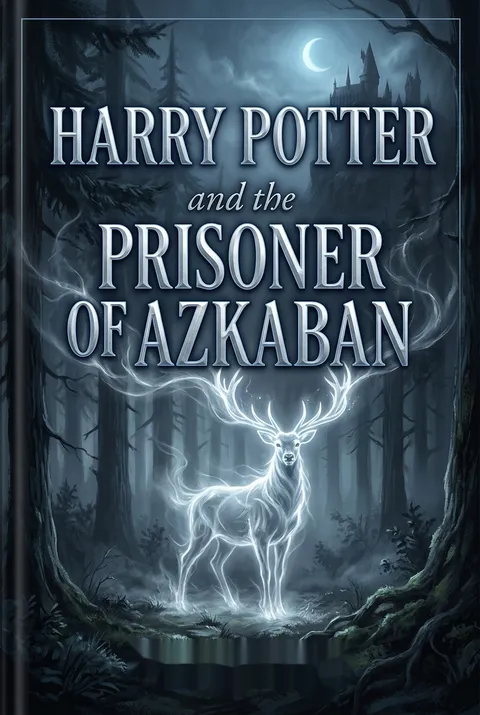

Resumen de la trama
Tareas a medianoche y sorpresas de cumpleaños
Harry Potter, un joven mago, pasa un verano con los Dursley, sus parientes que odian la magia. En secreto, completa sus deberes escolares, anhelando regresar a Hogwarts. En su cumpleaños, recibe regalos de sus amigos, entre ellos un Detector de Sneakoscope de Ron y un Kit de mantenimiento para escobas de Hermione. Llega un paquete misterioso con una escoba Firebolt, sin nota alguna, lo que deja a Harry emocionado pero desconcertado por el regalo anónimo.
La desafortunada visita de la tía Marge
La tía Marge, hermana del tío Vernon, visita a los Dursley, trayendo tensión y desprecio hacia Harry. Durante la cena, Marge insulta a los padres de Harry, lo que hace que Harry pierda el control y, accidentalmente, la infle como un globo. Preso del pánico, Harry huye de la casa de los Dursley, arrastrando su baúl y a su lechuza, Hedwig, en la noche. Teme ser expulsado de Hogwarts por usar magia fuera de la escuela.
La huida y el Autobús Noctámbulo
Solo y desconcertado, Harry es recogido por el Autobús Noctámbulo, un transporte mágico para brujas y magos varados. A bordo, se entera de Sirius Black, un peligroso prisionero fugado. Harry es llevado al Caldero Chorreante, donde conoce a Cornelius Fudge, el Ministro de Magia. Sorprendentemente, Fudge es indulgente con la magia accidental de Harry, permitiéndole quedarse en el Callejón Diagon hasta que comience el curso.
Secretos del Caldero Chorreante
Harry disfruta de su libertad en el Callejón Diagon, explorando tiendas y preparándose para el nuevo año escolar. Se entera de la fuga de Sirius Black y del peligro que representa. Harry recibe un mapa misterioso de Fred y George Weasley, que revela pasadizos secretos en Hogwarts. El mapa, creado por "Lunático, Colagusano, Canuto y Cornamenta," se convierte en una herramienta valiosa para Harry.
El Grim y la Firebolt
La clase de Adivinación de Harry predice un Grim, un presagio de muerte, en su futuro. Es perseguido por la visión de un gran perro negro, que se cree es el Grim. A pesar de las señales ominosas, Harry está emocionado por su nueva escoba Firebolt, aunque Hermione desconfía de su procedencia. La tensión entre Harry, Ron y Hermione crece mientras discuten por la escoba y el gato de Hermione, Crookshanks.
Hogsmeade y el Mapa del Merodeador
Incapaz de visitar Hogsmeade legalmente, Harry usa el Mapa del Merodeador para colarse en el pueblo. Escucha una conversación que revela que Sirius Black traicionó a sus padres ante Voldemort. Conmocionado y enfadado, Harry lucha con esta revelación. Ron y Hermione intentan disuadirlo de buscar venganza, temiendo por su seguridad.
El frío de los Dementores
Durante un partido de Quidditch, Harry es atacado por Dementores, lo que provoca que caiga de su escoba. Escucha los últimos momentos de su madre, quedando conmocionado. El profesor Lupin, el nuevo maestro de Defensa Contra las Artes Oscuras, explica que los Dementores se alimentan de la desesperación y se ofrece a enseñar a Harry cómo defenderse de ellos. Harry está decidido a aprender, atormentado por los recuerdos que evocan los Dementores.
La cena de Navidad y revelaciones inesperadas
En Hogwarts, un pequeño grupo se reúne para la cena navideña, incluyendo a Harry, Ron, Hermione y profesores como Dumbledore y Snape. La atmósfera se aligera con las bromas de Dumbledore con crackers mágicos, pero surge tensión cuando la profesora Trelawney se une, temiendo el número trece en la mesa. La conversación gira en torno a la ausencia del profesor Lupin por enfermedad, insinuando su misteriosa condición. La cena termina con una predicción ominosa de Trelawney sobre el futuro de Lupin, preparando el terreno para el drama que se avecina.
Los orígenes misteriosos de la Firebolt
Harry recibe una escoba de primera línea, la Firebolt, como un regalo misterioso. Hermione, preocupada por la seguridad de Harry, informa a la profesora McGonagall, temiendo que pueda estar embrujada por Sirius Black. Esto lleva a que la escoba sea confiscada para inspección, causando una brecha entre Hermione y sus amigos. La tensión refleja la creciente presión en su amistad y la amenaza latente de Sirius Black, quien se cree que busca a Harry.
El Patronus y recuerdos oscuros
Decidido a superar su miedo a los Dementores, Harry comienza lecciones privadas con el profesor Lupin para aprender el Encantamiento Patronus. Las lecciones son difíciles, pues Harry enfrenta recuerdos dolorosos de la muerte de sus padres. A pesar de las dificultades iniciales, la determinación de Harry da frutos y poco a poco conjura un Patronus, una fuerza protectora contra los Dementores. Este camino de autodescubrimiento y resiliencia es crucial para el crecimiento y comprensión de su pasado.
El triunfo en Quidditch y la traición
Gryffindor gana un partido crucial de Quidditch, gracias a la habilidad de Harry y su nueva Firebolt. La victoria se ve ensombrecida cuando Ron descubre que su rata mascota, Scabbers, ha desaparecido, con indicios que apuntan al gato de Hermione, Crookshanks. La tensión aumenta, pero la verdadera sorpresa llega cuando Ron, Harry y Hermione descubren que Scabbers es en realidad Peter Pettigrew, un traidor que se creía muerto. Esta revelación trastoca su mundo, desafiando sus percepciones de amigo y enemigo.
El giratiempo y la gran escapada
Con la ayuda del Giratiempo de Hermione, Harry y Hermione viajan al pasado para salvar a Buckbeak, el Hipogrifo, y a Sirius Black de destinos injustos. Su misión está llena de peligro y secreto, pues deben evitar ser vistos por sus yo del pasado. El rescate exitoso resalta temas de justicia y amistad, al desafiar las probabilidades para proteger a los inocentes. Esta aventura fortalece su vínculo y marca un nuevo rumbo para su futuro.
Verdades reveladas y nuevos comienzos
Se descubre la verdad sobre la inocencia de Sirius Black y la traición de Peter Pettigrew, cambiando la comprensión de Harry sobre el pasado de sus padres. A pesar de la victoria, Lupin renuncia a Hogwarts, temiendo represalias por su identidad de hombre lobo. Harry queda con un sentimiento de pérdida pero también de esperanza, pues Sirius le ofrece un nuevo hogar. La historia concluye con la determinación de Harry de enfrentar el futuro, armado con conocimiento y el apoyo de sus amigos.
Personajes
Harry Potter
Harry es un joven mago que lucha con el trauma de la muerte de sus padres y la revelación de la traición de Sirius Black. Su determinación para enfrentar sus miedos y proteger a sus amigos lo impulsa, aunque carga con el peso emocional de su historia.
Hermione Granger
Hermione es la amiga inteligente y astuta de Harry, que suele ser la voz de la razón. Se preocupa por la seguridad de Harry y desconfía de la misteriosa Firebolt, priorizando la lógica y la cautela ante el peligro.
Ron Weasley
Ron es el amigo fiel de Harry, que ofrece apoyo y humor. Protege a Harry y comparte su desprecio por los Dursley. La amistad de Ron se pone a prueba por las tensiones relacionadas con el gato de Hermione y la Firebolt.
Sirius Black
Sirius es el padrino de Harry, encarcelado injustamente por crímenes que no cometió. Su fuga de Azkaban y acciones posteriores están motivadas por el deseo de proteger a Harry y limpiar su nombre. El personaje de Sirius encarna temas de lealtad y justicia, luchando contra el estigma de su pasado.
Remus Lupin
Lupin, profesor de Defensa Contra las Artes Oscuras, es un hombre lobo que lidia con su condición. Su amistad con los padres de Harry y su papel en revelar la verdad sobre Sirius y Pettigrew destacan su integridad y valentía. La partida de Lupin de Hogwarts subraya los prejuicios que enfrenta, a pesar de su noble carácter.
Peter Pettigrew
Antiguo amigo de los padres de Harry, Pettigrew los traicionó ante Voldemort, causando su muerte. Su transformación en Scabbers, la rata mascota de Ron, simboliza su naturaleza engañosa. Las acciones de Pettigrew impulsan el conflicto central, revelando los peligros de la traición y la cobardía.
Los Dursley
Los Dursley son los familiares no mágicos de Harry que lo tratan mal. Su desprecio por la magia y el mundo de Harry crea un ambiente hostil, agravando la soledad de Harry durante el verano.
Hagrid
Hagrid es el guardabosques de Hogwarts y amigo de Harry. Su amor por las criaturas mágicas a menudo le trae problemas, como con Buckbeak el Hipogrifo. La lealtad y bondad de Hagrid son inquebrantables, pese a sus ocasionales errores de juicio.
Severus Snape
El profundo rencor de Snape hacia Sirius y Lupin tiene raíces en su pasado compartido. Sus acciones, motivadas por deseos de venganza, añaden tensión a la historia. El personaje de Snape es un estudio sobre las complejidades de la lealtad y el resentimiento.
Albus Dumbledore
La guía y apoyo de Dumbledore para Harry y sus amigos son cruciales en su búsqueda de justicia. Su fe en la inocencia de Sirius y el uso estratégico del Giratiempo reflejan su sabiduría y previsión.
Recursos narrativos
El Mapa del Merodeador
El Mapa del Merodeador es un artefacto mágico que muestra el plano de Hogwarts, incluidos pasadizos secretos y la ubicación de las personas dentro del castillo. Sirve como recurso para facilitar la exploración y comprensión de Harry sobre los secretos del castillo, simbolizando también el legado de la generación de su padre. Los creadores del mapa, "Lunático, Colagusano, Canuto y Cornamenta," sugieren conexiones profundas con el pasado de Harry y el misterio que rodea a Sirius Black.
El Giratiempo
El Giratiempo permite a Hermione y Harry viajar al pasado, posibilitando alterar eventos y salvar a Buckbeak y a Sirius. Este recurso destaca temas de destino, elección y las implicaciones éticas del viaje en el tiempo, añadiendo complejidad a la narrativa.
El Encantamiento Patronus
El Encantamiento Patronus, que Harry aprende a conjurar, es una defensa poderosa contra los Dementores. Simboliza la fuerza interior de Harry y su capacidad para superar el miedo y la desesperación, reflejando su crecimiento y resiliencia a lo largo de la historia.
Análisis
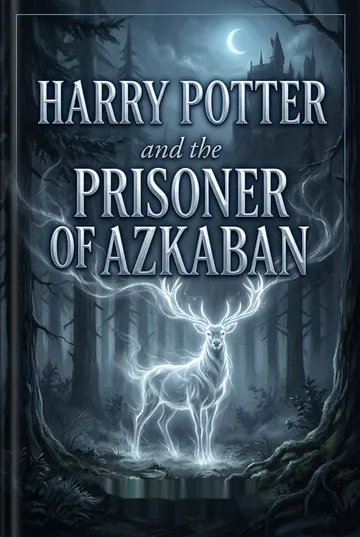
"Harry Potter y el prisionero de Azkaban" explora temas profundos como la justicia, el miedo y el poder de la amistad. La narrativa desafía las percepciones de bien y mal, revelando las complejidades de la naturaleza humana a través de personajes como Sirius Black y Peter Pettigrew. La historia enfatiza la importancia de enfrentar los propios miedos, como se ve en la lucha de Harry contra los Dementores y su búsqueda de la verdad sobre sus padres. La amistad y la lealtad son centrales, con el vínculo entre Harry, Ron y Hermione puesto a prueba y fortalecido a través de sus aventuras. El libro también aborda el prejuicio, reflejado en las dificultades de Lupin con su identidad de hombre lobo, subrayando la necesidad de comprensión y aceptación. En última instancia, la historia es un viaje de autodescubrimiento y resiliencia, mientras Harry aprende a navegar los desafíos de su pasado y abrazar las posibilidades de su futuro.
También leyeron
Preguntas frecuentes
Synopsis & Basic Details
What is Harry Potter and the Prisoner of Azkaban about?
- A Darker Third Year: Harry Potter's third year at Hogwarts is marked by the escape of Sirius Black, a dangerous wizard believed to be after him, and the introduction of Dementors, creatures that feed on despair.
- Unraveling the Past: Harry, along with Ron and Hermione, uncovers secrets about his parents' past, including the betrayal that led to their deaths, and the true identity of a seemingly harmless pet rat.
- Confronting Fear and Prejudice: The story explores themes of fear, prejudice, and the complexities of good and evil, as Harry learns to defend himself against Dementors and grapples with the truth about his parents' friends.
Why should I read Harry Potter and the Prisoner of Azkaban?
- Intricate Plot Twists: The book features a complex plot with unexpected twists and turns, keeping readers engaged and guessing until the very end. The introduction of time travel adds a unique layer of complexity.
- Character Development: The characters, especially Harry, Ron, and Hermione, undergo significant development, facing new challenges and growing in their understanding of the world and themselves.
- Emotional Depth: The story delves into deeper emotional themes, exploring grief, betrayal, and the power of friendship, making it a more mature and emotionally resonant read than the previous books.
What is the background of Harry Potter and the Prisoner of Azkaban?
- Escaped Convict Threat: The story is set against the backdrop of Sirius Black's escape from Azkaban prison, creating a sense of unease and danger throughout the narrative. This escape is unprecedented and causes widespread fear in the wizarding world.
- Magical Creatures and Prejudice: The book introduces new magical creatures, such as Hippogriffs and Dementors, and explores the prejudice and fear surrounding them, reflecting real-world social issues.
- Hogwarts and the Wizarding World: The story expands the world of Hogwarts and the wizarding community, revealing more about its history, secrets, and the complex relationships between its members.
What are the most memorable quotes in Harry Potter and the Prisoner of Azkaban?
- "I solemnly swear that I am up to no good.": This phrase, used to activate the Marauder's Map, embodies the spirit of mischief and adventure that runs through the book, and is a fan favorite.
- "The ones that love us never really leave us.": This quote, though not directly stated, is implied through the Patronus Charm and Harry's connection to his parents, highlighting the enduring power of love and memory.
- "Happiness can be found, even in the darkest of times, if one only remembers to turn on the light.": This quote, though not directly stated, is implied through the Patronus Charm and Harry's connection to his parents, highlighting the enduring power of love and memory.
What writing style, narrative choices, and literary techniques does J.K. Rowling use?
- Third-Person Limited Perspective: Rowling employs a third-person limited perspective, primarily focusing on Harry's thoughts and feelings, which allows readers to experience the story through his eyes while maintaining a sense of mystery.
- Foreshadowing and Symbolism: The book is rich in foreshadowing, with seemingly minor details and events gaining significance later in the plot. Recurring symbols, such as the Grim and the Dementors, enhance the story's themes.
- Humor and Heartbreak: Rowling masterfully blends humor with moments of heartbreak and tension, creating a dynamic and emotionally engaging reading experience. The use of witty dialogue and character quirks provides levity amidst the darker themes.
Hidden Details & Subtle Connections
What are some minor details that add significant meaning?
- The Pocket Sneakoscope: Ron's gift to Harry, initially dismissed as unreliable, foreshadows the presence of untrustworthy individuals, particularly Pettigrew, and highlights the theme of hidden dangers.
- The Monster Book of Monsters: Hagrid's gift to Harry, a biting book, foreshadows the challenges and dangers Harry will face in his Care of Magical Creatures class and the unpredictable nature of the creatures he will encounter.
- The Shrieking Shack: The description of the Shrieking Shack as the most haunted building in Britain foreshadows its significance as a location for a major confrontation and the revelation of hidden truths.
What are some subtle foreshadowing and callbacks?
- Trelawney's Predictions: Professor Trelawney's seemingly random predictions, such as the Grim and the departure of a student, foreshadow key events in the story, adding a layer of mystery and suspense.
- The Marauder's Map: The map's ability to show the location of everyone in Hogwarts, including Pettigrew, foreshadows his true identity and his presence in the castle, setting the stage for the climax.
- Lupin's Illness: Lupin's monthly absences and his need for a special potion foreshadow his true nature as a werewolf, adding a layer of complexity to his character and his relationship with Harry.
What are some unexpected character connections?
- Lupin and the Marauders: The revelation that Lupin was part of the Marauders, along with Harry's father and Sirius, adds depth to his character and reveals a shared history that connects him to Harry's past.
- Crookshanks and Sirius: The connection between Crookshanks and Sirius, with Crookshanks helping Sirius, highlights the cat's intelligence and loyalty, and foreshadows Sirius's innocence.
- Snape and Lupin's Past: The revelation of Snape's past with Lupin and the Marauders explains his animosity towards Lupin and his deep-seated resentment, adding complexity to their relationship.
Who are the most significant supporting characters?
- Remus Lupin: As the new Defense Against the Dark Arts teacher, Lupin becomes a mentor to Harry, teaching him valuable skills and offering insights into his past. His character is pivotal in revealing the truth about Sirius and Pettigrew.
- Sirius Black: Though initially presented as a villain, Sirius's true nature as Harry's godfather and a victim of injustice makes him a central figure in the story, driving the plot and challenging Harry's perceptions.
- Peter Pettigrew: As the true betrayer, Pettigrew's character is crucial in revealing the truth about the past and highlighting the dangers of cowardice and betrayal. His actions drive the plot and shape the characters' destinies.
Psychological, Emotional, & Relational Analysis
What are some unspoken motivations of the characters?
- Snape's Resentment: Snape's deep-seated resentment towards Harry stems from his past with James Potter and his unrequited love for Lily, which fuels his animosity and his desire to see Harry fail.
- Lupin's Guilt: Lupin's guilt over his werewolf condition and his past actions with the Marauders drives his desire to protect Harry and make amends for his past mistakes.
- Sirius's Obsession: Sirius's obsession with finding Pettigrew is driven by his desire to clear his name and avenge his friends, highlighting his loyalty and his need for redemption.
What psychological complexities do the characters exhibit?
- Harry's Trauma: Harry's trauma from his parents' death and his encounters with Dementors reveal his vulnerability and his struggle to cope with his past, highlighting the psychological impact of loss and fear.
- Hermione's Anxiety: Hermione's anxiety about her studies and her fear of failure reveal her perfectionism and her need for control, highlighting the pressures she places on herself.
- Ron's Insecurity: Ron's insecurity about his family's poverty and his feelings of inadequacy compared to Harry and Hermione are evident in his reactions to Scabbers and his desire for recognition.
What are the major emotional turning points?
- Harry's Discovery of Sirius's Innocence: The revelation that Sirius is innocent and that Pettigrew is the true betrayer is a major emotional turning point for Harry, shifting his understanding of his past and his feelings towards Sirius.
- The Loss of the Firebolt: The confiscation of the Firebolt is a significant emotional blow for Harry, highlighting his deep connection to Quidditch and his desire for recognition and success.
- The Dementor Attack: The Dementor attack during the Quidditch match is a major emotional turning point for Harry, forcing him to confront his deepest fears and triggering his determination to learn the Patronus Charm.
How do relationship dynamics evolve?
- Harry, Ron, and Hermione's Friendship: The trio's friendship is tested by disagreements and misunderstandings, but ultimately strengthened by their shared experiences and their loyalty to each other.
- Harry and Lupin's Mentor-Mentee Relationship: Harry and Lupin's relationship evolves from teacher and student to a bond of mutual respect and understanding, as Lupin shares his past and helps Harry confront his fears.
- Ron and Hermione's Conflict: Ron and Hermione's conflict over Crookshanks and Scabbers highlights their differing perspectives and their struggle to understand each other, but ultimately leads to a deeper appreciation for their friendship.
Interpretation & Debate
Which parts of the story remain ambiguous or open-ended?
- The Nature of the Patronus: While the Patronus Charm is explained, the exact nature of its connection to the caster's memories and emotions remains somewhat ambiguous, leaving room for interpretation.
- The Future of Pettigrew: The story leaves Pettigrew's fate open-ended, raising questions about his future actions and his potential impact on the wizarding world.
- The Extent of Voldemort's Influence: The book hints at the lingering influence of Voldemort and his followers, leaving readers to wonder about the extent of their power and their plans for the future.
What are some debatable, controversial scenes or moments in Harry Potter and the Prisoner of Azkaban?
- Snape's Treatment of Students: Snape's harsh treatment of students, particularly Neville, raises questions about his ethics and his suitability as a teacher, sparking debate about the nature of authority and fairness.
- Hermione's Actions Regarding the Firebolt: Hermione's decision to report the Firebolt to McGonagall, while well-intentioned, is controversial, highlighting the conflict between loyalty and responsibility.
- The Use of the Time-Turner: The use of the Time-Turner raises questions about the ethics of time travel and the potential consequences of altering the past, sparking debate about the nature of fate and free will.
Harry Potter and the Prisoner of Azkaban Ending Explained: How It Ends & What It Means
- Sirius's Escape: The ending sees Sirius Black escape on Buckbeak, highlighting the triumph of justice and the power of friendship, but also leaving a sense of uncertainty about his future and his safety.
- Pettigrew's Escape: Pettigrew's escape underscores the ongoing threat of Voldemort and his followers, and the potential for betrayal and danger to resurface.
- Lupin's Departure: Lupin's resignation from Hogwarts, while necessary, is a bittersweet ending, highlighting the prejudice and fear surrounding werewolves, and the loss of a valuable mentor for Harry.
Harry Potter Serie
Descargar PDF
Descargar EPUB
.epub digital book format is ideal for reading ebooks on phones, tablets, and e-readers.








































