Resumen de la trama
Retratos y Profecías
La historia de Emilia del Valle comienza en San Francisco, en 1873, con un retrato infantil y una madre, Molly Walsh, que ama con intensidad pero está atormentada por el pasado. Molly, inmigrante irlandesa, cría a Emilia con relatos de un padre chileno adinerado y ausente, y una supuesta herencia, aunque su realidad es la lucha de la clase trabajadora. La visita para ver la cabeza cortada de un bandido notorio se convierte en metáfora del destino de hombres como el padre de Emilia y de la sombra que proyecta sobre su vida. Este capítulo marca el tono de una existencia moldeada por el anhelo, la resistencia y la búsqueda de identidad.
El Sacrificio de Molly
La historia de Molly se despliega: huérfana en California, criada por monjas y casi novicia, es seducida por Gonzalo Andrés del Valle, un aristócrata chileno. El romance la deja embarazada y abandonada, pero Molly se niega a quebrarse. Se casa con Francisco "Papo" Claro, un maestro mexicano que le ofrece respeto y compañía. Juntos construyen una vida de dignidad modesta, criando a Emilia en un barrio multicultural y obrero. La transformación de Molly, de víctima piadosa a matriarca formidable, es la base de la fortaleza de Emilia.
La Formación de Emilia
Emilia crece en un hogar definido por la disciplina de su madre y la calidez de su padrastro. Es introspectiva, curiosa, moldeada por la dualidad de la culpa católica y la libertad intelectual. Papo le inculca amor por el aprendizaje y autoestima, mientras que la severidad y el dramatismo de Molly le enseñan resistencia. La ausencia de su padre biológico es un dolor constante, pero el amor incondicional de Papo llena ese vacío. Sus primeros años son una mezcla de dificultades, afecto y las semillas de la rebeldía.
Novelas Baratas y Desafío
La insaciable curiosidad y ambición literaria de Emilia la llevan a escribir novelas baratas bajo el seudónimo masculino Brandon J. Price. Con la imaginación mórbida de su madre alimentando sus tramas y el aliento de Papo, Emilia crea historias de venganza y protagonismo femenino. Su éxito como escritora le otorga independencia económica y una identidad secreta, desafiando las normas de género y las expectativas sociales. Escribir se convierte en un medio de supervivencia y una declaración de autonomía.
Convertirse en Brandon J. Price
El éxito literario de Emilia la impulsa a incursionar en el periodismo. Consigue una columna en el San Francisco Examiner, inicialmente bajo su seudónimo, tras superar en investigación a reporteros hombres en un caso de asesinato sensacionalista. Su alianza con el experimentado periodista Eric Whelan se convierte en mentoría y camaradería. La voz de Emilia—aguda, subjetiva y valiente—le gana un lugar en la redacción, aunque siempre en los márgenes, mal pagada y sin reconocimiento como mujer. Sus columnas combinan crítica social, crimen y la realidad de la vida inmigrante.
El Mundo se Expande
Una asignación periodística lleva a Emilia a Nueva York, donde experimenta la vibrante pobreza de la ciudad. Inicia un apasionado romance con Owen Whelan, hermano de Eric, aprendiendo los placeres y peligros de la libertad sexual. La relación termina en desamor y desilusión, pero también en autoconocimiento. Sus crónicas de viaje capturan las luchas de las mujeres trabajadoras, el espectáculo del vodevil y las contradicciones de la modernidad. Su regreso a San Francisco marca un punto de inflexión: ya no es inocente, sino decidida a vivir según sus propios términos.
El Camino del Periodista
De vuelta en San Francisco, la reputación de Emilia crece, pero también los desafíos. Navega la política de la redacción, las limitaciones impuestas a las mujeres y las expectativas familiares. Su amistad con Eric Whelan se profundiza, basada en respeto mutuo e ideales compartidos. Cuando surge la oportunidad de cubrir la guerra civil chilena, Emilia insiste en hacerlo con su nombre real, exigiendo reconocimiento y agencia. El viaje a Chile es un salto profesional y una búsqueda personal para enfrentar sus orígenes.
Corresponsal de Guerra
Emilia y Eric viajan por separado a Chile, cubriendo distintos bandos de la guerra civil. El periodismo de Emilia se centra en el costo humano: mineros, mujeres de las cantinas, desposeídos. Entrevista al presidente Balmaceda, navega el laberinto de la sociedad chilena y se reconecta con la familia paterna, incluida la imponente Paulina del Valle. La brutalidad de la guerra—masacres, traiciones y sufrimiento de los pobres—destruye cualquier ilusión de heroísmo. La objetividad de Emilia se pone a prueba al presenciar el colapso de ideales y el auge de la venganza.
Sangre Chilena, Guerra Chilena
La búsqueda del padre lleva a Emilia a un reencuentro agridulce: Gonzalo Andrés del Valle es un hombre quebrado, consumido por el remordimiento y prejuicios de clase. A través de él, Emilia confronta el legado del privilegio, la pérdida y la inutilidad de la vergüenza heredada. La guerra se intensifica, culminando en las catastróficas batallas de Concón y Placilla. Emilia, integrada con las mujeres de las cantinas del ejército, vive el terror y el caos del combate en primera persona. Las líneas entre periodista, participante y víctima se difuminan al ser arrastrada por la marea de la historia.
Padres y Herencia
Al terminar la guerra, el padre de Emilia muere, dejándole una herencia simbólica: un terreno remoto y sin valor en el sur de Chile. El acto de reconocimiento legal, presenciado por la indomable Paulina, es a la vez liberación y carga. La legitimidad de Emilia queda afirmada, pero a costa de perder ilusiones y aceptar su compleja herencia. El posguerra trae represalias, ejecuciones y el suicidio del presidente Balmaceda. El periodismo de Emilia se convierte en testimonio de los olvidados y caídos.
Los Campos de Batalla de la Verdad
La relación entre Emilia y Eric, forjada en el crisol de la guerra, florece en amor. Su reencuentro en Valparaíso es un breve respiro de los horrores vividos. Las experiencias de Emilia—en el campo de batalla, el hospital y la prisión—la dejan marcada física y emocionalmente. Es arrestada, torturada y casi ejecutada, salvada solo por la intervención de amigos y los vaivenes políticos. Sobrevivir cuesta la inocencia, pero también renueva su sentido de propósito.
Prisión, Supervivencia y Renacimiento
El encarcelamiento de Emilia es un descenso a la oscuridad: golpizas, privaciones y la constante presencia de la muerte. Sobrevive gracias a la imaginación, la memoria y la compañía de un ratón. La amenaza de ejecución es un crisol que la desnuda hasta su esencia. Liberada por los esfuerzos de Eric y su familia chilena, Emilia se recupera en la mansión de Paulina, cuidada por mujeres que entienden tanto el sufrimiento como la supervivencia. La experiencia la transforma, profundizando su empatía y determinación.
Las Raíces del Sur
Curada pero inquieta, Emilia parte sola hacia el remoto terreno heredado en el sur de Chile. Guiada por el capitán Janus y acompañada por su fiel perro, atraviesa ríos, bosques y comunidades mapuches. El viaje es tanto físico como espiritual: un encuentro con la belleza, violencia e historia de la tierra. El tiempo de Emilia entre los mapuches, su enfermedad y recuperación, y su escritura en soledad se convierten en actos de autodescubrimiento y reconciliación con su pasado.
El Regreso a Casa
Mientras Emilia se pierde en la naturaleza sureña, Eric regresa a San Francisco, atormentado por su ausencia. Meses después, una carta del capitán Janus revela el destino de Emilia: sobrevivió, fue sanada por los mapuches y eligió quedarse en la tierra que llamó a su alma. Eric viaja a Chile, la encuentra transformada pero viva, y juntos contemplan un futuro moldeado por el amor, la memoria y el arraigo perdurable. La historia de Emilia concluye como un testimonio de resiliencia, búsqueda de pertenencia y el poder de contar historias para dar sentido a un mundo fragmentado.
Personajes
Emilia del Valle
Emilia es el corazón de la novela: una mujer moldeada por la ausencia, el anhelo y las contradicciones de su herencia. Criada en la pobreza por una madre devota y herida y un padrastro amoroso e intelectual, se convierte en escritora por necesidad y rebeldía. Su viaje de San Francisco a Chile es tanto una búsqueda de identidad como un enfrentamiento con la violencia de la historia. La complejidad psicológica de Emilia reside en su oscilación entre vulnerabilidad y desafío, su hambre de amor e independencia, y su negativa a ser definida por las expectativas ajenas. Su desarrollo está marcado por el trauma, la resistencia y un sentido de sí misma ganado con esfuerzo.
Molly Walsh
La madre de Emilia, Molly, es un estudio de contradicciones: huérfana piadosa, casi monja, seducida y abandonada, se reinventa como esposa, madre y líder comunitaria formidable. Su relación con Emilia está cargada de amor, culpa y proyección; su amargura por un amor perdido es a la vez advertencia y fuente de fortaleza para su hija. El psicoanálisis de Molly revela a una mujer que canaliza el dolor en disciplina, fe y feroz protección, pero que también está perseguida por lo que pudo haber sido.
Francisco "Papo" Claro
Papo es el padrastro de Emilia y el ancla emocional de su infancia. Intelectual y educador mexicano, le ofrece amor incondicional, curiosidad intelectual y un modelo de pareja igualitaria. Su optimismo y fe en el potencial de Emilia contrarrestan la severidad de Molly. La influencia de Papo se refleja en la confianza de Emilia, su búsqueda de conocimiento y su capacidad para navegar un mundo que a menudo intenta disminuirla.
Gonzalo Andrés del Valle
El padre biológico de Emilia simboliza el privilegio desperdiciado y el poder destructivo del remordimiento. Su seducción y abandono de Molly ponen en marcha los acontecimientos de la novela. Cuando Emilia finalmente lo conoce, es un cascarón de hombre, consumido por la culpa y los prejuicios de clase. Su reconocimiento de Emilia es a la vez liberación y carga, obligándola a enfrentar las complejidades de la herencia, la legitimidad y el perdón.
Paulina del Valle
Paulina es la poderosa y excéntrica tía que encarna las contradicciones de la aristocracia chilena: riqueza, generosidad, prejuicio y resistencia. Es a la vez portera y desafiante, poniendo a prueba la valía de Emilia y finalmente aceptándola como familia. El psicoanálisis de Paulina revela a una mujer que ha sobrevivido doblando las reglas, ejerciendo el poder con crueldad y compasión, y comprendiendo la necesidad de adaptarse.
Eric Whelan
Eric es colega, amigo y eventual pareja de Emilia. Inmigrante irlandés y periodista experimentado, es a la vez desencantado e idealista. Su mentoría ayuda a Emilia a navegar el mundo masculino del periodismo, y su relación evoluciona de camaradería a amor profundo, forjado en el crisol de la guerra. Las propias heridas de Eric—familiares, románticas y existenciales—reflejan las de Emilia, y su conexión es de reconocimiento y sanación mutuos.
Angelita Ayalef
Angelita es una mujer mapuche que atiende las cantinas del ejército chileno, encarnando la resistencia y el sufrimiento de los marginados. Su amistad con Emilia en el campo de batalla es fuente de fortaleza y ventana a las vidas de mujeres borradas por la historia. La muerte de Angelita es un trauma decisivo para Emilia, simbolizando el costo de la guerra y la perdurabilidad de la solidaridad femenina.
Capitán Janus
El capitán Janus es el enigmático marinero que acompaña a Emilia en su viaje al sur. Hombre de muchas vidas—contrabandista, explorador, padre en duelo—se convierte en padre sustituto y protector. Su sabiduría, quietud y aceptación del misterio ayudan a Emilia a transitar las etapas finales de su búsqueda, y sus propias pérdidas reflejan los temas de la novela sobre la búsqueda y el desapego.
Rodolfo León
Rodolfo es un periodista chileno y amigo de Emilia, representante de la esperanza y desilusión de los reformadores liberales. Su compromiso con la verdad y la justicia es inquebrantable, pero se convierte en víctima de las represalias de la guerra. Su destino es un recordatorio brutal de los peligros que enfrentan quienes desafían el poder, y su muerte persigue la conciencia de Emilia.
Covadonga
Covadonga, la perra de Emilia, es más que una mascota: es presencia constante en la guerra, la prisión y el exilio. Su supervivencia y lealtad simbolizan la resistencia y el consuelo que brindan los lazos pequeños y firmes en medio del caos.
Recursos Narrativos
Doble Identidad y Seudónimo
El uso del seudónimo masculino Brandon J. Price por parte de Emilia es un recurso central que le permite sortear y subvertir las limitaciones de género de su época. Esta doble identidad le abre espacios y oportunidades negados a las mujeres, pero también la enfrenta al costo de la invisibilidad y el anhelo de reconocimiento.
Narrativa Epistolar y en Primera Persona
La estructura de la novela—memorias, cartas y narración en primera persona—crea una sensación de confesión directa y autoexamen. La narración de Emilia es a la vez mecanismo de supervivencia y forma de dar sentido al trauma, la historia y la identidad. Escribir se convierte en modo de reclamar agencia y testimoniar.
Contexto Histórico y Hechos Reales
La guerra civil chilena, el ascenso y caída del presidente Balmaceda y la experiencia inmigrante en la América del siglo XIX no son meros escenarios, sino fuerzas activas que moldean el destino de los personajes. Allende utiliza hechos reales para anclar el viaje de Emilia, empleando presagios e ironía histórica para destacar la naturaleza cíclica de la violencia y la fragilidad del progreso.
Solidaridad Femenina y Trauma Intergeneracional
La novela pone en primer plano las vidas de mujeres—madres, cantineras, monjas, periodistas—cuyas experiencias suelen ser borradas de las narrativas oficiales. La transmisión de trauma, resistencia y sabiduría entre generaciones es un motivo recurrente, al igual que la tensión entre obediencia y rebeldía.
El Motivo del Viaje
Los viajes de Emilia—de San Francisco a Nueva York, de los campos de batalla chilenos al remoto sur—reflejan su recorrido interior hacia el autoconocimiento y la reconciliación. Cada etapa está marcada por encuentros con la pérdida, el amor y los límites de la resistencia, culminando en un retorno a las raíces que es literal y metafórico.
Análisis
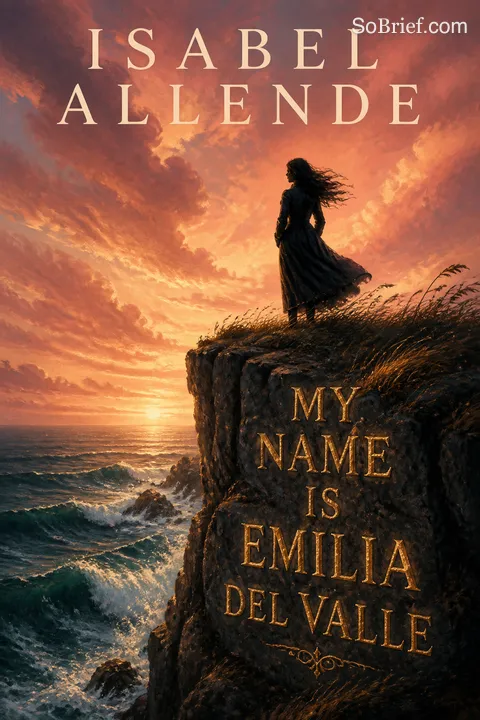
Mi nombre es Emilia del Valle, de Isabel Allende, es una meditación amplia y polifónica sobre la identidad, la memoria y el costo de ser testigo. A través del viaje de Emilia—desde la ilegitimidad y la pobreza hasta la afirmación y la supervivencia—la novela interroga cómo se entrelazan las historias personales y políticas, y cómo las mujeres forjan agencia en mundos diseñados para silenciarlas. La narrativa de Allende es a la vez una carta de amor a la narración y una crítica a las historias que moldean naciones y familias. Las lecciones del libro son múltiples: la necesidad de enfrentar el pasado para reclamar el futuro; el poder de la solidaridad y la familia elegida; los peligros y posibilidades de la reinvención; y la necesidad humana perdurable de pertenencia, incluso en el exilio. En última instancia, la historia de Emilia es un testimonio de la resiliencia de quienes se niegan a ser definidos por el trauma y del poder transformador de escribir el propio nombre en la historia.
También leyeron






Preguntas frecuentes
Synopsis & Basic Details
What is My Name Is Emilia del Valle about?
- A Quest for Identity: My Name Is Emilia del Valle follows Emilia, a young woman born in 19th-century San Francisco, raised by her Irish immigrant mother, Molly Walsh, and her beloved Mexican stepfather, Papo. Despite a loving home, Emilia is haunted by the mystery of her wealthy, absent Chilean biological father and a supposed inheritance.
- Breaking Societal Molds: Driven by an insatiable curiosity and a talent for writing, Emilia defies societal expectations by becoming a successful dime novelist under a male pseudonym, Brandon J. Price, and later a pioneering female journalist for the San Francisco Examiner. Her journey takes her from the bustling streets of New York to the battlefields of the Chilean Civil War.
- Confronting Personal & Political Truths: As a war correspondent, Emilia seeks to uncover the human cost of conflict and, simultaneously, to confront her biological father and the complex legacy of her Chilean roots. The narrative explores themes of identity, love, trauma, and the relentless pursuit of truth in a world shaped by violence and shifting loyalties.
Why should I read My Name Is Emilia del Valle?
- Immersive Historical Fiction: Readers are transported to a vividly rendered 19th-century world, from the vibrant immigrant communities of San Francisco to the brutal realities of the Chilean Civil War, offering a rich tapestry of historical detail and cultural insights. The novel provides a unique lens into the political and social upheavals of the era, including the Chilean Civil War explained and its impact.
- Compelling Female Protagonist: Emilia del Valle is a fiercely independent and psychologically complex character whose journey of self-discovery, professional ambition, and emotional resilience is deeply engaging. Her defiance of gender norms and her pursuit of a life beyond conventional expectations make her a truly inspiring figure for readers interested in strong female characters.
- Allende's Masterful Storytelling: Isabel Allende's signature lyrical prose, rich sensory descriptions, and profound exploration of human relationships elevate this novel beyond a simple historical account. It's a story that delves into the depths of love, loss, and the enduring search for belonging, making it a must-read for fans of literary fiction and those seeking a powerful narrative.
What is the background of My Name Is Emilia del Valle?
- 19th-Century American West & Immigration: The story is set against the backdrop of late 19th-century San Francisco, a city shaped by the Gold Rush and waves of immigration from Ireland, Germany, Italy, and Chile. This polyglot environment, particularly the Mission District, highlights the struggles and resilience of working-class communities and the cultural melting pot of the era.
- The Chilean Civil War of 1891: A central historical event, the novel immerses readers in the conflict between President José Manuel Balmaceda's government and the Congressionalist rebels, fueled by economic interests (nitrate mines) and political power struggles. The detailed portrayal of battles like Concón and Placilla, and the political figures involved, provides a deep dive into this often-overlooked historical period.
- Evolving Gender Roles & Journalism: The narrative explores the restrictive societal norms for women in the late 1800s, particularly in professional fields. Emilia's career as a journalist, using a male pseudonym and challenging the male-dominated press, reflects the nascent struggles for female agency and the changing landscape of media in the era.
What are the most memorable quotes in My Name Is Emilia del Valle?
- "Curiosity kills the mouse": Molly Walsh's frequent warning to Emilia, "curiosity is a liability in a woman: It leads to misfortune," encapsulates the societal constraints placed on female ambition and intellect, contrasting sharply with Papo's encouragement of Emilia's inquisitive nature. This quote highlights a central theme of female defiance.
- "No woman will ever love you. You will not be able to bear other children, and you will be thrown headfirst into hell!": Molly Walsh's prophetic curse on Gonzalo Andrés del Valle, delivered in a moment of raw pain and betrayal, is a powerful expression of her deep-seated resentment and foreshadows his later life of regret and childlessness, revealing the lasting impact of emotional wounds.
- "I will never again be my old self, but maybe in the south I would become a new and stronger version of the woman I had been.": Emilia's profound realization after surviving war and imprisonment, reflecting her transformation and acceptance of her altered self. This quote captures her resilience and the novel's theme of rebirth through trauma, emphasizing the enduring search for identity.
What writing style, narrative choices, and literary techniques does Isabel Allende use?
- First-Person Narrative: The story is primarily told from Emilia's perspective as a memoir, giving readers intimate access to her thoughts, feelings, and evolving understanding of the world. This narrative choice creates a strong sense of immediacy and allows for deep psychological exploration of Emilia's motivations and experiences.
- Rich Sensory Detail & Lyrical Prose: Allende's writing is characterized by vivid descriptions that engage all senses, from the "smell of fried food and garbage" in New York to the "acrid stench of gunpowder" on the battlefield. This immersive style brings the historical settings to life and enhances the emotional impact of Emilia's journey, a hallmark of Isabel Allende's writing style.
- Foreshadowing and Symbolism: The narrative is woven with subtle foreshadowing, such as the red velvet ribbon that "felt like a forewarning" of Emilia's near-execution, and recurring symbols like the "decapitated head of Joaquín Murieta" representing the fate of "bandits" like her father. These literary devices add layers of meaning and thematic depth, enriching the reader's understanding of the story's underlying messages.
Hidden Details & Subtle Connections
What are some minor details that add significant meaning?
- The Red Velvet Ribbon's Ominous Hint: When Emilia wears a red velvet ribbon around her neck, she notes, "I looked like my throat had been slit with a knife. I couldn't repress a shiver; it felt like a forewarning." This seemingly minor detail subtly foreshadows her later near-execution by firing squad, where she faces death directly, highlighting the pervasive threat of violence in her life.
- The "Huacha" Term and Balmaceda's Nickname: Paulina del Valle's frank use of "huacha" (illegitimate child) and the revelation that President Balmaceda himself was nicknamed "El Huacho" (Ch 7) adds a significant layer to Emilia's identity. It normalizes her "illegitimacy" within the Chilean context, showing that even powerful figures shared this status, subtly challenging the societal stigma her mother so feared.
- Fredrick Williams's Butler Past: The whispered rumor that Paulina's elegant husband, Fredrick Williams, was once her butler in San Francisco, and Emilia's deduction that he married her for "the sheer irony of it" (Ch 7), is a subtle subversion of class dynamics. It suggests a hidden rebellion against aristocratic pretense, adding depth to a seemingly minor character and reflecting the novel's critique of social hierarchies.
What are some subtle foreshadowing and callbacks?
- Molly's Prophecy on Gonzalo Andrés: Molly's furious curse, "No woman will ever love you. You will not be able to bear other children, and you will be thrown headfirst into hell!" (Ch 1), subtly foreshadows Gonzalo Andrés's later life of loneliness, childlessness, and profound regret. This callback emphasizes the enduring power of a mother's pain and the cyclical nature of consequences.
- Emilia's "Bad Woman" Declaration: At age six, Emilia's defiant shout, "I wanted to be a bad woman" (Ch 2), subtly foreshadows her adult embrace of unconventional choices, including her free love philosophy and her career in a male-dominated field. This early rebellion sets the stage for her later challenges to societal norms, making her journey to becoming a "bad woman" a deliberate act of agency.
- Eric's Temporary Deafness: After the grenade explosion, Eric experiences temporary deafness, noting, "My God, I am deaf!" (Ch 11). This physical trauma subtly mirrors Emilia's later psychological numbness and detachment from the horrors of war, highlighting the shared, yet individually experienced, sensory and emotional overload of combat. It's a callback to the overwhelming nature of the battlefield.
What are some unexpected character connections?
- Rufina, the Unsung Witness: Rufina, the mestiza servant at the Argentine consulate, connects Emilia to both her dying father and the exiled President Balmaceda. She cares for both men in their final days, becoming a silent confidante and witness to their private torments. Her role highlights the invaluable, yet often invisible, emotional labor and knowledge held by domestic workers, offering a unique perspective on the powerful.
- Owen Whelan's Past with Eric's Love Interest: The revelation that Owen Whelan, Emilia's first lover, married the woman Eric had secretly loved and fathered her child (Ch 11) creates an unexpected and poignant connection between the brothers. This detail adds a layer of past heartbreak and complexity to Eric's character, explaining his initial shyness and making his eventual love for Emilia a deeper, more significant healing.
- Paulina del Valle's Family Secrets: Paulina's confession that her granddaughter Aurora is the illegitimate daughter of her oldest son, and that another nephew married Aurora's mother to legitimize her (Ch 14), reveals a hidden pattern of "huachos" within the aristocratic del Valle clan. This unexpected connection shows that even the elite are not immune to the very "scandals" they condemn, subtly linking Emilia's own origins to a broader family history.
Who are the most significant supporting characters?
- Captain Janus: The enigmatic Dutch-descended captain of the Niña Juanita becomes a crucial guide and philosophical mentor for Emilia on her journey to the south. His wisdom, quiet demeanor, and deep connection to the land and its indigenous people provide Emilia with a different perspective on life, survival, and belonging, embodying a spiritual father figure in her final quest.
- Angelita Ayalef: A Mapuche canteen woman in the Chilean army, Angelita embodies the resilience, strength, and often-unacknowledged contributions of women in wartime. Her practical skills, courage, and eventual sacrifice profoundly impact Emilia, serving as a powerful symbol of female solidarity and the human cost of conflict, particularly for marginalized communities.
- Fredrick Williams: Paulina del Valle's English husband, initially appearing as a mere accessory, proves to be a man of quiet competence, dry wit, and surprising compassion. His ability to navigate Chilean high society while subtly subverting its norms, and his instrumental role in securing Emilia's release from prison, make him a significant, understated ally and a foil to the more overtly dramatic characters.
Psychological, Emotional, & Relational Analysis
What are some unspoken motivations of the characters?
- Molly's Obsession with Inheritance: Molly's relentless pursuit of Emilia's "inheritance" from Gonzalo Andrés is not solely about money, but an unspoken desire for validation and justice for her own abandonment.
Synopsis & Basic Details
What is My Name Is Emilia del Valle about?
- A Quest for Identity: My Name Is Emilia del Valle follows Emilia, a young woman born in 19th-century San Francisco, raised by her Irish immigrant mother, Molly Walsh, and her beloved Mexican stepfather, Papo. Despite a loving home, Emilia is haunted by the mystery of her wealthy, absent Chilean biological father and a supposed inheritance.
- Breaking Societal Molds: Driven by an insatiable curiosity and a talent for writing, Emilia defies societal expectations by becoming a successful dime novelist under a male pseudonym, Brandon J. Price, and later a pioneering female journalist for the San Francisco Examiner. Her journey takes her from the bustling streets of New York to the battlefields of the Chilean Civil War.
- Confronting Personal & Political Truths: As a war correspondent, Emilia seeks to uncover the human cost of conflict and, simultaneously, to confront her biological father and the complex legacy of her Chilean roots. The narrative explores themes of identity, love, trauma, and the relentless pursuit of truth in a world shaped by violence and shifting loyalties.
Why should I read My Name Is Emilia del Valle?
- Immersive Historical Fiction: Readers are transported to a vividly rendered 19th-century world, from the vibrant immigrant communities of San Francisco to the brutal realities of the Chilean Civil War, offering a rich tapestry of historical detail and cultural insights. The novel provides a unique lens into the political and social upheavals of the era, including the Chilean Civil War explained and its impact.
- Compelling Female Protagonist: Emilia del Valle is a fiercely independent and psychologically complex character whose journey of self-discovery, professional ambition, and emotional resilience is deeply engaging. Her defiance of gender norms and her pursuit of a life beyond conventional expectations make her a truly inspiring figure for readers interested in strong female characters.
- Allende's Masterful Storytelling: Isabel Allende's signature lyrical prose, rich sensory descriptions, and profound exploration of human relationships elevate this novel beyond a simple historical account. It's a story that delves into the depths of love, loss, and the enduring search for belonging, making it a must-read for fans of literary fiction and those seeking a powerful narrative.
What is the background of My Name Is Emilia del Valle?
- 19th-Century American West & Immigration: The story is set against the backdrop of late 19th-century San Francisco, a city shaped by the Gold Rush and waves of immigration from Ireland, Germany, Italy, and Chile. This polyglot environment, particularly the Mission District, highlights the struggles and resilience of working-class communities and the cultural melting pot of the era.
- The Chilean Civil War of 1891: A central historical event, the novel immerses readers in the conflict between President José Manuel Balmaceda's government and the Congressionalist rebels, fueled by economic interests (nitrate mines) and political power struggles. The detailed portrayal of battles like Concón and Placilla, and the political figures involved, provides a deep dive into this often-overlooked historical period.
- Evolving Gender Roles & Journalism: The narrative explores the restrictive societal norms for women in the late 1800s, particularly in professional fields. Emilia's career as a journalist, using a male pseudonym and challenging the male-dominated press, reflects the nascent struggles for female agency and the changing landscape of media in the era.
What are the most memorable quotes in My Name Is Emilia del Valle?
- "Curiosity kills the mouse": Molly Walsh's frequent warning to Emilia, "curiosity is a liability in a woman: It leads to misfortune," encapsulates the societal constraints placed on female ambition and intellect, contrasting sharply with Papo's encouragement of Emilia's inquisitive nature. This quote highlights a central theme of female defiance.
- "No woman will ever love you. You will not be able to bear other children, and you will be thrown headfirst into hell!": Molly Walsh's prophetic curse on Gonzalo Andrés del Valle, delivered in a moment of raw pain and betrayal, is a powerful expression of her deep-seated resentment and foreshadows his later life of regret and childlessness, revealing the lasting impact of emotional wounds.
- "I will never again be my old self, but maybe in the south I would become a new and stronger version of the woman I had been.": Emilia's profound realization after surviving war and imprisonment, reflecting her transformation and acceptance of her altered self. This quote captures her resilience and the novel's theme of rebirth through trauma, emphasizing the enduring search for identity.
What writing style, narrative choices, and literary techniques does Isabel Allende use?
- First-Person Narrative: The story is primarily told from Emilia's perspective as a memoir, giving readers intimate access to her thoughts, feelings, and evolving understanding of the world. This narrative choice creates a strong sense of immediacy and allows for deep psychological exploration of Emilia's motivations and experiences.
- Rich Sensory Detail & Lyrical Prose: Allende's writing is characterized by vivid descriptions that engage all senses, from the "smell of fried food and garbage" in New York to the "acrid stench of gunpowder" on the battlefield. This immersive style brings the historical settings to life and enhances the emotional impact of Emilia's journey, a hallmark of Isabel Allende's writing style.
- Foreshadowing and Symbolism: The narrative is woven with subtle foreshadowing, such as the red velvet ribbon that "felt like a forewarning" of Emilia's near-execution, and recurring symbols like the "decapitated head of Joaquín Murieta" representing the fate of "bandits" like her father. These literary devices add layers of meaning and thematic depth, enriching the reader's understanding of the story's underlying messages.
Hidden Details & Subtle Connections
What are some minor details that add significant meaning?
- The Red Velvet Ribbon's Ominous Hint: When Emilia wears a red velvet ribbon around her neck, she notes, "I looked like my throat had been slit with a knife. I couldn't repress a shiver; it felt like a forewarning." This seemingly minor detail subtly foreshadows her later near-execution by firing squad, where she faces death directly, highlighting the pervasive threat of violence in her life.
- The "Huacha" Term and Balmaceda's Nickname: Paulina del Valle's frank use of "huacha" (illegitimate child) and the revelation that President Balmaceda himself was nicknamed "El Huacho" (Ch 7) adds a significant layer to Emilia's identity. It normalizes her "illegitimacy" within the Chilean context, showing that even powerful figures shared this status, subtly challenging the societal stigma her mother so feared.
- Fredrick Williams's Butler Past: The whispered rumor that Paulina's elegant husband, Fredrick Williams, was once her butler in San Francisco, and Emilia's deduction that he married her for "the sheer irony of it" (Ch 7), is a subtle subversion of class dynamics. It suggests a hidden rebellion against aristocratic pretense, adding depth to a seemingly minor character and reflecting the novel's critique of social hierarchies.
What are some subtle foreshadowing and callbacks?
- Molly's Prophecy on Gonzalo Andrés: Molly's furious curse, "No woman will ever love you. You will not be able to bear other children, and you will be thrown headfirst into hell!" (Ch 1), subtly foreshadows Gonzalo Andrés's later life of loneliness, childlessness, and profound regret. This callback emphasizes the enduring power of a mother's pain and the cyclical nature of consequences.
- Emilia's "Bad Woman" Declaration: At age six, Emilia's defiant shout, "I wanted to be a bad woman" (Ch 2), subtly foreshadows her adult embrace of unconventional choices, including her free love philosophy and her career in a male-dominated field. This early rebellion sets the stage for her later challenges to societal norms, making her journey to becoming a "bad woman" a deliberate act of agency.
- Eric's Temporary Deafness: After the grenade explosion, Eric experiences temporary deafness, noting, "My God, I am deaf!" (Ch 11). This physical trauma subtly mirrors Emilia's later psychological numbness and detachment from the horrors of war, highlighting the shared, yet individually experienced, sensory and emotional overload of combat. It's a callback to the overwhelming nature of the battlefield.
What are some unexpected character connections?
- Rufina, the Unsung Witness: Rufina, the mestiza servant at the Argentine consulate, connects Emilia to both her dying father and the exiled President Balmaceda. She cares for both men in their final days, becoming a silent confidante and witness to their private torments. Her role highlights the invaluable, yet often invisible, emotional labor and knowledge held by domestic workers, offering a unique perspective on the powerful.
- Owen Whelan's Past with Eric's Love Interest: The revelation that Owen Whelan, Emilia's first lover, married the woman Eric had secretly loved and fathered her child (Ch 11) creates an unexpected and poignant connection between the brothers. This detail adds a layer of past heartbreak and complexity to Eric's character, explaining his initial shyness and making his eventual love for Emilia a deeper, more significant healing.
- Paulina del Valle's Family Secrets: Paulina's confession that her granddaughter Aurora is the illegitimate daughter of her oldest son, and that another nephew married Aurora's mother to legitimize her (Ch 14), reveals a hidden pattern of "huachos" within the aristocratic del Valle clan. This unexpected connection shows that even the elite are not immune to the very "scandals" they condemn, subtly linking Emilia's own origins to a broader family history.
Who are the most significant supporting characters?
- Captain Janus: The enigmatic Dutch-descended captain of the Niña Juanita becomes a crucial guide and philosophical mentor for Emilia on her journey to the south. His wisdom, quiet demeanor, and deep connection to the land and its indigenous people provide Emilia with a different perspective on life, survival, and belonging, embodying a spiritual father figure in her final quest.
- Angelita Ayalef: A Mapuche canteen woman in the Chilean army, Angelita embodies the resilience, strength, and often-unacknowledged contributions of women in wartime. Her practical skills, courage,