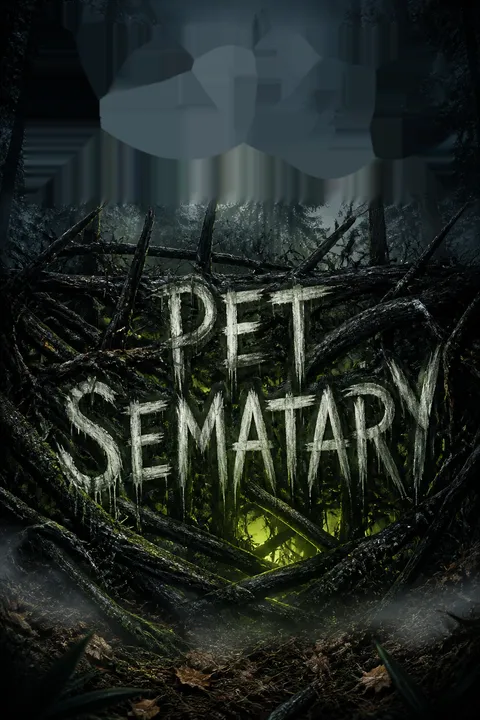
Resumen de la trama
Nuevos comienzos, viejos caminos
La familia Creed se muda a Maine. Louis Creed, su esposa Rachel y sus hijos, Ellie y Gage, se trasladan a un pueblo rural de Maine en busca de un nuevo comienzo. Louis acepta un puesto como médico universitario y se instalan en su nuevo hogar. Su vecino, Jud Crandall, se convierte en amigo y les advierte sobre la carretera transitada que ha cobrado muchas mascotas. Detrás de su casa se encuentra un cementerio de mascotas, mal escrito como "Pet Sematary", donde los niños del lugar han enterrado a sus queridos animales. Los Creed comienzan a adaptarse a su nueva vida, pero la sombra de la carretera y el cementerio se cierne sobre ellos.
Los secretos del Pet Sematary
Jud comparte la historia del cementerio. Jud lleva a Louis y a Ellie al Pet Sematary, explicándoles su importancia para los niños del lugar. El cementerio es un lugar donde enfrentan la muerte por primera vez. Jud insinúa un misterio más profundo más allá de las tumbas de mascotas, un lugar con poder y secretos. Louis siente curiosidad pero también inquietud por la influencia del cementerio en su familia, especialmente en Ellie, quien se obsesiona con la idea de la muerte.
El regreso antinatural de un gato
Church vuelve de entre los muertos. Cuando Church, el gato de Ellie, muere atropellado en la carretera, Jud revela el secreto del terreno de enterramiento micmac más allá del Pet Sematary. Lleva a Louis allí para enterrar a Church, que regresa al día siguiente, cambiado y perturbador. La resurrección del gato es un milagro con un matiz siniestro, y Louis lucha con las implicaciones de lo que han hecho. La presencia de Church se convierte en un recordatorio constante de las fuerzas antinaturales en juego.
La carga de los secretos
Louis lucha con la verdad. Louis está atormentado por el conocimiento del poder del terreno de enterramiento y el secreto que comparte con Jud. Se siente cada vez más perturbado por el comportamiento de Church y la inquietante presencia del gato. La carga de mantener este secreto lejos de su familia pesa mucho sobre él, y cuestiona la moralidad de lo que han hecho. La línea entre la vida y la muerte se difumina, y Louis teme las consecuencias de interferir con la naturaleza.
El implacable dominio de la muerte
La muerte repentina de Norma Crandall. La esposa de Jud, Norma, muere inesperadamente, y los Creed se ven envueltos en el proceso de duelo. Louis reflexiona sobre la inevitabilidad de la muerte y la futilidad de intentar escapar de ella. Los propios temores de Rachel sobre la muerte resurgen, arraigados en su traumática experiencia infantil con la enfermedad y muerte de su hermana Zelda. La familia se ve obligada a enfrentar su propia mortalidad y la fragilidad de la vida.
Las sombras que acechan el pasado
Los recuerdos traumáticos de Rachel resurgen. Rachel comparte la historia de la muerte de su hermana Zelda, revelando las profundas cicatrices que dejó en su psique. Su miedo a la muerte y las sombras del pasado afectan su relación con Louis y sus hijos. La frágil paz familiar se ve amenazada por los secretos que guardan y el trauma no resuelto que persiste. Louis se da cuenta de que el pasado nunca está realmente enterrado y sigue moldeando sus vidas.
La frágil paz de una familia
Los Creed enfrentan un futuro incierto. Con el paso del invierno, los Creed intentan mantener una apariencia de normalidad, pero la presencia del Pet Sematary y los secretos que guarda continúan proyectando una sombra sobre sus vidas. El matrimonio de Louis y Rachel se pone a prueba por el peso de sus miedos no expresados y el conocimiento del poder del terreno de enterramiento. La familia debe navegar el delicado equilibrio entre la vida y la muerte, sabiendo que sus acciones tienen consecuencias irreversibles.
El desmoronamiento de la cordura
La mente de Louis cae en la locura. Tras la trágica muerte de su hijo Gage, Louis Creed se consume en el dolor y la culpa. Se obsesiona con la idea de usar el terreno de enterramiento micmac para devolverle la vida a Gage, a pesar de las advertencias de su vecino Jud Crandall sobre los peligros de alterar el orden natural. El estado mental de Louis se deteriora mientras planea desenterrar el cuerpo de Gage y enterrarlo en el terreno maldito, convencido de que puede revertir la tragedia. Sus acciones están impulsadas por una esperanza desesperada y una negativa a aceptar la finalización de la muerte, llevándolo por un camino oscuro y peligroso.
El desesperado viaje de una madre
Rachel corre contra el tiempo. Rachel Creed, sintiendo que algo anda terriblemente mal, emprende un frenético viaje de regreso a Ludlow desde Chicago. Su hija Ellie ha sido atormentada por pesadillas, y Rachel misma está perseguida por recuerdos de la muerte de su hermana Zelda. A pesar de los intentos de su padre por tranquilizarla, Rachel se mueve por un abrumador sentido de urgencia y miedo por su familia. Su viaje está lleno de obstáculos, pero está decidida a llegar con su esposo y evitar el terrible destino que teme se está desarrollando.
El regreso de los muertos
Gage resucita con malevolencia. Louis logra su sombría tarea de resucitar a Gage, pero el niño que regresa no es el mismo. Gage vuelve con una presencia siniestra, encarnando la fuerza malévola del terreno de enterramiento. El niño antes inocente ahora es un recipiente de algo oscuro y malvado, y su regreso desencadena una cadena de eventos horribles. La resurrección es una grotesca parodia de la vida, y Louis se ve obligado a enfrentar las consecuencias de sus actos mientras el comportamiento de Gage se vuelve cada vez más violento e impredecible.
El enfrentamiento final
Jud enfrenta el horror desatado. Jud Crandall, quien había advertido a Louis sobre los peligros del terreno de enterramiento, se convierte en una de las primeras víctimas del resucitado Gage. El niño, ahora una fuerza malévola, confronta a Jud en su casa, burlándose cruelmente de él y finalmente atacándolo. La muerte de Jud es un recordatorio brutal del poder y peligro del terreno de enterramiento, y marca el inicio de una pesadilla que amenaza con destruir a la familia Creed.
El ciclo del duelo continúa
Las secuelas inquietantes de la pérdida. Tras la tragedia, Louis queda solo, con su familia destruida por las fuerzas que él mismo quiso controlar. La maldición del terreno de enterramiento persiste, recordando los peligros de alterar el orden natural. Las acciones de Louis han desencadenado una cadena de eventos irreversibles, y él debe enfrentar las consecuencias de sus decisiones. La historia termina con una escalofriante sensación de inevitabilidad, mientras el ciclo de duelo y pérdida continúa, dejando un legado inquietante para quienes quedan.
Personajes
Louis Creed
Un padre llevado a la locura. Louis es un médico cuyo dolor por la muerte de su hijo lo lleva a tomar la fatídica decisión de usar el terreno de enterramiento micmac. Su descenso a la locura se caracteriza por la negativa a aceptar la muerte y una desesperada esperanza de revertirla. Las acciones de Louis tienen consecuencias devastadoras, y finalmente debe enfrentar el horror que ha desatado.
Rachel Creed
Una madre atormentada por el pasado. Rachel está profundamente afectada por la muerte de su hermana Zelda y la pérdida de su hijo Gage. Su regreso a Ludlow está impulsado por un sentido de urgencia y miedo por su familia. El regreso de Rachel termina en tragedia, convirtiéndola en víctima de las fuerzas que intentó evitar.
Ellie Creed
Una niña que enfrenta la mortalidad. Ellie es la hija de Louis y Rachel, quien se obsesiona con el concepto de la muerte tras conocer el Pet Sematary. Su apego a su gato Church y su reacción a la muerte y resurrección de este reflejan su inocencia y el impacto de los secretos del cementerio en su comprensión de la vida y la muerte.
Gage Creed
Un niño que regresa con malevolencia. Gage es resucitado por el poder del terreno de enterramiento micmac, pero regresa como una fuerza malévola. El niño antes inocente se convierte en un vehículo de maldad, desencadenando una cadena de eventos horribles que amenazan con destruir a su familia.
Jud Crandall
El guardián de oscuros secretos. Jud es el vecino de los Creed que advierte a Louis sobre los peligros del terreno de enterramiento. A pesar de sus advertencias, se convierte en una de las primeras víctimas del resucitado Gage. La muerte de Jud sirve como recordatorio del poder y peligro del terreno.
Norma Crandall
Una vida truncada. Norma es la esposa de Jud, cuya muerte repentina obliga a los Creed a enfrentar su propia mortalidad. Su fallecimiento actúa como catalizador para la exploración familiar de la muerte y el impacto de los secretos del terreno en sus vidas.
Church (Winston Churchill)
Un gato que vuelve de la muerte. Church es el querido gato de Ellie, atropellado y resucitado por el poder del terreno de enterramiento micmac. Su regreso es inquietante, y su comportamiento cambiado simboliza las fuerzas antinaturales en juego. La presencia de Church es un recordatorio constante de las consecuencias de alterar la vida y la muerte.
Zelda Goldman
Un recuerdo que persiste. Zelda es la hermana de Rachel, quien murió de meningitis espinal durante la infancia de Rachel. Su muerte dejó profundas cicatrices psicológicas en Rachel, moldeando sus miedos y su relación con la muerte. La memoria de Zelda es una presencia inquietante en la vida de Rachel, influyendo en sus acciones y relaciones.
Victor Pascow
Una advertencia fantasmal. Pascow es un estudiante que muere bajo el cuidado de Louis y luego aparece en un sueño con una advertencia críptica sobre el Pet Sematary. Su presencia anticipa los peligros asociados con el terreno de enterramiento y las consecuencias de perturbar el orden natural.
Recursos narrativos
El Pet Sematary
Un lugar de poder y secretos. El Pet Sematary es un cementerio para mascotas, mantenido por los niños del lugar. Sirve como puerta a los misterios más profundos del terreno de enterramiento micmac, donde los muertos pueden resucitar. El cementerio simboliza la línea difusa entre la vida y la muerte y las consecuencias de alterar la naturaleza.
El terreno de enterramiento micmac
Fuente de resurrección antinatural. El terreno de enterramiento micmac es un lugar de poder ancestral donde los muertos pueden volver a la vida. Es un recurso central que impulsa la exploración de la historia sobre la muerte, la moralidad y los límites de la intervención humana. Su poder es tanto una tentación como una maldición, afectando a quienes lo usan de maneras imprevistas.
Secretos y consecuencias
La carga de las verdades ocultas. El tema de los secretos y sus consecuencias está entretejido en toda la narrativa. Los personajes lidian con las implicaciones morales de sus actos y el impacto de guardar secretos a sus seres queridos. La historia explora cómo las verdades ocultas pueden moldear relaciones y alterar el curso de los acontecimientos, conduciendo a resultados inesperados.
Lo sobrenatural y lo natural
Difuminando las fronteras entre mundos. La historia borra las líneas entre lo sobrenatural y lo natural, desafiando las creencias y percepciones de los personajes. La presencia del Pet Sematary y el terreno de enterramiento micmac introduce elementos sobrenaturales en sus vidas, obligándolos a enfrentar lo desconocido y cuestionar su comprensión de la vida y la muerte.
Análisis
Una escalofriante exploración del duelo y sus consecuencias. "Pet Sematary" de Stephen King se adentra en los oscuros y perturbadores temas del duelo, la pérdida y las consecuencias de desafiar el orden natural. La historia funciona como una advertencia sobre los peligros de alterar la vida y la muerte, explorando el impacto psicológico del trauma no resuelto y la carga de los secretos. A través del trágico viaje de la familia Creed, King examina el deseo humano de vencer a la muerte y las devastadoras consecuencias que pueden surgir de tales intentos. La atmósfera inquietante de la novela y su exploración de lo sobrenatural difuminan las fronteras entre la realidad y lo desconocido, dejando al lector con una sensación perturbadora de inevitabilidad y el perpetuo ciclo del duelo.
También leyeron

Preguntas frecuentes
Synopsis & Basic Details
What is Pet Sematary about?
- A family's fresh start meets ancient evil: The Creed family moves to rural Maine, seeking peace, but their new home borders a busy highway and a peculiar pet burial ground, introducing them to the stark reality of death and loss.
- Grief leads to forbidden choices: When tragedy strikes their family pet, their elderly neighbor reveals a hidden, ancient burial ground with the power to resurrect the dead, tempting the family patriarch to defy the natural order.
- Unnatural life brings horrific consequences: The decision to use the burial ground unleashes a malevolent force, transforming love into terror and forcing the family to confront the horrifying cost of tampering with life and death.
- Exploring the finality of death: The narrative delves into the human struggle to accept mortality and the devastating psychological and physical toll of grief, denial, and the pursuit of the impossible.
Why should I read Pet Sematary?
- Masterclass in building dread: Stephen King expertly crafts a pervasive atmosphere of unease and horror, starting with subtle warnings and escalating to visceral terror, making it a benchmark for psychological horror.
- Deep dive into human grief: The novel offers a raw and unflinching look at how grief can unravel sanity and drive individuals to unthinkable acts, providing a powerful emotional core beneath the supernatural elements.
- Provocative philosophical questions: It challenges readers to consider the nature of death, loss, and the boundaries of human intervention, prompting reflection on whether some things are truly "better left dead."
What is the background of Pet Sematary?
- Inspired by personal tragedy: Stephen King's own experiences living near a busy road in Orrington, Maine, where pets were often killed, and a near-fatal incident involving his young son running towards the road, directly fueled the novel's central premise and emotional intensity.
- Rooted in regional folklore: The story draws upon elements of New England and possibly Micmac Indian folklore, particularly the idea of cursed ground or malevolent spirits like the Wendigo, adding layers of ancient dread to the modern setting.
- Exploration of rural isolation: The setting in Ludlow, Maine, highlights the isolation of rural life, where ancient secrets can persist, and the busy highway serves as a modern, impersonal force of death contrasting with the more personal grief of the pet cemetery.
What are the most memorable quotes in Pet Sematary?
- "Sometimes, Louis, dead is better.": Spoken by Jud Crandall, this iconic line encapsulates the novel's central, chilling theme and serves as a stark warning against defying the natural order of death.
- "The soil of a man's heart is stonier, Louis.": Jud uses this metaphor to describe the hardened, often secret, emotional landscape within men, suggesting a capacity for both deep love and terrible, hidden decisions.
- "Lazarus, come forth.": This biblical allusion, referenced by Ellie and later echoing in Louis's mind, highlights the story's core theme of resurrection and its potentially unintended, horrifying consequences.
What writing style, narrative choices, and literary techniques does Stephen King use?
- Intimate third-person perspective: King primarily uses a close third-person point of view, often delving deep into Louis Creed's thoughts and feelings, allowing readers to experience his descent into grief and madness firsthand.
- Heavy use of foreshadowing: The narrative is laced with subtle and overt hints of future tragedy, from Jud's initial warnings about the road to unsettling dreams and visions, creating a pervasive sense of impending doom.
- Sensory and visceral description: King employs vivid, often unsettling, sensory details, particularly related to smells (death, decay, sour earth) and physical sensations (pain, cold, crawling flesh), immersing the reader in the story's disturbing atmosphere.
Hidden Details & Subtle Connections
What are some minor details that add significant meaning?
- The misspelling "Pet Sematary": The childish misspelling on the sign isn't just a quirky detail; it immediately signals that this place is defined by children's understanding of death, which is often incomplete or magical, contrasting sharply with the brutal reality it represents and foreshadowing the unnatural events to come.
- The specific description of the deadfall: The pile of fallen trees is described as looking like "skeletal remains of some long-dead monster" and later as "mean," suggesting it's not just a natural barrier but something ancient and perhaps malevolent guarding the path beyond, hinting at the monstrous nature of what lies beyond.
- The detail of the grave liner vs. sealing vault: Louis's unconscious choice of a grave liner (a simple concrete box) over a sealing vault (a more secure, sealed structure) for Gage's burial is a subtle but crucial detail, indicating his subconscious intent to later access the grave, even before he consciously admits the plan.
What are some subtle foreshadowing and callbacks?
- Jud's early warnings about the road: Jud's seemingly simple caution about the busy Route 15 "using up a lot of animals" and later mentioning the pet cemetery's purpose directly foreshadows the deaths of both Church and Gage on that very road.
- Victor Pascow's cryptic warnings: Pascow's dying words, "It's not the real cemetery" and "The soil of a man's heart is stonier," serve as direct, albeit initially confusing, warnings about the Micmac burial ground and the dangerous temptation it represents to Louis.
- Ellie's dream of the empty coffin: Ellie's nightmare about Gage's coffin being empty but filled with dirt directly foreshadows Louis's actions of exhuming his son and the state of the grave afterward, suggesting a psychic connection or premonition.
What are some unexpected character connections?
- Louis's connection to Jud as a father figure: Louis, who lost his father young, immediately feels a paternal bond with Jud, describing him as "the man who should have been his father," which makes Jud's later role in introducing Louis to the burial ground and the subsequent tragedies feel like a perversion of this bond.
- Rachel's trauma mirroring the burial ground's effects: Rachel's description of her sister Zelda's illness and death, particularly Zelda's transformation into a "hateful, screaming thing" and Rachel's subsequent nightmares and fear of death, eerily parallels the monstrous changes seen in those resurrected by the Micmac ground, suggesting a psychological echo of the supernatural horror.
- The shared experience of grief and the burial ground: Jud, Bill Baterman, and potentially others share the secret knowledge and experience of using the burial ground, creating an unseen community bound by this dark act, influencing each other across generations through shared trauma and the temptation of the place.
Who are the most significant supporting characters?
- Jud Crandall: More than just a neighbor, Jud is the catalyst for the central horror, the keeper of the secret, and a complex figure whose kindness is intertwined with a compulsion to share the burial ground's power, making him both a friend and an unwitting agent of destruction.
- Rachel Creed: While a main character, her role as a supporting figure to Louis's central narrative is crucial; her deep-seated fear of death, rooted in her past trauma with Zelda, serves as a psychological counterpoint to Louis's denial and highlights the devastating impact of the supernatural events on her fragile psyche.
- Victor Pascow: Though brief, Pascow's appearance as a dying student and subsequent ghostly messenger is pivotal; he provides the initial supernatural warning and introduces key phrases ("Pet Sematary," "soil of a man's heart") that resonate throughout the story, acting as a spectral harbinger.
Psychological, Emotional, & Relational Analysis
What are some unspoken motivations of the characters?
- Jud's compulsion to share the secret: While Jud claims he took Louis to the Micmac ground out of gratitude for saving Norma, his note later suggests a deeper, almost involuntary urge to share the secret, hinting that the place itself might exert an influence or that he is driven by a need to alleviate his own burden of knowledge.
- Louis's underlying denial of death: Despite being a doctor, Louis exhibits a profound inability to accept the finality of death, particularly when it touches his family, which is hinted at even before Gage's death by his discomfort with Rachel's death phobia and his rationalizations about Church's return.
- Rachel's buried rage and guilt: Rachel's intense fear of death stems from her childhood trauma with Zelda, but beneath the fear lies deep-seated guilt over wishing her sister dead and possibly rage at her parents for abandoning her to that experience, which surfaces in her hysterical reactions and nightmares.
What psychological complexities do the characters exhibit?
- Louis's rationalization and compartmentalization: As a doctor, Louis is adept at compartmentalizing trauma and rationalizing the inexplicable (e.g., explaining away his sleepwalking), but this coping mechanism ultimately fails him, leading to a complete break from reality as he attempts the ultimate irrational act.
- Rachel's phobic response to death: Rachel's extreme, almost debilitating, fear of death is a direct result of her traumatic exposure to Zelda's suffering and death, manifesting as avoidance, hysteria, and a desperate need to shield her children from the concept, even when it's unavoidable.
- Jud's struggle with responsibility and regret: Jud grapples with the consequences of introducing Louis to the burial ground, oscillating between rationalizing his actions (saving Norma, teaching Ellie about death) and admitting his potential culpability in Gage's death, revealing the heavy psychological burden of his secret knowledge.
What are the major emotional turning points?
- Ellie's confrontation with death at the Pet Sematary: Ellie's visit to the Pet Sematary marks her first significant emotional encounter with mortality, triggering her fear for Church and prompting Louis's initial, uncomfortable conversation about death, setting the stage for later tragedies.
- Church's resurrection and changed nature: Church's return fundamentally alters the family's emotional landscape; his unsettling presence and changed behavior introduce a constant undercurrent of unease and horror, forcing Louis to confront the unnatural consequences of the burial ground's power.
- Gage's death and Louis's descent into grief: Gage's death is the central emotional cataclysm, shattering the family's peace and driving Louis into a state of desperate, all-consuming grief that overrides his rationality and leads him to make the fateful decision to use the Micmac burial ground.
How do relationship dynamics evolve?
- Louis and Rachel's growing emotional distance: The shared secret of Church's resurrection and Louis's later, more terrible secret about Gage create a profound emotional chasm between Louis and Rachel, exacerbated by their differing ways of processing grief and fear, ultimately leading to the destruction of their marriage and family unit.
- Louis and Jud's complex bond: Their initial father-son-like friendship transforms into a relationship burdened by a terrible secret and mutual regret; Jud becomes both Louis's confidant in the supernatural and a figure Louis blames, while Jud grapples with his role in unleashing the horror.
- Ellie's changing perception of death and her father: Ellie's initial fear of death evolves into a more resigned acceptance after Gage's funeral, but her later psychic distress and fear for Louis reveal a deep, intuitive understanding that something is terribly wrong, altering her relationship with her father as she senses his hidden actions.
Interpretation & Debate
Which parts of the story remain ambiguous or open-ended?
- The true nature of the Micmac burial ground's power: While the text describes its ability to resurrect the dead and hints at a malevolent intelligence (the Wendigo, the "power" that "gets hold of you"), the ultimate source and limits of this power remain mysterious, leaving open whether it's an ancient curse, a sentient entity, or something else entirely.
- The extent of the Wendigo's influence: The Wendigo is mentioned as a possible explanation for the ground's evil and the transformation of those buried there, but it's unclear if it's a literal creature, a symbolic representation of the ground's evil, or a psychological manifestation of the characters' madness, leaving its role open to interpretation.
- The degree of Jud's free will: Jud claims the place "gets hold of you" and that he was compelled to show Louis the burial ground, raising the question of whether he was a victim of the ground's influence or if his own desires (gratitude, loneliness, a need to share the secret) were the primary drivers of his actions.
What are some debatable, controversial scenes or moments in Pet Sematary?
- Jud's decision to show Louis the Micmac burial ground: This is highly debatable; while framed as an act of kindness or gratitude, many readers question the morality of introducing someone to such a dangerous power, especially given Jud's knowledge of its potential negative consequences (Timmy Baterman).
- Louis's choice to bury Gage in the Micmac ground: This is the most controversial act; driven by overwhelming grief and denial, Louis's decision to resurrect his son, despite warnings and the unsettling experience with Church, is a horrific act that sparks debate about the limits of love, grief, and sanity.
- The fight between Louis and Irwin Goldman at the funeral home: This scene, while perhaps a release of tension, is jarringly violent and melodramatic, particularly Goldman's fall onto Gage's coffin, and its inclusion can be debated in terms of its impact on the overall tone and narrative.
Pet Sematary Ending Explained: How It Ends & What It Means
- Louis resurrects Rachel: After Gage kills Jud and Rachel, Louis, completely consumed by grief and madness, takes Rachel's body to the Micmac burial ground, believing that burying her there will bring her back to him, despite the horrific outcomes with Church and Gage.
- The final, chilling return: The novel ends with Louis sitting alone in his house, waiting, when the back door opens and a cold, dirt-filled hand touches his shoulder, followed by Rachel's voice, distorted and full of grave dirt, saying "Darling." This confirms her resurrection but implies she has returned as a malevolent, unnatural entity, mirroring Gage's fate.
- Meaning: The ultimate cost of defying death: The ending signifies the complete and utter failure of Louis's attempt to cheat death. It illustrates that the Micmac burial ground doesn't truly restore life but creates monstrous parodies, punishing those who use it by returning their loved ones as corrupted, evil beings, leaving Louis alone with the horror he unleashed, trapped in a cycle of unnatural grief and consequence.
Descargar PDF
Descargar EPUB
.epub digital book format is ideal for reading ebooks on phones, tablets, and e-readers.








































