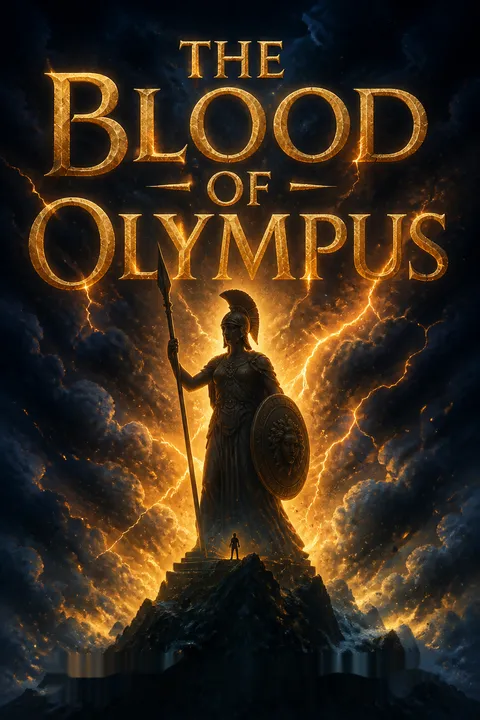
Resumen de la trama
La Aventura del Envejecimiento de Jason
Jason Grace, hijo de Júpiter, se encuentra mágicamente envejecido a setenta y cinco años, luchando por subir una colina junto a Piper y Annabeth. Disfrazadas de doncellas griegas, las chicas lo acompañan para infiltrarse en un palacio. Esta transformación, gracias a la magia de Hazel, busca ayudarles a obtener información sin ser detectados. A pesar de su incomodidad y el temor de no poder luchar, Jason está decidido a cumplir la misión, consciente de que el destino de su búsqueda —y del mundo— depende de ello. Annabeth le asegura que su objetivo es reunir inteligencia y retirarse sin confrontación, subrayando la importancia de la estrategia sobre la fuerza bruta.
El Encuentro Fantasmal de Reyna
Reyna Ramírez-Arellano, pretor de Campamento Júpiter, está atormentada por su pasado mientras viaja con Nico y el entrenador Hedge. En Pompeya, se enfrenta a los fantasmas de la trágica historia de la ciudad, que le recuerdan sus propios recuerdos dolorosos, incluyendo la locura de su padre y las dificultades de su hermana Hylla. A pesar de la tormenta emocional, Reyna mantiene el foco en su misión de transportar la Atenea Partenos a Campamento Mestizo. Sabe que el éxito de su búsqueda es crucial para evitar una guerra entre los semidioses griegos y romanos, demostrando su resiliencia y liderazgo.
El Proyecto Secreto de Leo
Leo Valdez, hijo de Hefesto, trabaja en secreto en un proyecto dentro del Argo II, usando sus habilidades mecánicas para crear algo que podría cambiar el rumbo de su misión. Recordando la promesa hecha a Calipso, la inmortal que dejó atrás, Leo está decidido a regresar con ella. Su proyecto involucra un antiguo astrolabio y un cristal de Ogigia, que espera usar para navegar de regreso a la isla de Calipso. A pesar de los desafíos, Leo se mueve por su amor y deseo de reunirse con ella, mientras sigue apoyando a sus amigos en la lucha contra Gaia.
Las Sombras que Enfrenta Nico
Nico di Angelo, hijo de Hades, sufre el desgaste del viaje por las sombras alrededor del mundo. Perseguido por recuerdos de su pasado y el temor a perder a sus amigos, Nico está decidido a ayudar a Reyna y al entrenador Hedge a entregar la Atenea Partenos a Campamento Mestizo. Enfrenta sus propios demonios, incluyendo el fantasma de su madre, mientras navega los retos del viaje. La resiliencia y determinación de Nico se ponen a prueba al confrontar la oscuridad interna y las amenazas externas, resaltando su fortaleza interior.
La Búsqueda Visionaria de Piper
Piper McLean, hija de Afrodita, experimenta poderosas visiones que orientan a ella y a sus amigos en la misión. Ve destellos del futuro, incluyendo un enfrentamiento con la diosa Nike y los desafíos que enfrentarán en Esparta. Las visiones de Piper revelan la importancia de su papel para unir a los semidioses griegos y romanos. A pesar de sus miedos, Piper está decidida a cumplir su destino y ayudar a sus amigos a triunfar. Su valentía e intuición son cruciales mientras navegan los peligros, destacando su crecimiento como líder.
La Emboscada de las Cazadoras
Reyna y sus compañeros son emboscados por las Cazadoras de Artemisa, quienes persiguen al gigante Orión. Lideradas por Thalia Grace, las Cazadoras tienen una vendetta personal contra Orión, que ataca a semidiosas fuertes. Reyna descubre que Orión la sigue a ella, no a la Atenea Partenos, y comprende la importancia de su papel en la misión. Las Cazadoras planean usar a Reyna como cebo para atrapar a Orión, pero ella está decidida a luchar y proteger a sus amigos. El encuentro pone a prueba la fuerza y determinación de Reyna frente al gigante y sus propios temores.
La Furia de la Tormenta
Jason Grace despierta y encuentra al Argo II atrapado en una violenta tormenta. A pesar de sus heridas, se une a sus amigos en cubierta para ayudar a estabilizar la nave. Percy Jackson usa sus poderes para controlar las olas, mientras Leo y los demás trabajan para mantener el barco a flote. Jason se da cuenta de que la tormenta es causada por una fuerza poderosa bajo el océano. Decidido a ayudar, se sumerge con Percy para enfrentar la fuente de la tormenta. Juntos enfrentan los desafíos de las profundidades y los peligros que amenazan su misión.
El Despertar de Gaia y la Batalla Final
Mientras los semidioses se preparan para el enfrentamiento final, Gaia despierta, amenazando con destruir Campamento Mestizo. Liderados por Jason, Piper y Leo, deben impedir que ella alcance su máximo poder. Enfrentan probabilidades abrumadoras, con las fuerzas de Gaia rodeándolos. La batalla es feroz, y los semidioses usan todas sus habilidades y poderes para resistir. A pesar de sus esfuerzos, el poder de Gaia crece y la situación se vuelve crítica. Comprenden que solo un plan audaz que implique sacrificio puede detenerla, preparando el escenario para un enfrentamiento culminante.
La Intervención de los Dioses y el Sacrificio
Mientras la batalla arde, los dioses descienden del Olimpo para ayudar a los semidioses. Zeus, Hera y otros olímpicos se unen a la lucha, cambiando el rumbo contra las fuerzas de Gaia. Sin embargo, los dioses no pueden derrotar a Gaia solos. Leo revela su plan de usar el Argo II y a Festus para asestar un golpe final a Gaia. Se sacrifica, usando la cura del médico para sobrevivir a la explosión que destruye a Gaia. Sus amigos lamentan su pérdida pero agradecen su valentía, resaltando el tema del sacrificio y el heroísmo.
La Redención y Nuevos Comienzos de Nico
Nico di Angelo, atormentado por su pasado, halla redención a través de sus acciones en la batalla. Ayuda a semidioses y dioses, demostrando su valía y ganándose su respeto. Tras la batalla, decide quedarse en Campamento Mestizo, encontrando un sentido de pertenencia y propósito. Forma nuevas amistades y comienza a sanar sus traumas. Su camino de autoaceptación y crecimiento es testimonio de su resiliencia y fortaleza, mostrando su transformación de un forastero a un miembro valioso de la comunidad.
El Liderazgo y la Amistad de Piper
Piper McLean juega un papel crucial en la batalla, usando su charmspeak para reunir a los semidioses e inspirarlos a luchar. Su liderazgo y coraje ayudan a cambiar el rumbo contra Gaia. Tras la batalla, reflexiona sobre su camino y las amistades formadas. Reconoce la importancia de la unidad y cooperación entre semidioses griegos y romanos. Su crecimiento como líder y amiga es clave en la victoria, enfatizando el poder de la colaboración y el entendimiento.
El Sacrificio y Esperanzador Regreso de Leo
El sacrificio de Leo Valdez es fundamental para derrotar a Gaia. Usa su ingenio y valentía para asestar el golpe final, salvando a sus amigos y al mundo. Aunque se cree que murió, sus amigos mantienen la esperanza de que sobrevivió. En un giro del destino, Leo es revivido por la cura del médico y se encuentra en la isla de Ogigia con Calipso. Juntos emprenden un nuevo viaje, dejando abierta la posibilidad de un regreso esperanzador, subrayando temas de amor, sacrificio y la esperanza perdurable de un futuro mejor.
Personajes
Jason Grace
Jason Grace, hijo de Júpiter, desempeña un papel crucial en la batalla contra Gaia. Su liderazgo y determinación inspiran tanto a semidioses como a dioses. Tras la batalla, se enfoca en fortalecer la alianza entre los campamentos griego y romano, asumiendo el rol de Pontífice Máximo. Su dedicación a la unidad y cooperación es vital para el futuro de ambos campamentos, mostrando su evolución de héroe conflictuado a líder unificador.
Reyna Ramírez-Arellano
Reyna, pretor de Campamento Júpiter, está decidida a entregar la Atenea Partenos a Campamento Mestizo y evitar una guerra entre semidioses griegos y romanos. Su liderazgo y fortaleza son vitales en la batalla contra Gaia. Tras la batalla, sigue trabajando por la unidad y cooperación entre los campamentos, asegurando una paz duradera. Su camino destaca su resiliencia y capacidad para superar desafíos personales y externos.
Leo Valdez
Leo Valdez, hijo de Hefesto, juega un papel decisivo en la derrota de Gaia. Su sacrificio salva a sus amigos y al mundo. Aunque se cree muerto, sus amigos mantienen la esperanza de que sobrevivió. En un giro del destino, es revivido por la cura del médico y se encuentra en la isla de Ogigia con Calipso, iniciando un nuevo viaje. Su historia enfatiza temas de amor, sacrificio y esperanza.
Nico di Angelo
Nico di Angelo, hijo de Hades, halla redención a través de sus acciones en la batalla contra Gaia. Ayuda a semidioses y dioses, demostrando su valía y ganándose su respeto. Tras la batalla, decide quedarse en Campamento Mestizo, encontrando sentido de pertenencia y propósito. Su camino de autoaceptación y crecimiento es testimonio de su resiliencia y fortaleza, mostrando su transformación de forastero a miembro valioso de la comunidad.
Piper McLean
Piper McLean, hija de Afrodita, usa su charmspeak para reunir a los semidioses e inspirarlos a luchar contra Gaia. Su liderazgo y coraje son fundamentales en la batalla. Tras la batalla, reflexiona sobre su camino y la importancia de la unidad y cooperación entre semidioses griegos y romanos. Su crecimiento como líder y amiga es clave en la victoria, enfatizando el poder de la colaboración y el entendimiento.
Thalia Grace
Thalia Grace, teniente de las Cazadoras de Artemisa, tiene una vendetta personal contra el gigante Orión, que ha atacado a semidiosas fuertes. Su liderazgo y determinación son cruciales para el éxito de la misión. La relación de Thalia con su hermano Jason le brinda fuerza y apoyo, pero también debe enfrentar la verdad sobre sus propios miedos e inseguridades, destacando su crecimiento y resiliencia.
Annabeth Chase
Annabeth Chase, hija de Atenea, usa su inteligencia y pensamiento estratégico para ayudar a derrotar a Gaia. Su relación con Percy le brinda fuerza y apoyo. Tras la batalla, mira hacia un futuro con Percy, libre de las cargas de la profecía y la guerra. Su camino enfatiza su crecimiento como estratega y su capacidad para superar desafíos personales.
Percy Jackson
Percy Jackson, hijo de Poseidón, lucha valientemente en la batalla contra Gaia. Su relación con Annabeth le brinda fuerza y apoyo. Tras la batalla, espera un futuro con Annabeth, libre de las cargas de la profecía y la guerra. Su camino destaca su crecimiento como héroe y su deseo de un futuro pacífico.
Frank Zhang
Frank Zhang, hijo de Marte, demuestra su coraje y liderazgo en la batalla contra Gaia. Su relación con Hazel le brinda fuerza y apoyo. Tras la batalla, continúa sirviendo como líder en Campamento Júpiter, trabajando por la unidad y cooperación entre los campamentos. Su camino enfatiza su crecimiento como líder y su compromiso con la paz.
Hazel Levesque
Hazel Levesque, hija de Plutón, juega un papel crucial en la batalla contra Gaia. Su relación con Frank le brinda fuerza y apoyo. Tras la batalla, sigue sirviendo como líder en Campamento Júpiter, trabajando por la unidad y cooperación entre los campamentos. Su camino destaca su resiliencia y capacidad para superar desafíos personales y externos.
Recursos Narrativos
Viaje por las Sombras
El viaje por las sombras es un método que usa Nico di Angelo para desplazarse rápidamente a grandes distancias. Consiste en viajar a través de las sombras, pero resulta física y mentalmente agotador, especialmente al transportar objetos grandes como la Atenea Partenos. El uso de este recurso por parte de Nico es crucial para el éxito de la misión, pero le cobra un alto precio, tanto físico como emocional, resaltando el tema del sacrificio.
Visiones
Piper McLean experimenta poderosas visiones que guían a ella y a sus amigos en la misión. Estas visiones ofrecen información crucial sobre los desafíos que enfrentarán y las decisiones que deben tomar. La habilidad de Piper para interpretar y actuar según estas visiones es esencial para el éxito. Su valentía e intuición se ponen a prueba mientras navega los peligros, enfatizando el poder de la previsión y la intuición.
La Atenea Partenos
La Atenea Partenos es una estatua enorme que Reyna, Nico y el entrenador Hedge deben transportar a Campamento Mestizo. Es un símbolo poderoso de unidad entre semidioses griegos y romanos, y su entrega exitosa es crucial para evitar una guerra entre ambos campamentos. La presencia de la estatua es tanto una bendición como una carga, pues atrae monstruos y enemigos que buscan destruirla, resaltando el tema de la unidad.
La Cura del Médico
La cura del médico es una poción que juega un papel crucial en la batalla contra Gaia. Leo la usa para sobrevivir a su sacrificio, salvando finalmente a sus amigos y al mundo. El giro inesperado de la cura ofrece esperanza para la supervivencia y posible regreso de Leo, enfatizando temas de sacrificio y esperanza.
Charmspeak
El charmspeak es un recurso que usa Piper para reunir a los semidioses e inspirarlos a luchar contra Gaia. Su habilidad para unir y motivar es fundamental en la batalla y clave para la victoria. El crecimiento de Piper como líder y amiga es testimonio del poder del charmspeak, resaltando el tema de la unidad y la colaboración.
Análisis
"La Sangre del Olimpo" de Rick Riordan explora temas de unidad, sacrificio y redención a través de las entrelazadas historias de sus personajes. La misión de los semidioses para impedir el ascenso de Gaia y la guerra inminente entre los campamentos griego y romano subraya la importancia de la colaboración y el entendimiento. Personajes como Jason, Piper y Leo demuestran el poder del liderazgo y el sacrificio, mientras que el camino de Nico destaca el tema de la redención y la autoaceptación. La novela enfatiza la fuerza que se encuentra en la unidad y la esperanza de un futuro pacífico, conectando con los lectores mediante una narrativa envolvente y personajes con los que se identifican.
Resumen de reseñas
La sangre del Olimpo recibió opiniones encontradas por parte de los fans. Muchos disfrutaron la conclusión de la serie Los héroes del Olimpo y elogiaron el desarrollo de los personajes, el humor y la acción. Sin embargo, algunos se sintieron decepcionados por la ausencia de la perspectiva de Percy y consideraron que el final fue apresurado. Los lectores valoraron el protagonismo que se les dio a los personajes de Nico y Reyna, así como la resolución de las distintas tramas. Si bien hubo quienes criticaron la derrota demasiado sencilla de Gea y la falta de muertes significativas entre los personajes principales, otros encontraron en el libro un cierre satisfactorio para la querida serie.
También leyeron







Preguntas frecuentes
Synopsis & Basic Details
What is The Blood of Olympus about?
- Final Prophecy Fulfillment: The Blood of Olympus chronicles the climactic journey of the seven demigods of the Prophecy, along with Reyna, Nico, and Coach Hedge, as they race against time to prevent Gaia's awakening and a devastating war between Camp Half-Blood and Camp Jupiter. Their quest involves transporting the Athena Parthenos to Long Island to unite the Greek and Roman demigods, while simultaneously confronting Gaia's giants and other monstrous forces in Greece.
- Race Against Time: The narrative is a high-stakes race, with the demigods facing a strict deadline of August 1st (the Feast of Spes) for Gaia's full awakening and Octavian's planned attack on Camp Half-Blood. This urgency drives their perilous journey across ancient lands, forcing difficult choices and pushing their limits.
- Uniting Divided Worlds: At its core, the story is about bridging the ancient schism between Greek and Roman demigods, a division that mirrors the gods' own fractured identities. The success of their mission hinges on cooperation, understanding, and ultimately, sacrifice, to prevent the world's destruction.
Why should I read The Blood of Olympus?
- Emotional Character Arcs: Readers should delve into The Blood of Olympus for its profound exploration of character psychology and emotional growth, particularly for characters like Nico di Angelo, Reyna Ramírez-Arellano, and Jason Grace, who confront their deepest fears and past traumas. The book offers satisfying conclusions to long-running personal struggles.
- High-Stakes Climax: The novel delivers a thrilling and action-packed finale to the Heroes of Olympus series, with epic battles against primordial gods and giants. The stakes are incredibly high, promising a gripping read that keeps you on the edge of your seat until the very end.
- Themes of Identity & Belonging: Beyond the mythological adventure, the book deeply explores themes of identity, belonging, and the meaning of family. It challenges traditional notions of loyalty and destiny, offering a powerful message about choosing one's own path and finding acceptance.
What is the background of The Blood of Olympus?
- Prophecy of Seven's Culmination: The story is the culmination of the Great Prophecy introduced in The Last Olympian and expanded upon throughout the Heroes of Olympus series: "Seven half-bloods shall answer the call, / To storm or fire the world must fall. / An oath to keep with a final breath, / And foes bear arms to the Doors of Death." This prophecy dictates the core conflict and the ultimate sacrifice required.
- Gods' Schism and Weakness: A critical background element is the gods' split personalities (Greek vs. Roman aspects) and their resulting incapacitation, which prevents them from directly intervening against Gaia. This forces the demigods to take on the primary responsibility for saving the world, highlighting their growing power and importance.
- Ancient Lands' Peril: The "ancient lands" (Greece and Italy) are inherently dangerous for modern demigods due to the concentration of monsters and awakened primordial forces. This geographical context explains the constant peril and the need for stealth and strategic navigation, as seen in locations like Ithaca, Pompeii, and Sparta.
What are the most memorable quotes in The Blood of Olympus?
- "I'm no child of yours.": Jason Grace's defiant declaration to his mother's spirit in Ithaca (Chapter III) is a pivotal moment of self-acceptance and choosing his own identity. This quote encapsulates his journey from a confused demigod torn between two camps and a traumatic past, to a hero who defines his own family and loyalties, connecting to themes of self-determination and breaking free from inherited burdens.
- "You're the most courageous demigod I've ever met, Reyna.": Nico di Angelo's heartfelt compliment to Reyna Ramírez-Arellano (Chapter XXXVIII) signifies a profound moment of mutual respect and vulnerability between two characters who often keep others at arm's length. This quote highlights the deep bond forged through shared hardship and trust, emphasizing the power of unexpected friendships in the face of overwhelming odds.
- "That's how I fly, Sunshine. Can I get your bags?": Leo Valdez's characteristic blend of humor and unwavering determination to Calypso (Chapter LVIII) perfectly encapsulates his spirit and the hopeful, yet uncertain, ending to his arc. This quote symbolizes his commitment to his promise and his embrace of the unknown, reinforcing themes of love, ingenuity, and the enduring power of hope even after sacrifice.
What writing style, narrative choices, and literary techniques does Rick Riordan use?
- Alternating First-Person Perspectives: Riordan employs a rotating first-person point of view, primarily focusing on Jason, Reyna, Leo, Nico, and Piper. This narrative choice allows readers deep insight into each character's internal struggles, fears, and motivations, enriching the psychological complexity and emotional resonance of the story, especially as they confront personal demons.
- Humor and Pop Culture Allusions: Despite the high stakes, Riordan maintains his signature lighthearted tone through witty dialogue, sarcastic internal monologues, and frequent pop culture references (e.g., "Hunger Games," "Darth Vader lines," "Aquaman"). This balances the intense action and emotional depth, making the narrative accessible and engaging for a wide audience while subtly highlighting the modern context of ancient myths.
- Mythological Integration and Subversion: Riordan masterfully weaves classical Greek and Roman mythology into a contemporary setting, often subverting traditional myths to fit his narrative. For instance, the gods' split personalities or the reinterpretation of figures like Orion and Kekrops add fresh layers to familiar tales, demonstrating how ancient stories can still resonate and evolve in a modern world.
Hidden Details & Subtle Connections
What are some minor details that add significant meaning?
- Jason's Imperial Gold Glasses: Asclepius gifting Jason Imperial gold glasses (Chapter XXXVI) is more than a simple healing; it symbolizes Jason's newfound clarity and acceptance of his Roman identity. The material, deadly to demigods, becomes a tool for sight and understanding, reflecting his journey to reconcile his dual heritage and see his path forward.
- Coach Hedge's Paper Airplanes: Coach Hedge's habit of sending paper airplane messages to Mellie (Chapter VI, XV, XXIX) is a subtle motif of enduring connection and hope amidst chaos. It highlights his deep love for his family and his unwavering belief in their future, even when separated by vast distances and imminent danger, contrasting with the demigods' often more complex emotional struggles.
- The Athena Parthenos's Silent Power: The Athena Parthenos's seemingly passive role throughout much of the journey, only radiating hostility or peace, subtly emphasizes its symbolic power over active intervention. Its final "activation" on Half-Blood Hill (Chapter XLVIII) signifies that its true strength lies in uniting the camps, rather than direct combat, reinforcing the theme that unity is the ultimate weapon.
What are some subtle foreshadowing and callbacks?
- Nike's Prophecy of Sacrifice: Nike's chilling pronouncement that "One of you here – one of you four – is fated to die battling Gaia!" (Chapter XII) subtly foreshadows Leo's ultimate sacrifice. This specific detail, combined with the "storm or fire" prophecy, narrows down the potential victim, creating a sense of impending doom for the reader and highlighting the inevitability of certain destinies.
- Jason's Mother's Mania and Varus's Warning: The appearance of Jason's mother as a "mania" (Chapter III) and Michael Varus's taunt, "Born a Roman, die a Roman" (Chapter II), subtly foreshadow Jason's near-death experience and his internal struggle with his identity. His healing from the Imperial gold wound (Chapter XXVIII) becomes a powerful callback to his rejection of his mother's madness and Varus's curse, signifying his triumph over his past.
- Kekrops's "Song of the Snakes": Piper's ability to control Kekrops by singing "Summertime" (Chapter XLI) is a callback to her grandfather's Cherokee stories about a warrior who learned the "song of the snakes." This seemingly minor detail elevates Piper's charmspeak beyond mere persuasion, hinting at a deeper, almost mystical connection to ancient magic and her heritage, and foreshadowing her crucial role in charming Gaia.
What are some unexpected character connections?
- Reyna and Nico's Shared Vulnerability: The unexpected bond between Reyna and Nico, particularly their mutual confessions about their traumatic pasts (Reyna's patricide, Nico's self-isolation and crush on Percy) in Chapter XXIX, creates a powerful and unique connection. This shared vulnerability allows them to trust and support each other in ways they rarely do with others, highlighting the theme of finding solace in shared pain.
- Jason and Percy's Evolving Brotherhood: Despite their initial rivalry and the Greek/Roman divide, Jason and Percy's relationship evolves into a genuine brotherhood, especially evident in their underwater fight against Polybotes (Chapter XXVII). Percy's apology to Leo about Calypso (Chapter XI) and Jason's subsequent understanding solidify their bond, demonstrating how personal connections can transcend larger conflicts and foster mutual respect.
- Coach Hedge's Unexpected Emotional Depth: Coach Hedge's deep concern for Mellie and their unborn child, revealed through his paper airplane letters and emotional reactions (Chapter VI, XXXII), adds an unexpected layer of emotional depth to his character. This contrasts with his usual gruff, combat-ready persona, highlighting the universal themes of family and protection even for a satyr.
Who are the most significant supporting characters?
- Coach Hedge: Beyond comic relief, Coach Hedge serves as a crucial emotional anchor and practical support for Reyna and Nico. His unwavering loyalty, surprising medical knowledge (Chapter XXXI), and deep love for his family provide much-needed stability and humanity to their perilous journey, emphasizing the importance of steadfast companionship.
- Kymopoleia, Goddess of Storms: Kymopoleia's role (Chapter XXV-XXVII) is significant as she represents the overlooked and resentful minor gods. Her decision to aid Jason and Percy, swayed by Jason's promise of recognition and a Kymopoleia action figure, highlights the gods' vanity and the demigods' growing influence in the divine world, subtly critiquing the Olympians' past neglect.
- Asclepius, the Healing God: Asclepius (Chapter XXXVI) is pivotal as the source of the physician's cure, but his character also serves as a commentary on the gods' limitations and Zeus's control. His "incarceration" and reluctance to defy Zeus underscore the political complexities of Olympus, while his eventual aid demonstrates the demigods' ability to persuade even reluctant divine figures.
Psychological, Emotional, & Relational Analysis
What are some unspoken motivations of the characters?
- Nico's Quest for Acceptance: Nico's relentless drive to transport the Athena Parthenos and his willingness to push himself to the brink of fading (Chapter XXIX, XXXI) are deeply motivated by an unspoken desire for acceptance and belonging. Having felt like an outsider in both camps, he seeks to prove his worth and earn a place, even if it means self-destruction, reflecting his deep-seated loneliness and trauma.
- Reyna's Pursuit of Redemption: Reyna's unwavering commitment to uniting the camps and her confession of patricide (Chapter XXIX) reveal an unspoken motivation to atone for her past and prove her loyalty to Rome, despite her personal cost. Her journey is driven by a need for self-forgiveness and to establish a legacy of peace, rather than conflict, for her family.
- Jason's Need for Self-Definition: Jason's internal struggle with his identity, particularly after confronting his mother's mania (Chapter III) and Michael Varus's taunts, stems from an unspoken need to define himself beyond the expectations of gods or camps. His decision to become a "pontifex" (Chapter XXVIII) and bridge the camps is a personal quest for purpose and a chosen family, rather than a predetermined destiny.
What psychological complexities do the characters exhibit?
- Annabeth's Post-Tartarus Trauma: Annabeth exhibits significant psychological complexity through her lingering trauma from Tartarus, manifesting as heightened anxiety, flashbacks, and a struggle to process Percy's darker actions (Chapter XVII, XXI). Her moments of vulnerability, despite her usual strategic brilliance, highlight the profound psychological toll of their experiences and the long-term impact of extreme stress.
- Jason's Identity Diffusion: Jason's "aging adventure" (Chapter I) and his confrontation with his mother's spirit (Chapter III) symbolize his ongoing identity diffusion, a psychological state where he struggles to integrate his Roman past with his Greek present. His healing from the Imperial gold wound (Chapter XXVIII) represents a crucial step in resolving this internal conflict and forging a cohesive self.
- Nico's Self-Imposed Isolation: Nico's psychological complexity is rooted in his self-imposed isolation, a coping mechanism for his grief, trauma, and fear of rejection. His reluctance to accept help and his tendency to push others away (Chapter XV, XLV) reveal a deep-seated belief that he is inherently "unwanted," making his eventual acceptance of friendship (Chapter LIV) a significant breakthrough.
What are the major emotional turning points?
- Jason's Rejection of His Mother's Mania: Jason's emotional turning point occurs when he confronts his mother's spirit in Ithaca (Chapter III) and declares, "I'm no child of yours." This act of rejecting her madness and choosing his chosen family (the demigods) is a powerful moment of self-liberation, allowing him to heal from his deepest abandonment wound and fight with renewed purpose.
- Reyna's Confession of Patricide: Reyna's raw confession to Nico about killing her father's mania (Chapter XXIX) is a major emotional turning point, revealing her deepest secret and vulnerability. This act of sharing her burden, and Nico's subsequent acceptance, allows her to begin healing from years of guilt and isolation, fostering a profound trust between them.
- Leo's Final Sacrifice and Message: Leo's decision to sacrifice himself to defeat Gaia (Chapter XXXVI, LII), and his final "I love you guys" to Jason and Piper, marks a poignant emotional turning point. It underscores his deep loyalty and selflessness, transforming his "seventh wheel" complex into an act of ultimate belonging and heroism, leaving his friends with a mix of grief and profound admiration.
How do relationship dynamics evolve?
- Percy and Annabeth's Post-Tartarus Reconnection: Their relationship evolves from a shared trauma bond in Tartarus to a deeper, more vulnerable connection. Annabeth's moments of fear and Percy's struggle with his darker powers (Chapter XVII, XXVIII) force them to rely on each other for emotional support, solidifying their bond beyond just being a powerful duo.
- Jason and Piper's Maturing Love: Their relationship deepens significantly as they face personal demons and shared dangers. Piper's unwavering support for Jason during his identity crisis (Chapter XVIII) and Jason's newfound clarity about their future (Chapter LVII) show a transition from a budding romance to a mature, committed partnership built on mutual trust and acceptance.
- The Greek and Roman Demigods' Alliance: The overarching relationship dynamic between the two camps evolves from suspicion and rivalry to genuine cooperation and friendship. The shared battles, particularly the final confrontation with Gaia, force them to unite, culminating in the decision to integrate the camps and foster a new era of peace and understanding (Chapter LIV).
Interpretation & Debate
Which parts of the story remain ambiguous or open-ended?
- Leo's Future and Calypso's Immortality: While Leo and Calypso fly off together at the end (Chapter LVIII), their ultimate destination and the permanence of Calypso's mortality remain ambiguous. The narrative leaves open whether they will truly find a "normal" life or if their journey will lead to new, unforeseen challenges, inviting readers to imagine their future.
- The Long-Term Stability of Greek-Roman Peace: Despite the Athena Parthenos's unifying power and the demigods' efforts, the long-term stability of the Greek-Roman alliance is left somewhat open-ended. The inherent differences and past rivalries between the camps suggest that maintaining peace will require ongoing effort, leaving room for future stories or reader speculation about potential conflicts.
- The Gods' True Healing and Future Role: While the gods are "healed" from their schism, the extent of their transformation and their future involvement in demigod affairs remain somewhat ambiguous. Zeus's continued authoritarianism and Apollo's punishment (Chapter L) suggest that divine politics are still complex, leaving questions about how much the gods truly learned from the war and how they will interact with their children moving forward.
What are some debatable, controversial scenes or moments in The Blood of Olympus?
- Octavian's Death and Nico's Role: Octavian's demise, propelled into the sky by his own onager (Chapter LIII), is a highly debatable moment. While some readers might see it as a just end for a villain, others might view Nico's passive allowance of it as morally ambiguous, especially after his earlier internal conflict about killing demigods. This scene sparks debate about justice, fate, and the boundaries of heroism.
- Leo's Sacrifice and the Physician's Cure Deception: The deception surrounding the physician's cure, where Leo, Frank, and Hazel conspire to ensure Leo is the sole recipient (Chapter XXXVI, LIV), is controversial. While it facilitates Leo's heroic sacrifice and survival, it raises questions about the ethics of withholding information from friends and the nature of "necessary" lies in a war context.
- The Gods' Limited Intervention: The gods' inability or refusal to directly defeat Gaia, instead relying on the demigods (Chapter L), is a point of contention. Readers might debate whether this is a genuine limitation imposed by prophecy or a convenient plot device to elevate the demigods' heroism, questioning the gods' responsibility and power.
The Blood of Olympus Ending Explained: How It Ends & What It Means
- Gaia's Defeat and Leo's Survival: The novel culminates in Gaia's defeat, achieved by Jason, Piper, and Leo. Piper's charmspeak lulls Gaia to sleep, Jason's storm powers keep her airborne, and Leo, using the remade Festus and Octavian's explosive projectile (containing the physician's cure), atomizes the Earth Mother (Chapter LII). Crucially, Leo survives this explosion due to the physician's cure, which he secretly kept for himself, and is reunited with Calypso on Ogygia (Chapter LVIII). This ending signifies that even the greatest sacrifices can lead to unexpected new beginnings.
- Unity of Greek and Roman Camps: The Athena Parthenos is successfully delivered to Camp Half-Blood, and its aura unites the Greek and Roman demigods, healing the schism between their divine parents (Chapter XLVIII). This leads to a new era of cooperation, with free exchange programs and shared leadership, symbolized by Jason becoming Pontifex Maximus and Reyna and Frank leading Camp Jupiter. The ending emphasizes that true strength lies in unity and understanding, overcoming centuries of division.
- Character Resolutions and New Paths: Many characters find resolution and embark on new paths. Nico chooses to stay at Camp Half-Blood, accepting his place and finding friendship (Chapter LIV, LVI). Percy and Annabeth plan for a future together, free from prophecies (Chapter LVI). Jason dedicates himself to bridging the camps and honoring all gods (Chapter LVI). This collective resolution highlights themes of self-acceptance, finding belonging, and the hope for a peaceful future after immense struggle, suggesting that heroism is not just about fighting battles, but building a better world.
Crónicas del Campamento Mestizo Serie

Sobre el autor
Descargar PDF
Descargar EPUB
.epub digital book format is ideal for reading ebooks on phones, tablets, and e-readers.








































