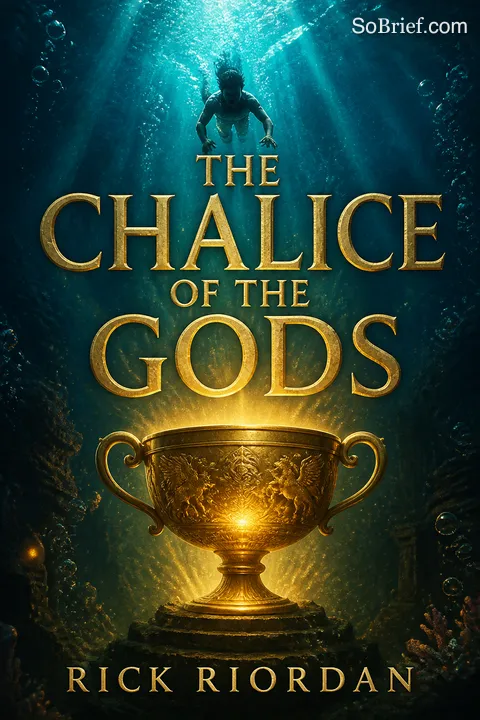
Resumen de la trama
La misión no deseada de Percy
Percy Jackson, con la esperanza de vivir un último año de instituto normal, se ve sumergido en el caos cuando los dioses le exigen completar tres misiones para obtener cartas de recomendación para la universidad. Su primera tarea: recuperar la copa perdida de Zeus. A pesar de su reticencia, Percy se adentra en el mundo de la política divina y los antiguos rencores, comprendiendo que su camino hacia una vida normal está lleno de desafíos que solo un semidiós puede enfrentar.
La copa desaparecida de Ganimedes
Percy descubre que Ganimedes, el copero de los dioses, ha perdido la copa divina, un artefacto poderoso que otorga la inmortalidad. Desesperado por evitar la ira de Zeus, Ganimedes pide ayuda a Percy. La misión lleva a Percy a lugares conocidos y desconocidos, poniendo a prueba su lealtad y valentía mientras navega por las complejidades de las expectativas divinas y la carga de la inmortalidad.
La trampa juvenil de Hebe
Percy, Annabeth y Grover visitan el arcade de Hebe, donde son transformados en niños. Para romper el hechizo, deben superar la trampa nostálgica de Hebe y enfrentarse a sus sagrados pollos. La experiencia obliga a Percy a confrontar sus miedos sobre crecer y las responsabilidades que ello conlleva, aprendiendo que incluso los dioses tienen sus propias inseguridades y rencores.
La tarea sin crueldad de Iris
Iris, la antigua copera, encarga a Percy limpiar su antiguo bastón en el río Elisson, un lugar peligroso habitado por serpientes cornudas. La misión desafía la ingeniosidad y compasión de Percy, pues debe cumplirla sin dañar a ninguna criatura. Esta prueba de carácter resalta el crecimiento de Percy y su capacidad para encontrar soluciones no violentas a problemas aparentemente imposibles.
Gary, el ladrón de copas
En Washington Square Park, Percy se encuentra con Geras, el dios de la vejez, quien ha robado la copa para impedir que los mortales escapen a su destino. Percy debe luchar contra Geras, no con fuerza, sino con comprensión y aceptación del envejecimiento. Este encuentro le enseña el valor de la progresión natural de la vida y la importancia de abrazar el propio destino.
Intriga en el brunch olímpico
Con la copa recuperada, Percy debe devolverla a Ganimedes durante un brunch de alto riesgo en el Monte Olimpo. Disfrazado y sorteando los caprichos de los dioses, Percy aprende las intrigas de la política divina y la importancia de cumplir las promesas. Su éxito depende de su rapidez mental y del apoyo de sus amigos, destacando el poder de la lealtad y la amistad.
La verdadera prueba de un héroe
Tras completar su misión, Percy recibe una carta de recomendación de Ganimedes. El viaje ha puesto a prueba su determinación, carácter y comprensión de lo que significa ser un héroe. Mientras se prepara para futuros desafíos, Percy reflexiona sobre las lecciones aprendidas y la importancia de mantenerse fiel a uno mismo, incluso frente a las expectativas de los dioses.
Personajes
Percy Jackson
Percy es un semidiós que lucha por equilibrar su deseo de una vida normal con las demandas divinas. Su viaje revela su crecimiento, pasando de un héroe reticente a alguien que abraza sus responsabilidades, mostrando valentía, lealtad y una profunda comprensión de la condición humana.
Annabeth Chase
Annabeth, hija de Atenea, es la novia y par intelectual de Percy. Su mente estratégica y apoyo inquebrantable son cruciales para el éxito de Percy. Representa la sabiduría y el poder del amor, ayudando a Percy a navegar las complejidades de sus misiones y su crecimiento personal.
Grover Underwood
Grover es el mejor amigo de Percy y un sátiro con una profunda conexión con la naturaleza. Su lealtad y humor equilibran la dinámica del grupo. El viaje de Grover resalta temas de amistad y la importancia de mantenerse fiel a las propias raíces.
Ganimedes
Ganimedes es un joven dios cargado con la responsabilidad de servir a los olímpicos. Su miedo al fracaso y deseo de aceptación reflejan las propias luchas de Percy, convirtiéndolo en una figura simpática dentro de la narrativa.
Hebe
Hebe dirige un centro de diversiones que atrapa a Percy y sus amigos en la infancia. Sus acciones reflejan sus inseguridades y deseo de respeto, ofreciendo una visión de las complejidades de las relaciones divinas.
Iris
Iris, antigua copera, encarga a Percy limpiar su bastón. Su misión desafía la ingeniosidad y compasión de Percy, destacando la importancia de soluciones no violentas y el valor del conocimiento.
Geras (Gary)
Geras reta a Percy a un combate de lucha, representando la inevitabilidad del envejecimiento. Su personaje enseña a Percy el valor de aceptar la progresión natural de la vida y la importancia de comprender el propio destino.
Recursos narrativos
Misiones divinas
Las misiones funcionan como estructura narrativa, impulsando el viaje y desarrollo del personaje de Percy. Cada misión lo desafía de maneras únicas, poniendo a prueba su valentía, lealtad y comprensión del mundo divino.
Inmortalidad y envejecimiento
La copa de los dioses y el papel de Geras resaltan la tensión entre la inmortalidad y la progresión natural de la vida. Estos temas exploran el valor del envejecimiento y la importancia de aceptar el destino propio.
Amistad y lealtad
El apoyo de Annabeth y Grover subraya la importancia de la amistad y la lealtad. Su apoyo incondicional ayuda a Percy a superar los desafíos, enfatizando el poder del amor y la camaradería.
Análisis
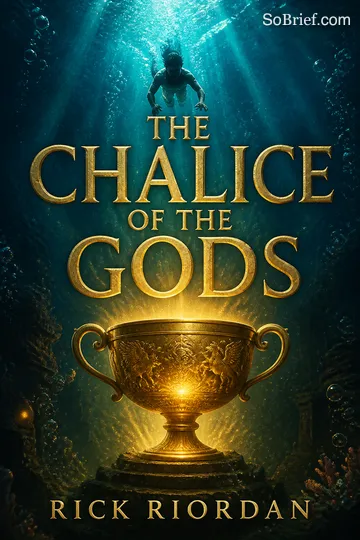
"La copa de los dioses" explora las complejidades del heroísmo en un contexto contemporáneo. A través del viaje de Percy, la narrativa examina temas de responsabilidad, lealtad y la aceptación de la progresión natural de la vida. La historia desafía las nociones tradicionales de inmortalidad, resaltando el valor del envejecimiento y la importancia de abrazar el propio destino. El crecimiento de Percy, de un héroe renuente a alguien que comprende el significado profundo de sus acciones, ofrece una perspectiva fresca sobre el viaje del héroe, haciéndolo cercano para los lectores actuales. El libro enfatiza el poder de la amistad y el amor, mostrando que el verdadero heroísmo reside en ser fiel a uno mismo y apoyar a quienes amamos.
También leyeron







Preguntas frecuentes
Synopsis & Basic Details
What is The Chalice of the Gods about?
- College Quest Begins: Percy Jackson needs three recommendation letters from gods to get into New Rome University, leading to a series of quests.
- Missing Chalice Mystery: The first quest involves retrieving the stolen chalice of the gods from Ganymede, the cupbearer of the gods.
- Navigating Divine Politics: Percy, along with Annabeth and Grover, must navigate the complex world of gods and monsters to complete his quests.
Why should I read The Chalice of the Gods?
- Classic Riordan Adventure: It offers the familiar blend of humor, action, and mythology that fans of Rick Riordan's work love.
- Character Growth: The story explores Percy's internal struggles as he grapples with his future and the expectations of the gods.
- Themes of Aging and Immortality: The book delves into deeper themes about the value of mortality and the burden of immortality, adding layers to the adventure.
What is the background of The Chalice of the Gods?
- Greek Mythology Setting: The story is rooted in Greek mythology, featuring gods, monsters, and demigods in a modern setting.
- Demigod Life Challenges: It explores the challenges faced by demigods, including their struggles with identity, destiny, and the expectations of their divine parents.
- College Application Stakes: The quest is driven by the need for college recommendation letters, adding a relatable, high-stakes element to the supernatural adventure.
What are the most memorable quotes in The Chalice of the Gods?
- "Honest truth? Most of the time, being a demigod blows chunks.": This quote encapsulates Percy's relatable frustration with his demigod life, a recurring theme in the series.
- "When you've helped each other through Tartarus...that isn't a relationship you could ever replace, or should ever want to.": This quote highlights the deep bond between Percy and Annabeth, emphasizing their unique connection.
- "You were never supposed to be born, so you are technically ineligible for New Rome University.": This quote reveals the core conflict of the story, highlighting the unfairness Percy faces due to his parentage.
What writing style, narrative choices, and literary techniques does Rick Riordan use?
- First-Person Perspective: The story is told from Percy's point of view, creating an intimate and humorous tone.
- Fast-Paced Action: Riordan uses a fast-paced narrative style with frequent action sequences and witty dialogue.
- Modern Language and Humor: The book blends modern language and humor with mythological elements, making it accessible and engaging for young readers.
Hidden Details & Subtle Connections
What are some minor details that add significant meaning?
- Eudora's Shell Phone: The Nereid counselor uses a shell as a phone, a subtle nod to her sea spirit nature and Poseidon's influence.
- Paul's Apron Quote: Paul's apron, with a quote about recipes being stories, foreshadows the narrative's focus on personal journeys and meaningful experiences.
- Hebe's Candy Store: The 90s themed arcade, Hebe Jeebies, is a subtle commentary on the goddess's obsession with youth and nostalgia.
What are some subtle foreshadowing and callbacks?
- Lotus Casino Vibes: Percy's unease at Hebe Jeebies foreshadows the dangers of being trapped in a place that manipulates time and memory.
- Turning Down Immortality: Ganymede's comment about Percy turning down immortality foreshadows the theme of embracing mortality and the burden of immortality.
- The Giving Tree Reference: Percy's comment about The Giving Tree foreshadows the gods' tendency to take without giving back, a recurring theme in the series.
What are some unexpected character connections?
- Eudora and Poseidon: Eudora's role as Percy's counselor reveals a direct connection to Poseidon, highlighting the god's attempts to help his son.
- Blanche and Grover: The connection between Blanche and Grover, based on their artistic interests, adds a layer of complexity to Grover's character.
- Iris and Hebe: The shared history of Iris and Hebe as former cupbearers adds depth to their interactions and their potential motives.
Who are the most significant supporting characters?
- Eudora: As Percy's counselor, she provides crucial information and guidance, highlighting the gods' influence on his life.
- Naomi: The cloud nymph in Zeus's kitchen provides a crucial connection to Ganymede, showcasing the hidden networks within Olympus.
- Barbara: The dryad server who helps Percy, highlights the importance of even minor characters in the story's progression.
Psychological, Emotional, & Relational Analysis
What are some unspoken motivations of the characters?
- Poseidon's Guilt: Poseidon's actions, like sending Eudora, stem from his guilt over Percy's existence and his inability to be a more present father.
- Hebe's Insecurity: Hebe's actions are driven by her insecurity about her own youth and her desire to be the youngest in any room.
- Iris's Bitterness: Iris's task for Percy reveals her bitterness about losing her role as the gods' messenger to Hermes.
What psychological complexities do the characters exhibit?
- Percy's Anxiety: Percy's anxiety about his future and his fear of disappointing Annabeth drive his actions and decisions.
- Ganymede's Trauma: Ganymede's trauma from being abducted by Zeus and his fear of being humiliated reveal his vulnerability.
- Geras's Resentment: Geras's resentment towards immortality and his desire to enforce the natural order of aging highlight his complex motivations.
What are the major emotional turning points?
- Percy's Regression: Percy's experience of being turned into a child forces him to confront his fears and insecurities about growing up.
- The River Elisson Encounter: Percy's near-drowning experience and his subsequent connection with Elisson highlight his emotional growth and understanding of his powers.
- The Wrestling Match with Geras: Percy's decision to embrace old age and his hug with Geras mark a significant emotional turning point, showcasing his acceptance of mortality.
How do relationship dynamics evolve?
- Percy and Annabeth's Bond: Their relationship deepens as they support each other through challenges, highlighting their mutual respect and love.
- Percy and Grover's Friendship: Their friendship is tested but ultimately strengthened, showcasing their loyalty and understanding of each other.
- Percy and Poseidon's Relationship: The phone call from Poseidon reveals a more caring side of the god, highlighting their evolving relationship.
Interpretation & Debate
Which parts of the story remain ambiguous or open-ended?
- The Nature of the Gods: The story leaves open the question of whether the gods are truly good or just flawed beings with immense power.
- The Future of Demigods: The ending leaves the future of demigods uncertain, with the question of whether they can ever truly escape their divine heritage.
- The Meaning of Immortality: The story raises questions about the true value of immortality and whether it is a blessing or a curse.
What are some debatable, controversial scenes or moments in The Chalice of the Gods?
- Hebe's Treatment of Children: Hebe's use of children as employees and her manipulation of their nostalgia raises ethical questions about her actions.
- The Nature of Geras's Actions: Geras's theft of the chalice and his desire to enforce mortality can be seen as both a villainous act and a valid critique of immortality.
- Poseidon's Intervention: Poseidon's call to Percy's school can be seen as both a caring act and an overstep of his boundaries as a god.
The Chalice of the Gods Ending Explained: How It Ends & What It Means
- Percy's Acceptance: The ending sees Percy accepting his mortality and embracing the natural progression of life, a key theme in the book.
- Ganymede's Letter: The blank letter symbolizes the freedom Percy has to define his own path, rather than being dictated by the gods.
- Hope for the Future: The ending offers a sense of hope for Percy's future, as he prepares for college and the challenges ahead, with the support of his friends and family.
Crónicas del Campamento Mestizo Serie



Descargar PDF
Descargar EPUB
.epub digital book format is ideal for reading ebooks on phones, tablets, and e-readers.








































