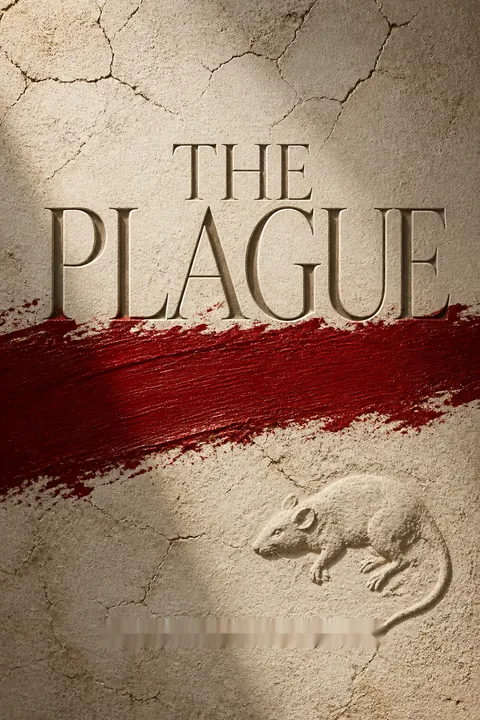

Resumen de la trama
Las ratas anuncian un peligro invisible
En la ciudad argelina de Orán, el Dr. Bernard Rieux nota un fenómeno inusual: aparecen ratas muertas en las calles. Aunque al principio los habitantes no le dan importancia, la muerte de los roedores presagia una catástrofe inminente. Rieux, abrumado ya por la enfermedad de su esposa, intuye la gravedad de la situación. Las ratas simbolizan la amenaza oculta de la peste, que pronto asolará la ciudad, alterando su normalidad y sacudiendo la complacencia de sus habitantes.
La rutina de la ciudad se desmorona
A medida que la peste se propaga, la rutina comercial de Orán se hace añicos. La ciudad, que inicialmente se niega a aceptar la realidad, se enfrenta a una crisis sin precedentes cuando la enfermedad se cobra sus primeras víctimas humanas. El Dr. Rieux y sus colegas luchan por controlar el brote, conscientes de la necesidad de actuar con urgencia. La lenta respuesta de las autoridades agrava la situación, transformando la apatía general en una creciente sensación de inquietud y temor.
Tensión creciente y aislamiento
Con Orán bajo cuarentena, los ciudadanos se enfrentan a la separación de sus seres queridos, lo que intensifica su desgaste emocional. Las comunicaciones se restringen y la dura realidad del confinamiento se impone. Rambert, un periodista atrapado en la ciudad, busca desesperadamente la manera de reunirse con su pareja, evidenciando el costo personal de la epidemia. La esperanza inicial de los habitantes da paso a una resignación sombría ante la situación, mientras lidian con el impacto emocional y psicológico del aislamiento.
Medidas desesperadas y esperanza
Ante el aumento de las muertes, el Dr. Rieux y Tarrou organizan brigadas sanitarias voluntarias para combatir la epidemia. A pesar de los riesgos, muchos se unen a la causa, impulsados por el sentido del deber y la solidaridad. Las brigadas trabajan sin descanso para contener la enfermedad, ofreciendo un destello de esperanza en medio de la desesperación. Mientras tanto, Castel, un médico veterano, intenta desarrollar un suero, lo que simboliza la lucha por hallar una solución. La resiliencia de la comunidad se pone a prueba mientras plantan cara a una epidemia implacable.
Fe y temor se enfrentan
El padre Paneloux pronuncia un sermón en el que atribuye la peste a un castigo divino y exhorta al arrepentimiento. Su mensaje divide a la población: algunos encuentran consuelo en la fe, mientras que otros, como Rieux, se concentran en las medidas prácticas. El sermón refleja la tensión entre las creencias religiosas y el pensamiento científico. A medida que la peste se recrudece, los ciudadanos luchan contra sus temores y convicciones, buscando un sentido en medio del caos y confrontando sus propios valores y prioridades.
La lucha contra la peste
Los habitantes de la ciudad, liderados por Rieux y Tarrou, continúan su batalla contra la peste. A pesar de los reveses y las pérdidas personales, perseveran, encarnando la fuerza del espíritu humano. Rambert, que al principio solo pensaba en escapar, decide quedarse y colaborar al comprender la importancia de la acción colectiva. La lucha contra la enfermedad se convierte en una metáfora de la condición humana en general, destacando temas como la solidaridad, el sacrificio y la búsqueda de sentido ante el sufrimiento.
El dilema y la decisión de Rambert
El periodista Raymond Rambert, que en un principio se mostraba desesperado por escapar de Orán para reunirse con su amada, se encuentra ante una encrucijada moral. Influenciado por el Dr. Rieux y Tarrou, decide quedarse y ayudar a combatir la epidemia, al comprender que la felicidad individual no puede desligarse del sufrimiento de la comunidad. Su transformación del egoísmo a la solidaridad resalta la interconexión humana y el deber moral hacia los demás.
El descenso de Cottard hacia la locura
Cottard, un personaje de dudosa reputación que inicialmente se beneficia del caos provocado por la peste, se vuelve cada vez más inestable a medida que la epidemia remite. Su temor a regresar a la vida normal, donde sus delitos pasados podrían salir a la luz, lo sume en la paranoia y en un comportamiento errático. Con la recuperación de la ciudad, el estado mental de Cottard se deteriora, culminando en un brote de violencia que termina en su arresto. Su historia sirve de contrapunto al altruismo de los demás personajes, ilustrando las diversas reacciones humanas ante la crisis.
La lucha y la filosofía de Tarrou
Jean Tarrou, un visitante de mentalidad filosófica, se convierte en una figura clave en la organización de la lucha contra la peste. A través de sus cuadernos de notas, revela sus conflictos internos del pasado con la culpa y su búsqueda de paz. Tarrou sostiene que es fundamental combatir la "peste" que cada uno lleva dentro, la cual simboliza la corrupción moral y la complicidad con el sufrimiento ajeno. Su empeño por convertirse en un "santo sin Dios" refleja su deseo de vivir con integridad y compasión. Su trágica muerte subraya los temas existenciales de la obra y el carácter implacable del dolor humano.
El retroceso de la peste y la esperanza
Con la llegada del invierno, el azote de la peste en Orán empieza a debilitarse, registrando un descenso notable en el número de víctimas. Los ciudadanos, aunque cautelosos, comienzan a vislumbrar el retorno a la normalidad. Las autoridades anuncian que la epidemia está bajo control y se inician los preparativos para reabrir la ciudad. Este periodo de transición se vive con una mezcla de alivio y ansiedad, mientras la población asimila las secuelas de la catástrofe. El retroceso de la enfermedad simboliza la resiliencia del espíritu humano y la posibilidad de un renacer.
Reencuentro y reflexión
Con la apertura de las puertas de Orán, las familias y las parejas se reúnen para celebrar la supervivencia y el fin del aislamiento. Sin embargo, la alegría se ve empañada por el recuerdo de quienes perdieron la vida a causa de la peste. Rambert se reencuentra con su pareja, pero la experiencia de la epidemia lo ha transformado, dejándole una sensación de desapego. El relato resalta la dualidad de la experiencia humana —el gozo y el dolor, el amor y la pérdida— y la huella imborrable que el sufrimiento compartido deja en las relaciones personales.
La determinación y revelación de Rieux
El Dr. Bernard Rieux, narrador de la historia, revela su papel como cronista de los acontecimientos de la peste. Reflexiona sobre las lecciones aprendidas: la importancia de la solidaridad, la inevitabilidad del sufrimiento y la fortaleza del espíritu humano. Rieux reconoce que la lucha contra la peste nunca termina, ya que la enfermedad simboliza la amenaza constante de la indiferencia humana y la decadencia moral. Su determinación de dar testimonio del dolor y el valor de los habitantes de Orán subraya los temas existenciales de la novela y la eterna búsqueda de sentido en un mundo caótico.
Analysis
Temas existenciales y resiliencia humanaLa peste, de Albert Camus, es una profunda exploración de la capacidad de resistencia del ser humano ante las amenazas existenciales. A través de la alegoría de una ciudad asolada por la enfermedad, Camus profundiza en temas como el dolor, el aislamiento y la búsqueda de sentido. La novela invita al lector a reflexionar sobre sus propios valores y prioridades, evidenciando la tensión entre la fe religiosa y la razón científica. Las dificultades y transformaciones de los personajes subrayan la interconexión de las vidas humanas, así como la importancia de la solidaridad y el deber moral. En última instancia, La peste se erige como un recordatorio atemporal de la fortaleza del espíritu humano y de la constante búsqueda de significado en un mundo caótico.
Resumen de reseñas
La peste es ampliamente considerada una obra maestra que explora la naturaleza humana durante las crisis. Los lectores elogian la profundidad filosófica de Camus, sus personajes vívidos y su relevancia ante las pandemias modernas. La novela examina diversas reacciones ante la catástrofe, desde el heroísmo hasta la desesperación. Muchos la consideran una conmovedora reflexión sobre la solidaridad, la moralidad y la condición humana. Aunque algunos tienen dificultades con su prosa densa, la mayoría la considera una obra poderosa y sugerente que resuena profundamente, especialmente a la luz de los recientes acontecimientos mundiales.
También leyeron





Characters
Dr. Bernard Rieux
Rieux es la figura central en la lucha contra la peste. Su compromiso con los pacientes y el bienestar de la ciudad lo impulsa a coordinar los esfuerzos para combatir la enfermedad. A pesar de sus dificultades personales, como la enfermedad de su esposa, Rieux se mantiene firme, encarnando la racionalidad y la compasión. Su relación con los demás personajes revela su profundo sentido del deber y su integridad moral.
Jean Tarrou
Tarrou es un visitante en Orán que resulta fundamental para estructurar las brigadas sanitarias. Su perspectiva filosófica y su compromiso con la acción contrastan con la apatía inicial de la ciudad. Las experiencias de su pasado moldean su visión sobre la justicia y el sufrimiento humano, convirtiéndolo en un aliado clave para Rieux. Su labor destaca la importancia de la responsabilidad colectiva y el valor moral.
Raymond Rambert
Enfocado al principio en escapar de Orán para reunirse con su pareja, Rambert experimenta una profunda transformación. Influenciado por la lucha colectiva contra la peste, elige quedarse y colaborar, comprendiendo el valor de la solidaridad y el deber moral. Su evolución del interés personal al altruismo evidencia la interconexión de las vidas humanas y el poder transformador de las dificultades.
Father Paneloux
Paneloux es un jesuita que interpreta la peste como un castigo divino. Sus sermones desafían a los ciudadanos a reflexionar sobre su fe y su moralidad. El personaje de Paneloux encarna la tensión entre las creencias religiosas y la razón científica, suscitando debates sobre la naturaleza del sufrimiento y la redención. Su participación en las brigadas sanitarias muestra la evolución de su fe hacia la acción práctica.
Joseph Grand
Grand es un empleado municipal que se une a las brigadas sanitarias impulsado por el sentido del deber. Su carácter meticuloso y sus aspiraciones literarias aportan un toque de ternura y humanidad en medio de la crisis. El empeño de Grand por perfeccionar una sola frase simboliza la búsqueda general de sentido y expresión. Su heroísmo silencioso resalta el valor de la perseverancia y el impacto de los pequeños actos de valentía.
Cottard
Cottard prospera durante el caos de la peste dedicándose al contrabando y a actividades ilícitas. Sin embargo, a medida que la epidemia remite, su temor a volver a la normalidad y enfrentarse a la justicia lo arrastra a la paranoia y a la locura. Su detención final pone de manifiesto las distintas reacciones humanas ante la crisis y las consecuencias de vivir al margen de las normas sociales.
Mme Rieux
La madre de Rieux representa esa resiliencia silenciosa y abnegada que sostiene a quienes la rodean. Su presencia aporta consuelo y estabilidad en medio del caos de la peste. El personaje de la señora Rieux resalta los temas del amor, la resistencia y el heroísmo discreto de la vida cotidiana.
Plot Devices
The Plague as Metaphor
La peste funciona como una metáfora de la condición humana, poniendo de relieve temas como el sufrimiento, el aislamiento y la búsqueda de sentido. Obliga a los personajes a confrontar sus valores y prioridades, revelando tanto lo mejor como lo peor de la naturaleza humana. El avance de la epidemia refleja el viaje interior de los personajes, destacando cómo se entrelazan las experiencias individuales y colectivas.
Isolation and Communication
El confinamiento impuesto en Orán levanta barreras físicas y emocionales, intensificando el sentimiento de soledad de los personajes. La restricción de las comunicaciones con el exterior subraya el tema de la separación y el anhelo de conexión. Este recurso narrativo resalta el impacto de las crisis en las relaciones afectivas y la necesidad humana de solidaridad y comprensión.
Volunteerism and Solidarity
La creación de las brigadas sanitarias representa el poder de la unión frente a la catástrofe. Este recurso enfatiza los conceptos del deber, el sacrificio y la capacidad de recuperación de una comunidad. El esfuerzo de los voluntarios demuestra cómo las personas pueden superar sus intereses particulares y trabajar juntas por el bien común, sembrando esperanza en medio del desamparo.
Preguntas frecuentes
Synopsis & Basic Details
What is The Plague about?
- A town under siege: The Plague tells the story of Oran, an Algerian city, as it grapples with a deadly epidemic. The narrative follows the experiences of various characters as they navigate the challenges of isolation, fear, and death.
- Focus on human response: The novel explores how individuals and the community react to the crisis, highlighting themes of solidarity, resilience, and the search for meaning in the face of suffering. It examines the psychological and emotional toll of the plague on the town's inhabitants.
- More than just a disease: The plague serves as a metaphor for the absurd and often meaningless nature of existence, prompting characters to confront their values and beliefs. It's a story about the human condition, not just a medical crisis.
Why should I read The Plague?
- Timely and relevant themes: The Plague explores universal themes of isolation, fear, and the human response to crisis, making it relevant to contemporary readers. It offers insights into how individuals and communities cope with adversity.
- Complex character studies: The novel features a diverse cast of characters, each with their own motivations and struggles. Readers will find themselves drawn to their stories and the moral dilemmas they face.
- Thought-provoking philosophical questions: Camus's work raises profound questions about the nature of good and evil, the meaning of life, and the role of human agency in a seemingly indifferent universe. It encourages readers to reflect on their own values and beliefs.
What is the background of The Plague?
- Algerian setting: The story is set in Oran, a French port city in Algeria, during the 1940s. This setting provides a backdrop of colonial tensions and cultural diversity, adding layers to the social dynamics of the town.
- Historical context: The novel was written during World War II and reflects the anxieties and uncertainties of that period. The plague can be seen as a metaphor for the Nazi occupation of France and the broader experience of living under oppressive forces.
- Existentialist influences: Camus's philosophical background as an existentialist is evident in the novel's exploration of the absurd, the search for meaning, and the importance of individual action in a meaningless world. The characters' struggles reflect the existentialist belief that life is inherently without purpose, and it is up to individuals to create their own meaning.
What are the most memorable quotes in The Plague?
- "There are more things to admire in men than to despise.": This quote, near the end of the novel, encapsulates the narrator's (Rieux's) final assessment of humanity. It highlights the resilience and capacity for good that can be found even in the face of great suffering.
- "The only way to deal with an unfree world is to become so absolutely free that your very existence is an act of rebellion.": This quote, though not directly from the book, reflects the spirit of Tarrou's philosophy and his desire to live a life of integrity and resistance against the absurd. It speaks to the importance of individual action in the face of oppression.
- "Each of us has the plague within him; no one, no one on earth is free from it.": This quote, spoken by Tarrou, reveals the novel's central metaphor. It suggests that the plague is not just a disease but a symbol of the human capacity for evil and the need for constant vigilance against it.
What writing style, narrative choices, and literary techniques does Albert Camus use?
- Impartial and objective narration: Camus employs a third-person limited perspective, primarily through the eyes of Dr. Rieux, which creates a sense of objectivity and allows the reader to witness the events unfold without excessive emotional manipulation. This style enhances the novel's realism and credibility.
- Focus on concrete details: Camus uses vivid descriptions of the physical environment and the characters' actions to ground the story in reality. This attention to detail makes the plague and its effects feel tangible and immediate.
- Philosophical and allegorical elements: The novel is rich in philosophical themes and allegorical symbolism. The plague serves as a metaphor for the human condition, and the characters' struggles raise profound questions about morality, meaning, and the nature of existence.
Hidden Details & Subtle Connections
What are some minor details that add significant meaning?
- The old man and his cats: The recurring image of the old man spitting at cats on his balcony, then his distress when the cats disappear, and finally his joy when they return, symbolizes the disruption and restoration of normalcy. It highlights the small, everyday routines that are disrupted by the plague and the human need for order.
- Grand's literary pursuit: Grand's obsession with perfecting a single sentence, his struggle with language, and his desire for recognition reveal his longing for meaning and connection. This seemingly minor detail underscores the human need for self-expression and the power of art to transcend suffering.
- The railway directory: The detail of Rieux's father's fascination with the railway directory foreshadows the theme of travel and separation. It also symbolizes the human desire for order and control in a chaotic world.
What are some subtle foreshadowing and callbacks?
- The initial rat sightings: The appearance of dead rats at the beginning of the novel foreshadows the impending plague and the disruption of Oran's routine. This detail serves as a warning sign that is initially dismissed but later proves to be significant.
- Cottard's behavior: Cottard's initial unease and paranoia foreshadow his later descent into madness. His attempts to ingratiate himself with others and his fear of authority hint at his underlying guilt and instability.
- Tarrou's "saint without God": Tarrou's philosophical musings about becoming a saint without God foreshadow his selfless actions and his eventual death. This concept highlights his commitment to moral action and his rejection of traditional religious dogma.
What are some unexpected character connections?
- Rieux and Tarrou's friendship: The bond between Rieux and Tarrou, despite their different backgrounds and beliefs, highlights the power of shared experience and the importance of human connection in times of crisis. Their friendship is a source of strength and mutual understanding.
- Cottard and Rambert's alliance: The unlikely alliance between Cottard and Rambert, driven by their shared desire to escape the town, reveals the desperation and moral compromises that can arise during a crisis. This connection underscores the complex and often contradictory nature of human behavior.
- Paneloux's evolving views: Paneloux's evolving views on faith and suffering, influenced by his interactions with Rieux and his experiences with the plague, demonstrate the transformative power of empathy and the limitations of rigid dogma. His journey highlights the importance of questioning one's beliefs in the face of human suffering.
Who are the most significant supporting characters?
- Joseph Grand: Grand's quiet heroism and dedication to his work, despite his personal struggles, make him a significant supporting character. His literary aspirations and his desire to connect with his lost love add depth to his character and highlight the human need for meaning and expression.
- Old Dr. Castel: Castel's unwavering commitment to developing a serum, despite the odds, makes him a symbol of scientific perseverance and the human desire to find solutions to seemingly insurmountable problems. His character embodies the importance of knowledge and expertise in times of crisis.
- Mme Rieux: Rieux's mother's quiet strength and unwavering support provide a sense of stability and comfort amid the chaos of the plague. Her character highlights the importance of family and the enduring power of love and compassion.
Psychological, Emotional, & Relational Analysis
What are some unspoken motivations of the characters?
- Rieux's sense of duty: Rieux's unwavering commitment to his work is driven by a deep sense of duty and a desire to alleviate suffering. His actions are motivated by a belief in the importance of human agency and the need to fight against the absurd.
- Tarrou's quest for peace: Tarrou's desire to become a "saint without God" stems from his past experiences with violence and his longing for inner peace. His actions are motivated by a need to atone for his past and to find meaning in a world filled with suffering.
- Cottard's fear of normalcy: Cottard's erratic behavior is driven by a deep-seated fear of returning to a normal life where he might face the consequences of his past actions. His motivations are rooted in self-preservation and a desire to avoid accountability.
What psychological complexities do the characters exhibit?
- Rieux's emotional detachment: Rieux's emotional detachment is a coping mechanism to deal with the constant suffering and death he witnesses. His struggle to maintain his composure highlights the psychological toll of the plague and the challenges of remaining human in the face of inhumanity.
- Rambert's internal conflict: Rambert's internal conflict between his desire for personal happiness and his growing sense of social responsibility reveals the complexities of human motivation. His journey from self-interest to solidarity highlights the transformative power of crisis.
- Paneloux's intellectual struggle: Paneloux's intellectual struggle to reconcile his faith with the suffering he witnesses demonstrates the limitations of dogma and the need for empathy and compassion. His evolving views highlight the complexities of religious belief in the face of human suffering.
What are the major emotional turning points?
- Rieux's wife's death: The news of Rieux's wife's death, though expected, is a major emotional turning point for him. It underscores the personal toll of the plague and the limitations of human agency in the face of loss.
- Rambert's decision to stay: Rambert's decision to stay in Oran and help fight the plague marks a significant emotional shift. It represents his transformation from self-interest to solidarity and his acceptance of his moral duty to others.
- Tarrou's death: Tarrou's death, despite his efforts to live a life of integrity and compassion, is a major emotional turning point. It highlights the novel's existential themes and the tragic nature of human existence.
How do relationship dynamics evolve?
- Rieux and Tarrou's friendship: The friendship between Rieux and Tarrou evolves from a professional alliance to a deep bond of mutual respect and understanding. Their shared experiences and philosophical discussions highlight the importance of human connection in times of crisis.
- Rambert and his wife's relationship: Rambert's relationship with his wife is tested by the separation imposed by the plague. His journey to reunite with her reveals the complexities of love and the challenges of maintaining intimacy in the face of adversity.
- The townspeople's collective experience: The shared experience of the plague creates a sense of solidarity among the townspeople, but it also exacerbates existing tensions and inequalities. The novel explores the complex dynamics of community and the challenges of maintaining social cohesion in times of crisis.
Interpretation & Debate
Which parts of the story remain ambiguous or open-ended?
- The nature of the plague: The plague itself remains somewhat ambiguous, serving as both a literal disease and a metaphor for the human condition. The novel does not offer a definitive explanation for its origins or its sudden retreat, leaving readers to ponder its deeper meaning.
- The characters' fates: While some characters' fates are explicitly stated, others are left open-ended, allowing readers to speculate about their future. This ambiguity reflects the uncertainty of life and the limitations of human knowledge.
- The meaning of "saintliness": Tarrou's quest to become a "saint without God" raises questions about the nature of morality and the possibility of achieving spiritual fulfillment outside of traditional religious frameworks. The novel does not offer a clear answer, leaving readers to grapple with these complex issues.
What are some debatable, controversial scenes or moments in The Plague?
- Paneloux's second sermon: Paneloux's second sermon, in which he argues that Christians should accept suffering as God's will, is a controversial moment that challenges traditional notions of faith and morality. It raises questions about the role of religion in the face of human suffering and the limits of human understanding.
- Rieux's rejection of God: Rieux's rejection of God and his focus on human action is a controversial stance that challenges traditional religious beliefs. His perspective highlights the importance of individual responsibility and the need to fight against injustice and suffering.
- The ending's ambiguity: The novel's ending, which suggests that the plague bacillus may return, is a controversial moment that challenges the notion of a final victory. It underscores the cyclical nature of human suffering and the need for constant vigilance against the forces of evil.
The Plague Ending Explained: How It Ends & What It Means
- The plague's retreat: The plague recedes, but not as a result of human intervention. It simply stops, leaving the townspeople to grapple with the aftermath. This ending underscores the limitations of human control and the unpredictable nature of life.
- Rieux's chronicle: Rieux's decision to write the chronicle is a testament to the importance of bearing witness to human suffering and the need to remember the lessons learned from the plague. It highlights the power of storytelling to preserve memory and to inspire future generations.
- The cyclical nature of suffering: The final lines of the novel, which suggest that the plague bacillus may return, emphasize the cyclical nature of human suffering and the need for constant vigilance against the forces of evil. It serves as a warning against complacency and a call to action.
Sobre el autor
Otros libros de Albert Camus




Descargar PDF
Descargar EPUB
.epub digital book format is ideal for reading ebooks on phones, tablets, and e-readers.








































