نکات کلیدی
1. زندگی سفری اسرارآمیز از خودشناسی و عشق است
زندگی جایی منتظر شما نیست، بلکه درون شما در حال رخ دادن است. زندگی در آینده به عنوان هدفی که باید به آن رسید نیست، بلکه همینجا و اکنون، در این لحظه، در نفس کشیدن شما، در گردش خون شما، در ضربان قلب شماست.
زندگی به عنوان یک فرآیند مداوم. زندگی مقصدی نیست بلکه گسترش پیوستهای از تجربیات در لحظه حال است. چیزی نیست که در بیرون یافت شود، بلکه سفری درونی از خودشناسی و رشد است. این دیدگاه تمرکز ما را از اهداف آینده به غنای وجود کنونیمان تغییر میدهد.
عشق به عنوان جوهره زندگی. باولها، شاعران عارف هند، عشق را به عنوان نغمهای الهی میبینند که ما را به انرژی جهانی متصل میکند. این عشق فراتر از روابط عاشقانه است و شامل ارتباط عمیق با تمام وجود میشود. با پرورش این عشق گسترده، خود را با نیروی بنیادی که جهان را به هم پیوند میدهد هماهنگ میکنیم.
- جنبههای کلیدی سفر زندگی:
- پذیرش عدم قطعیت و اسرار
- پرورش خودآگاهی
- توسعه ارتباط عاشقانه با همه موجودات
- شناخت الهی در تجربیات روزمره
2. لحظه حال را بپذیرید و احساسات منفی را دگرگون کنید
هر لحظه گذشته را رها کنید. به یاد داشته باشید که آن را رها کنید. همانطور که هر صبح خانهتان را تمیز میکنید، هر لحظه خانه درونیتان را از گذشته پاک کنید.
زندگی در اکنون. لحظه حال تنها واقعیت حقیقی است که داریم. با دائماً در گذشته ماندن یا نگران آینده بودن، غنای تجربه کنونیمان را از دست میدهیم. اوشو بر اهمیت رها کردن وابستگیهای گذشته و نگرانیهای آینده تأکید میکند تا به طور کامل با زندگی همانطور که در حال گسترش است درگیر شویم.
دگرگونی احساسات منفی. به جای سرکوب یا بروز احساسات منفی، اوشو پیشنهاد میکند که آنها را بدون قضاوت مشاهده کنیم. این تمرین آگاهی ذهنی به احساسات اجازه میدهد به طور طبیعی دگرگون شوند، خشم به شفقت و ترس به شجاعت تبدیل شود. با صبورانه مشاهده کردن چشمانداز درونیمان، میتوانیم حالات احساسیمان را دگرگون کنیم.
- تکنیکهایی برای پذیرش لحظه حال:
- تنفس آگاهانه
- تمرینهای آگاهی بدنی
- تمرین منظم مدیتیشن
- پرورش قدردانی از تجربیات ساده
3. عشق راه نهایی برای رشد و تکامل روحی است
عشق نمیتواند با ذهنی جدی وجود داشته باشد. با ذهنی جدی، منطق هماهنگ است. غیرجدی باشید. نمیگویم که صادق نباشید. صادق باشید، اما غیرجدی.
عشق به عنوان یک تمرین روحی. اوشو عشق را نه فقط به عنوان یک احساس، بلکه به عنوان نیرویی تحولآفرین معرفی میکند که میتواند به رشد عمیق روحی منجر شود. این عشق فراتر از وابستگیهای عاشقانه است و شامل ارتباط عمیق با تمام وجود میشود. با پرورش این عشق گسترده، خود را به الهی باز میکنیم و زندگی را به طور کاملتری تجربه میکنیم.
تعادل بین صداقت و بازیگوشی. در حالی که عشق یک تلاش جدی است، در فضایی از سبکی و شادی شکوفا میشود. اوشو ما را تشویق میکند که با صداقت اما بدون سنگینی بیش از حد به عشق نزدیک شویم. این تعادل اجازه میدهد تا ارتباطات عمیقتر و بیانهای عاشقانهتری داشته باشیم.
- جنبههای عشق به عنوان یک مسیر روحی:
- پرورش شفقت برای همه موجودات
- تمرین عدم وابستگی در روابط
- دیدن الهی در هر شخص و موقعیت
- استفاده از عشق به عنوان وسیلهای برای فراتر رفتن از خود
4. مدیتیشن و آگاهی کلیدهای باز کردن پتانسیل واقعی زندگی هستند
مدیتیشن در ابتدا غیرخودکارسازی است. سپس با آگاهی جدیدی شروع به کار خواهید کرد—کارایی در بدن باقی میماند و آگاهی هوشیار میماند. شما به ماشین تبدیل نمیشوید، بلکه انسان باقی میمانید.
مدیتیشن به عنوان ابزاری برای بیداری. تمرین منظم مدیتیشن به شکستن الگوهای خودکار فکر و رفتار که ما را در دیدگاههای محدود گرفتار میکند کمک میکند. با پرورش آگاهی، میتوانیم با وضوح و خلاقیت بیشتری به زندگی پاسخ دهیم، به جای واکنش از عادات شرطی شده.
ادغام آگاهی در زندگی روزمره. هدف مدیتیشن فقط داشتن تجربیات آرام در طول تمرین رسمی نیست، بلکه آوردن آن آگاهی افزایشیافته به هر جنبهای از زندگیمان است. این ادغام به ما اجازه میدهد تا به طور کاملتر و اصیلتری زندگی کنیم، انتخابهای آگاهانهای داشته باشیم به جای اینکه توسط انگیزههای ناخودآگاه هدایت شویم.
- فواید مدیتیشن و آگاهی:
- افزایش وضوح ذهنی و تمرکز
- کاهش استرس و اضطراب
- بهبود تنظیم احساسی
- دسترسی بیشتر به شهود و خلاقیت
- حس عمیقتر از ارتباط با خود و دیگران
5. خنده و بازیگوشی برای وجودی شاد ضروری هستند
من مخالف هر گونه جدیت هستم. کل رویکرد من بر اساس طنز است و بزرگترین ویژگی دینی حس طنز است—نه حقیقت، نه خدا، نه فضیلت، بلکه حس طنز.
پذیرش طنز و سبکی. اوشو چالش میکند که معنویت باید جدی و سنگین باشد. در عوض، او برای رویکردی شاد به زندگی که شامل خنده، بازیگوشی و حس طنز است، تبلیغ میکند. این دیدگاه اجازه میدهد تا سفر روحی گستردهتر و لذتبخشتری داشته باشیم.
خنده به عنوان یک تمرین روحی. خنده منظم میتواند ابزاری قدرتمند برای رهایی از تنش، شکستن موانع ذهنی و ارتباط با دیگران باشد. اوشو پیشنهاد میکند که خنده را به زندگی روزمره و حتی تمرینهای مدیتیشنمان وارد کنیم تا شادی و سبکی وجود را پرورش دهیم.
- راههایی برای پرورش بازیگوشی و طنز:
- مدیتیشن خنده (خندیدن بدون دلیل)
- جستجوی کمدی و محتوای طنز
- تمرین نکردن خود را بیش از حد جدی گرفتن
- یافتن طنز در موقعیتهای روزمره
- شرکت در فعالیتهای بازیگوشانه با دیگران
6. از خود و وابستگیها فراتر بروید تا آزادی واقعی را تجربه کنید
خود از اختلال برمیخیزد، اما خود منطق خود را دارد. ادامه میدهد که شما مهم هستید، که شما مهمترین فرد در جهان هستید و باید آن را اثبات کنید.
درک ماهیت خود. خود حس جداگانهای از خود است که هویتی کاذب بر اساس افکار، باورها و وابستگیهای ما ایجاد میکند. در حالی که برای عملکرد در جهان ضروری است، خود بیشفعال میتواند به رنج و محدودیت منجر شود. اوشو ما را تشویق میکند که ماهیت توهمی خود را بشناسیم و از محدودیتهای آن فراتر برویم.
رها کردن وابستگیها. وابستگیهای ما به افراد، داراییها و ایدهها ما را به دیدگاهها و تجربیات محدود محدود میکند. با شل کردن این وابستگیها، خود را به آزادی بیشتر و دیدگاه گستردهتری از زندگی باز میکنیم. این به معنای ترک دنیا نیست، بلکه درگیر شدن با آن از مکانی از عدم وابستگی و باز بودن است.
- تمرینهایی برای فراتر رفتن از خود و وابستگیها:
- خودپرسشگری و پرسش از باورها
- مدیتیشن بر ماهیت خود
- تمرین عدم وابستگی در روابط و داراییها
- پرورش آگاهی شاهد
- پذیرش عدم قطعیت و ندانستن
7. تعادلی بین جدیت و طنز در زندگی پرورش دهید
جدیت نوعی بیماری است: سرطان روح است. . . . تنها از طریق عشق و خنده و شادی فراوان در زندگی است که شروع به احساس حضور چیزی میکنید که فراتر است.
یافتن راه میانه. در حالی که اوشو برای طنز و بازیگوشی تبلیغ میکند، او همچنین اهمیت صداقت و عمق را میشناسد. کلید یافتن تعادلی بین این ویژگیهای ظاهراً متضاد است، که اجازه میدهد هم سبکی و هم عمق در رویکرد ما به زندگی وجود داشته باشد.
ادغام شادی و عمق. با پرورش هم شادی و هم عمق، میتوانیم زندگی را به طور کاملتر و اصیلتری تجربه کنیم. این ادغام به ما اجازه میدهد تا با چالشها و اسرار زندگی در حالی که حس سبکی و دیدگاه را حفظ میکنیم، درگیر شویم. این به ما امکان میدهد تا با ظرافت و حکمت پیچیدگیهای وجود را پیمایش کنیم.
- راههایی برای تعادل بین جدیت و طنز:
- تمرین آگاهی در لحظات شاد و چالشبرانگیز
- پرورش توانایی خندیدن به خود
- نزدیک شدن به تمرینهای روحی با هم تعهد و هم بازیگوشی
- یافتن طنز در دشواریهای زندگی بدون نادیده گرفتن اهمیت آنها
- شرکت در هم تأمل عمیق و هم فعالیتهای سبکدلانه
خلاصه نقدها
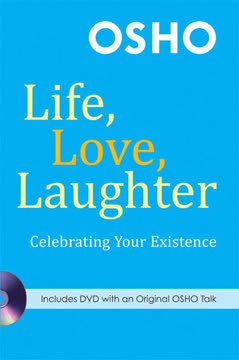
کتاب زندگی، عشق، خنده اثر اوشو عمدتاً نقدهای مثبتی دریافت کرده است و خوانندگان از خرد، سادگی و پتانسیل آن برای تغییر زندگی تمجید میکنند. بسیاری از افراد کتاب را قابل ارتباط و بینشزا میدانند و از استفاده اوشو از طنز و حکایات برای توضیح ایدههای پیچیده قدردانی میکنند. موضوعاتی مانند زندگی در لحظه، پذیرش عشق و خنده، و یافتن معنای درونی به شدت با خوانندگان همصدا میشود. برخی از منتقدان به تأثیر کتاب بر دیدگاهها و زندگی روزمرهشان اشاره کردهاند. در حالی که عدهای آن را مطابق سلیقه خود نیافتند، اکثریت آن را به عنوان یک خواندنی تحریککننده و بالقوه تحولآفرین توصیه میکنند.
دیگران نیز خواندهاند








سؤالات متداول
What is "Life, Love, Laughter" by Osho about?
- Exploration of Three Themes: The book is a collection of Osho’s talks focusing on the interconnectedness of life, love, and laughter as the foundation for a meaningful and joyful existence.
- Spiritual and Practical Guidance: Osho offers spiritual insights and practical advice on how to live authentically, love deeply, and embrace humor as a path to enlightenment.
- Emphasis on Experience: The book encourages readers to move beyond intellectual understanding and to experience life directly, through awareness, meditation, and playfulness.
- Integration of Eastern Wisdom: Drawing from Eastern philosophies, mystics, and poets, Osho weaves together stories, parables, and teachings to illustrate his points.
Why should I read "Life, Love, Laughter" by Osho?
- Transformative Perspective: The book challenges conventional beliefs about seriousness, love, and the search for meaning, offering a liberating perspective on living fully.
- Accessible Wisdom: Osho’s conversational style, humor, and use of stories make profound spiritual concepts accessible and relatable.
- Practical Tools for Living: Readers gain practical methods for meditation, self-awareness, and letting go of societal conditioning.
- Inspiration for Joyful Living: The book inspires readers to embrace life with courage, creativity, and a sense of humor, making it relevant for anyone seeking more joy and authenticity.
What are the key takeaways from "Life, Love, Laughter" by Osho?
- Life is a Mystery to Be Lived: Life cannot be solved or understood intellectually; it must be experienced directly and with wonder.
- Love as a State of Being: True love is not a relationship or attachment but a quality of being that radiates from within.
- Laughter as Spiritual Practice: Humor and laughter are essential for spiritual growth, helping to dissolve ego and seriousness.
- Meditation and Awareness: Living in the present, dropping the past and future, and cultivating awareness are central to Osho’s teachings.
How does Osho define the meaning of life in "Life, Love, Laughter"?
- Meaning is Self-Created: Life has no inherent meaning; it is like an empty canvas, and each person must create their own meaning through creativity and love.
- Participation with the Divine: By becoming a creator in your own right, you participate with the divine and become a blessing to existence.
- Living in the Present: The meaning of life is found in living fully in the present moment, not in seeking answers from outside sources or dogmas.
- Integration of Life and Death: Understanding and accepting death as part of life leads to a deeper appreciation and celebration of existence.
What is Osho’s approach to love in "Life, Love, Laughter"?
- Love as a State, Not a Relationship: Osho teaches that love is not about attachment or possession but a state of being that flows naturally from an open heart.
- Transforming Poisons into Honey: He advises transforming negative emotions like jealousy and anger into compassion and understanding through awareness.
- Sharing and Non-Possessiveness: True love involves sharing positivity and not hoarding or trying to possess the other.
- Ego and Love Cannot Coexist: Love flourishes in the absence of ego; humility and emptiness are prerequisites for real love.
How does Osho view laughter and humor in "Life, Love, Laughter"?
- Laughter as Essential: Osho sees laughter as a vital spiritual quality, more important than seriousness, truth, or even virtue.
- Antidote to Seriousness: He describes seriousness as a disease and encourages cultivating a sense of humor to dissolve ego and rigidity.
- Laughter as Meditation: Genuine laughter brings you into the present moment and can be a form of meditation, leading to relaxation and awareness.
- Learning to Laugh at Oneself: Osho emphasizes the importance of being able to laugh at oneself as a sign of humility and spiritual maturity.
What are Osho’s teachings on death and dying in "Life, Love, Laughter"?
- Death as Part of Life: Osho teaches that death is not the opposite of life but an integral, renewing process within it.
- Dying Each Moment: He encourages dropping the past and dying to each moment, which allows for continual rebirth and freshness in life.
- No Fear of Death: Understanding and accepting death removes the fear of it and leads to a more joyful and fulfilled life.
- Preparation for Death: Living authentically and courageously is the best preparation for dying well, as life and death are two sides of the same coin.
What practical methods or advice does Osho give in "Life, Love, Laughter"?
- Meditation Techniques: Osho suggests simple practices like calling your own name to bring yourself into awareness and break automatic patterns.
- Living Responsibly: He redefines responsibility as the capacity to respond authentically to each moment, rather than following external rules or dogmas.
- Dropping the Past and Future: He advises letting go of psychological hang-ups from the past and not projecting expectations into the future.
- Playfulness and Childlikeness: Osho encourages reclaiming the playfulness of childhood, being non-serious, and allowing creativity and spontaneity.
How does Osho address the search for meaning and the role of the ego in "Life, Love, Laughter"?
- Ego as the Barrier: Osho identifies the ego as the main obstacle to experiencing life, love, and laughter fully.
- Letting Go of Labels: He urges readers to drop societal labels and roles, which reinforce the ego and prevent authentic living.
- Self-Knowledge Over External Knowledge: True understanding comes from self-awareness and direct experience, not from borrowed knowledge or beliefs.
- Freedom from Conditioning: Osho’s teachings focus on freeing oneself from societal, religious, and familial conditioning to discover one’s true nature.
What are the most important concepts or definitions introduced in "Life, Love, Laughter" by Osho?
- Life as a Process: Life is not a fixed thing but a continuous, mysterious process without beginning or end.
- Love as Divine Alchemy: Love is described as the only real miracle, transforming the ordinary into the divine.
- Laughter as Spiritual Health: Laughter is seen as a sign of spiritual health and a way to transcend seriousness and suffering.
- Meditation as Awareness: Meditation is not about belief or prayer to an unknown God, but about being alert, aware, and present to oneself.
What are the best quotes from "Life, Love, Laughter" by Osho and what do they mean?
- “Seriousness is a kind of disease: it is the cancer of the soul.” – Osho warns that seriousness stifles joy and spiritual growth, advocating for love and laughter as healing forces.
- “Life in itself is not meaningful. It is meaningful only if you can sing a song of the eternal…” – Meaning is not given but created through living authentically and creatively.
- “If you can love, and if you can laugh, totally, wholeheartedly, your life will become such a bliss and a benediction…” – Total engagement in love and laughter transforms not only oneself but also blesses the world.
- “The highest state of love is not a relationship at all, it is simply a state of your being.” – True love is not about attachment but about a state of inner abundance and sharing.
How does "Life, Love, Laughter" by Osho differ from other spiritual or self-help books?
- Emphasis on Experience Over Belief: Osho prioritizes direct experience, meditation, and awareness over dogma, belief, or intellectual understanding.
- Integration of Humor: Unlike many spiritual texts, Osho places humor and laughter at the center of spiritual growth.
- Non-Dual Approach: The book dissolves the dualities of life and death, love and pain, seriousness and play, advocating for a holistic embrace of all aspects of existence.
- Practical and Playful: Osho’s teachings are both deeply practical and playful, encouraging readers to experiment, make mistakes, and live with courage and joy.
درباره نویسنده
کتابهای دیگر از اوشو
 فراگیر