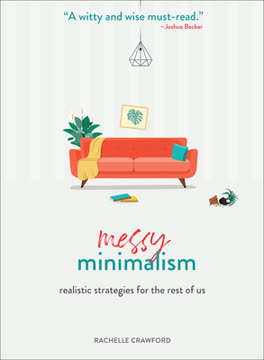
نکات کلیدی
1. پذیرش مینیمالیسم نامنظم: رویکردی انعطافپذیر به ساماندهی
مینیمالیسم نامنظم یک شکل انعطافپذیر از مینیمالیسم است که به انسانیت ما و هر تمایل طبیعی به نامنظمی احترام میگذارد و ناتوانی ما در کنترل تمام جزئیات را میپذیرد.
مینیمالیسم را دوباره تعریف کنید. مینیمالیسم نامنظم به دنبال دستیابی به کمال یا پیروی از قوانین سخت نیست. بلکه هدف آن ایجاد یک رویکرد شخصی به ساماندهی است که با زندگی واقعی و اغلب نامنظم شما سازگار باشد. این طرز فکر انعطافپذیر اجازه میدهد:
- پیشرفت تدریجی به جای تغییرات ناگهانی
- سازگاری با تغییرات زندگی و رویدادهای غیرمنتظره
- تمرکز بر مزایای کمتر به جای پایبندی به استانداردهای دلخواه
با پذیرش مینیمالیسم نامنظم، میتوانید:
- استرس و اضطراب ناشی از شلوغی را کاهش دهید
- زمان بیشتری برای فعالیتهای معنادار ایجاد کنید
- آزادی مالی بیشتری پیدا کنید
- اشیاء گمشده را پیدا کرده و علایق فراموششده را دوباره کشف کنید
2. تغییر هویت برای حفظ مینیمالیسم
شکل نهایی انگیزه درونی زمانی است که یک عادت بخشی از هویت شما میشود. گفتن اینکه من از آن نوع افرادی هستم که این را میخواهم یک چیز است. اما گفتن اینکه من از آن نوع افرادی هستم که این هستم، چیز دیگری است.
هویت مینیمالیستی را بپذیرید. مینیمالیسم پایدار نیاز به بیشتر از فقط ساماندهی دارد؛ بلکه شامل یک تغییر اساسی در نحوه دیدن خودتان است. به جای تمرکز صرف بر هدف داشتن کمتر، هویت فردی را بپذیرید که با کمتر زندگی میکند.
این رویکرد مبتنی بر هویت به مینیمالیسم:
- انگیزه درونی قویتری ایجاد میکند
- به حفظ عادات مینیمالیستی در بلندمدت کمک میکند
- اقدامات شما را با ارزشهایتان همسو میسازد
برای تغییر هویت خود:
- از روز اول خود را مینیمالیست بنامید
- تأمل کنید که چگونه مینیمالیسم با ارزشهای اصلی شما همخوانی دارد
- پیروزیهای کوچک را جشن بگیرید که هویت جدید شما را تقویت میکند
3. مبارزه با مصرفگرایی و خستگی تصمیمگیری
اگر ساماندهی وسایل شما مؤثر بود، حالا باید سازمانیافته میبودید.
نیروهای محرک را شناسایی کنید. درک آنچه که باعث مصرف بیش از حد میشود، برای رهایی از آن ضروری است. عوامل رایج شامل:
- مقایسه با دیگران
- روندهای دائماً در حال تغییر
- درمان خردهفروشی برای مقابله با احساسات
- توهم سادهسازی از طریق خریدهای بیشتر
برای مبارزه با مصرفگرایی و کاهش خستگی تصمیمگیری:
- یک توقف هزینه را برای بازنشانی عادات مصرفی اجرا کنید
- با تأمل قبل از خرید، مصرفگرایی آگاهانه را تمرین کنید
- تصمیمات روزمره را از طریق روالها و محدودیتها ساده کنید
- بر تجربیات به جای داراییهای مادی تمرکز کنید
4. ساماندهی بهطور استراتژیک: با فضاهای شخصی خود شروع کنید
اگر قرار نیست روش خرید و انباشت خود را تغییر دهید، چرا حتی به ساماندهی بپردازید؟
با فضاهای شخصی شروع کنید. هنگام ساماندهی، با مناطقی که بهطور کامل مسئولیت آنها با شماست، شروع کنید. این رویکرد:
- مهارتها و اعتماد به نفس شما را در ساماندهی تقویت میکند
- الگویی برای اعضای خانواده ایجاد میکند
- به شما این امکان را میدهد که مزایای آن را بهطور مستقیم تجربه کنید
مراحل ساماندهی استراتژیک:
- مکانهای اهدا را از قبل انتخاب کنید
- اشیاء را به چهار دسته تقسیم کنید: اهدا، زباله، فروش، نگهداری
- اهداها را به سرعت خارج کنید تا از تردید جلوگیری کنید
- پیشرفت را جشن بگیرید تا انگیزهتان حفظ شود
بر روی مناطق با تأثیر بالا تمرکز کنید مانند:
- کمد لباس شما
- وسایل مراقبت شخصی
- دفتر کار یا فضای کاری
- خودرو یا وسیله نقلیه شخصی
5. ایجاد یک کمد لباس کپسولی برای زندگی سادهتر
شما هرگز چیزی برای پوشیدن پیدا نخواهید کرد که شما را زیبا، باهوش یا دوستداشتنی احساس کند تا زمانی که باور کنید که همینطور هستید.
لباسهای خود را ساده کنید. یک کمد لباس کپسولی خستگی تصمیمگیری را کاهش میدهد، زمان را صرفهجویی میکند و به مبارزه با مصرف بیش از حد کمک میکند. برای ایجاد آن:
- یک رنگ پایه انتخاب کنید که با بیشتر لباسهای شما هماهنگ باشد
- قطعات چندمنظورهای را انتخاب کنید که میتوانند با هم ترکیب شوند
- فقط اشیائی را نگهدارید که دوست دارید و بهطور منظم میپوشید
مزایای کمد لباس کپسولی:
- زمان کمتری برای شستشو و ساماندهی صرف میشود
- استرس کمتری هنگام انتخاب لباسها
- هزینههای کمتری برای لباس
- فضای بیشتر در کمد
به یاد داشته باشید، کمد لباس کپسولی شخصی و انعطافپذیر است. باید منعکسکننده سبک زندگی و ترجیحات شما باشد، نه اینکه به قوانین یا روندهای سخت پایبند باشد.
6. خانواده را در مینیمالیسم درگیر کنید بدون اینکه آن را تحمیل کنید
کودکان ممکن است مینیمالیسم را در یک خانه دشوارتر کنند، اما همچنین آن را مهمتر میسازند.
با الگو بودن پیش بروید. هنگام معرفی مینیمالیسم به خانوادهتان، بر روی مدلسازی رفتار تمرکز کنید نه اینکه آن را تحمیل کنید. این رویکرد:
- مقاومت و تعارض را کاهش میدهد
- به اعضای خانواده این امکان را میدهد که مزایای آن را بهطور مستقیم ببینند
- انتقالی پایدارتر به مینیمالیسم ایجاد میکند
استراتژیهای مینیمالیسم خانوادگی:
- بابت عادات انباشت گذشته عذرخواهی کنید
- ساماندهی را با تجربیات به جای اشیاء تشویق کنید
- مرزهای روشنی برای داراییها تعیین کنید
- از تعطیلات و تغییرات به عنوان فرصتهایی برای ساماندهی استفاده کنید
- انتظارات جدیدی برای هدیه دادن و دریافت تعیین کنید
هنگام برخورد با اعضای خانواده که reluctant هستند:
- صبور و مداوم باشید
- بر روی ارزشها و مزایای مشترک تمرکز کنید
- در مورد فضاهای شخصی و اشیاء احساسی سازش کنید
7. آرامش را در زندگی بپذیرید و با هدف زندگی کنید
آرامش به معنای زندگی بیکار نیست. بلکه به معنای زندگی با هدف است.
زندگی شلوغ را رها کنید. مینیمالیسم فراتر از داراییهای فیزیکی است و شامل نحوه صرف زمان و انرژی شما نیز میشود. با آرامش، میتوانید:
- ظرفیت خود را برای کار و روابط معنادار افزایش دهید
- استرس و فرسودگی را کاهش دهید
- تمرکز و بهرهوری خود را بر روی آنچه واقعاً مهم است بهبود ببخشید
مراحل آرامش و زندگی با هدف:
- تعهدات غیرضروری را شناسایی و حذف کنید
- در برنامهتان فضایی برای استراحت و خودجوشی ایجاد کنید
- به جای چندکارگی، بر روی یک کار تمرکز کنید
- بهطور منظم اولویتهای خود را ارزیابی و تنظیم کنید
به یاد داشته باشید: هدف این نیست که هیچ کاری نکنید، بلکه ایجاد فضایی برای آنچه که مهمترین است. این ممکن است شامل:
- پیگیری رویاها یا علایق دیرینه
- عمیقتر کردن روابط با خانواده و دوستان
- درگیر شدن در رشد شخصی و یادگیری
- کمک به علایق و اهدافی که برایتان مهم است
خلاصه نقدها
کتاب مینیمالیسم نامنظم با نظرات متنوعی مواجه شده و میانگین امتیاز آن ۳.۸۸ از ۵ است. بسیاری از خوانندگان به رویکرد قابل دسترس آن به مینیمالیسم توجه کرده و نکات عملی و دیدگاه قابل ارتباطی را در آن مییابند. تأکید نویسنده بر مینیمالیسم ناقص و زندگی هدفمند با بسیاری از افراد همخوانی دارد. برخی از خوانندگان این کتاب را تازه و الهامبخش میدانند، در حالی که دیگران آن را تکراری یا فاقد اصالت میدانند. چند نفر از منتقدان نیز نسبت به ارجاعات مذهبی در کتاب احساس ناراحتی کردهاند. بهطور کلی، این کتاب به خاطر رویکرد ملایم و واقعگرایانهاش در زمینهی ساماندهی و سادهسازی زندگی مورد تحسین قرار گرفته است.
دیگران نیز خواندهاند



سؤالات متداول
What's "Messy Minimalism" about?
- Author's Approach: "Messy Minimalism" by Rachelle Crawford offers a realistic and flexible approach to minimalism, tailored for those who find traditional minimalism too rigid or unattainable.
- Core Concept: The book emphasizes embracing imperfection and creating a clutter-free life that aligns with one's personal and family needs, rather than adhering to a strict minimalist aesthetic.
- Practical Strategies: It provides practical strategies for decluttering and simplifying life, focusing on mindset shifts and sustainable habits rather than just reducing possessions.
- Target Audience: The book is aimed at individuals and families who want to simplify their lives without the pressure of achieving a perfect minimalist lifestyle.
Why should I read "Messy Minimalism"?
- Approachable Minimalism: The book offers a more approachable and forgiving version of minimalism, making it accessible to those who feel overwhelmed by traditional minimalist ideals.
- Real-Life Application: It provides practical advice and strategies that can be applied in everyday life, helping readers to declutter both their physical spaces and mental load.
- Focus on Mindset: The emphasis on mindset shifts and conscious consumerism helps readers develop long-term habits that support a simpler, more intentional lifestyle.
- Encouragement and Support: Rachelle Crawford's writing is supportive and encouraging, making readers feel understood and motivated to make positive changes.
What are the key takeaways of "Messy Minimalism"?
- Redefining Minimalism: Minimalism doesn't have to be perfect or extreme; it can be adapted to fit individual lifestyles and needs.
- Mindset Over Perfection: Shifting one's mindset is more important than achieving a perfect minimalist home; it's about creating a life with less stress and more joy.
- Practical Steps: The book provides actionable steps for decluttering and simplifying, focusing on sustainability and grace rather than rigid rules.
- Family Involvement: Involving family members in the process and setting realistic expectations can lead to a more harmonious and clutter-free home.
How does Rachelle Crawford define "Messy Minimalism"?
- Flexible Approach: "Messy Minimalism" is defined as a flexible form of minimalism that acknowledges human imperfection and the messiness of everyday life.
- Grace-Based Minimalism: It emphasizes grace and authenticity, allowing for mistakes and adjustments along the way.
- Focus on Sustainability: The approach prioritizes sustainability and long-term habits over quick fixes or drastic changes.
- Personalization: It encourages individuals to tailor minimalism to their unique circumstances and preferences, rather than following a one-size-fits-all model.
What are the best quotes from "Messy Minimalism" and what do they mean?
- "Less is more; so much more." This quote encapsulates the idea that reducing clutter and excess can lead to a more fulfilling and meaningful life.
- "Minimalism is a guardrail, not a destination." It suggests that minimalism should guide one's lifestyle choices rather than being an end goal in itself.
- "Life is about more than a series of purchases." This quote challenges the consumerist mindset and encourages readers to focus on experiences and relationships.
- "You are an uncluttered person meant to live a clutter-free life." It reinforces the belief that everyone has the potential to live simply and intentionally.
How can I start practicing "Messy Minimalism"?
- Begin with Yourself: Start by decluttering your own belongings before tackling shared family spaces, gaining experience and credibility in the process.
- Set Donation Goals: Decide on donation drop-off locations before decluttering to ensure items are removed from your home promptly.
- Create Categories: Divide items into categories like keep, donate, sell, and trash to streamline the decluttering process.
- Focus on Mindset: Embrace a mindset of grace and flexibility, allowing for mistakes and adjustments as you simplify your life.
What is the "Messy Minimalist Mindset"?
- Combat Perfectionism: The mindset involves letting go of perfectionism and embracing a more forgiving approach to minimalism.
- Conscious Consumerism: It encourages being mindful of purchasing decisions and understanding the driving forces behind consumerism.
- Decision Fatigue: Reducing decision fatigue by simplifying choices and creating routines that require little mental effort.
- Embrace Imperfection: Accepting that life is messy and that minimalism can be adapted to fit real-life circumstances.
How does "Messy Minimalism" address family involvement?
- Start with Yourself: Lead by example by decluttering your own belongings first, which can inspire family members to follow suit.
- Set Realistic Expectations: Understand that family members may not immediately embrace minimalism and that progress may be slow.
- Involve Kids: Use strategies like incentivizing decluttering and setting clear boundaries to help children understand and participate in the process.
- Communicate and Apologize: Open communication and taking responsibility for past habits can help ease family members into a minimalist lifestyle.
What are some practical decluttering tips from "Messy Minimalism"?
- Kitchen Decluttering: Focus on clearing countertops and consolidating items to create a more functional and clutter-free kitchen.
- Wardrobe Simplification: Create a capsule wardrobe by choosing a base color and letting go of items that don't fit your style or needs.
- Sentimental Items: Use heirlooms and sentimental items in everyday life rather than storing them away, and be selective about what to keep.
- Room-by-Room Approach: Tackle one room or category at a time, using a systematic approach to declutter and organize.
How does "Messy Minimalism" suggest handling sentimental items?
- Use and Display: Incorporate sentimental items into daily life by using or displaying them, rather than storing them away.
- Selective Keeping: Be selective about which sentimental items to keep, focusing on those with the most significance.
- Family Consultation: Consult with family members before donating heirlooms to ensure they don't hold sentimental value for others.
- Embrace Letting Go: Recognize that letting go of sentimental items can open up space for new experiences and memories.
What role does mindset play in "Messy Minimalism"?
- Shift in Identity: Emphasizes the importance of shifting one's identity to align with minimalist values, rather than just setting goals.
- Combat Consumerism: Understanding the driving forces behind consumerism and making conscious purchasing decisions.
- Embrace Imperfection: Accepting that minimalism doesn't have to be perfect and that mistakes are part of the journey.
- Focus on Sustainability: Prioritizing sustainable habits and long-term changes over quick fixes or drastic measures.
How does "Messy Minimalism" address the concept of an "unbusy life"?
- Purposeful Living: Encourages trading busywork for purposeful work, focusing on activities that align with one's values and goals.
- Margin and Rest: Emphasizes the importance of creating margin in one's schedule to allow for rest and rejuvenation.
- Boundaries and Priorities: Setting clear boundaries and prioritizing activities that contribute to a meaningful and fulfilling life.
- Digital Minimalism: Suggests setting boundaries around technology use to reduce distractions and increase presence in daily life.








































