
نکات کلیدی
1. سکولاریسم مدرن تجربیات معنوی را دگرگون کرده است
"تا پایان قرن هجدهم، برای بسیاری از روشنفکران عصر روشنگری، این خالق منطقی به خدای دور از دسترس دیسم تبدیل شده بود که میتوانست از طریق عقل، علم و مطالعهی طبیعت شناخته شود."
تغییر جهانبینیها. انتقال از جهانبینیهای مذهبی به سکولار بهطور چشمگیری نحوهی درک انسانها از معنویت را تغییر داده است. این دگرگونی ریشههای تاریخی عمیقی دارد که از اصلاحات پروتستانتیسم آغاز شده و در دورهی روشنگری شتاب بیشتری به خود گرفته است.
ویژگیهای کلیدی سکولاریزاسیون:
- حذف قدرت معنوی از اشیاء خارجی
- انتقال معنا و اهمیت به ذهنهای فردی انسانها
- افزایش شک و تردید نسبت به نهادهای مذهبی سنتی
- پذیرش فزایندهی مادیگرایی علمی
پیامدهای فلسفی. تغییر سکولار بیشتر از یک کاهش در باورهای مذهبی است؛ این تغییر بهطور بنیادی تجربهی انسانی را بازتعریف میکند. در حالی که جوامع سنتی ارتباطات معنوی را ذاتی در زندگی روزمره میدانستند، دیدگاههای سکولار مدرن اغلب معنویت را بهعنوان یک گزینه یا حتی غیرضروری تلقی میکنند.
2. تمرینات معنوی فراتر از مرزهای مذهبی میروند
"مزیت بیشتر تمرینات معنوی دقیقاً در این است که آنها دربارهی عمل هستند نه باور. بنابراین، این تمرینات برای افراد مذهبی و غیرمذهبی باز هستند. آنها فراگیرند."
تمرینات جهانی. تمرینات معنوی مانند مدیتیشن، شکرگزاری و ذهنآگاهی محدود به سنتهای مذهبی خاص نیستند. این تمرینات میتوانند توسط افرادی از زمینههای مختلف، از جمله بیخدایان، آگنوستیکها و کسانی که در جستجوی معنویت هستند، انجام شوند.
مشترکات فرهنگی:
- تکنیکهای مدیتیشن از سنتهای هندو و بودایی
- تمرینات شکرگزاری در فرهنگهای مختلف
- ارتباط با طبیعت بهعنوان یک تجربهی معنوی
- آیینهای اجتماعی و تجربههای جمعی
رویکرد فراگیر. با تمرکز بر تمرینات تجربی بهجای باورهای دگماتیک، این تکنیکهای معنوی پلی بین جهانبینیهای مختلف ایجاد میکنند و به افراد اجازه میدهند تا آگاهی و ارتباط را فراتر از چارچوبهای مذهبی سنتی کاوش کنند.
3. مدیتیشن درهای آگاهی فراتر از مغز را میگشاید
"از طریق مدیتیشن، میتوانیم به آگاهیای فراگیرتر بازگردیم. و گاهی اوقات خود را در حضور ذهنی بسیار بزرگتر مییابیم، ذهنی که فراتر از ذهن خودمان است."
گسترش آگاهی. مدیتیشن تنها یک تکنیک آرامشبخش نیست، بلکه روشی عمیق برای کاوش در آگاهی است. این روش به تمرینکنندگان اجازه میدهد تا فرآیندهای ذهنی را مشاهده کرده و بهطور بالقوه به حالتهای آگاهی فراتر از فعالیتهای مغزی فردی دست یابند.
بینشهای عصبی:
- تغییرات در فعالیت مغز در حین مدیتیشن
- افزایش مادهی خاکستری در نواحی خاص مغز
- کاهش فعالیت شبکهی حالت پیشفرض
- پتانسیل تجربهی حالتهای فراتر از خود
دیدگاههای علمی و معنوی. در حالی که دانشمندان مادیگرا مدیتیشن را بهعنوان یک فعالیت مغزی میبینند، بسیاری از سنتها آن را بهعنوان راهی برای ارتباط با آگاهی بزرگتر و فراتر از انسان میدانند. این تمرین پل بین مشاهدهی علمی و کاوش معنوی است.
4. شکرگزاری ما را به جریان بزرگتری از زندگی متصل میکند
"شکرگزاری ما را بخشی از این جریان متقابل و زندگیبخش میکند. بیاحترامی ما را از آن جدا میکند."
قدرت دگرگونکنندهی شکرگزاری. ابراز شکرگزاری تنها یک رفتار اجتماعی نیست، بلکه یک تمرین معنوی عمیق است که افراد را به حس گستردهتری از ارتباط متصل میکند. شکرگزاری دیدگاه را از انزوا به مشارکت جمعی تغییر میدهد.
مزایای روانشناختی و فیزیولوژیکی:
- افزایش شادی و رضایت از زندگی
- کاهش افسردگی و اضطراب
- تقویت ارتباطات اجتماعی
- بهبود کلی سلامت و رفاه
دیدگاه وجودی. شکرگزاری فراتر از تعاملات شخصی است و به شناخت سیستمهای پیچیدهای که از وجود انسان حمایت میکنند، از میکروارگانیسمها تا کهکشانها، میپردازد و جایگاه ما را در یک جهان بزرگ و به هم پیوسته شناسایی میکند.
خلاصه نقدها
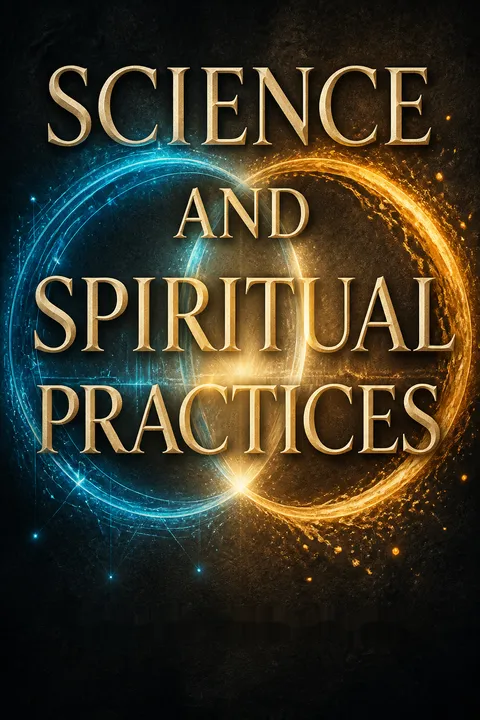
کتاب علم و تمرینهای معنوی نظرات متنوعی را به خود جلب کرده و امتیازاتی بین ۱ تا ۵ ستاره دریافت کرده است. نظرات مثبت به رویکرد شلدریک در پیوند دادن علم و معنویت اشاره دارند و آن را بینشزا و تفکر برانگیز میدانند. منتقدان بر این باورند که این کتاب از نظر علمی دقت کافی ندارد و بیش از حد به مفاهیم معنوی تکیه میکند. برخی از خوانندگان از بررسی شلدریک در مورد تمرینهایی مانند مدیتیشن، قدردانی و ارتباط با طبیعت استقبال میکنند، در حالی که دیگران محتوا را تکراری یا جانبدارانه مییابند. پذیرش این کتاب بهطور عمده به انتظارات خوانندگان و آمادگی آنها برای پذیرش ایدههای معنوی در یک زمینه علمی بستگی دارد.
دیگران نیز خواندهاند










سؤالات متداول
What's Science and Spiritual Practices about?
- Exploration of Practices: The book examines spiritual practices like meditation, gratitude, and rituals, focusing on their effects on health and consciousness.
- Science and Spirituality Integration: Rupert Sheldrake argues for a harmonious relationship between science and spirituality, suggesting they can enrich our understanding of existence.
- Personal Insights: The author shares personal experiences from exploring the intersections of science, spirituality, and nature.
Why should I read Science and Spiritual Practices?
- Holistic Perspective: The book offers insights into how spiritual practices can enhance well-being, supported by scientific research.
- Practical Advice: Readers receive guidance on incorporating spiritual practices into daily life, fostering deeper connections with themselves and the world.
- Challenge to Materialism: Sheldrake invites readers to consider alternative perspectives on consciousness, challenging the materialist worldview.
What are the key takeaways of Science and Spiritual Practices?
- Spiritual Practices' Benefits: Practices like meditation and gratitude can improve mental health and well-being, with measurable benefits such as reduced anxiety.
- Morphic Resonance: Sheldrake introduces this concept, suggesting memory is inherent in nature, influencing organisms through a collective memory.
- Nature Reconnection: The book emphasizes reconnecting with nature, advocating for a deeper appreciation of the environment for spiritual and physical health.
What are the best quotes from Science and Spiritual Practices and what do they mean?
- Exploration through Practices: "Spiritual practices help us to explore this question for ourselves," highlighting personal insights gained from spiritual engagement.
- Inclusivity of Practices: "All of them are open to Christians, Jews, Muslims, Hindus, Buddhists, animists, neo-shamans, people who are spiritual but not religious, New Agers, secular humanists, agnostics, and atheists," emphasizing the universal applicability of spiritual practices.
- Science and Religion Dichotomy: "The old-fashioned opposition between science and religion is a false dichotomy," suggesting that both can coexist and complement each other.
What is morphic resonance as defined in Science and Spiritual Practices?
- Memory in Nature: Morphic resonance posits that memory is inherent in nature, allowing organisms to draw upon a collective memory.
- Collective Influence: This concept suggests that learning and behavior are influenced by the experiences of previous generations.
- Controversial Idea: It challenges conventional scientific views on memory and learning, proposing a new understanding of organism-environment interactions.
How does meditation affect our health according to Science and Spiritual Practices?
- Stress Reduction: Meditation reduces stress levels, leading to lower blood pressure and improved mental health.
- Self-Awareness Enhancement: Regular practice increases self-knowledge and emotional awareness, aiding mental process control.
- Neuroplasticity Benefits: Studies show meditation can lead to structural brain changes, enhancing memory, emotional regulation, and attention.
What role does gratitude play in Science and Spiritual Practices?
- Emotional Well-Being: Gratitude is linked to increased happiness and life satisfaction, with grateful individuals experiencing better mental health.
- Social Connections: It fosters stronger social bonds and prosocial behavior, enhancing community ties.
- Mindset Shift: Gratitude shifts focus from entitlement to appreciation, helping individuals recognize life's positive aspects.
How does Sheldrake suggest we reconnect with the more-than-human world?
- Nature Immersion: Spending time in nature, observing interconnectedness, can be achieved through practices like forest bathing.
- Mindful Observation: Engaging with nature through mindful observation of plants and animals can lead to transformative experiences.
- Rituals and Practices: Incorporating nature-honoring rituals can help individuals feel more connected to the earth and its cycles.
What are some spiritual practices discussed in Science and Spiritual Practices?
- Meditation: Various forms, including mindfulness and mantra-based practices, are discussed for their mental and physical health benefits.
- Pilgrimages: The significance of pilgrimages in fostering spiritual growth and connection to sacred places is explored.
- Rituals: The role of rituals in connecting individuals to cultural heritage and collective memory is examined.
How does Science and Spiritual Practices address the relationship between science and spirituality?
- Complementary Perspectives: Sheldrake argues that science and spirituality can inform and enrich each other.
- Materialism Critique: The book critiques the materialist worldview, proposing a holistic understanding of consciousness.
- Experiential Knowledge: Emphasizes the importance of direct experience in both scientific and spiritual contexts.
What scientific evidence does Sheldrake provide in Science and Spiritual Practices?
- Rituals Research: Studies show rituals' positive effects on mental health, reducing anxiety and depression.
- Morphic Resonance Experiments: Experiments support morphic resonance, suggesting past experiences influence present behaviors.
- Health Benefits of Practices: Research indicates spiritual practices like meditation and gratitude improve immune function and reduce stress.
What practical advice does Sheldrake offer in Science and Spiritual Practices?
- Incorporating Rituals: Readers are encouraged to include rituals like singing and chanting in daily life for spiritual connection.
- Engaging with Nature: Spending time in nature is recommended to deepen spiritual practice and promote well-being.
- Practicing Gratitude: Emphasizes gratitude as a spiritual practice, enhancing connection to others and the universe.
درباره نویسنده
کتابهای دیگر از روپرت شلدریک


دانلود PDF
دانلود EPUB
.epub digital book format is ideal for reading ebooks on phones, tablets, and e-readers.








































