תובנות מרכזיות
1. לאמץ את מסע הריפוי העצמי והפסיכולוגיה ההוליסטית
"הריפוי הוא תהליך יומיומי. אי אפשר 'ללכת למקום' כדי להירפא; יש לפנות פנימה כדי להחלים."
כוח הבחירה. הפסיכולוגיה ההוליסטית מציעה גישה מהפכנית לרווחה נפשית, גופנית ורוחנית. היא מדגישה את התרגול היומיומי של יצירת הבריאות האישית על ידי שבירת דפוסים שליליים, ריפוי מהעבר ויצירת העצמי המודע. גישה זו מכירה בכך שהריפוי אינו יעד סופי, אלא מסע מתמשך של גילוי עצמי וצמיחה.
עקרונות מרכזיים:
- התמקדות באינטגרציה של נפש, גוף ונשמה
- העצמת הפרט להיות שותף פעיל בתהליך הריפוי שלו
- הכרה בהשפעת חוויות הילדות על התנהגות המבוגר
- הדגשת חשיבות הבחירות היומיומיות והעקיבות ביצירת שינוי מתמשך
מסע הריפוי העצמי דורש מחויבות, מודעות עצמית ונכונות להתמודד עם אמיתות לא נוחות על עצמנו. זה אינו עניין של פתרונות מהירים או פתרונות חיצוניים, אלא פיתוח כלים ומיינדסט שיאפשרו לנו להתמודד עם אתגרי החיים בעמידות ואותנטיות.
2. להבין את הקשר בין הנפש לגוף ואת ויסות מערכת העצבים
"לפתע, הבהירות התגלה: אני צריך למצוא שינוי. לא ידעתי שהתובנה הזו תוביל להתעוררות פיזית, פסיכולוגית ורוחנית ותהפוך בסופו של דבר לתנועה בינלאומית."
תיאוריית הפוליוווגאל ותגובה ללחץ. הנפש והגוף מחוברים באופן מורכב, ומערכת העצבים ממלאת תפקיד מרכזי ברווחתנו הכוללת. הבנה וויסות מערכת העצבים הם המפתח להשגת איזון וריפוי.
מושגים מרכזיים:
- תיאוריית הפוליוווגאל: מסבירה את הקשר בין המוח לגוף דרך עצב הוואגוס
- שלוש מצבי מערכת העצבים: מעורבות חברתית (בטוח), לחימה/בריחה (סכנה), והקפאה (איום על החיים)
- חשיבות טון הוואגוס בוויסות רגשי וקשר חברתי
תרגולים כמו נשימה מודעת, מדיטציה ויוגה יכולים לשפר את טון הוואגוס ולווסת את מערכת העצבים. על ידי למידה לזהות ולנהל את התגובות הפיזיולוגיות שלנו ללחץ, נוכל לבסס יסוד לרווחה רגשית ופיזית.
3. לזהות ולרפא מטראומות ילדות
"טראומה יוצרת את האמונה היסודית שעלינו לבגוד בעצמנו כדי לשרוד."
הרחבת הגדרת הטראומה. חוויות ילדות, גם אלו שאינן נחשבות באופן מסורתי לטראומטיות, יכולות להשפיע לאורך זמן על חיינו כבוגרים. זיהוי וריפוי חוויות אלו חיוניים לצמיחה אישית ורווחה.
סוגי טראומות ילדות:
- הורה שמכחיש את המציאות שלך
- הורה שאינו רואה או שומע אותך
- הורה שחי דרך עיניך או מעצב אותך
- הורה שאינו מציב גבולות
- הורה שממוקד יתר על המידה במראה החיצוני
- הורה שאינו מסוגל לווסת את רגשותיו
הריפוי מטראומות ילדות כולל הכרה בחוויות אלו, הבנת השפעתן על האמונות וההתנהגויות שלנו, ופיתוח דפוסי חשיבה ויחסים חדשים ובריאים יותר.
4. לטפח מודעות ולערער אמונות יסוד
"אנחנו לא המחשבות שלנו. אנחנו החושבים את המחשבות, לא המחשבות עצמן."
כוח המודעות העצמית. פיתוח המודעות הוא הבסיס לצמיחה ושינוי אישי. הוא כולל הפיכה למודע למחשבות, אמונות ותגובות אוטומטיות, ולמידה להפריד בין העצמי האמיתי לתגובות המותנות.
שלבים לטיפוח מודעות:
- תרגול קשיבות ומודעות לרגע הנוכחי
- זיהוי וערעור אמונות יסוד שנוצרו בילדות
- הכרה בתפקיד מערכת ההפעלה הרטיקולרית (RAS) בסינון התפיסות שלנו
- פיתוח תרגול של צפייה עצמית ללא שיפוט
על ידי טיפוח מודעות, נוכל להתחיל לערער ולשנות את האמונות המגבילות שעיצבו את חיינו, ולפתוח אפשרויות חדשות לצמיחה ומימוש עצמי.
5. להתמודד עם האגו ולפתח בגרות רגשית
"האגו, שמחובר לרעיונות, דעות ואמונות, רץ כזרם אינסופי של מחשבות ששומר אותנו כלואים בזהותנו."
הבנת האגו. האגו הוא תחושת העצמי, הזהות האישית והערך העצמי שלנו. למרות שהוא משרת פונקציה מגוננת, אגואיזם בלתי מבוקר יכול לשמר דפוסים מגבילים ולמנוע חיבור אותנטי עם אחרים.
פיתוח בגרות רגשית:
- ללמוד לצפות בתגובות האגו ללא שיפוט
- לתרגל סבילות לאי נוחות ואי וודאות
- לטפח יכולת לווסת רגשות
- לפתח אמפתיה וחמלה כלפי עצמנו ואחרים
בגרות רגשית כוללת למידה לנהל את עולמנו הרגשי במודעות וגמישות. היא מאפשרת לנו להגיב לאתגרים בחיים בחכמה וחן, במקום להגיב מפחד או הגנה.
6. לקבוע גבולות בריאים ולתרגל הורות עצמית
"גבולות מגנים עליך. הם שומרים על איזונך הפיזי. הם עוזרים לך להתחבר לעצמי האינטואיטיבי שלך והם חיוניים לחוויית אהבה אותנטית."
חשיבות הגבולות. גבולות בריאים הם הכרחיים לשמירה על תחושת העצמי וליצירת מערכות יחסים אותנטיות. הם מאפשרים לנו לכבד את הצרכים והערכים שלנו תוך כיבוד אלה של אחרים.
סוגי גבולות:
- גבולות פיזיים
- גבולות רגשיים
- גבולות מנטליים
- גבולות משאבים (זמן, אנרגיה וכדומה)
הורות עצמית: תהליך זה כולל מתן אהבה, תמיכה והכוונה לעצמנו, שאולי לא קיבלנו בילדות. הוא כולל:
- ויסות רגשי
- משמעת אוהבת
- טיפול עצמי
- גילוי מחדש של פליאה ומשחק ילדותי
על ידי קביעת גבולות בריאים ותרגול הורות עצמית, נוכל לבסס יסוד בטוח לצמיחה אישית ולמערכות יחסים אותנטיות.
7. לטפח מערכות יחסים אותנטיות ותלות הדדית
"קירבה אמיתית, כפי נגלה, כוללת שיתוף הדדי יחד עם יישום גבולות ברורים."
בניית קשרים אותנטיים. ככל שאנו מתרפאים וצומחים, אנו מסוגלים ליצור מערכות יחסים עמוקות ואותנטיות יותר עם אחרים. זה כולל מעבר לתלותיות או עצמאות נוקשה למצב של תלות הדדית בריאה.
מאפייני מערכות יחסים אותנטיות:
- כבוד ותמיכה הדדית
- תקשורת ברורה וגבולות מוגדרים
- כנות רגשית ופגיעות
- צמיחה והתפתחות משותפת
טיפוח מערכות יחסים אותנטיות מתרחב מעבר למעגל הקרוב שלנו אל הקהילה הרחבה והעולם כולו. ככל שאנו מרפאים את עצמנו, אנו תורמים לריפוי הקולקטיבי, ויוצרים אפקט גל של שינוי חיובי.
סיכום ביקורות
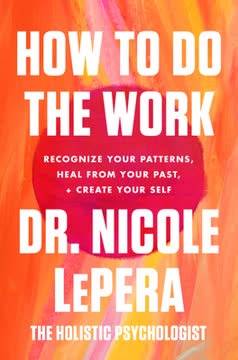
איך לעשות את העבודה זכה לביקורות מעורבות. חלק מהקוראים מצאו בו עזרה בהבנת טראומה והחלמה עצמית, ושיבחו את הגישה הנגישה ואת התרגילים המעשיים שבו. אחרים הביעו ביקורת על פישוט יתר של נושאים מורכבים, חוסר קפדנות מדעית, ועצות שעלולות להיות מזיקות. רבים מהמבקרים ציינו את הטיפול הבעייתי של המחבר בנושאי גזע וקהילות שוליות. חלקם העריכו את הגישה ההוליסטית לבריאות הנפש, בעוד שאחרים ראו בו חזרה על יסודות הפסיכולוגיה. יעילות הספר נראתה משתנה בהתאם לידע הקודם של הקוראים ולחוויותיהם האישיות עם טראומה וטיפול.
אנשים גם קראו
 חוויתי

 חוויתי
שאלות נפוצות
What's How to Do the Work about?
- Holistic Healing Approach: How to Do the Work by Nicole LePera introduces Holistic Psychology, integrating mental, physical, and spiritual wellness to emphasize the interconnectedness of mind, body, and soul.
- Self-Healing Empowerment: The book encourages readers to actively participate in their healing journey, providing tools to break negative patterns and heal from past traumas.
- Expanded Trauma Theory: LePera redefines trauma, highlighting how unresolved childhood experiences impact adult behavior and emotional health.
Why should I read How to Do the Work?
- Practical Tools: The book offers actionable exercises for self-reflection and healing, making it a practical guide for personal growth.
- Addresses Common Struggles: It resonates with those feeling stuck or anxious, providing insights into these feelings and how to address them.
- Community Support: LePera's #SelfHealers community offers a supportive environment for those on their healing journeys.
What are the key takeaways of How to Do the Work?
- Self-Healing Power: Individuals have the power to heal themselves through conscious awareness and daily practices.
- Mind-Body Connection: Understanding how trauma affects the body and mind is crucial, advocating for a holistic wellness approach.
- Inner Child Work: Meeting and nurturing your inner child helps address unresolved childhood traumas and emotional wounds.
What is Holistic Psychology as defined in How to Do the Work?
- Mind, Body, and Soul Integration: Holistic Psychology focuses on the interconnectedness of all aspects of a person to heal emotional wounds.
- Self-Healing Empowerment: It encourages taking responsibility for mental wellness and provides tools to create new habits and thought patterns.
- Daily Practice: Healing is a daily event, requiring consistent effort and engagement with one’s emotional and physical needs.
How does Nicole LePera define trauma in How to Do the Work?
- Expanded Trauma Definition: Trauma includes any negative life experience occurring in a state of helplessness, not just catastrophic events.
- Childhood Experiences Impact: Even minor childhood experiences can have lasting impacts on emotional health and behavior.
- Intergenerational Trauma: Trauma can be passed down through generations, affecting individuals, families, and communities.
What are some mind-body healing practices mentioned in How to Do the Work?
- Breathwork: Used to regulate the nervous system and promote relaxation, helping manage stress and anxiety.
- Yoga and Movement: Physical activities like yoga strengthen the mind-body connection and improve overall well-being.
- Nutrition Awareness: Consuming whole, nutrient-dense foods supports physical and emotional health.
What is the significance of the inner child in How to Do the Work?
- Inner Child Understanding: Represents the part of us holding childhood experiences, emotions, and unmet needs, crucial for healing.
- Healing Childhood Wounds: Nurturing the inner child helps address unresolved traumas and develop healthier emotional responses.
- Inner Child Archetypes: Identifying patterns like the caretaker or overachiever aids in personal healing.
How does How to Do the Work suggest practicing reparenting?
- Identify Your Needs: Recognize your physical, emotional, and spiritual needs to feel fulfilled and supported.
- Develop Loving Discipline: Establish routines and small promises to build trust and reliability in meeting your own needs.
- Engage in Self-Care: Prioritize activities that nourish the body and soul, such as meditation or creative pursuits.
What role does the ego play in How to Do the Work?
- Ego as Protector: Shapes identities and responses, often creating narratives that hinder personal growth.
- Witnessing the Ego: Encourages observing the ego without judgment to separate true self from constructed stories.
- Transforming Ego Stories: Provides strategies to shift negative ego stories into empowering narratives for self-acceptance.
How does How to Do the Work define emotional maturity?
- Tolerating Emotions: Involves processing a wide range of emotions without becoming overwhelmed, essential for healthy relationships.
- Flexible Responses: Emotionally mature individuals adapt responses to stress and challenges, avoiding impulsive reactions.
- Self-Accountability: Reflecting on actions and choices to understand their impact on oneself and others.
What are trauma bonds, and how are they addressed in How to Do the Work?
- Definition of Trauma Bonds: Unhealthy attachments formed through repeated cycles of emotional distress and unmet needs.
- Identifying Patterns: Recognizing trauma bond patterns and understanding their origins is crucial for breaking free.
- Healing Through Connection: Establishing healthy, interdependent relationships helps move beyond past experiences.
What are the best quotes from How to Do the Work and what do they mean?
- “Not everything that is faced can be changed, but nothing can be changed until it is faced.”: Emphasizes confronting issues to initiate healing and change.
- “You are your own best healer.”: Reinforces the idea of taking charge of one's healing journey.
- “Healing is a daily event.”: Highlights that healing requires continuous commitment and practice.