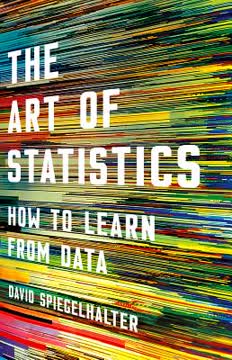
תובנות מרכזיות
1. סטטיסטיקה: האמנות של למידה מתוך נתונים
המספרים אינם יכולים לדבר בעד עצמם. אנחנו מדברים בשמם. אנחנו מעניקים להם משמעות.
תובנות מונחות-נתונים. הסטטיסטיקה היא המדע של למידה מתוך נתונים, שמטרתו להבין את העולם ולקבל החלטות טובות יותר. היא כוללת איסוף, ניתוח ופירוש של נתונים כדי להסיק מסקנות משמעותיות. התחום משלב דיוק מתמטי עם פתרון בעיות מעשי, ומאפשר לנו לחלץ תובנות חשובות מתוך מידע מורכב.
מחזור PPDAC. מסגרת יסודית בסטטיסטיקה היא מחזור PPDAC:
- בעיה: הגדרת השאלה או הנושא לטיפול
- תכנון: עיצוב המחקר או הניסוי
- נתונים: איסוף וארגון מידע רלוונטי
- ניתוח: יישום טכניקות סטטיסטיות לזיהוי דפוסים
- מסקנה: פירוש התוצאות והעברת הממצאים
גישה שיטתית זו מבטיחה שחקר סטטיסטי יהיה מובנה היטב וממוקד בפתרון בעיות מהעולם האמיתי.
2. להפוך את העולם לנתונים: אתגרים והזדמנויות
אפילו הרגשות האישיים ביותר שלנו יכולים להיות מקודדים ולהיות נתונים לניתוח סטטיסטי.
ייצוג נתונים. המרת תופעות מהעולם האמיתי לנתונים היא שלב קריטי בניתוח סטטיסטי. תהליך זה כולל הגדרת קטגוריות ברורות, מדידות ומשתנים לייצוג מציאויות מורכבות. עם זאת, המרה זו עלולה להיות מאתגרת ולעיתים שנויה במחלוקת.
אתגרים באיסוף נתונים:
- הגדרת קטגוריות מדויקות (למשל, מה נחשב "עץ"?)
- שמירה על עקביות במדידות לאורך זמן
- איזון בין פירוט לפרקטיות
- התחשבות בגורמים תרבותיים והקשריים
למרות האתגרים, היכולת לכמת ולנתח היבטים שונים של עולמנו הובילה להתקדמות משמעותית בתחומים כמו כלכלה, בריאות ומדעי החברה. המפתח הוא להיות מודעים למגבלות והנחות הטמונות בכל ייצוג נתונים.
3. הסתברות: שפת אי-הוודאות והשונות
הסתברות היא באמת רעיון קשה ולא אינטואיטיבי.
כימות אי-הוודאות. תורת ההסתברות מספקת מסגרת מתמטית להתמודדות עם אי-וודאות ושונות. היא מאפשרת לנו לחזות, להעריך סיכונים ולהסיק מסקנות מנתונים מוגבלים. הבנת ההסתברות חיונית לפרשנות תוצאות סטטיסטיות ולקבלת החלטות מושכלות.
מושגי יסוד בהסתברות:
- משתנים אקראיים והתפלגויות
- ערכים צפויים ושונות
- הסתברות מותנית
- חוק המספרים הגדולים
- משפט הגבול המרכזי
למרות שההסתברות עלולה להיראות לא אינטואיטיבית, כלים כמו עצי תדירות וייצוגים חזותיים מסייעים להפוך מושגים מורכבים לנגישים יותר. שליטה בהסתברות היא חיונית לטכניקות סטטיסטיות מתקדמות ולהערכה ביקורתית של טענות מבוססות נתונים.
4. קורלציה, סיבתיות וכוח הניסויים המקריים
קורלציה אינה מעידה על סיבתיות.
מעבר לאסוציאציה. קל למצוא קורלציות בנתונים, אך הקמת קשרים סיבתיים היא אתגר גדול יותר. מחקרים תצפיתיים חושפים אסוציאציות, אך לעיתים קרובות הן מלוות בגורמים מבלבלים. ניסויים מבוקרים אקראיים (RCT) הם הסטנדרט הגבוה ביותר לקביעת סיבתיות.
יתרונות ה-RCT:
- הקצאה אקראית מפחיתה הטיות
- קבוצות ביקורת מתחשבות באפקט הפלצבו
- הטשטשות מפחיתה הטיית הצופה
- רישום מוקדם מונע מניפולציות בנתונים
עם זאת, ניסויים כאלה אינם תמיד אפשריים או אתיים. במקרים אלו, תכנון מחקר קפדני, שליטה בגורמים מבלבלים ושימוש בטכניקות סטטיסטיות כמו התאמת ניקוד נטייה יכולים לחזק את המסקנות הסיבתיות מנתונים תצפיתיים.
5. מודלים סטטיסטיים: פישוט מציאויות מורכבות
כל המודלים שגויים, אך חלקם שימושיים.
חשיבה מבוססת מודלים. מודלים סטטיסטיים הם ייצוגים מפושטים של המציאות המסייעים לנו להבין דפוסים ולבצע תחזיות. הם נעים מרגרסיות ליניאריות פשוטות ועד אלגוריתמים מורכבים של למידת מכונה. למרות שמודלים תמיד מוגבלים, הם יכולים לספק תובנות חשובות כאשר משתמשים בהם כראוי.
היבטים מרכזיים במידול סטטיסטי:
- בחירת משתנים רלוונטיים
- הגדרת יחסים בין משתנים
- הערכת פרמטרים מתוך הנתונים
- הערכת התאמת המודל ואבחון
- הבנת מגבלות והנחות
חשוב לזכור שמודלים הם כלים להבנה, לא ייצוגים מושלמים של המציאות. המטרה היא למצוא מודלים שימושיים למטרות ספציפיות תוך מודעות למגבלותיהם.
6. סכנות ערכי P ומשבר השחזוריות
מסקנות מדעיות והחלטות עסקיות או מדיניות לא צריכות להתבסס רק על האם ערך P עובר סף מסוים.
מעבר למשמעות סטטיסטית. ערכי P שימשו זמן רב כאמצעי למדידת משמעות סטטיסטית, כאשר p < 0.05 נחשב לסף "גילוי". עם זאת, גישה זו הובילה לבעיות רבות במחקר המדעי, כולל הטיית פרסום ומשבר השחזוריות.
בעיות בערכי P:
- פרשנות שגויה של משמעותם
- ספים שרירותיים למשמעות
- עידוד מניפולציות בנתונים (p-hacking)
- התעלמות מגודל האפקט ומשמעות מעשית
כדי להתמודד עם בעיות אלו, רבים מהסטטיסטיקאים קוראים לגישות מעודנות יותר, כגון דיווח על גדלי אפקט ורווחי סמך, שימוש בשיטות בייסיאניות, והתמקדות בשכפול תוצאות במקום במחקרים בודדים.
7. חשיבה בייסיאנית: למידה מניסיון
המורשת של בייס היא התובנה היסודית שהנתונים אינם מדברים בעד עצמם – הידע החיצוני שלנו, ואפילו השיפוט שלנו, ממלאים תפקיד מרכזי.
עדכון אמונות. הסטטיסטיקה הבייסיאנית מספקת מסגרת לעדכון האמונות שלנו ככל שאנו אוספים ראיות חדשות. היא משלבת ידע קודם עם נתונים נצפים ליצירת הסתברויות פוסטיריות. גישה זו שימושית במיוחד במצבים עם נתונים מוגבלים או כשמשלבים ידע מומחה.
מושגים מרכזיים בבייסיאניות:
- התפלגויות קודמות ופוסטיריות
- פונקציית סבירות ומשפט בייס
- רווחי אמון אמינים
- השוואת מודלים באמצעות גורמי בייס
שיטות בייסיאניות מציעות גישה אינטואיטיבית יותר לאי-וודאות ויכולות להיות מועילות בתחומים כמו אבחון רפואי, שבהם הסתברויות קודמות של מחלות ידועות היטב. עם זאת, הן דורשות התייחסות זהירה להתפלגויות קודמות ועלולות להיות עתירות חישוב.
8. אתיקה בנתונים וסטטיסטיקה אחראית בעידן המודרני
חששות גוברים לגבי שימוש לרעה בנתונים אישיים, במיוחד שנאספים מחשבונות ברשתות החברתיות, הפנו את תשומת הלב להיבטים האתיים במדעי הנתונים והסטטיסטיקה.
שיקולים אתיים. ככל שהנתונים תופסים מקום מרכזי בקבלת החלטות בתחומים שונים, על סטטיסטיקאים ומדעני נתונים להתמודד עם סוגיות אתיות. זה כולל פרטיות, הוגנות, שקיפות והסיכון לשימוש לרעה בתוצאות סטטיסטיות.
אתגרים אתיים מרכזיים:
- הגנה על פרטיות הפרט בניתוחי נתונים גדולים
- הבטחת הוגנות בקבלת החלטות אלגוריתמיות
- תקשורת אי-וודאות ומגבלות הניתוחים
- התמודדות עם הטיות באיסוף וניתוח נתונים
- איזון בין יתרונות התובנות המונחות-נתונים לנזקים אפשריים
פרקטיקה סטטיסטית אחראית דורשת לא רק מומחיות טכנית, אלא גם מחויבות לעקרונות אתיים ומודעות להשפעות החברתיות הרחבות של עבודתנו. עם התפתחות התחום, שילוב האתיקה בחינוך הסטטיסטי ובפרקטיקה המקצועית נעשה חיוני מתמיד.
סיכום ביקורות
אמנות הסטטיסטיקה זוכה לשבח על גישתה המרתקת בהסברת מושגי הסטטיסטיקה ללא שימוש במתמטיקה כבדה. הקוראים מעריכים את הדוגמאות מהחיים האמיתיים ואת ההסברים הברורים לנושאים מורכבים. רבים מוצאים אותה מועילה להבנת אופן פרשנות הסטטיסטיקות בתקשורת ובמחקר. עם זאת, יש המבקרים אותה על כך שבחלקים היא בסיסית מדי ובאחרים מורכבת מדי. בסך הכל, היא מומלצת למי שמעוניין לשפר את האוריינות הסטטיסטית שלו, אף שהדעות לגבי נגישותה למתחילים מוחלטים חלוקות.
אנשים גם קראו
שאלות נפוצות
What's The Art of Statistics: Learning from Data about?
- Focus on Statistical Science: The book emphasizes the role of statistical science in understanding the world and making informed decisions based on data.
- Real-World Applications: It uses examples like Harold Shipman and child heart surgery to show how statistics can uncover truths and inform public health.
- Problem-Solving Framework: Introduces the PPDAC cycle (Problem, Plan, Data, Analysis, Conclusion) as a structured approach to statistical inquiry.
Why should I read The Art of Statistics?
- Enhance Data Literacy: It improves your ability to critically assess statistical claims and understand data implications in everyday life.
- Accessible to All: Designed for both students and general readers, it makes complex statistical concepts approachable without advanced math skills.
- Empower Decision-Making: Understanding statistical principles equips you to make informed decisions in personal and professional contexts.
What are the key takeaways of The Art of Statistics?
- Understanding Uncertainty: Emphasizes that all statistical estimates come with uncertainty, crucial for data interpretation.
- Importance of Context: Highlights how context influences data interpretation and perceptions of risk and outcomes.
- Causation vs. Correlation: Stresses the distinction between correlation and causation, a fundamental principle in statistics.
What are the best quotes from The Art of Statistics and what do they mean?
- "The numbers have no way of speaking for themselves. We speak for them.": Highlights the need for interpretation and context in deriving meaning from data.
- "All models are wrong, but some are useful.": Acknowledges the limitations of statistical models while recognizing their utility in predictions.
- "Correlation does not imply causation.": Reminds that correlation between variables does not mean one causes the other.
How does the PPDAC cycle work in The Art of Statistics?
- Structured Approach: PPDAC stands for Problem, Plan, Data, Analysis, and Conclusion, providing a systematic framework for statistical inquiries.
- Iterative Process: Each stage informs the next, allowing for continuous refinement based on findings.
- Real-World Examples: Illustrated with case studies, demonstrating its application in real-world analysis.
How does The Art of Statistics explain the difference between correlation and causation?
- Key Distinction: Emphasizes that correlation does not imply causation; other factors may influence the relationship.
- Examples Provided: Uses examples like ice cream sales and drowning rates to illustrate common misconceptions.
- Critical Thinking: Encourages critical thinking about variable relationships and seeking evidence of causation.
What is a confidence interval, as defined in The Art of Statistics?
- Definition: An estimated range within which an unknown parameter likely lies, based on observed data.
- Calculation: Typically calculated as the estimate ± a margin of error, reflecting the uncertainty of the estimate.
- Interpretation: Expresses the precision of an estimate, helping understand data reliability and variability.
What is the significance of the distinction between sample statistics and population parameters in The Art of Statistics?
- Understanding Estimates: Sample statistics estimate population parameters, crucial for accurate data interpretation.
- Uncertainty in Estimates: Discusses how sample statistics come with uncertainty, quantified using methods like bootstrapping.
- Implications for Inference: Highlights the importance of sample size and representativeness for making inferences about a population.
How does The Art of Statistics address the concept of causation?
- Causation vs. Correlation: Emphasizes careful analysis to establish causal relationships, not just correlations.
- Bradford Hill Criteria: Introduces criteria for assessing causation in observational studies, considering factors like strength and consistency.
- Importance of Randomized Trials: Advocates for randomized controlled trials as the gold standard for establishing causation.
What role does probability play in The Art of Statistics?
- Foundation for Inference: Provides the mathematical foundation for statistical inference, quantifying uncertainty and making predictions.
- Different Interpretations: Discusses classical, frequentist, and subjective approaches, highlighting their relevance in different contexts.
- Real-World Applications: Applied to scenarios like estimating unemployment rates, reinforcing its practical importance.
How does The Art of Statistics explain the concept of bootstrapping?
- Resampling Technique: Described as a method of repeatedly sampling from a dataset with replacement to estimate variability.
- Confidence Intervals: Used to create confidence intervals, enhancing understanding of uncertainty in sample statistics.
- No Strong Assumptions: Does not require strong assumptions about population distribution, making it a flexible tool.
What are some common pitfalls in statistical practice highlighted in The Art of Statistics?
- Questionable Research Practices: Discusses issues like selective reporting and P-hacking, leading to misleading conclusions.
- Publication Bias: Highlights the problem of publication bias, skewing scientific literature and misleading future research.
- Misinterpretation of Results: Warns against confusing correlation with causation or overgeneralizing from small samples.