मुख्य बातें
1. सात चक्र: मानव चेतना का मानचित्र
"मनुष्य एक इंद्रधनुष है, जिसमें सातों रंग एक साथ होते हैं।"
ऊर्जा केंद्र। सात चक्र मानव शरीर के भीतर चेतना और ऊर्जा के विभिन्न स्तरों का प्रतिनिधित्व करते हैं। प्रत्येक चक्र हमारे शारीरिक, भावनात्मक और आध्यात्मिक पहलुओं से जुड़ा होता है:
- मूलाधार (जड़): अस्तित्व, स्थिरता, आधार
- स्वाधिष्ठान (स्वर): सृजनात्मकता, कामुकता, भावनाएँ
- मणिपूर (सूर्यग्रन्थि): व्यक्तिगत शक्ति, इच्छा, आत्म-सम्मान
- अनाहत (हृदय): प्रेम, करुणा, संबंध
- विशुद्ध (कंठ): संचार, आत्म-अभिव्यक्ति
- आज्ञा (तीसरी आँख): अंतर्ज्ञान, बुद्धि, दृष्टि
- सहस्रार (सिर): आध्यात्मिक संबंध, प्रबोधन
विकास यात्रा। जब हम इन चक्रों के माध्यम से आगे बढ़ते हैं, तो हम बुनियादी जीवित रहने की आवश्यकताओं से लेकर उच्चतर चेतना के स्तरों तक विकसित होते हैं, अंततः ब्रह्मांड के साथ एकता की अवस्था तक पहुँचते हैं।
2. तंत्र: जागरूकता के माध्यम से मुक्ति का मार्ग
"तंत्र स्वतंत्रता है – सभी मानसिक संरचनाओं से, सभी मानसिक खेलों से; सभी ढांचों से, दूसरों से स्वतंत्रता।"
धर्म से परे। तंत्र पारंपरिक धर्म नहीं है, बल्कि आध्यात्मिक विकास का एक क्रांतिकारी तरीका है जो जीवन के सभी पहलुओं को स्वीकार करता है। यह समाजिक बंधनों और मानसिक सीमाओं से मुक्ति दिलाने का प्रयास करता है जो हमारी संभावनाओं को रोकती हैं।
समग्रता को अपनाना। तांत्रिक मार्ग साधकों को प्रोत्साहित करता है कि वे:
- अपने सभी पहलुओं को स्वीकारें और एकीकृत करें, जिनमें समाज द्वारा "नकारात्मक" माने जाने वाले भी शामिल हैं
- हर क्षण और क्रिया में जागरूकता विकसित करें
- सामान्य अनुभवों को आध्यात्मिक विकास के अवसरों में बदलें
अद्वैत दृष्टिकोण। तंत्र सिखाता है कि सब कुछ दिव्य चेतना का प्रकट रूप है, जिससे पवित्र और अपवित्र के बीच का भेद समाप्त हो जाता है।
3. पुरुष और स्त्री ऊर्जा का आंतरिक मिलन
"आदम के भीतर ईव है, और ईव के भीतर आदम। वास्तव में, कोई केवल आदम नहीं है और कोई केवल ईव नहीं है, हम आदम-ईव हैं।"
आंतरिक संतुलन। प्रत्येक व्यक्ति में पुरुष और स्त्री दोनों ऊर्जा होती हैं, जिन्हें योग दर्शन में इडा (स्त्री) और पिंगला (पुरुष) नाड़ियों द्वारा दर्शाया गया है। आध्यात्मिक विकास का अर्थ है इन आंतरिक विरोधाभासों का सामंजस्य स्थापित करना।
द्वैत से परे। अंतिम लक्ष्य है इन विपरीत शक्तियों को अपने भीतर एकीकृत करना, जिससे पूर्णता और अद्वैत की स्थिति प्राप्त हो। यह आंतरिक मिलन सुषुम्ना नामक केंद्रीय नाड़ी द्वारा प्रतीकात्मक रूप से दर्शाया जाता है, जिसके माध्यम से कुंडलिनी ऊर्जा उठती है।
संबंध दर्पण हैं। बाहरी संबंध अक्सर हमारे भीतर पुरुष और स्त्री ऊर्जा के संतुलन या असंतुलन को प्रतिबिंबित करते हैं। आंतरिक सामंजस्य पर काम करके हम अपने बाहरी संबंधों को सुधार सकते हैं और इसके विपरीत भी।
4. अहंकार से परे: द्वैत से एकता की ओर
"जब आप एक व्यक्ति होते हैं, जब आपका विभाजन समाप्त हो जाता है और आप एक साथ जुड़ जाते हैं, तब सब कुछ जुड़ जाता है।"
विभाजन से परे। अहंकार स्वयं और अन्य, विषय और वस्तु के बीच एक विभाजन की भावना पैदा करता है। आध्यात्मिक अभ्यास का उद्देश्य इस माया को समाप्त करना है, जिससे सभी अस्तित्व की एकता प्रकट होती है।
बोध के चरण:
- अहंकार की सीमाओं को पहचानना
- साक्षी चेतना का विकास
- विचारों और भावनाओं से पहचान का धीरे-धीरे विघटन
- अद्वैत जागरूकता का अनुभव
विरोधाभासी सत्य। जैसे-जैसे कोई अहंकार से ऊपर उठता है, वह अधिक प्रामाणिक रूप से स्वयं बनता है और साथ ही सभी अस्तित्व के साथ अपनी एकता को भी समझता है।
5. श्वास और ऊर्जा संचयन की शक्ति
"यदि आप सही तरीके से सांस लेते हैं, तो आपका प्राणमय कोश स्वस्थ, पूर्ण और जीवित रहता है।"
जीवन शक्ति। प्राण, या जीवन ऊर्जा, श्वास से गहराई से जुड़ी है। सचेत श्वास अभ्यास इस महत्वपूर्ण ऊर्जा को शरीर और ऊर्जा प्रणाली में संचालित करने में मदद करते हैं।
ऊर्जा संचयन की तकनीकें:
- प्राणायाम: विभिन्न योगिक श्वास अभ्यास
- क़िगोंग: ताओवादी ऊर्जा अभ्यास
- ध्यान: श्वास की सजग जागरूकता
ऊर्जा संचयन के लाभ:
- जीवन शक्ति और स्वास्थ्य में वृद्धि
- मानसिक स्पष्टता और एकाग्रता में सुधार
- गहरे आध्यात्मिक अनुभव और अंतर्दृष्टि
- चक्रों की सक्रियता और संतुलन
6. ध्यान: आंतरिक संभावनाओं को खोलने की कुंजी
"ध्यान केवल स्थूल से सूक्ष्म की ओर पुल बनाने का माध्यम है।"
चेतना का द्वार। ध्यान चेतना का अन्वेषण और विस्तार करने का एक शक्तिशाली साधन है, जो साधकों को गहरे स्तर की जागरूकता और अंतर्दृष्टि तक पहुँचने में सक्षम बनाता है।
प्रगतिशील चरण:
- विश्राम और एकाग्रता
- सजगता और वर्तमान क्षण की जागरूकता
- विचारों और भावनाओं का साक्षी बनना
- सूक्ष्म चेतना की अवस्थाओं तक पहुँच
- अद्वैत जागरूकता और आध्यात्मिक बोध
दैनिक जीवन में समाकलन। अंतिम लक्ष्य ध्यान में विकसित गुणों—जैसे उपस्थिति, स्पष्टता और करुणा—को रोज़मर्रा की गतिविधियों और संबंधों में लाना है।
7. कामुक ऊर्जा को आध्यात्मिक विकास में बदलना
"काम केवल सहस्रार की एक झलक है।"
पवित्र कामुकता। तंत्र कामुक ऊर्जा को एक शक्तिशाली शक्ति के रूप में देखता है जिसे आध्यात्मिक विकास और परिवर्तन के लिए निर्देशित किया जा सकता है। कामुक इच्छाओं को दबाने या अंधाधुंध भोग करने के बजाय, साधक इस ऊर्जा के साथ सचेत रूप से काम करना सीखते हैं।
परिवर्तन की तकनीकें:
- कामुक अनुभवों के दौरान जागरूकता विकसित करना
- कामुक ऊर्जा को चक्रों के माध्यम से ऊपर की ओर निर्देशित करना
- गैर-वीर्य स्खलन आनंद का अभ्यास (पुरुषों के लिए)
- हृदय-केंद्रित प्रेम को कामुक जुनून के साथ जोड़ना
चेतना का विस्तार। कामुक ऊर्जा के साथ कुशलतापूर्वक काम करके, साधक चेतना की विस्तारित अवस्थाओं का अनुभव कर सकते हैं और अंततः सभी अस्तित्व की दिव्य प्रकृति को समझ सकते हैं।
8. आध्यात्मिक अभ्यास में संतुलन और समाकलन का महत्व
"तंत्र कहता है कि यदि आप व्यवस्थित हैं, तो पूरी दुनिया आपके लिए व्यवस्थित है।"
समग्र दृष्टिकोण। तंत्र जीवन के सभी पहलुओं को आध्यात्मिक अभ्यास में समाहित करने पर जोर देता है, न कि किसी तत्व को अस्वीकारने या दबाने पर।
संतुलन और समाकलन के मुख्य क्षेत्र:
- शरीर और मन
- भावना और बुद्धि
- पुरुष और स्त्री ऊर्जा
- आध्यात्मिक अभ्यास और सांसारिक जुड़ाव
- व्यक्तिगत विकास और दूसरों की सेवा
अत्यधिकता से बचाव। तांत्रिक मार्ग तपस्या या भोग के अतिवाद से बचने की सलाह देता है, और जीवन को पूरी तरह अपनाते हुए जागरूकता और विवेक बनाए रखने का मध्य मार्ग अपनाने की वकालत करता है।
9. भय को पार करना और जीवन के प्राकृतिक प्रवाह को अपनाना
"मृत्यु से मत डरो। ये दो भय हैं जो मानवता पर हावी हैं: कामुकता का भय और मृत्यु का भय।"
दुख के मूल कारण। भय, विशेषकर मृत्यु और कामुकता का भय, आध्यात्मिक विकास और पूर्णता में बड़ी बाधा है। ये भय अक्सर सामाजिक conditioning और हमारी सच्ची प्रकृति की सीमित समझ से उत्पन्न होते हैं।
स्वीकारोक्ति के माध्यम से मुक्ति:
- अपने भय को सीधे स्वीकारना और सामना करना
- जीवन और मृत्यु के प्राकृतिक प्रवाह पर विश्वास विकसित करना
- कामुकता को अस्तित्व का पवित्र और प्राकृतिक हिस्सा मानना
- व्यक्तिगत अहंकार की चिंताओं से परे व्यापक दृष्टिकोण विकसित करना
पूर्ण जीवन। इन गहरे भय को पार करके, हम अधिक प्रामाणिक, उत्साही और जीवन तथा ब्रह्मांड की लय के साथ सामंजस्यपूर्ण जीवन जी सकते हैं।
10. अंतिम लक्ष्य: ब्रह्मांडीय चेतना की प्राप्ति
"यह वह लक्ष्य है जिसे हर कोई किसी न किसी रूप में खोज रहा है। तंत्र इसे प्राप्त करने के लिए सबसे विश्वसनीय विज्ञान है; यही लक्ष्य है।"
एकता चेतना। तांत्रिक अभ्यास का अंतिम उद्देश्य अपनी असली प्रकृति को शुद्ध जागरूकता के रूप में समझना है, जो सभी अस्तित्व में व्याप्त ब्रह्मांडीय चेतना से अविभाज्य है।
बोध के चरण:
- अहंकार आधारित धारणा की सीमाओं से जागरूक होना
- विभिन्न अभ्यासों के माध्यम से चेतना का क्रमिक विस्तार
- अद्वैत जागरूकता और ब्रह्मांडीय एकता के अनुभव
- प्रबुद्ध दृष्टि का स्थिरीकरण और समाकलन
प्रबोधन में जीवन। लक्ष्य केवल ब्रह्मांडीय चेतना के अस्थायी अनुभव प्राप्त करना नहीं, बल्कि इस बोध को दैनिक जीवन में आत्मसात करना है, जिससे हम ज्ञान, करुणा और सहज आनंद के साथ संसार से जुड़ सकें।
समीक्षा सारांश
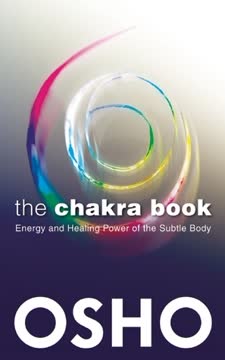
द चक्र पुस्तक को अधिकांश पाठकों से सकारात्मक समीक्षाएँ प्राप्त हुई हैं, जो इसके चक्रों, ऊर्जा क्षेत्रों और आध्यात्मिक अवधारणाओं की गहन समझ की प्रशंसा करते हैं। कई पाठक इसे ज्ञानवर्धक और परिवर्तनकारी मानते हैं, और ओशो के मनोविज्ञान, आध्यात्म और व्यक्तिगत विकास पर अनूठे दृष्टिकोण की सराहना करते हैं। कुछ पाठकों का कहना है कि पुस्तक की गहराई ऐसी है कि इसे पूरी तरह समझने के लिए कई बार पढ़ना आवश्यक है। हालांकि, कुछ आलोचक कुछ विचारों से असहमत हैं या कुछ अंशों को विवादास्पद मानते हैं। कुल मिलाकर, यह पुस्तक चक्रों को समझने और उनके व्यक्तिगत विकास में भूमिका को समग्र रूप से प्रस्तुत करने के लिए अत्यंत मूल्यवान मानी जाती है।
लोग यह भी पढ़ते हैं




 इमर्सिव

अक्सर पूछे जाने वाले प्रश्न
What is "The Chakra Book: Energy and Healing Power of the Subtle Body" by Osho about?
- Exploration of Chakras and Energy: The book provides a comprehensive exploration of the chakra system, subtle bodies, and the flow of energy within the human being, drawing from Eastern spiritual traditions.
- Experiential Approach: Osho emphasizes the importance of direct experience over theoretical or borrowed knowledge regarding chakras, kundalini, and esoteric subjects.
- Integration of Meditation and Life: The book offers practical guidance on meditation, self-awareness, and living in harmony with the natural cycles of life, using the chakras as a map for personal transformation.
- Cultural and Individual Differences: Osho discusses how different cultures and individuals may experience chakras differently, and warns against rigidly following ancient scriptures without personal experience.
Why should I read "The Chakra Book" by Osho?
- Unique Perspective: Osho provides a fresh, non-dogmatic perspective on chakras, blending ancient wisdom with modern psychological insights.
- Practical Guidance: The book offers practical meditation techniques and advice for personal growth, healing, and self-realization.
- Holistic Understanding: Readers gain a holistic understanding of the human energy system, including the interplay between body, mind, and spirit.
- Emphasis on Experience: Osho encourages readers to trust their own experiences rather than rely solely on external authorities or traditions.
What are the key takeaways from "The Chakra Book" by Osho?
- Experience Over Knowledge: True understanding of chakras and energy comes from personal experience, not from intellectual study or memorization of ancient texts.
- Chakras as a Map: The chakras represent different levels of consciousness and stages of human development, from basic survival to spiritual enlightenment.
- Individual Variation: The number, location, and experience of chakras can vary between individuals and cultures; there is no single "correct" system.
- Integration and Wholeness: Spiritual growth involves integrating all aspects of oneself—body, mind, emotions, and spirit—rather than denying or suppressing any part.
How does Osho define and describe the chakras in "The Chakra Book"?
- Energy Centers: Chakras are described as whirling energy fields or wheels located along the spine, each associated with different aspects of life and consciousness.
- No Fixed Number: Osho notes that different traditions count different numbers of chakras (seven, nine, dozens), and that the important thing is personal experience, not dogma.
- Key Chakras Highlighted: He emphasizes four main chakras—sex center (life), hara (death), heart (love), and agna (forehead, transition to divinity)—with the crown chakra (sahasrar) as the ultimate, but rarely experienced in ordinary life.
- Cultural Context: The recognition and emphasis on certain chakras can differ by culture, as seen in the Japanese focus on the hara center.
What is Osho’s advice on learning about chakras and esoteric knowledge?
- Avoid Borrowed Knowledge: Osho warns against acquiring secondhand or theoretical knowledge about chakras, as it can create confusion and hinder genuine spiritual growth.
- Trust Direct Experience: He encourages readers to meditate and allow experiences of energy and chakras to arise naturally, without preconceived expectations.
- Individual Path: Each person’s experience of chakras may be unique, influenced by their body, culture, and life circumstances.
- Scriptures as Personal: Osho suggests that the only scripture truly relevant to you is the one written by your own experience.
How does "The Chakra Book" by Osho relate chakras to the stages of human life?
- Seven-Year Cycles: Osho describes human life as unfolding in seven-year cycles, each corresponding to different developmental stages and associated chakras.
- Natural Progression: He outlines how energy and focus shift from self-centeredness in childhood, to sexuality in adolescence, ambition in young adulthood, and eventually to spiritual inquiry and renunciation in later life.
- Integration with Aging: The book connects the awakening and transformation of chakras with the natural aging process, suggesting that spiritual growth is a lifelong journey.
- Cultural Conditioning: Osho discusses how societal attitudes toward sex, ambition, and aging can either support or hinder the natural unfolding of chakras.
What are the seven subtle bodies and their relationship to chakras in "The Chakra Book"?
- Seven Layers of Being: Osho describes seven subtle bodies (physical, etheric, astral, mental, spiritual, cosmic, nirvanic), each with its own energy dynamics and corresponding chakras.
- Polarity and Breath: Each body has its own form of incoming and outgoing energy, analogous to the breath in the physical body, and these polarities are essential for life and consciousness.
- Transcendence Through Witnessing: By becoming a witness to the processes in each body, one can transcend that layer and move to a higher level of consciousness.
- Ultimate Oneness: Beyond the seventh body lies bodilessness or pure being, where all dualities and polarities dissolve.
How does Osho compare different spiritual maps (Yoga, Tantra, Buddhism) for understanding chakras?
- Multiple Systems: The book compares Hindu, Buddhist, Jaina, and Sufi systems, each with their own chakra maps and emphases.
- No Absolute System: Osho stresses that these are all useful tools or maps, but none are absolute; they are shaped by cultural, historical, and individual factors.
- Integration of Approaches: He encourages readers to use whatever system resonates with them, but to remain open and flexible, integrating insights from various traditions.
- Focus on Experience: The ultimate test of any map is whether it helps you experience deeper awareness and transformation.
What practical meditation techniques does Osho offer in "The Chakra Book"?
- Chakra Breathing Meditation: A dynamic meditation using deep, rapid breathing and body movement to activate and bring awareness to each chakra.
- Chakra Sounds Meditation: A practice using vocal sounds and music to open and harmonize the chakras, either by making sounds or listening and feeling the vibrations.
- Emphasis on Active Meditations: Osho’s methods often involve movement, sound, and breath to help modern people release tension and access deeper states of stillness.
- Guidance for Practice: The book provides detailed instructions for these meditations, including the use of music, body posture, and visualization.
What is Osho’s view on the relationship between sex, energy, and spiritual transformation in "The Chakra Book"?
- Sex as Foundation: Osho sees the sex center as the root of life energy, and does not advocate repression but conscious transformation of sexual energy.
- From Sex to Samadhi: He describes a natural progression from sexual experience to higher forms of love, creativity, and ultimately spiritual awakening.
- Dangers of Suppression: Suppressing sex or misusing sexual energy can lead to neurosis, perversion, or stagnation in spiritual growth.
- Tantra and Integration: Osho draws on Tantra to show how sexual energy can be transmuted through meditation and awareness, leading to the flowering of higher chakras.
What are some of the best quotes from "The Chakra Book" by Osho and what do they mean?
- "Energy fields, chakras, and all the esoteric things should be experienced. And keep your mind clean of all knowledge so that you don’t have any expectation; wherever the experience happens, you are ready to accept it."
Meaning: Direct experience is more valuable than theoretical knowledge; openness and receptivity are essential for spiritual growth. - "A real man of religion lives the whole rainbow, from the rock to God – from no-mind on this end to the no-mind on the other end. He is the whole spectrum."
Meaning: True spirituality involves embracing and integrating all aspects of oneself, not denying or suppressing any part. - "The scripture that is for you can be written only by you, by your own experience."
Meaning: Personal experience is the ultimate authority on your spiritual path, not external texts or teachers. - "If you live in the moment totally, then there is no need to worry for the future. A rightly lived childhood brings you to a right, ripe youth – flowing, vital, alive, a wild ocean of energy."
Meaning: Living fully in each stage of life leads to natural, harmonious development and spiritual maturity.
How does "The Chakra Book" by Osho address common misconceptions and pitfalls about chakras and spiritual practice?
- Myth of Fixed Systems: Osho dispels the idea that there is a single, correct number or location of chakras, emphasizing individual variation and experience.
- Dangers of Imagination: He warns against creating imaginary chakras or experiences based on what one has read or been told, as this can lead to self-deception.
- Pitfalls of Repression: The book highlights the dangers of repressing natural energies (especially sexual energy) and the importance of conscious transformation.
- Avoiding Spiritual Ego: Osho cautions against becoming attached to spiritual experiences or powers (siddhis), as these can become obstacles to true realization.
What is the ultimate goal or vision of "The Chakra Book" by Osho?
- Self-Realization: The ultimate aim is to awaken to one’s true nature, beyond all chakras, bodies, and dualities, experiencing oneness with existence.
- Living in Awareness: Osho envisions a life lived in total awareness, integration, and celebration, where every aspect of being is embraced and transformed.
- Freedom from Conditioning: The book encourages liberation from societal, cultural, and psychological conditioning, allowing for authentic self
लेखक के बारे में
अन्य किताबें — ओशो
 इमर्सिव