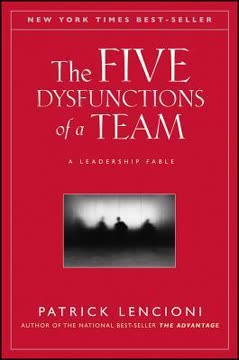
Punti chiave
1. La fiducia è la base del lavoro di squadra efficace
La fiducia è la certezza, tra i membri di un team, che le intenzioni dei colleghi siano sincere e che non ci sia motivo di essere diffidenti o cauti all’interno del gruppo.
La vulnerabilità costruisce fiducia. Nei team ad alte prestazioni, i membri si sentono a proprio agio nell’essere aperti riguardo alle proprie debolezze, errori e preoccupazioni. Questa fiducia basata sulla vulnerabilità crea un ambiente in cui ciascuno può concentrarsi sul compito senza sprecare energie in autodifesa o giochi politici.
La fiducia favorisce la produttività. Quando i membri del team si fidano l’uno dell’altro:
- chiedono aiuto senza esitazioni
- offrono feedback costruttivi liberamente
- apprezzano e valorizzano le competenze e le esperienze altrui
- concedono il beneficio del dubbio ai colleghi
- si concentrano sulle questioni importanti, evitando le dinamiche politiche interne
Per costruire fiducia, i team possono svolgere esercizi come condividere storie personali, discutere punti di forza e debolezze individuali e utilizzare test di personalità. Queste attività aiutano a comprendere ed empatizzare con gli altri, abbattendo barriere e favorendo un clima di fiducia.
2. Il conflitto sano è essenziale per la crescita e l’innovazione del team
È importante distinguere il conflitto ideologico produttivo dalla lotta distruttiva e dalle dinamiche politiche personali.
Accogliere il conflitto produttivo. I team che si confrontano in modo sano su idee e concetti tendono a prendere decisioni migliori e a risolvere problemi più efficacemente. Questo tipo di conflitto si concentra sulle questioni, non sulle persone, e permette di esplorare prospettive diverse.
I vantaggi del conflitto sano:
- riunioni vivaci e coinvolgenti
- rapida risoluzione di questioni critiche
- sfruttamento delle idee e dei punti di vista di tutti i membri
- riduzione di politica interna e attacchi personali
- miglioramento di innovazione e creatività
Per favorire il conflitto produttivo, i leader dovrebbero:
- riconoscere che il conflitto è necessario e benefico
- dare l’esempio con comportamenti appropriati
- permettere la risoluzione naturale dei disaccordi senza interventi prematuri
- utilizzare tecniche per far emergere e affrontare conflitti nascosti
- concedere il permesso in tempo reale di dibattere in modo costruttivo
3. L’impegno nasce dalla chiarezza e dall’adesione, non dal consenso
I grandi team prendono decisioni chiare e tempestive e procedono con il pieno sostegno di tutti i membri, anche di chi ha votato contro.
Chiarezza e adesione alimentano l’impegno. I team che raggiungono alti livelli di impegno prendono decisioni rapidamente e con sicurezza, anche senza informazioni perfette o consenso totale. Questo approccio consente un’esecuzione più veloce e la possibilità di cambiare rotta se necessario.
Aspetti chiave per favorire l’impegno:
- ascoltare e considerare tutte le opinioni
- evitare la ricerca del consenso che può portare a decisioni annacquate
- prendere decisioni con coraggio, anche con informazioni incomplete
- creare una cultura in cui i membri sostengono le decisioni, anche se inizialmente contrari
- riconoscere che persone ragionevoli non hanno bisogno di imporre la propria volontà per aderire
I leader possono promuovere l’impegno:
- incoraggiando il dibattito aperto prima delle decisioni
- fissando scadenze chiare per le decisioni
- allineando il team su obiettivi comuni
- rivedendo le decisioni chiave a fine riunione per assicurare chiarezza
- seguendo i membri per rafforzare il loro impegno
4. La responsabilità rafforza le prestazioni e i rapporti
Coinvolgendo il conflitto produttivo e valorizzando le opinioni dei membri, un team può impegnarsi con fiducia in una decisione sapendo di aver beneficiato delle idee di tutti.
La responsabilità tra pari è fondamentale. Nei team ad alte prestazioni, i membri si tengono reciprocamente responsabili degli impegni e dei comportamenti. Questa responsabilità condivisa crea una cultura di alti standard e rafforza l’impegno verso gli obiettivi comuni.
Caratteristiche di team con forte responsabilità:
- i membri affrontano rapidamente comportamenti non produttivi dei colleghi
- c’è rispetto per chi richiama su questioni di performance
- la pressione a migliorare viene dai pari, non solo dai leader
- i membri offrono aiuto a chi fatica
- il team non si affida solo al leader per la disciplina
Per favorire la responsabilità:
- pubblicare obiettivi e standard del team
- effettuare revisioni regolari dei progressi
- incoraggiare feedback reciproci
- affrontare subito gli impegni mancati
- premiare chi tiene gli altri responsabili
5. Concentrarsi sui risultati collettivi più che sul successo individuale
La mancanza di attenzione ai risultati si verifica quando i membri antepongono bisogni individuali (ego, carriera, riconoscimenti) o di reparto agli obiettivi collettivi del team.
Dare priorità al successo del team. I team ad alte prestazioni si focalizzano sui risultati collettivi piuttosto che sui successi individuali o di singole divisioni. Questo impegno condiviso favorisce la collaborazione e previene comportamenti distruttivi legati ad agende personali.
Caratteristiche di team orientati ai risultati:
- i membri sono disposti a fare sacrifici per il successo comune
- gli individui riconoscono volentieri i meriti altrui
- il team è lento a cercare riconoscimenti per sé
- i membri sono focalizzati sui risultati e evitano distrazioni
- morale e produttività crescono con il progresso verso gli obiettivi
Per creare un team orientato ai risultati:
- dichiarare pubblicamente gli obiettivi desiderati
- legare premi e riconoscimenti ai successi del team
- affrontare chi mette i propri interessi davanti a quelli comuni
- ridurre comportamenti individualistici
- creare una cultura di proprietà collettiva e responsabilità condivisa
6. Superare le cinque disfunzioni per costruire un team coeso
Come una catena si spezza se anche un solo anello è rotto, il lavoro di squadra si deteriora se una disfunzione viene lasciata prosperare.
Affrontare tutte e cinque le disfunzioni. Le cinque disfunzioni di un team—assenza di fiducia, paura del conflitto, mancanza di impegno, evitamento della responsabilità e disattenzione ai risultati—sono interconnesse. Superarle richiede un approccio olistico che le affronti sistematicamente.
Passi per costruire un team coeso:
- Stabilire fiducia attraverso vulnerabilità e apertura
- Incoraggiare conflitti sani sulle idee
- Favorire impegno con chiarezza e adesione
- Implementare responsabilità tra pari
- Concentrarsi sui risultati collettivi
Strumenti e tecniche per migliorare il team:
- esercizi di storie personali
- esercizi di efficacia del team
- valutazioni di personalità e comportamento
- feedback a 360 gradi
- formazione sulla risoluzione dei conflitti
- sistemi di definizione e monitoraggio degli obiettivi
7. La leadership ha un ruolo cruciale nel favorire l’efficacia del team
L’azione più importante che un leader deve compiere per costruire fiducia nel team è mostrare per primo la propria vulnerabilità.
Guidare con l’esempio. I leader hanno un impatto significativo sulle dinamiche e sull’efficacia del team. Modellando i comportamenti desiderati e creando un ambiente che supporta il lavoro di squadra, possono condurre i propri gruppi verso alte prestazioni.
Responsabilità chiave della leadership:
- mostrare vulnerabilità per costruire fiducia
- incoraggiare e facilitare conflitti produttivi
- prendere decisioni tempestive per favorire l’impegno
- tenere i membri responsabili
- mantenere il focus del team sui risultati collettivi
Strategie di leadership per lo sviluppo del team:
- organizzare regolarmente esercizi di team building
- fornire direzione e aspettative chiare
- offrire feedback costruttivi e riconoscimenti
- affrontare prontamente comportamenti disfunzionali
- investire nello sviluppo delle competenze dei membri
- creare occasioni di collaborazione e coesione tra i membri
Altri hanno letto anche



 Immersivi
 Immersivi




FAQ
What's "The Five Dysfunctions of a Team" about?
- Leadership Fable: The book is a leadership fable that explores the challenges of building a cohesive team. It uses a fictional story to illustrate real-world team dynamics.
- Five Dysfunctions Model: It introduces a model that identifies five dysfunctions that prevent teams from working effectively: absence of trust, fear of conflict, lack of commitment, avoidance of accountability, and inattention to results.
- Practical Solutions: The book provides practical solutions and strategies to overcome these dysfunctions, aiming to help teams achieve better results.
- Broader Application: While focused on executive teams, the principles can be applied to any group working together, from small departments to large organizations.
Why should I read "The Five Dysfunctions of a Team"?
- Improve Team Dynamics: The book offers insights into common team challenges and provides actionable strategies to improve team dynamics and performance.
- Leadership Development: It is particularly useful for leaders who want to foster a more cohesive and effective team environment.
- Engaging Storytelling: The fable format makes complex concepts accessible and engaging, allowing readers to relate to the characters and scenarios.
- Universal Principles: The principles discussed are applicable across various industries and team settings, making it a valuable resource for anyone involved in teamwork.
What are the key takeaways of "The Five Dysfunctions of a Team"?
- Trust is Foundational: Building trust among team members is crucial for overcoming other dysfunctions and fostering open communication.
- Embrace Conflict: Healthy conflict is necessary for effective decision-making and should be encouraged rather than avoided.
- Commitment and Accountability: Teams must commit to decisions and hold each other accountable to achieve collective goals.
- Focus on Results: The ultimate measure of a team's success is its ability to achieve results, which requires prioritizing team goals over individual interests.
What are the five dysfunctions according to Patrick Lencioni?
- Absence of Trust: This dysfunction arises from team members' unwillingness to be vulnerable and open with one another.
- Fear of Conflict: Without trust, teams are unable to engage in healthy, productive conflict, leading to artificial harmony.
- Lack of Commitment: A lack of conflict prevents team members from fully committing to decisions, resulting in ambiguity.
- Avoidance of Accountability: Without commitment, team members are less likely to hold each other accountable for their actions.
- Inattention to Results: When accountability is lacking, team members may prioritize personal goals over team objectives.
How does Patrick Lencioni suggest building trust within a team?
- Vulnerability-Based Trust: Team members must be willing to be vulnerable, admitting weaknesses and mistakes without fear of reprisal.
- Personal Histories Exercise: Sharing personal stories and backgrounds can help team members relate to each other on a human level.
- Behavioral Profiles: Tools like the Myers-Briggs Type Indicator can help team members understand and empathize with each other's differences.
- Leader's Role: Leaders must model vulnerability and create an environment where it is safe for team members to do the same.
What strategies does "The Five Dysfunctions of a Team" offer for encouraging healthy conflict?
- Mining for Conflict: Designate a team member to bring up and address buried disagreements to ensure they are resolved.
- Real-Time Permission: Encourage team members to remind each other that conflict is necessary and productive during discussions.
- Conflict Mode Instruments: Use tools like the Thomas-Kilmann Conflict Mode Instrument to understand and manage different conflict styles.
- Leader's Restraint: Leaders should allow conflict to occur naturally and not intervene prematurely, fostering a culture of open debate.
How can teams ensure commitment according to "The Five Dysfunctions of a Team"?
- Clarity and Buy-In: Ensure that all team members understand and agree on decisions, even if they initially disagreed.
- Cascading Messaging: Review key decisions at the end of meetings to ensure alignment and consistent communication to the rest of the organization.
- Deadlines and Contingency Plans: Set clear deadlines for decisions and discuss worst-case scenarios to reduce fear and encourage decisiveness.
- Leader's Role: Leaders must push for closure and be comfortable with making decisions that may later prove to be wrong.
What role does accountability play in overcoming team dysfunctions?
- Peer Accountability: Team members should hold each other accountable for performance and behavior, reducing reliance on the leader for discipline.
- Public Goals and Standards: Clearly define and communicate team goals and standards to eliminate ambiguity and encourage accountability.
- Regular Progress Reviews: Conduct frequent check-ins to discuss progress and address any issues before they escalate.
- Leader's Role: Leaders should encourage peer accountability and step in only when necessary to maintain high standards.
How does "The Five Dysfunctions of a Team" define a focus on results?
- Collective Goals: Teams must prioritize collective goals over individual or departmental interests to achieve success.
- Public Declaration of Results: Making public commitments to specific results can motivate teams to work passionately toward achieving them.
- Results-Based Rewards: Tie rewards to the achievement of team goals to reinforce the importance of focusing on results.
- Leader's Role: Leaders must set the tone by valuing results above all else and ensuring that team members do the same.
What are the best quotes from "The Five Dysfunctions of a Team" and what do they mean?
- "Teamwork is the ultimate competitive advantage." This quote emphasizes the power of teamwork in achieving success and outpacing competitors.
- "Trust is the foundation of real teamwork." It highlights the importance of trust as the basis for all other team dynamics.
- "Conflict is not a bad thing." This quote challenges the common perception of conflict as negative, advocating for its role in healthy decision-making.
- "A decision is better than no decision." It underscores the importance of decisiveness and the willingness to commit to a course of action.
How does the fable format enhance the understanding of team dysfunctions?
- Relatable Characters: The fictional story allows readers to see themselves and their teams in the characters, making the concepts more relatable.
- Real-World Application: By illustrating the dysfunctions in a realistic setting, the fable demonstrates how they manifest in everyday team interactions.
- Engaging Narrative: The story format keeps readers engaged, making it easier to absorb and remember the lessons.
- Practical Examples: The fable provides concrete examples of how to address dysfunctions, offering a blueprint for real-world application.
What is the role of the leader in addressing the five dysfunctions?
- Modeling Behavior: Leaders must model the behaviors they want to see, such as vulnerability, conflict engagement, and accountability.
- Creating a Safe Environment: Leaders should foster an environment where team members feel safe to express themselves and take risks.
- Encouraging Accountability: Leaders must encourage team members to hold each other accountable and step in when necessary.
- Focusing on Results: Leaders should prioritize team results over individual achievements and ensure that the team remains aligned with its goals.