重要ポイント
1. 感情を生み出すのは外部の出来事ではなく、あなたの思考である
「あなたが今感じている感情は、まさにこの瞬間に考えている思考によって生まれている。」
感情の認知モデル。 認知療法の核心は、私たちの感情は人生の出来事そのものによって直接引き起こされるのではなく、それらの出来事に対する解釈によって生まれるということだ。つまり、同じ状況に直面しても、人によってまったく異なる感情を抱くのは、その人の思考が異なるからである。
知覚の力。 私たちの知覚が感情の現実を形作る。たとえば、職場で批判を受けたとき、「これは自分が無能だという証拠だ」と考えれば打ちひしがれるかもしれないが、「これは成長のチャンスだ」と捉えればやる気が湧くかもしれない。この思考と感情のつながりを理解することで、感情体験を変える力を得ることができる。
実践的な意義。 この原則は、感情のコントロールを可能にする。外部の状況に振り回されるのではなく、自分の思考パターンを見極め、修正することでより良い感情状態を作り出せるのだ。これは現実を否定したり無理にポジティブ思考を強いることではなく、よりバランスの取れた現実的な視点を育てることを意味する。
2. 認知の歪みを見つけて挑戦し、気分を改善する
「うつ病は感情障害ではない!あなたの抱くすべての悪い感情は、歪んだ否定的思考の結果だ。」
よくある認知の歪み。 バーンズ博士は、否定的感情を助長する代表的な歪んだ思考パターンを以下のように挙げている。
- 白黒思考(全か無か)
- 過度の一般化
- 心のフィルター
- ポジティブな面の否定
- 早合点
- 拡大解釈または過小評価
- 感情的推論
- 「~すべき」思考
- レッテル貼り
- 個人化
歪みの認識。 これらの歪みを克服する第一歩は、自分の思考の中にそれらがあることに気づくことだ。特に気分が落ち込んだり動揺したときに、自分の思考を観察する習慣をつけることが求められる。
歪んだ思考への挑戦。 歪みを見つけたら、次はより合理的でバランスの取れた思考でそれに挑む。これは否定的思考を非現実的なポジティブ思考に置き換えるのではなく、より正確で役立つ思考に変えることを意味する。「三段階思考法」などの技法がこの過程で役立つ。
3. 自己肯定感は成果ではなく自己受容によって築く
「成果に基づく自己価値は『偽りの自尊心』であり、本物ではない!」
条件付き自己価値の危険性。 多くの人は、成果や外見、他者の承認に自己肯定感を依存している。これは、挫折や批判に弱い脆い自己価値感を生み出す。
自己受容を基盤に。 真の自己肯定感は、成果や失敗に関わらず、自分自身を無条件に受け入れることから生まれる。これは改善すべき点を無視することではなく、人間としての本質的な価値を認めることだ。
自己受容を実践する方法。 本物の自己肯定感を育むためには、
- 否定的な自己対話に挑戦する
- 他者との比較ではなく自己成長に焦点を当てる
- 自己慈悲を実践する
- 自分の長所を認識し感謝する
- 現実的な目標を設定し、小さな成功を祝う
4. 動機を待つのではなく、行動によってうつを克服する
「動機は先に来るものではない、行動が先だ!」
動機の神話。 多くの人は、行動する前に動機が必要だと信じている。しかしこれは、行動しない悪循環と気分の悪化を招くことが多い。
行動が動機を生む。 実際には、小さな一歩でも行動することで動機が生まれ、気分が改善される。なぜなら、
- 行動は達成感をもたらす
- 悪循環の思考や反芻を断ち切る
- ポジティブな経験をもたらし気分を高める
行動を促す戦略。
- タスクを小さく分割する
- 「日々の活動スケジュール」を使って計画と記録を行う
- 現実的な目標を設定し達成を自分で報酬とする
- 「2分ルール」などの反遅延テクニックを活用する
- 結果よりも過程に注目する
5. 批判や不承認に対して自己価値を失わずに対処する
「人生で一度も、他人の批判的な言葉に少しも動揺しなかったことはない。」
批判の捉え直し。 批判が心を傷つけるのは、それを真実として受け入れ、自己価値を決めてしまうからだ。他者の意見はあくまで意見に過ぎないと認識すれば、不承認に直面しても自己肯定感を保てる。
批判への対処法。
- 「武装解除テクニック」を使い、批判の中の真実を見つけつつ内面化しない
- 批判者の視点に共感を持つ
- 行動への批判と人格への批判を分けて考える
- 批判を成長と学びの機会とする
内的承認の構築。 最終的には、他者の承認に依存しない強い自己価値感を育てることが目標だ。自己受容を実践し、自分の経験や感情を自分で認める力を養う。
6. 他者からの絶え間ない愛情と承認への依存を克服する
「愛は大人の人間にとって必須のニーズではない!」
承認依存の問題。 多くの人は、幸せになるために他者からの絶え間ない愛情や承認が必要だと信じている。これが不安やうつ、満たされない人間関係を生む依存を生み出す。
承認欲求への挑戦。 バーンズ博士は、愛や承認は心地よいものの、大人の幸福や健康に必須ではないと説く。これを理解することで、外部の承認への依存から自由になれる。
自立を育む方法。
- 一人で楽しめる活動を実践する
- 他者の承認ではなく、自分の目標や基準を設定する
- 自分の感情や経験を自分で認める力を養う
- 多様な興味や人間関係を育てる
- 自己慈悲と自己受容を実践する
7. キャリアの成果を超えた成功と自己価値の再定義
「あなたの仕事はあなたの価値ではない。」
成果の罠。 特に西洋文化では、多くの人が自己価値をキャリアの成果と結びつけている。これが過労や燃え尽き、挫折で崩れやすい脆い自己肯定感を生む。
成功の定義を広げる。 真の充実は、以下を含むバランスの取れた生活から生まれる。
- 意味のある人間関係
- 個人的成長と学び
- 他者への貢献
- 楽しみと余暇
- 身体的・精神的健康
- 自分の価値観との整合
実践的なステップ。
- 自己価値を成果に結びつける信念を見直し挑戦する
- キャリア以外の複数の生活領域で目標を設定する
- マインドフルネスを実践し現在を味わう
- 本当に大切なことを定期的に振り返る
- キャリア以外の成果や長所を祝福する
8. 共感とアサーティブネスで怒りを効果的に管理する
「怒りも他の感情と同様に、あなたの認知によって生まれる。」
怒りの理解。 怒りは不公平や不正の知覚によって引き起こされることが多い。しかし、怒りを生むのは出来事そのものではなく、それに対する解釈である。
共感は解毒剤。 相手の視点を理解しようとすることで、怒りを和らげることができる。これは悪い行動を許すことではなく、相手の人間性を認めることだ。
アサーティブなコミュニケーション。 怒りを抑え込んだり爆発させたりするのではなく、自分のニーズや境界を明確かつ敬意を持って伝える技術を学ぶ。具体的には、
- 「私」メッセージで感情を表現する
- 性格攻撃ではなく具体的な行動に焦点を当てる
- 不満だけでなく解決策を提案する
- 相手の話を積極的に聴く
- 可能な場合は妥協点を探る
9. 現実的な思考で喪失や変化に対処する
「悲しみは、喪失や失望をゆがめずに描写する現実的な知覚によって生まれる正常な感情である。」
悲しみと抑うつの区別。 悲しみは喪失に対する正常で健康的な反応だが、抑うつは感情的苦痛を増幅し長引かせる歪んだ思考を伴うことが多い。
変化と喪失の受容。 現実的な思考とは、
- 喪失の現実を認める
- 判断せずに悲しみを感じることを許す
- 変化が人生の自然な一部であると理解する
- 困難な経験の中に意味や成長の機会を見出す
対処法。
- マインドフルネスを実践し、感情に圧倒されずに今に留まる
- 「すぐに回復すべき」という非現実的な期待に挑戦する
- ルーティンやセルフケアを維持する
- 他者の支援を求めつつ自立も育てる
- 現状でコントロール可能なことに焦点を当てる
10. メンタルヘルス維持のためにセルフケアと自己慈悲を実践する
「あなたの価値は、あなたの行動によって得られるものではない。」
セルフケアの重要性。 メンタルヘルスは身体の健康と同様に継続的なメンテナンスが必要であり、身体的・感情的・心理的なニーズに注意を払うことが求められる。
自己慈悲と自己批判の違い。 多くの人は自分に厳しくすることで改善すると信じているが、研究は自己慈悲の方が動機づけや回復力に効果的であることを示している。
実践的なセルフケアの方法。
- 睡眠、栄養、運動を優先する
- 時間とエネルギーを守るために境界を設定する
- 瞑想や深呼吸などのリラクゼーション技術を取り入れる
- 喜びや意味を感じる活動に参加する
- 支え合える人間関係を育む
- 感謝の気持ちやポジティブな自己対話を定期的に行う
- 必要に応じて専門家の助けを求める
レビューまとめ
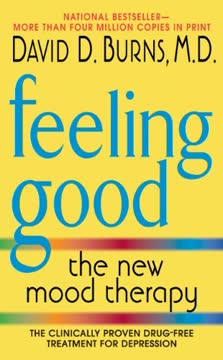
『Feeling Good』は賛否両論の評価を受けた。本書は認知行動療法への親しみやすいアプローチと、うつ病や不安の管理に役立つ実践的なエクササイズが多くの読者にとって人生を変えるものと称賛された。バーンズの文体やユーモアを評価する声もあった。一方で、内容が古く感じられる、繰り返しが多い、あるいは単純化しすぎていると批判する意見も存在した。トーンが上から目線に感じられたり、例示が現実的でないと指摘する読者もいた。それでもなお、多くの読者は特に認知行動療法の概念に初めて触れる人にとって、有益な自己啓発書として推薦している。
他の人が読んだ本
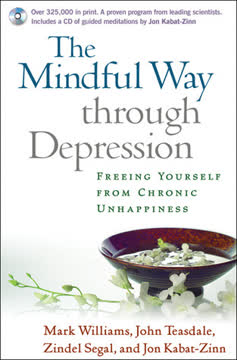

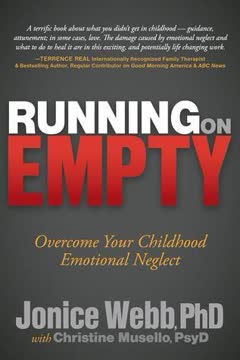

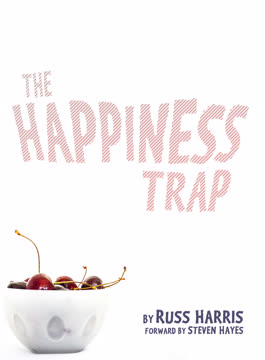
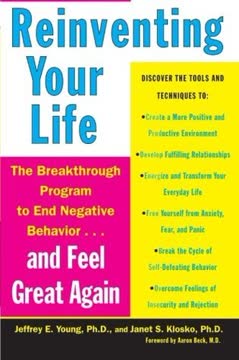


よくある質問
What's Feeling Good: The New Mood Therapy about?
- Focus on Cognitive Therapy: The book emphasizes cognitive therapy as a method to combat depression by changing negative thought patterns. It presents depression as a treatable condition through understanding and modifying these thoughts.
- Understanding Depression: Dr. Burns explores the nature of depression, including its symptoms and causes, and explains how cognitive distortions impact mood. He provides tools to help individuals recognize and modify these thoughts.
- Practical Techniques: The book offers practical exercises and self-help strategies, such as the triple-column technique and Daily Activity Schedule, to empower readers to take control of their mental health.
Why should I read Feeling Good: The New Mood Therapy?
- Proven Effectiveness: The book is based on cognitive therapy principles that have been shown to be effective in treating depression. Studies indicate significant improvement in mood for many readers.
- Accessible Self-Help: Written in an engaging and straightforward style, it provides a clear, step-by-step guide to understanding and overcoming depression, making it accessible to anyone struggling with negative emotions.
- Empowerment Through Knowledge: By learning to challenge negative thoughts, readers can develop a greater sense of self-esteem and autonomy, leading to lasting changes in how one perceives themselves and their circumstances.
What are the key takeaways of Feeling Good: The New Mood Therapy?
- Thoughts Create Feelings: The book emphasizes that "your feelings result from the messages you give yourself," highlighting the connection between thoughts and emotions.
- Cognitive Distortions: Identifying and challenging cognitive distortions, such as all-or-nothing thinking and overgeneralization, is crucial for recovery from depression.
- Action Leads to Motivation: Dr. Burns stresses that "motivation follows action," encouraging readers to take small steps to increase motivation and improve mood.
What are the best quotes from Feeling Good: The New Mood Therapy and what do they mean?
- "Your feelings result from the messages you give yourself.": This quote highlights the power of self-talk and its impact on emotions, emphasizing that changing thoughts can lead to improved feelings.
- "Motivation follows action.": Suggests that taking action, even when unmotivated, can lead to increased motivation, encouraging readers to start small and build momentum.
- "You don't have to earn love or respect on the treadmill.": Emphasizes that self-worth is not contingent on achievements or external validation, encouraging intrinsic value.
What are cognitive distortions according to Feeling Good: The New Mood Therapy?
- Negative Thinking Patterns: Cognitive distortions are irrational or exaggerated thought patterns that contribute to negative emotions, leading to a skewed perception of reality.
- Common Examples: Includes all-or-nothing thinking, overgeneralization, and personalization, which reinforce feelings of hopelessness and despair.
- Impact on Mental Health: These distortions perpetuate cycles of depression and anxiety, making it essential to identify and counteract them for improved mental health.
How does Feeling Good: The New Mood Therapy differentiate between sadness and depression?
- Normal vs. Pathological: Sadness is a normal emotional response to loss, while depression is characterized by persistent negative thoughts and feelings.
- Impact of Thoughts: Depression results from distorted thinking patterns, leading to feelings of hopelessness and worthlessness, unlike sadness.
- Emotional Function: Sadness can enhance one's humanity, while depression often leads to paralysis and despair, highlighting the need for treatment.
What specific methods does Dr. Burns recommend in Feeling Good?
- Triple-Column Technique: Involves writing down negative thoughts, identifying cognitive distortions, and substituting them with rational responses to challenge negative self-talk.
- Daily Activity Schedule: Encourages planning daily activities to combat do-nothingism, boosting a sense of accomplishment through task completion.
- Pleasure-Predicting Sheet: Helps individuals predict satisfaction from activities, encouraging engagement even when motivation is low.
How can I improve my self-esteem according to Feeling Good: The New Mood Therapy?
- Talk Back to Your Inner Critic: Use the triple-column technique to challenge negative self-talk and replace it with rational, self-affirming statements.
- Practice Self-Endorsement: Regularly acknowledge accomplishments, no matter how small, to counteract the tendency to disqualify positive experiences.
- Engage in Activities: Schedule enjoyable and productive activities using the Daily Activity Schedule to boost mastery and self-esteem.
How does Feeling Good: The New Mood Therapy address the fear of criticism?
- Empathy Technique: Suggests using empathy to understand the critic's perspective, defusing anger and allowing for constructive conversation.
- Disarming Technique: Recommends agreeing with the critic respectfully to lower tensions, encouraging collaboration rather than confrontation.
- Feedback and Negotiation: After disarming, express your viewpoint and negotiate differences, promoting healthier dialogue and mutual understanding.
What is the Lethargy Cycle described in Feeling Good: The New Mood Therapy?
- Cycle of Negative Thoughts: Illustrates how negative thoughts lead to feelings of inadequacy and inaction, resulting in a cycle of inactivity.
- Emotional Consequences: Leads to feelings of boredom, apathy, and self-hatred, perpetuating the cycle of inactivity.
- Breaking the Cycle: Recognizing and actively engaging in tasks can disrupt the pattern, leading to increased energy and productivity.
How can I apply the double-column technique from Feeling Good: The New Mood Therapy?
- Recording Thoughts: Write down negative automatic thoughts in the left-hand column to become aware of specific thoughts triggering negative emotions.
- Challenging Distortions: In the right-hand column, write rational responses to counter negative thoughts, challenging their validity.
- Regular Practice: Make this exercise a routine to reinforce healthier thinking patterns, improving emotional management and mental health.
How can I prevent future episodes of depression after reading Feeling Good: The New Mood Therapy?
- Identify Silent Assumptions: Use book techniques to uncover and challenge assumptions predisposing you to depression, key for prevention.
- Practice Cognitive Techniques: Regularly apply cognitive techniques like the double-column method to manage negative thoughts and reinforce healthier patterns.
- Engage in Self-Care: Prioritize activities promoting emotional well-being, such as exercise and social connections, enhancing resilience against depression.