重要ポイント
1. セルフコンパッション:自己価値と感情的幸福への革新的アプローチ
セルフコンパッションは、終わりのない肯定的・否定的な自己評価の荒波から逃れられる静かな島のようなものであり、「自分はあの人たちと同じくらい優れているのか?十分なのか?」という問いをようやく手放せる場所を提供する。
新たなパラダイム。 セルフコンパッションは、自己肯定感を追い求め続ける従来の考え方に対する根本的な代替案を示す。外部の基準や他者との比較に基づいて自分の価値を絶えず評価するのではなく、失敗や困難に直面したときにこそ、自分自身に対して優しさと理解をもって接することを意味する。このアプローチは、達成や欠点にかかわらず、人間としての本質的な価値を認めるものである。
セルフコンパッションの利点。 研究によれば、セルフコンパッションは以下と関連している。
- 感情的な回復力の向上
- 不安や抑うつの軽減
- 人間関係の改善
- 動機づけと自己成長の促進
- 全体的な幸福感と生活満足度の向上
セルフコンパッションを受け入れることで、破壊的な自己評価の連鎖から解放され、自分自身や経験に対してよりバランスの取れた充実した関わり方を見つけることができる。
2. セルフコンパッションの三要素:優しさ、共通の人間性、マインドフルネス
自分に対して思いやりを持つためには、まず自分が苦しんでいることを認識しなければならない。感じられないものは癒せない。
優しさ。 これは、親しい友人に接するのと同じ温かさ、配慮、理解を自分に向けることを意味する。厳しい自己批判の代わりに、困難に対して穏やかな励ましと支援で応じる。
共通の人間性。 不完全さや苦しみが人間共通の経験であることを認識することで、孤立感が和らぐ。誰もが挑戦や失敗を経験していると理解する。
マインドフルネス。 思考や感情を抑えたり誇張したりせず、明晰かつバランスよく観察すること。マインドフルネスは、過度の反芻や自己憐憫に陥ることなく痛みを認めることを可能にする。
これら三つの要素が連携し、人生の困難により容易に、かつ回復力をもって立ち向かうための思いやりの心を育む。
3. セルフコンパッションと自己肯定感:より健全な自己価値への道
自己批判が「自分は十分か?」と問うのに対し、セルフコンパッションは「自分にとって何が良いか?」と問う。
自己肯定感の限界:
- 比較や評価に基づく
- 不安定で外的要因に左右されやすい
- ナルシシズムや防衛的態度を招くことがある
- 失敗や困難の際に機能しにくい
セルフコンパッションの利点:
- 無条件で安定した自己価値の源泉
- 分離ではなくつながりを促進する
- 失敗からの成長と学びを促す
- 困難な時期に慰めと支えを提供する
セルフコンパッションは、伝統的な自己肯定感よりも信頼性が高く持続可能な自己価値の基盤を提供する。欠点を非難せずに認めつつ、成長と改善への動機づけをもたらす。
4. 不完全さを受け入れる:セルフコンパッションが成長と回復力を育む理由
半端な努力では、何らかの失敗は避けられない。
人間の過ちを受け入れる。 セルフコンパッションは、失敗や挫折が人間であることの自然な一部であると認識する。自分の不完全さを受け入れることで、成長と学びのための安全な空間を作り出す。
失敗から学ぶ。 自分の欠点を責めるのではなく、好奇心と開かれた心で失敗に向き合うことを可能にする。この心構えは、
- 新しい挑戦やリスクを取る意欲の向上
- 挫折に対する回復力の強化
- 失敗から学び改善する能力の向上
優しさと理解をもって自分に接することで、困難や失敗に直面しても自己成長と発展を支える内的環境を整える。
5. 人間関係と子育てにおけるセルフコンパッションの力
人間である以上、時には過ちを犯す。ある一人を裁くことは世界すべてを裁くことだが、一人を許すことは世界すべてを許すこと、つまり自分自身も含めて許すことだ。
人間関係の改善。 セルフコンパッションは、以下の点で他者とのつながりを深める。
- 対立時の防衛的態度や非難の軽減
- 他者の視点への共感と理解の増加
- 感情的な開放性と親密さの促進
思いやりある子育て。 セルフコンパッションを子育てに応用することで、
- 子どもに健全な自己関係のモデルを示す
- 親のストレスや燃え尽き症候群を軽減する
- より養育的で支え合う家庭環境を作る
セルフコンパッションを育むことで、忍耐と理解、愛情をもって人間関係や子育ての課題に対応できるようになる。
6. セルフコンパッションを育てる:実践的なエクササイズと技法
苦痛から解放される唯一の方法は、そのままの状態でそれと共にいることだ。抜け出す唯一の道は通り抜けること。
セルフコンパッション・ブレイク。 困難な状況に直面したとき、
- 痛みを認める:「これは苦しみの瞬間だ」
- 共通の人間性を認識する:「苦しみは人生の一部だ」
- 自分に優しさを向ける:「この瞬間、自分に優しくあれ」
ラビング・カインドネス瞑想。 自分や他者に向けて善意の願いを送る練習。
- 「安全でありますように、平和でありますように、健康でありますように、安らかに生きられますように」
- これを愛する人、知人、すべての存在に広げる。
セルフコンパッショネート・レター。 思いやりある友人の視点から、自分の現在の苦悩に対して理解と支援を込めた手紙を書く。
これらの練習を定期的に行うことで、時間をかけてより思いやり深い心を育むことができる。
7. ネガティビティの変容:セルフコンパッションで感情的課題を乗り越える
自分に思いやりをもって接することで、否定的な感情を温かい感覚で包み込むことができる。
マインドフルな気づき。 難しい感情を判断せずに認める。身体のどこに感じるかを特定する。
なだめるタッチ。 手を胸に当てるか、優しく自分を抱きしめてケアシステムを活性化し、オキシトシンを放出する。
思いやりのある自己対話。 同じ状況にある親しい友人に話しかけるように、自分に優しく理解をもって語りかける。
リフレーミング。 困難な経験の中に学びや成長の機会を見出す。状況が共通の人間経験とどのように結びつくかを考える。
セルフコンパッションをもって否定的な感情に向き合うことで、困難な経験との関係を変え、より感情的なバランスを得ることができる。
8. セルフコンパッションを動機づけに:厳しい自己批判なしに目標を達成する
セルフコンパッションは、否定的な感情を嫌悪的に追い払うこともしない。
内発的動機づけ。 セルフコンパッションは、失敗への恐れや厳しい自己評価ではなく、自分自身への真の思いやりに基づく成長と改善への欲求を育てる。
学習目標とパフォーマンス目標。 セルフコンパッションを持つ人は、自己価値を証明するための成果よりも、学びと個人的成長に焦点を当てる傾向がある。
挫折に対する回復力。 セルフコンパッションは、失敗を自己価値の指標ではなく学びの機会と捉え、粘り強さと適応力を促進する。
自己批判ではなくセルフコンパッションによって自分を動機づけることで、より熱意と回復力をもって目標に取り組み、長期的な成功を収めることができる。
9. セルフコンパッションの喜び:受容と感謝を通じて幸福を見いだす
自己への感謝は、謙虚にすべての創造物を讃える。
感謝の育成。 自分や人生の良い面を定期的に認め感謝することで、幸福感とウェルビーイングが大きく高まる。
ポジティブな経験の味わい。 心地よい瞬間をじっくり味わい楽しむことで、全体的な喜びと満足感が増す。
受容と成長のバランス。 セルフコンパッションは、自分をありのままに受け入れつつも改善を目指す、よりバランスの取れた自己成長のアプローチを可能にする。
セルフコンパッションを受け入れることで、困難や不完全さの中にあっても、より大きな喜び、感謝、満足を人生に開くことができる。
レビューまとめ
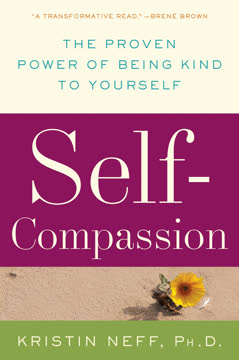
『セルフ・コンパッション――自分に優しくすることの科学的効果』は賛否両論の評価を受けた。多くの読者はその洞察に満ちた内容と人生を変える力を称賛し、実践的なエクササイズや自己への優しさを重視する点を高く評価している。本書の核心である「自分に思いやりを持つこと」のメッセージは、多くの人々の共感を呼んだ。一方で、文章が繰り返しに感じられるとの指摘や、時折批判的に響くトーンに対する懸念もあった。また、自閉症や体重に関する著者のアプローチについて疑問を呈する声も存在する。とはいえ、これらの批判を踏まえつつも、多くのレビューアーは自己への思いやりの重要性を認め、本書の教えに価値を見出している。
他の人が読んだ本
 イマーシブ
イマーシブ

 イマーシブ
イマーシブ
よくある質問
What's Self-Compassion: The Proven Power of Being Kind to Yourself about?
- Focus on Self-Compassion: The book emphasizes self-compassion as a healthier alternative to self-esteem, teaching readers to treat themselves with kindness and understanding.
- Core Components: Kristin Neff outlines three core components: self-kindness, common humanity, and mindfulness, which are essential for emotional resilience and well-being.
- Practical Exercises: It includes exercises and practices to help readers cultivate self-compassion in their daily lives, aiding in recognizing and responding to personal suffering with care.
Why should I read Self-Compassion by Kristin Neff?
- Mental Health Benefits: The book provides insights into reducing anxiety and depression through self-compassion, leading to fewer negative emotions and less rumination.
- Transformative Approach: It offers a way to embrace personal shortcomings and failures, shifting from self-criticism to self-acceptance.
- Empowerment: Practicing self-compassion empowers readers to navigate life's challenges with greater ease and resilience.
What are the key takeaways of Self-Compassion?
- Self-Kindness Over Self-Judgment: Emphasizes treating oneself with kindness rather than harsh criticism, improving emotional well-being.
- Common Humanity: Recognizes suffering as a universal experience, fostering connection and reducing feelings of isolation.
- Mindfulness Practice: Encourages observing thoughts and feelings without judgment, aiding in compassionate responses to difficult emotions.
What are the best quotes from Self-Compassion and what do they mean?
- “Suffering is part of life.”: Highlights the inevitability of suffering, encouraging acceptance of pain as a normal part of life.
- “The only way out is through.”: Emphasizes facing emotions rather than avoiding them, leading to healing and growth.
- “We are healed from suffering only by experiencing it to the full.”: Suggests true healing comes from fully acknowledging and experiencing pain.
How does self-compassion differ from self-esteem according to Kristin Neff?
- Focus on Worthiness: Self-esteem relies on comparisons and achievements, while self-compassion recognizes inherent human worth.
- Response to Failure: Self-esteem can lead to worthlessness in failure, whereas self-compassion encourages learning without harsh judgment.
- Emotional Stability: Self-compassion provides a stable sense of self-worth, less affected by external circumstances.
What are the core components of self-compassion as defined in Self-Compassion?
- Self-Kindness: Involves treating oneself with care and understanding during difficult times, avoiding harsh criticism.
- Common Humanity: Emphasizes recognizing that all humans are imperfect and suffering is shared, fostering connection.
- Mindfulness: Involves being aware of thoughts and feelings without judgment, allowing compassionate responses.
What practical exercises does Self-Compassion offer?
- Self-Compassion Scale: Allows readers to assess their level of self-compassion and track progress.
- Letter Writing Exercise: Involves writing a letter to oneself from a compassionate friend's perspective to cultivate self-kindness.
- Mindfulness Practices: Includes exercises like body scans and noting practice to increase emotional awareness and compassion.
How can self-compassion improve emotional resilience according to Kristin Neff?
- Buffer Against Negative Emotions: Self-compassionate individuals experience fewer negative emotions and less rumination.
- Encourages Healthy Coping: Fosters a kind relationship with oneself, promoting healthier coping strategies and preventing burnout.
- Promotes Acceptance: Helps individuals accept imperfections and life's challenges, reducing stress impact.
What role does mindfulness play in self-compassion as per Self-Compassion?
- Awareness of Present Moment: Mindfulness allows observation of thoughts and feelings without judgment, creating space for self-compassion.
- Prevents Overidentification: Helps avoid becoming overly identified with negative emotions, promoting emotional stability.
- Enhances Self-Compassion Practices: Mindfulness practices like meditation aid in developing a compassionate mindset.
How does Self-Compassion suggest dealing with difficult emotions?
- Acknowledge and Accept: Encourages acknowledging difficult emotions as moments of suffering, accepting them as part of the human experience.
- Practice Self-Kindness: Involves comforting oneself and recognizing that everyone experiences pain.
- Use Mindfulness Techniques: Techniques like body scans help process emotions without overwhelm, promoting compassionate responses.
How can self-compassion improve relationships according to Self-Compassion?
- Enhances Communication: Self-compassionate individuals communicate needs and feelings better, reducing defensive reactions.
- Reduces Conflict: Fosters emotional safety, reducing conflict escalation and promoting understanding.
- Promotes Mutual Support: Encourages supporting partners meaningfully, extending compassion to others.
How does Self-Compassion address the fear of self-indulgence?
- Misconception of Self-Compassion: Clarifies that self-compassion is about promoting growth and well-being, not laziness.
- Motivation from Love, Not Fear: Emphasizes motivation through love, leading to healthier behaviors and choices.
- Long-Term Well-Being: Encourages choices supporting long-term well-being over short-term gratification, fostering true benefit.