Ključne ugotovitve
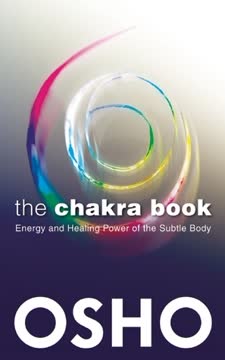
1. Sedem čakr: Zemljevid človeške zavesti
"Človek je mavrica, vse sedem barv skupaj."
Energetska središča. Sedem čakr predstavlja različne ravni zavesti in energije v človeškem telesu. Vsaka čakra je povezana s specifičnimi telesnimi, čustvenimi in duhovnimi vidiki našega bitja:
- Muladhara (Korenska): Preživetje, prizemljenost, stabilnost
- Svadhishthana (Sakralna): Ustvarjalnost, spolnost, čustva
- Manipura (Solarni pleksus): Osebna moč, volja, samospoštovanje
- Anahata (Srčna): Ljubezen, sočutje, povezanost
- Vishuddha (Grlena): Komunikacija, samoizražanje
- Ajna (Tretje oko): Intuicija, modrost, vpogled
- Sahasrara (Krona): Duhovna povezanost, razsvetljenje
Evolucijska pot. Ko napredujemo skozi čakre, se razvijamo od osnovnih potreb po preživetju do višjih stanj zavesti, vse do doseganja enotnosti s kozmosom.
2. Tantra: Pot osvoboditve skozi zavedanje
"Tantra je svoboda – svoboda od vseh miselnih konstrukcij, od vseh miselnih iger; svoboda od vseh struktur, svoboda od drugega."
Onkraj religije. Tantra ni običajna religija, temveč radikalen pristop k duhovni rasti, ki sprejema vse vidike življenja. Njena naloga je osvoboditi posameznike od družbenih pogojevanj in miselnih omejitev, ki zadržujejo njihov potencial.
Sprejemanje celovitosti. Tantrična pot spodbuja praktike, da:
- sprejmejo in vključijo vse dele sebe, tudi tiste, ki jih družba označuje za "negativne"
- razvijajo zavedanje v vsakem trenutku in dejanju
- preoblikujejo običajne izkušnje v priložnosti za duhovno rast
Nedualna perspektiva. Tantra uči, da je vse manifestacija božanske zavesti, s čimer odpravi ločitev med svetim in profanim.
3. Notranja združitev moške in ženske energije
"Adam ima v sebi Evo, in Eva ima v sebi Adama. Pravzaprav nihče ni samo Adam in nihče ni samo Eva, smo Adam-Eve."
Notranje ravnovesje. Vsak posameznik nosi v sebi moške in ženske energije, ki jih v jogijski filozofiji predstavljata ida (ženska) in pingala (moška) nadi. Duhovna rast pomeni uskladiti te notranje polaritete.
Preseganje dualnosti. Končni cilj je združiti nasprotni sili v sebi, kar vodi v stanje celovitosti in nedualnosti. Ta notranja združitev je simbolizirana s centralnim kanalom sushumno, po katerem se dviga kundalini energija.
Odnosi kot ogledala. Zunanji odnosi pogosto odražajo naše notranje ravnovesje ali neravnovesje med moško in žensko energijo. Z delom na notranji harmoniji lahko izboljšamo tudi zunanje odnose in obratno.
4. Preseganje ega: Od dualnosti k enotnosti
"Ko si posameznik, ko je tvoja delitev izginila in si povezan, potem je vse povezano."
Onkraj ločenosti. Ego ustvarja občutek ločenosti med jazom in drugim, med subjektom in objektom. Duhovna praksa si prizadeva raztopiti to iluzorno mejo in razkriti temeljno enotnost vsega obstoja.
Stopnje spoznanja:
- Prepoznavanje omejitev ega
- Razvijanje zavesti opazovalca
- Postopna razgradnja identifikacije z mislimi in čustvi
- Izkušnja nedualne zavesti
Paradoksalna resnica. Ko presežemo ego, postanemo paradoksalno bolj pristno to, kar smo, hkrati pa spoznamo svojo enotnost z vsem obstojem.
5. Moč diha in gojenje energije
"Če dihaš pravilno, tvoj pranamay koš ostane zdrav, cel in živ."
Življenjska sila. Prana, življenjska energija, je tesno povezana z dihom. Zavestne dihalne tehnike pomagajo gojiti in usmerjati to vitalno silo po telesu in energetskem sistemu.
Tehnike za gojenje energije:
- Pranayama: različne jogijske dihalne vaje
- Qigong: taoistične energetske prakse
- Meditacija: zavestno opazovanje diha
Koristi gojenja energije:
- Povečana vitalnost in dobro počutje
- Izboljšana mentalna jasnost in osredotočenost
- Globlje duhovne izkušnje in vpogledi
- Aktivacija in uravnoteženje čakr
6. Meditacija: Ključ do odklepa notranjega potenciala
"Meditacija je le sredstvo za ustvarjanje mostu od grobega k subtilnemu."
Vhod v zavest. Meditacija je močno orodje za raziskovanje in širjenje zavesti, ki omogoča dostop do globljih ravni zavedanja in vpogleda.
Napredne stopnje:
- Sprostitev in koncentracija
- Pozornost in zavedanje sedanjega trenutka
- Opazovanje misli in čustev
- Dostop do subtilnejših stanj zavesti
- Nedualna zavest in duhovna realizacija
Vključevanje v vsakdanje življenje. Končni cilj je prenesti kvalitete, razvite med meditacijo – kot so prisotnost, jasnost in sočutje – v vsakodnevne dejavnosti in odnose.
7. Preobrazba spolne energije v duhovno rast
"Seks je le utrip sahasrare."
Sveti spolnost. Tantra vidi spolno energijo kot močno silo, ki jo je mogoče usmeriti v duhovno rast in preobrazbo. Namesto zatiranja ali nepremišljenega uživanja spolnih želja se praktiki naučijo zavestno delati s to energijo.
Tehnike preobrazbe:
- Razvijanje zavedanja med spolnimi izkušnjami
- Usmerjanje spolne energije navzgor skozi čakre
- Prakticiranje neejakulacijskega orgazma (pri moških)
- Povezovanje ljubezni iz srca s spolno strastjo
Širjenje zavesti. S spretnim delom s spolno energijo lahko praktiki doživijo razširjena stanja zavesti in na koncu spoznajo božansko naravo vsega obstoja.
8. Pomen ravnovesja in integracije v duhovni praksi
"Tantra pravi, da če si urejen ti, je zate urejen tudi ves svet."
Celosten pristop. Tantra poudarja pomen vključevanja vseh vidikov življenja v duhovno prakso, namesto da bi jih zavračali ali zatirali.
Ključna področja za ravnovesje in integracijo:
- Telo in um
- Čustva in razum
- Moške in ženske energije
- Duhovna praksa in svetovno udejstvovanje
- Osebna rast in služenje drugim
Izogibanje skrajnostim. Tantrična pot opozarja pred skrajnostmi asketizma ali razuzdanosti ter zagovarja srednjo pot, ki v polnosti sprejema življenje ob ohranjanju zavedanja in razsodnosti.
9. Premagovanje strahu in sprejemanje naravnega toka življenja
"Ne boj se smrti. To sta dva straha, ki sta vladala človeštvu: strah pred spolnostjo in strah pred smrtjo."
Vzroki trpljenja. Strah, zlasti strah pred smrtjo in spolnostjo, je velika ovira za duhovno rast in izpolnitev. Ti strahovi pogosto izvirajo iz družbenih pogojevanj in omejenega razumevanja naše prave narave.
Osvoboditev skozi sprejemanje:
- Priznavanje in soočanje s strahovi neposredno
- Razvijanje zaupanja v naravni tok življenja in smrti
- Sprejemanje spolnosti kot svete in naravne sestavine obstoja
- Razvijanje širše perspektive, ki presega egoistične skrbi
Polno življenje. S premagovanjem teh globoko zakoreninjenih strahov lahko živimo bolj pristno, strastno in v sozvočju z ritmi življenja in kozmosa.
10. Končni cilj: Doseganje kozmične zavesti
"To je cilj, ki ga vsi nekako iščejo. Tantra je najzanesljivejša znanost za njegovo dosego; to je tarča."
Zavest enotnosti. Končni namen tantrične prakse je spoznati svojo bistveno naravo kot čisto zavedanje, neločljivo od kozmične zavesti, ki prežema ves obstoj.
Stopnje spoznanja:
- Prebujenje za omejitve ega kot zaznavanja
- Postopna širitev zavesti skozi različne prakse
- Izkušnje nedualne zavesti in kozmične enotnosti
- Stabilizacija in integracija razsvetljene percepcije
Živeti razsvetljenje. Cilj ni le začasno doživljanje kozmične zavesti, temveč utelešenje tega spoznanja v vsakdanjem življenju, z modrostjo, sočutjem in spontano radostjo v odnosu do sveta.
Povzetek ocen
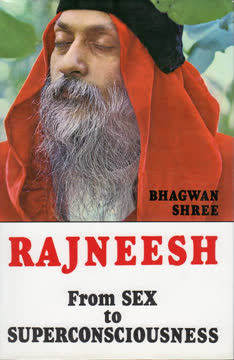
Knjiga o čakrah prejema večinoma pozitivne ocene, bralci pa hvalijo njen poglobljen vpogled v čakre, energijska polja in duhovne pojme. Mnogi jo dojemajo kot razsvetljujočo in preobrazbeno, cenijo Ošove edinstvene poglede na psihologijo, duhovnost in osebno rast. Nekateri bralci izpostavljajo globino vsebine ter priporočajo večkratno branje, da bi jo v celoti razumeli. Kljub temu pa nekaj kritik izraža nestrinjanje z določenimi idejami ali pa najde nekatere odlomke sporne. Na splošno pa je knjiga cenjena zaradi celovitega pristopa k razumevanju čakram in njihove vloge pri osebnem razvoju.
Ljudje berejo tudi



 Poglobljeno

Pogosta vprašanja
What is "The Chakra Book: Energy and Healing Power of the Subtle Body" by Osho about?
- Exploration of Chakras and Energy: The book provides a comprehensive exploration of the chakra system, subtle bodies, and the flow of energy within the human being, drawing from Eastern spiritual traditions.
- Experiential Approach: Osho emphasizes the importance of direct experience over theoretical or borrowed knowledge regarding chakras, kundalini, and esoteric subjects.
- Integration of Meditation and Life: The book offers practical guidance on meditation, self-awareness, and living in harmony with the natural cycles of life, using the chakras as a map for personal transformation.
- Cultural and Individual Differences: Osho discusses how different cultures and individuals may experience chakras differently, and warns against rigidly following ancient scriptures without personal experience.
Why should I read "The Chakra Book" by Osho?
- Unique Perspective: Osho provides a fresh, non-dogmatic perspective on chakras, blending ancient wisdom with modern psychological insights.
- Practical Guidance: The book offers practical meditation techniques and advice for personal growth, healing, and self-realization.
- Holistic Understanding: Readers gain a holistic understanding of the human energy system, including the interplay between body, mind, and spirit.
- Emphasis on Experience: Osho encourages readers to trust their own experiences rather than rely solely on external authorities or traditions.
What are the key takeaways from "The Chakra Book" by Osho?
- Experience Over Knowledge: True understanding of chakras and energy comes from personal experience, not from intellectual study or memorization of ancient texts.
- Chakras as a Map: The chakras represent different levels of consciousness and stages of human development, from basic survival to spiritual enlightenment.
- Individual Variation: The number, location, and experience of chakras can vary between individuals and cultures; there is no single "correct" system.
- Integration and Wholeness: Spiritual growth involves integrating all aspects of oneself—body, mind, emotions, and spirit—rather than denying or suppressing any part.
How does Osho define and describe the chakras in "The Chakra Book"?
- Energy Centers: Chakras are described as whirling energy fields or wheels located along the spine, each associated with different aspects of life and consciousness.
- No Fixed Number: Osho notes that different traditions count different numbers of chakras (seven, nine, dozens), and that the important thing is personal experience, not dogma.
- Key Chakras Highlighted: He emphasizes four main chakras—sex center (life), hara (death), heart (love), and agna (forehead, transition to divinity)—with the crown chakra (sahasrar) as the ultimate, but rarely experienced in ordinary life.
- Cultural Context: The recognition and emphasis on certain chakras can differ by culture, as seen in the Japanese focus on the hara center.
What is Osho’s advice on learning about chakras and esoteric knowledge?
- Avoid Borrowed Knowledge: Osho warns against acquiring secondhand or theoretical knowledge about chakras, as it can create confusion and hinder genuine spiritual growth.
- Trust Direct Experience: He encourages readers to meditate and allow experiences of energy and chakras to arise naturally, without preconceived expectations.
- Individual Path: Each person’s experience of chakras may be unique, influenced by their body, culture, and life circumstances.
- Scriptures as Personal: Osho suggests that the only scripture truly relevant to you is the one written by your own experience.
How does "The Chakra Book" by Osho relate chakras to the stages of human life?
- Seven-Year Cycles: Osho describes human life as unfolding in seven-year cycles, each corresponding to different developmental stages and associated chakras.
- Natural Progression: He outlines how energy and focus shift from self-centeredness in childhood, to sexuality in adolescence, ambition in young adulthood, and eventually to spiritual inquiry and renunciation in later life.
- Integration with Aging: The book connects the awakening and transformation of chakras with the natural aging process, suggesting that spiritual growth is a lifelong journey.
- Cultural Conditioning: Osho discusses how societal attitudes toward sex, ambition, and aging can either support or hinder the natural unfolding of chakras.
What are the seven subtle bodies and their relationship to chakras in "The Chakra Book"?
- Seven Layers of Being: Osho describes seven subtle bodies (physical, etheric, astral, mental, spiritual, cosmic, nirvanic), each with its own energy dynamics and corresponding chakras.
- Polarity and Breath: Each body has its own form of incoming and outgoing energy, analogous to the breath in the physical body, and these polarities are essential for life and consciousness.
- Transcendence Through Witnessing: By becoming a witness to the processes in each body, one can transcend that layer and move to a higher level of consciousness.
- Ultimate Oneness: Beyond the seventh body lies bodilessness or pure being, where all dualities and polarities dissolve.
How does Osho compare different spiritual maps (Yoga, Tantra, Buddhism) for understanding chakras?
- Multiple Systems: The book compares Hindu, Buddhist, Jaina, and Sufi systems, each with their own chakra maps and emphases.
- No Absolute System: Osho stresses that these are all useful tools or maps, but none are absolute; they are shaped by cultural, historical, and individual factors.
- Integration of Approaches: He encourages readers to use whatever system resonates with them, but to remain open and flexible, integrating insights from various traditions.
- Focus on Experience: The ultimate test of any map is whether it helps you experience deeper awareness and transformation.
What practical meditation techniques does Osho offer in "The Chakra Book"?
- Chakra Breathing Meditation: A dynamic meditation using deep, rapid breathing and body movement to activate and bring awareness to each chakra.
- Chakra Sounds Meditation: A practice using vocal sounds and music to open and harmonize the chakras, either by making sounds or listening and feeling the vibrations.
- Emphasis on Active Meditations: Osho’s methods often involve movement, sound, and breath to help modern people release tension and access deeper states of stillness.
- Guidance for Practice: The book provides detailed instructions for these meditations, including the use of music, body posture, and visualization.
What is Osho’s view on the relationship between sex, energy, and spiritual transformation in "The Chakra Book"?
- Sex as Foundation: Osho sees the sex center as the root of life energy, and does not advocate repression but conscious transformation of sexual energy.
- From Sex to Samadhi: He describes a natural progression from sexual experience to higher forms of love, creativity, and ultimately spiritual awakening.
- Dangers of Suppression: Suppressing sex or misusing sexual energy can lead to neurosis, perversion, or stagnation in spiritual growth.
- Tantra and Integration: Osho draws on Tantra to show how sexual energy can be transmuted through meditation and awareness, leading to the flowering of higher chakras.
What are some of the best quotes from "The Chakra Book" by Osho and what do they mean?
- "Energy fields, chakras, and all the esoteric things should be experienced. And keep your mind clean of all knowledge so that you don’t have any expectation; wherever the experience happens, you are ready to accept it."
Meaning: Direct experience is more valuable than theoretical knowledge; openness and receptivity are essential for spiritual growth. - "A real man of religion lives the whole rainbow, from the rock to God – from no-mind on this end to the no-mind on the other end. He is the whole spectrum."
Meaning: True spirituality involves embracing and integrating all aspects of oneself, not denying or suppressing any part. - "The scripture that is for you can be written only by you, by your own experience."
Meaning: Personal experience is the ultimate authority on your spiritual path, not external texts or teachers. - "If you live in the moment totally, then there is no need to worry for the future. A rightly lived childhood brings you to a right, ripe youth – flowing, vital, alive, a wild ocean of energy."
Meaning: Living fully in each stage of life leads to natural, harmonious development and spiritual maturity.
How does "The Chakra Book" by Osho address common misconceptions and pitfalls about chakras and spiritual practice?
- Myth of Fixed Systems: Osho dispels the idea that there is a single, correct number or location of chakras, emphasizing individual variation and experience.
- Dangers of Imagination: He warns against creating imaginary chakras or experiences based on what one has read or been told, as this can lead to self-deception.
- Pitfalls of Repression: The book highlights the dangers of repressing natural energies (especially sexual energy) and the importance of conscious transformation.
- Avoiding Spiritual Ego: Osho cautions against becoming attached to spiritual experiences or powers (siddhis), as these can become obstacles to true realization.
What is the ultimate goal or vision of "The Chakra Book" by Osho?
- Self-Realization: The ultimate aim is to awaken to one’s true nature, beyond all chakras, bodies, and dualities, experiencing oneness with existence.
- Living in Awareness: Osho envisions a life lived in total awareness, integration, and celebration, where every aspect of being is embraced and transformed.
- Freedom from Conditioning: The book encourages liberation from societal, cultural, and psychological conditioning, allowing for authentic self
O avtorju
Druge knjige avtorja Osho
 Poglobljeno