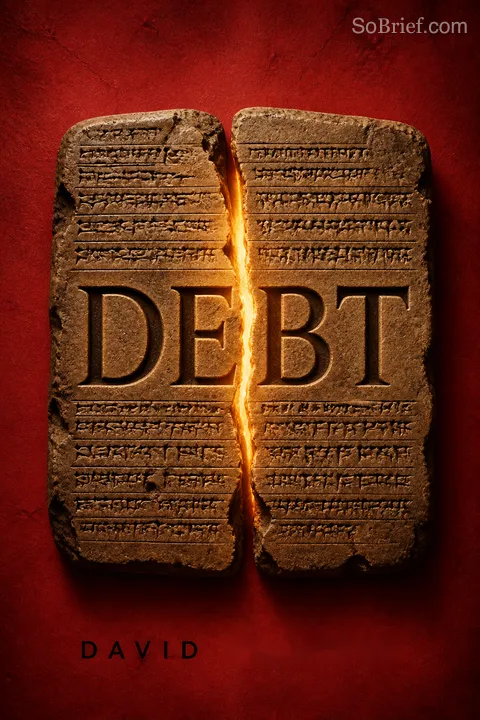

Những điểm chính
1. Nợ: Một Khái Niệm Nền Tảng Trong Xã Hội Loài Người
"Hàng ngàn năm qua, cuộc đấu tranh giữa giàu và nghèo chủ yếu diễn ra dưới hình thức xung đột giữa chủ nợ và con nợ — những tranh cãi về quyền lợi và sai trái trong việc trả lãi, nô lệ vì nợ, ân xá, tịch thu tài sản, bồi thường, việc chiếm đoạt đàn cừu, vườn nho, và bán con cái của con nợ làm nô lệ."
Nợ như một cấu trúc xã hội. Nợ không chỉ là một khái niệm kinh tế mà còn là một cấu trúc xã hội và đạo đức căn bản đã định hình các mối quan hệ và xã hội loài người suốt hàng thiên niên kỷ. Nó vượt ra ngoài các giao dịch tài chính để bao hàm các nghĩa vụ đạo đức, kỳ vọng xã hội và các mối quan hệ quyền lực.
Ý nghĩa lịch sử. Trong suốt lịch sử, nợ luôn là điểm trung tâm của xung đột và thương lượng giữa các tầng lớp xã hội khác nhau. Nó đã ảnh hưởng đến:
- Cấu trúc xã hội
- Hệ thống pháp luật
- Niềm tin tôn giáo
- Các phong trào chính trị
Khía cạnh đạo đức. Khái niệm nợ gắn liền với những ý niệm về:
- Công lý
- Sự công bằng
- Sự tương hỗ
- Nghĩa vụ
Khía cạnh đạo đức này đã biến nợ thành một công cụ quyền lực xã hội mạnh mẽ và là nguồn gốc thường xuyên của bất ổn xã hội.
2. Huyền Thoại Về Trao Đổi Hàng Hóa Và Nguồn Gốc Thực Sự Của Tiền
"Thực tế, câu chuyện tiêu chuẩn về lịch sử tiền tệ hoàn toàn ngược lại. Chúng ta không bắt đầu từ trao đổi hàng hóa, phát hiện ra tiền, rồi cuối cùng phát triển hệ thống tín dụng. Mọi chuyện diễn ra hoàn toàn theo chiều ngược lại."
Thách thức quan niệm truyền thống. Câu chuyện truyền thống cho rằng tiền xuất phát từ hệ thống trao đổi hàng hóa chỉ là một huyền thoại. Bằng chứng lịch sử và nhân học cho thấy một trình tự khác trong sự phát triển của các hệ thống kinh tế.
Tín dụng đi trước tiền xu. Quá trình tiến hóa của các hệ thống kinh tế thường theo trình tự:
- Kinh tế quà tặng và hệ thống tín dụng không chính thức
- Các thỏa thuận tín dụng được chính thức hóa hơn
- Phát minh ra tiền xu và tiền vật chất
Ý nghĩa đối với lý thuyết kinh tế. Hiểu biết mới này về lịch sử tiền tệ thách thức những giả định cơ bản trong lý thuyết kinh tế, đặc biệt liên quan đến:
- Bản chất của thị trường
- Vai trò của chính phủ trong hệ thống tiền tệ
- Mối quan hệ giữa nợ và tiền
3. Sự Tiến Hóa Của Nợ: Từ Các Nền Văn Minh Cổ Đại Đến Thời Hiện Đại
"Nếu lịch sử cho thấy điều gì, thì đó là không có cách nào tốt hơn để biện minh cho các mối quan hệ dựa trên bạo lực, làm cho những mối quan hệ đó có vẻ đạo đức, hơn là diễn giải lại chúng bằng ngôn ngữ của nợ — trên hết, vì điều đó ngay lập tức khiến người bị hại trông như kẻ sai."
Nợ như một công cụ quyền lực. Trong suốt lịch sử, nợ đã được sử dụng như một phương tiện để thiết lập và duy trì các mối quan hệ quyền lực. Điều này thể hiện qua nhiều hình thức:
- Nô lệ vì nợ
- Lao động hợp đồng
- Các dạng phụ thuộc kinh tế hiện đại
Biến đổi lịch sử. Khái niệm và thực hành về nợ đã trải qua nhiều thay đổi đáng kể theo thời gian:
- Các nền văn minh cổ đại: Xóa nợ định kỳ và ân xá
- Thời Trung Cổ: Hạn chế tôn giáo đối với việc cho vay lấy lãi
- Thời hiện đại: Tổ chức hóa nợ qua hệ thống ngân hàng
Nợ và động lực xã hội. Sự tiến hóa của các thực hành về nợ đã ảnh hưởng sâu sắc đến:
- Sự di chuyển xã hội
- Cấu trúc giai cấp
- Hệ thống kinh tế
- Tư tưởng chính trị
4. Mối Quan Hệ Giữa Nợ, Đạo Đức Và Tôn Giáo
"Trong một nền kinh tế con người, mỗi cá nhân là duy nhất và có giá trị không thể so sánh, bởi vì mỗi người là một nút kết nối độc nhất với những người khác."
Khía cạnh đạo đức của nợ. Các hệ thống tôn giáo và đạo đức từ lâu đã đối diện với khái niệm nợ, thường diễn giải nó dưới góc độ tội lỗi, nghĩa vụ và sự chuộc lỗi.
Quan điểm tôn giáo. Các truyền thống tôn giáo khác nhau có cách nhìn nhận về nợ khác nhau:
- Kitô giáo: Khái niệm nợ linh hồn và sự tha thứ
- Hồi giáo: Cấm cho vay lấy lãi và nhấn mạnh thương mại công bằng
- Phật giáo: Ý niệm về nợ nghiệp và công đức
Ảnh hưởng xã hội. Cách diễn giải đạo đức về nợ đã có tác động lớn đến:
- Hệ thống pháp luật
- Chính sách kinh tế
- Chuẩn mực xã hội về cho vay và vay mượn
- Khái niệm trách nhiệm cá nhân và tập thể
5. Mặt Tối Của Nợ: Nô Lệ, Bóc Lột Và Kiểm Soát Xã Hội
"Nô lệ vì nợ, dường như, dễ dàng kích động sự phẫn nộ và hành động tập thể hơn là một hệ thống dựa trên sự bất bình đẳng thuần túy."
Nợ như sự áp bức. Trong lịch sử, nợ đã được sử dụng như một cơ chế để bóc lột và kiểm soát, thường dẫn đến các hình thức nô lệ và lao động cưỡng bức.
Ví dụ lịch sử:
- Lưỡng Hà cổ đại: Nô lệ vì nợ
- Mỹ thuộc địa: Lao động hợp đồng
- Thế kỷ 19: Hệ thống làm thuê chia sản
- Thời hiện đại: Buôn người và nô lệ vì nợ
Hệ quả xã hội. Việc sử dụng nợ như một công cụ áp bức đã để lại ảnh hưởng sâu rộng đến:
- Cấu trúc xã hội
- Hệ thống kinh tế
- Các phong trào chính trị
- Diễn ngôn về nhân quyền
6. Sự Phát Triển Của Hệ Thống Tín Dụng Và Ảnh Hưởng Đến Cấu Trúc Kinh Tế
"Tiền ảo mà chúng ta gọi ngày nay xuất hiện trước tiên. Tiền xu ra đời muộn hơn nhiều, và việc sử dụng chúng lan rộng không đồng đều, chưa bao giờ hoàn toàn thay thế hệ thống tín dụng."
Tín dụng là nền tảng. Hệ thống tín dụng, chứ không phải tiền vật chất, đã là xương sống của hoạt động kinh tế trong phần lớn lịch sử.
Sự tiến hóa của tín dụng:
- Các thỏa thuận tín dụng cá nhân không chính thức
- Các tổ chức tín dụng chính thức (ví dụ: đền thờ, ngân hàng)
- Hệ thống tài chính hiện đại và tiền kỹ thuật số
Ý nghĩa kinh tế. Sự phổ biến của các hệ thống dựa trên tín dụng có tác động sâu sắc đến:
- Lý thuyết kinh tế
- Chính sách tiền tệ
- Quản lý tài chính
- Hiểu biết về động lực thị trường
7. Vai Trò Của Nợ Trong Việc Hình Thành Các Tổ Chức Chính Trị Và Xã Hội
"Chính việc chúng ta không biết nợ là gì, sự linh hoạt của khái niệm này, là cơ sở cho sức mạnh của nó."
Ảnh hưởng thể chế. Nợ đã đóng vai trò then chốt trong việc hình thành nhiều tổ chức:
- Chính phủ và chính sách tài khóa
- Hệ thống pháp luật và quyền sở hữu
- Các chương trình phúc lợi xã hội
- Quan hệ quốc tế
Động lực quyền lực. Khái niệm nợ đã giúp:
- Biện minh cho quyền lực chính trị
- Hình thành các tầng lớp xã hội
- Xác định chính sách kinh tế
- Ảnh hưởng đến quan hệ quốc tế và ngoại giao
Tác động văn hóa. Nợ đã để lại dấu ấn trong:
- Văn học và nghệ thuật
- Chuẩn mực và giá trị xã hội
- Khái niệm trách nhiệm cá nhân và tập thể
8. Sự Biến Đổi Của Nợ Trong Thời Đại Chủ Nghĩa Tư Bản Toàn Cầu
"Ba mươi năm qua chứng kiến sự xây dựng một bộ máy quan liêu khổng lồ nhằm tạo ra và duy trì sự tuyệt vọng, một cỗ máy khổng lồ được thiết kế trước hết để phá hủy mọi cảm giác về những tương lai khả thi khác."
Nợ trong chủ nghĩa tư bản hiện đại. Bản chất và vai trò của nợ đã trải qua những biến đổi sâu sắc trong thời đại chủ nghĩa tư bản toàn cầu:
- Tài chính hóa nền kinh tế
- Sự gia tăng nợ tiêu dùng
- Khủng hoảng nợ quốc gia
- Hệ thống vay nợ sinh viên
Hệ quả hệ thống. Những thay đổi này có tác động sâu rộng đến:
- Ổn định kinh tế toàn cầu
- Bất bình đẳng thu nhập
- Cấu trúc quyền lực chính trị
- Sự di chuyển xã hội
Thách thức và phê phán. Hệ thống kinh tế dựa trên nợ hiện nay đối mặt với nhiều thách thức:
- Vấn đề bền vững
- Câu hỏi đạo đức
- Tác động xã hội và môi trường
- Nguy cơ khủng hoảng hệ thống
9. Suy Nghĩ Lại Về Hiểu Biết Của Chúng Ta Về Nợ Và Những Hệ Quả Của Nó
"Nợ là một điều rất cụ thể, và nó phát sinh từ những tình huống rất cụ thể. Nó đòi hỏi trước hết một mối quan hệ giữa hai người không coi nhau là những thực thể hoàn toàn khác biệt, mà ít nhất là những người có thể bình đẳng tiềm năng."
Sự thay đổi quan điểm. Việc đánh giá lại hiểu biết về nợ là cần thiết để giải quyết các thách thức kinh tế và xã hội hiện nay.
Những điểm cần lưu ý:
- Bản chất của tiền và cách tạo ra nó
- Vai trò của nợ trong tăng trưởng kinh tế
- Ý nghĩa đạo đức của các hệ thống dựa trên nợ
- Các mô hình kinh tế thay thế
Hướng đi tương lai. Suy nghĩ lại về nợ có thể dẫn đến:
- Các hệ thống kinh tế công bằng hơn
- Thực hành tài chính bền vững
- Cách tiếp cận mới trong tổ chức xã hội
- Đánh giá lại trách nhiệm cá nhân và tập thể
Mọi người cũng đọc







Câu hỏi thường gặp
What's Debt: The First 5,000 Years about?
- Exploration of Debt's History: The book examines the history of debt over five millennia, challenging conventional economic narratives. It argues that debt is not merely a financial concept but a moral and social one that has shaped human relationships and societies.
- Interconnection of Money and Debt: Graeber posits that money and debt emerged simultaneously, with debt being a fundamental aspect of economic life. He critiques the myth of barter as the precursor to money, emphasizing that credit systems predate coinage.
- Moral Implications of Debt: The author delves into the moral confusion surrounding debt, illustrating how it has been used to justify exploitation and inequality throughout history. He highlights the tension between the moral obligation to repay debts and the often exploitative nature of lending.
Why should I read Debt: The First 5,000 Years?
- Challenging Conventional Wisdom: Graeber's work invites readers to rethink their understanding of economics, particularly the role of debt in society. It provides a critical perspective on how financial systems operate and their impact on human lives.
- Rich Historical Context: The book is filled with historical examples and anecdotes that illustrate the evolution of debt and its implications across different cultures and eras. This makes it not only informative but also engaging and thought-provoking.
- Relevance to Modern Issues: The themes explored in the book resonate with contemporary discussions about economic inequality, financial crises, and the morality of debt. Understanding these historical contexts can provide insights into current economic challenges.
What are the key takeaways of Debt: The First 5,000 Years?
- Debt as a Social Construct: Graeber emphasizes that debt is not just a financial obligation but a social and moral one that shapes human relationships. This perspective challenges the notion that debt is purely an economic transaction.
- Historical Patterns of Debt: The book outlines recurring themes in the history of debt, such as debt forgiveness and the moral outrage against creditors. Graeber illustrates how societies have historically responded to debt crises through revolts and calls for debt cancellation.
- Interplay of Power and Debt: Graeber discusses how debt has been used as a tool of power, often to oppress the vulnerable. He highlights the moral implications of debt and how it can perpetuate inequality and social injustice.
What are the best quotes from Debt: The First 5,000 Years and what do they mean?
- Debt and Power Dynamics: “If you owe the bank a hundred thousand dollars, the bank owns you. If you owe the bank a hundred million dollars, you own the bank.” This quote encapsulates the paradox of debt, illustrating how the scale of debt can shift power dynamics.
- Challenging Debt Morality: “The remarkable thing about the statement ‘one has to pay one’s debts’ is that even according to standard economic theory, it isn’t true.” Graeber challenges the moral absolutism surrounding debt repayment, arguing that economic systems are built on risk and that debts can be unjust.
- Historical Continuity: “Arguments about debt have been going on for at least five thousand years.” This statement underscores the long-standing nature of debt-related conflicts throughout history.
How does David Graeber define debt in Debt: The First 5,000 Years?
- Debt as a Moral Obligation: Graeber defines debt not just as a financial obligation but as a moral one that carries social implications. This definition emphasizes the ethical dimensions of borrowing and lending.
- Debt and Social Relationships: He argues that debt creates a relationship between individuals that can lead to feelings of guilt, shame, or obligation. This relational aspect of debt is crucial to understanding its impact on society.
- Historical Context of Debt: The author traces the evolution of debt through history, showing how it has been used to justify social hierarchies and inequalities. This historical perspective enriches the understanding of debt as a complex social phenomenon.
What is the Myth of Barter discussed in Debt: The First 5,000 Years?
- Barter as a Foundational Myth: Graeber critiques the traditional economic narrative that barter was the original form of trade before money. He argues that this myth oversimplifies the complexities of human economic interactions.
- Lack of Evidence for Pure Barter: The book points out that anthropological evidence shows no society has ever existed solely on barter. Instead, most transactions historically involved credit systems and social obligations.
- Implications for Understanding Money: By debunking the myth of barter, Graeber sets the stage for understanding money as a social construct deeply intertwined with debt. This perspective shifts the focus from mere transactions to the relationships and obligations that underpin economic life.
How does Debt: The First 5,000 Years relate to modern financial crises?
- Historical Patterns Repeating: Graeber draws connections between historical debt crises and contemporary financial issues, suggesting that the same patterns of exploitation and moral outrage recur. This historical lens provides insight into current economic challenges.
- Critique of Neoliberal Policies: The book critiques neoliberal economic policies that prioritize debt repayment over social welfare, arguing that these policies exacerbate inequality. Graeber calls for a rethinking of economic priorities to address the needs of the most vulnerable.
- Moral Implications of Debt: Graeber emphasizes the moral dimensions of debt in the context of financial crises, arguing that the suffering caused by debt should not be normalized. He advocates for a more humane approach to economic relations that prioritizes social justice.
What role does the International Monetary Fund (IMF) play in the context of debt according to Debt: The First 5,000 Years?
- Debt Enforcer Role: Graeber describes the IMF as a global institution that acts as a debt enforcer, imposing conditions on countries in exchange for financial assistance. This role often leads to austerity measures that harm vulnerable populations.
- Structural Adjustment Policies: The book discusses how the IMF's structural adjustment policies have historically required countries to cut social services, leading to increased poverty and inequality. These policies are framed as necessary for economic stability but often have devastating social consequences.
- Calls for Debt Amnesty: Graeber advocates for debt amnesty, drawing parallels to the biblical Jubilee, where debts were forgiven. He argues that the current debt system perpetuates cycles of poverty and that a reevaluation of debt obligations is necessary for social justice.
How does Graeber address the relationship between debt and violence in Debt: The First 5,000 Years?
- Debt as a Tool of Power: Graeber discusses how debt has historically been used as a tool of power and control, often leading to violence against those unable to repay. This relationship highlights the coercive nature of debt.
- Moral Hazard and Responsibility: The book examines the concept of moral hazard, where lenders take on excessive risks because they believe they will be bailed out. This dynamic can lead to reckless lending practices that have real-world consequences for individuals and communities.
- Historical Examples of Violence: Graeber provides historical examples of how debt has led to violence, such as debt peonage and the exploitation of vulnerable populations. He argues that understanding this relationship is crucial for addressing contemporary issues of economic injustice.
How does Graeber's view of debt differ from traditional economic theories in Debt: The First 5,000 Years?
- Debt as Central to Economics: Unlike traditional economic theories that often view debt as a secondary concern, Graeber positions debt as central to understanding economic systems. He argues that debt relationships are foundational to social and economic interactions.
- Critique of Barter Theory: Graeber challenges the barter theory of money's origins, asserting that debt and credit systems predate coinage. This perspective shifts the focus from market transactions to the social relationships that underpin economic activity.
- Emphasis on Social Context: Graeber emphasizes the social context of debt, arguing that economic transactions cannot be understood in isolation from cultural and historical factors. This approach encourages a more holistic understanding of economic behavior.
What solutions does Graeber propose for addressing debt issues in Debt: The First 5,000 Years?
- Debt Cancellation: Graeber advocates for debt cancellation as a means to alleviate economic inequality and social injustice. He argues that societies should consider implementing policies that forgive debts, particularly for marginalized communities.
- Alternative Economic Models: He suggests exploring alternative economic models that prioritize social welfare and community well-being over profit. This could involve rethinking how resources are allocated and how economic relationships are structured.
- Reevaluation of Value Systems: Graeber calls for a reevaluation of societal values surrounding debt and money, encouraging a shift toward recognizing the importance of human relationships. This perspective promotes a more equitable and just economic system.



Tải PDF
Tải EPUB
.epub digital book format is ideal for reading ebooks on phones, tablets, and e-readers.








































