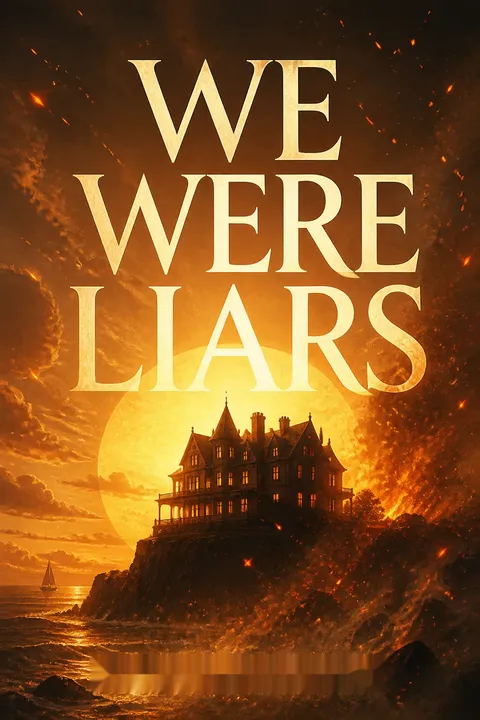
Tóm tắt cốt truyện
Di sản của gia đình Sinclair
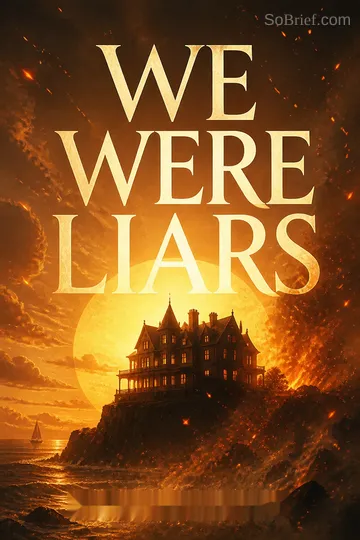
Họ là một gia tộc giàu có, có truyền thống lâu đời, thường dành mùa hè trên một hòn đảo riêng tư. Họ nổi tiếng với vẻ đẹp, sự khỏe khoắn và sức hút đặc biệt. Thế nhưng, bên dưới bề mặt hào nhoáng ấy, gia đình lại đang bị bao phủ bởi những bí mật, khó khăn tài chính và những mối quan hệ căng thẳng. Cadence Sinclair Eastman, cháu lớn nhất trong gia đình, đang vật lộn với những kỳ vọng đặt lên vai mình cùng thực tế gia đình đầy rối ren.
Mùa hè của những bí mật
Sau một tai nạn bí ẩn khiến cô mất trí nhớ và chịu những cơn đau đầu dữ dội, Cadence trở lại hòn đảo sau hai năm xa cách. Cô tái ngộ với các anh em họ Johnny và Mirren, cùng với Gat, chàng trai cô yêu thương. Trong nỗ lực ghép lại những mảnh ký ức của mùa hè năm mười lăm tuổi, cô luôn bị ám ảnh bởi cảm giác rằng một điều kinh khủng đã xảy ra.
Giao ước của những kẻ nói dối
Cadence, Johnny, Mirren và Gat, được biết đến với cái tên nhóm Liars, có một mối liên kết sâu sắc. Họ quyết tâm tìm ra sự thật về những gì đã xảy ra trong mùa hè tai họa của Cadence. Khi cùng nhau trải qua thời gian, Cadence bắt đầu nhớ lại những mảnh ký ức vụn vỡ, trong đó có những cuộc tranh cãi gay gắt giữa người lớn về tài sản gia đình.
Ký ức vỡ vụn
Cô nhớ về sự căng thẳng giữa mẹ và các dì, những người đang ganh đua để giành được sự ưu ái của cha và gia tài kếch xù. Cô cũng nhớ lại kế hoạch của nhóm Liars nhằm chống lại lòng tham và sự rối loạn trong gia đình. Khi ký ức trở nên rõ ràng hơn, Cadence nhận ra mức độ sâu sắc của bi kịch đã xảy ra.
Sự thật về ngọn lửa
Cadence nhớ ra rằng nhóm Liars đã châm lửa đốt ngôi nhà chính của gia đình, Clairmont, nhằm phá hủy nguồn cơn của những mâu thuẫn. Ngọn lửa bùng phát ngoài tầm kiểm soát, dẫn đến cái chết của Johnny, Mirren và Gat. Cadence phải đối mặt với cảm giác tội lỗi và nỗi mất mát những người bạn thân thiết nhất.
Bóng ma của Beechwood
Khi chấp nhận sự thật, cô được bóng ma của Johnny, Mirren và Gat ghé thăm. Họ giúp cô hiểu được tác động của những hành động đã qua và khích lệ cô tha thứ cho chính mình. Qua những cuộc gặp gỡ này, Cadence học cách chấp nhận vai trò của mình trong bi kịch và bắt đầu hành trình chữa lành.
Hồi phục và tha thứ
Với sự hỗ trợ của gia đình, cô bắt đầu xây dựng lại cuộc sống. Cô thừa nhận những đau thương và sai lầm trong quá khứ nhưng chọn tập trung vào tương lai. Dù vẫn còn nhiều khuyết điểm, gia đình Sinclair bắt đầu hàn gắn các mối quan hệ. Cadence đón nhận bản thân và những bài học đã học được, quyết tâm sống một cuộc đời đầy lòng tốt và chân thật.
Nhân vật
Cadence Sinclair Eastman
Cadence là nhân vật chính, đang vật lộn với chứng mất trí nhớ và những cơn đau đầu sau tai nạn bí ẩn. Cô sâu sắc, thông minh và chịu áp lực lớn từ kỳ vọng gia đình. Hành trình của cô là quá trình khám phá bản thân và chữa lành khi dần hé lộ sự thật về quá khứ và học cách tha thứ cho chính mình.
Gatwick Matthew Patil
Gat là người yêu của Cadence và bạn thân trong nhóm Liars. Anh trầm tư, nhiệt huyết và thách thức những giá trị của gia đình Sinclair. Sự hiện diện của Gat trên đảo làm nổi bật các vấn đề về chủng tộc và giai cấp, đồng thời mối quan hệ của anh với Cadence là trung tâm cảm xúc của câu chuyện.
Johnny Sinclair Dennis
Johnny là anh họ của Cadence và thành viên nhóm Liars. Anh thông minh, thích phiêu lưu và thường là người dẫn dắt nhóm. Lòng trung thành với bạn bè và khát khao thoát khỏi kỳ vọng gia đình của Johnny thúc đẩy nhiều tình tiết trong truyện.
Mirren Sinclair Sheffield
Mirren là chị họ của Cadence và thành viên nhóm Liars. Cô hiền lành, giàu tưởng tượng và chịu áp lực phải tuân theo lý tưởng gia đình. Sự yếu đuối và khát khao độc lập của Mirren khiến cô trở thành nhân vật dễ cảm thông.
Penny Sinclair Eastman
Penny là mẹ của Cadence, người quyết tâm bảo vệ tương lai gia đình. Bà có tính toán và thường gây áp lực lên Cadence để cô thực hiện di sản của gia đình Sinclair. Mối quan hệ phức tạp giữa Penny và con gái là yếu tố then chốt trong câu chuyện.
Harris Sinclair
Harris là chủ gia đình Sinclair, người đang dần mất đi quyền lực và sự giàu có. Ông kiểm soát và thường tạo mâu thuẫn giữa các con gái. Hành động và quyết định của Harris là trung tâm của sự rối loạn trong gia đình.
Carrie Sinclair
Carrie là một trong những dì của Cadence, người đang đấu tranh với mối quan hệ của mình với Ed, chú của Gat. Cô bị giằng xé giữa kỳ vọng gia đình và khát vọng cá nhân. Mâu thuẫn nội tâm của Carrie phản ánh những chủ đề rộng lớn hơn của câu chuyện.
Bess Sinclair
Bess là một trong những dì của Cadence, người quyết tâm giành phần tài sản của gia đình. Cô cạnh tranh và thường xung đột với các chị em khác. Tham vọng và sự bất an của Bess là nguồn cơn cho nhiều drama trong gia đình.
Ed Patil
Ed là bạn đời của Carrie và chú của Gat. Anh luôn ủng hộ và quan tâm, nhưng sự hiện diện của anh trên đảo làm nổi bật những định kiến trong gia đình Sinclair. Mối quan hệ của Ed với Carrie là nguồn cơn căng thẳng trong gia đình.
Tipper Sinclair
Tipper là bà ngoại đã khuất của gia đình Sinclair, ký ức về bà vẫn còn đậm nét trong câu chuyện. Cái chết của bà làm trầm trọng thêm những mâu thuẫn trong gia đình và tạo tiền đề cho các sự kiện trong tiểu thuyết.
Các thủ pháp kể chuyện
Người kể chuyện không đáng tin cậy
Câu chuyện được kể qua góc nhìn của Cadence, và chứng mất trí nhớ của cô tạo nên một câu chuyện không đáng tin cậy. Thủ pháp này xây dựng sự hồi hộp và bí ẩn khi độc giả cùng cô từng bước khám phá sự thật.
Hồi tưởng
Việc sử dụng hồi tưởng cho phép độc giả dần dần khám phá những sự kiện của mùa hè định mệnh. Những khoảnh khắc nhìn lại quá khứ này cung cấp bối cảnh và làm sâu sắc thêm cảm xúc của câu chuyện.
Biểu tượng
Lửa tượng trưng cho sự hủy diệt và biến đổi, trong khi nước đại diện cho sự thanh tẩy và đổi mới. Những yếu tố này được dệt xuyên suốt câu chuyện, phản ánh những đấu tranh nội tâm của các nhân vật và hành trình chữa lành của gia đình.
Bóng ma
Sự xuất hiện của Johnny, Mirren và Gat dưới hình hài bóng ma là phép ẩn dụ cho cảm giác tội lỗi và nỗi đau của Cadence. Sự hiện diện của họ giúp cô chấp nhận bi kịch và tìm ra con đường tiến về phía trước.
Phân tích
"We Were Liars" đi sâu vào những phức tạp của mối quan hệ gia đình, đặc quyền và hậu quả của tham vọng không kiểm soát. Qua hành trình của Cadence, tiểu thuyết khai thác các chủ đề về bản sắc, sự tha thứ và sức mạnh của sự thật. Câu chuyện thách thức độc giả suy ngẫm về tác động của hành động mình và tầm quan trọng của sự đồng cảm, thấu hiểu. Cuối cùng, "We Were Liars" là lời nhắc nhở sâu sắc rằng sự chữa lành và chuộc lỗi luôn có thể, ngay cả khi đối mặt với mất mát không thể tưởng tượng được.
Mọi người cũng đọc


Câu hỏi thường gặp
Synopsis & Basic Details
What is We Were Liars about?
- Dysfunctional family secrets: The novel centers on the wealthy Sinclair family, who spend their summers on a private island, and the complex relationships between its members, particularly the cousins known as the Liars.
- Amnesia and mystery: The story follows Cadence, the eldest grandchild, as she tries to piece together the events of a traumatic summer that she can't remember, leading to a suspenseful and emotional journey.
- Love, loss, and betrayal: The narrative explores themes of love, loss, and betrayal, as Cadence uncovers the truth about her family and the tragic events that occurred during her fifteenth summer.
Why should I read We Were Liars?
- Twisting narrative: The book offers a compelling and suspenseful narrative with a shocking twist ending that will leave readers questioning everything they thought they knew.
- Emotional depth: It delves into complex themes of family, love, loss, and guilt, providing an emotionally resonant experience that will stay with readers long after they finish the book.
- Unique writing style: E. Lockhart's distinctive writing style, characterized by short, fragmented sentences and a lyrical tone, creates a captivating and immersive reading experience.
What is the background of We Were Liars?
- Wealth and privilege: The story is set against the backdrop of a wealthy, old-money family, highlighting the complexities and dysfunctions that can exist within such a privileged environment.
- Private island setting: The private island off the coast of Massachusetts serves as a microcosm of the family's insular world, where secrets and tensions simmer beneath the surface.
- Summer tradition: The annual summer gatherings on the island are a long-standing tradition for the Sinclairs, creating a sense of both nostalgia and unease as the story unfolds.
What are the most memorable quotes in We Were Liars?
- "Be normal now, she said. Right now, she said. Because you are. Because you can be.": This quote highlights the Sinclair family's emphasis on maintaining appearances and suppressing emotions, a key theme in the book.
- "The universe is seeming really huge right now. I need something to hold on to.": This quote reveals Gat's vulnerability and his search for meaning and connection, showcasing his emotional depth.
- "Always do what you are afraid to do.": This quote, written on Cadence's hands, encapsulates the Liars' rebellious spirit and their willingness to challenge societal norms, even when it leads to tragedy.
What writing style, narrative choices, and literary techniques does E. Lockhart use?
- Fragmented and lyrical prose: Lockhart employs a distinctive writing style characterized by short, often fragmented sentences, creating a sense of urgency and emotional intensity. The prose is also lyrical, with vivid imagery and sensory details.
- Unreliable narrator: The story is told from Cadence's perspective, but her amnesia and emotional state make her an unreliable narrator, adding to the mystery and suspense. This forces the reader to question what is real and what is not.
- Fairy tale allusions: Lockhart incorporates elements of fairy tales and folklore, using them to explore themes of family, power, and betrayal. This adds a layer of symbolism and depth to the narrative.
Hidden Details & Subtle Connections
What are some minor details that add significant meaning?
- The color of the roses: The beach roses that grow along the perimeter path are a recurring motif, and their color, deep pink, symbolizes the intense emotions and hidden passions of the characters.
- The names on hands: The act of writing names and book titles on the backs of hands foreshadows the Liars' desire to leave their mark on the world and their eventual tragic fate.
- The ivory statues: The ivory statues collected by Tipper Sinclair, particularly the goose, become symbols of the family's wealth and the destructive nature of their materialism.
What are some subtle foreshadowing and callbacks?
- The Cracker Jack story: Granddad's repeated telling of the Cracker Jack story foreshadows his controlling nature and his tendency to rewrite family history to suit his own narrative.
- Gat's "Heathcliff" comment: Gat's comparison of himself to Heathcliff from Wuthering Heights foreshadows his tragic fate and his sense of being an outsider within the Sinclair family.
- The "Shut up" phrase: The Liars' use of "Shut up" as a term of endearment and affection is a subtle callback to their close bond and their unique way of communicating.
What are some unexpected character connections?
- Mummy and Granddad's shared traits: Both Mummy and Granddad are revealed to be materialistic and controlling, highlighting the cyclical nature of their family's dysfunction.
- Gat and Ed's outsider status: Gat and his uncle, Ed, share a similar outsider status within the Sinclair family, highlighting the family's prejudices and their inability to accept those who are different.
- Mirren and Bess's shared desire for control: Both Mirren and her mother, Bess, are shown to have a desire for control, albeit in different ways, revealing a complex mother-daughter dynamic.
Who are the most significant supporting characters?
- The Aunts (Penny, Carrie, Bess): The aunts' constant bickering and competition for their father's favor highlight the toxic family dynamics and the destructive nature of their greed.
- Ed Patil: As Carrie's partner and Gat's uncle, Ed's presence on the island challenges the Sinclair family's prejudices and provides a contrasting perspective on their values.
- The Littles (Will, Taft, Liberty, Bonnie): The younger cousins, though seemingly minor characters, serve as a reminder of the family's future and the potential for change, as well as the cycle of dysfunction.
Psychological, Emotional, & Relational Analysis
What are some unspoken motivations of the characters?
- Granddad's need for control: Granddad's actions are driven by a need to maintain control over his family and his legacy, stemming from his grief over Tipper's death and his fear of losing his power.
- Mummy's desire for security: Mummy's actions are motivated by a desire to secure her family's financial future and maintain her place within the Sinclair family, leading her to manipulate Cadence.
- Gat's struggle with identity: Gat's actions are driven by his struggle to reconcile his identity as an outsider with his love for Cadence and his desire to be accepted by the Sinclair family.
What psychological complexities do the characters exhibit?
- Cadence's self-destructive tendencies: Cadence exhibits self-destructive tendencies, such as giving away her possessions and engaging in risky behavior, as a way of coping with her guilt and grief.
- Mirren's need for validation: Mirren's lies about her love life and her desire to be seen as special reveal her deep-seated insecurities and her need for validation.
- Johnny's performative rebellion: Johnny's rebellious acts, such as his refusal to engage with the family's expectations, are often performative, masking his own insecurities and his desire for acceptance.
What are the major emotional turning points?
- Cadence's realization of the fire: The moment Cadence remembers the Liars' role in setting the fire is a major emotional turning point, as she is forced to confront the devastating consequences of their actions.
- Gat's confession of his feelings: Gat's confession of his love for Cadence and his guilt over his past actions is a major emotional turning point, revealing his vulnerability and his internal conflict.
- Mirren's admission of her lies: Mirren's admission that she lied about her boyfriend and her feelings for Gat is a major emotional turning point, highlighting her own struggles with identity and acceptance.
How do relationship dynamics evolve?
- The Liars' bond: The Liars' bond is tested by the events of the summer, but their shared history and deep connection ultimately allow them to find a way to forgive each other and themselves.
- Cadence and Mummy's relationship: Cadence and Mummy's relationship evolves from one of control and manipulation to one of tentative understanding and acceptance, as they both grapple with the tragedy.
- The Aunts' relationships: The aunts' relationships shift from competition and resentment to a fragile sense of empathy and shared grief, as they are forced to confront the consequences of their actions.
Interpretation & Debate
Which parts of the story remain ambiguous or open-ended?
- The exact nature of the accident: While the fire is revealed as the cause of the Liars' deaths, the exact details of what happened to Cadence on the tiny beach remain somewhat ambiguous, leaving room for interpretation.
- The extent of Granddad's awareness: The extent to which Granddad is aware of the Liars' actions and his own role in the tragedy is left open to interpretation, raising questions about his culpability.
- The possibility of healing: While the ending suggests a path toward healing, the extent to which the characters will be able to fully recover from the tragedy is left open-ended, leaving readers to ponder the long-term consequences of their actions.
What are some debatable, controversial scenes or moments in We Were Liars?
- The Liars' decision to set the fire: The Liars' decision to set fire to Clairmont is a controversial moment, raising questions about the morality of their actions and the extent to which they are responsible for the tragedy.
- The adults' behavior: The adults' behavior, particularly their greed and manipulation, is a source of debate, raising questions about the extent to which they are responsible for the events that unfold.
- Cadence's reliability as a narrator: Cadence's reliability as a narrator is a source of debate, as her amnesia and emotional state make it difficult to determine the truth of her memories and perceptions.
We Were Liars Ending Explained: How It Ends & What It Means
- Cadence's acceptance: The ending sees Cadence accepting her role in the tragedy and acknowledging the loss of her friends, but also finding a path forward by embracing her identity and the lessons she has learned.
- The Liars' presence as ghosts: The Liars' presence as ghosts serves as a metaphor for Cadence's guilt and grief, but also as a reminder of the enduring power of their bond and their influence on her life.
- A bittersweet resolution: The ending is bittersweet, acknowledging the pain and loss of the past while also offering a glimmer of hope for the future, suggesting that healing and redemption are possible, even in the face of unimaginable tragedy.
Những Kẻ Dối Trá Bộ sách
Tải PDF
Tải EPUB
.epub digital book format is ideal for reading ebooks on phones, tablets, and e-readers.








































