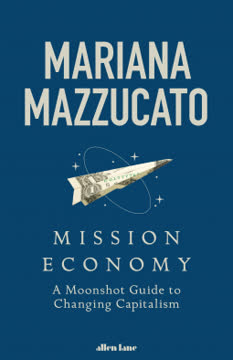
核心要点
1. 重新构想政府为创新的创业力量
如果政府能够以勇气、动态能力、领导力、韧性和创造力重新塑造自身,它就能在二十一世纪打造以使命为导向的创新“圣殿”。
创业型国家。 与普遍认知相反,许多历史上最重要的创新,如互联网和全球定位系统,都是由政府推动的。公共部门不仅能够承担风险,还应当投资于长期的研发,并积极塑造市场以推动创新。
登月思维。 阿波罗计划展示了政府主导的雄心勃勃的任务如何催化跨领域的创新。通过设定明确且鼓舞人心的目标,提供资源和方向,政府能够动员多方力量共同解决复杂难题。
- 政府主导创新的典范:
- 国防高级研究计划局(DARPA)在互联网创建中的作用
- 国家卫生研究院(NIH)对生物医学研究的资助
- 美国国家航空航天局(NASA)的太空探索项目
2. 从修复市场转向塑造市场的政策
市场并非个体决策的简单结果,而是每个价值创造者——包括政府自身——如何被治理的体现。
超越市场失灵。 传统经济理论将政府角色局限于修复市场失灵,这种狭隘视角限制了公共部门推动创新和塑造市场以实现社会目标的潜力。
主动的政策制定。 政府应积极共创并塑造市场,而非仅仅对市场失灵作出反应。这意味着明确创新方向,利用政策工具激励私营部门参与,并围绕社会挑战创造新市场。
- 塑造市场的政策工具:
- 通过公共采购创造创新解决方案的需求
- 设定标准和公平竞争环境的监管
- 对高风险早期研究的直接投资
- 以使命为导向的创新政策
3. 采用以使命为导向的方法应对重大挑战
使命为公民参与解决重大社会挑战提供了契机,激发了集体创新的广泛社会热情。
聚焦重大挑战。 以使命为导向的政策将公共和私营部门的努力围绕雄心勃勃且具体的目标对齐,解决如气候变化或不平等等重大社会问题。
跨部门协作。 使命需要跨领域、跨学科和跨组织的合作,提供协调多方努力的框架,促进多个领域的创新同步推进。
- 潜在使命示例:
- 到2030年实现100个碳中和城市
- 到2040年减少90%的海洋塑料污染
- 到2030年将痴呆症负担减半
4. 培养公共组织的动态能力
为了共创价值和塑造市场,公共与私营组织需要具备实验和学习的动态能力。
组织转型。 公共部门组织需发展新能力,有效领导以使命为导向的创新,包括承担风险、从失败中学习并适应变化。
技能培养。 政府必须投资于公共部门员工的技能和能力建设,营造创新和实验的文化氛围。
- 公共组织的关键动态能力:
- 领导力与参与度
- 跨部门及跨领域协调
- 复杂项目管理
- 风险承担与实验精神
- 动态评估成果
5. 实施以成果为导向的长期耐心融资
使命需要长期思考和耐心的资金支持。
重新思考公共投资。 政府应将公共支出视为对社会生产力和福祉的长期投资,而非仅关注短期成本与收益。
基于成果的预算。 从以投入为基础的预算转向关注预期成果,这为资源分配提供更大灵活性,鼓励实现目标的创新。
- 耐心且以使命为导向的融资优势:
- 支持高风险、长期的研发
- 通过降低不确定性吸引私人投资
- 允许随着时间推移进行学习和调整
- 聚焦社会影响而非狭隘的财务指标
6. 建立共享风险与回报的共生公私伙伴关系
价值是通过社会共同努力创造的,所有参与者应根据其承担的风险、投入和创造力公平分享成果。
超越外包。 摒弃政府将任务外包给私营承包商的模式,迈向真正的伙伴关系,公私双方共同承担风险与回报。
利益相关者视角。 将公共目标嵌入公私合作治理,确保社会利益与财务回报并重。
- 共生伙伴关系的要素:
- 公私目标的明确对齐
- 财务风险与潜在回报的共享
- 保护公共利益的治理结构
- 知识共享与协同创新机制
7. 让公民参与共创社会挑战的解决方案
将社区和街区打造为使命扎根之地,实现公民的长期治理与管理,积累公共价值和创新,最终促进地方繁荣与经济增长。
参与式政策制定。 让公民参与使命定义、优先级设定和方案设计,确保政策切实满足需求,增强对雄心项目的公众支持。
地方赋权。 创造社区参与地方使命项目的机会,激发创新,构建社会资本。
- 公民参与的方式:
- 公民大会,针对复杂议题进行讨论
- 地方使命项目的参与式预算
- 公共服务与基础设施的共设计过程
- 利用数字平台众包创意与反馈
读者评价
《使命经济学》评价不一。许多人赞赏马祖卡托提出通过使命导向的政府项目来改革资本主义的愿景,阿波罗计划被视为典范。评论者认可她呼吁国家更积极介入市场塑造和社会问题解决的主张。然而,也有部分读者认为书中内容重复,缺乏具体的实施细节。批评者质疑她的方案在当今政治环境下的可行性。总体来看,读者认可其发人深省的思想,但更期待针对马祖卡托所指出的经济问题提供切实可行的解决方案。
其他人还在读










常见问题
What's Mission Economy: A Moonshot Guide to Changing Capitalism about?
- Mission-Oriented Approach: The book by Mariana Mazzucato advocates for a mission-oriented approach to address significant societal challenges like climate change and public health crises.
- Historical Context: It draws parallels between the Apollo moon landing and contemporary challenges, emphasizing the need for ambitious goals that inspire innovation and collective action.
- Reimagining Government's Role: Mazzucato argues for a proactive government role in the economy, investing in public goods and fostering partnerships with private entities to achieve common goals.
Why should I read Mission Economy?
- Timely Relevance: The book addresses urgent global issues exacerbated by the COVID-19 pandemic, making it highly relevant for understanding the role of government and business in recovery and future resilience.
- Innovative Solutions: Mazzucato provides a fresh perspective on how to innovate within public policy, encouraging readers to rethink traditional economic theories and practices.
- Practical Framework: Readers will gain insights into how to apply mission-oriented thinking to real-world problems, equipping them with tools to advocate for change in their communities and organizations.
What are the key takeaways of Mission Economy?
- Mission-Oriented Approach: Emphasizes setting clear, ambitious missions that drive innovation and collaboration across sectors, focusing on solving complex societal problems.
- Public-Private Collaboration: Highlights the need for strong partnerships between government and business, sharing risks and rewards in pursuit of common goals.
- Rethinking Government's Role: Advocates for a reimagined role of government as an active value creator, investing in public capabilities and fostering experimentation.
How does Mission Economy redefine the role of government?
- Active Value Creator: Mazzucato argues that government should actively participate in the economy, driving innovation and shaping markets.
- Investor of First Resort: Suggests governments should be primary investors in critical areas, particularly where private sector investment is lacking.
- Focus on Public Purpose: Emphasizes prioritizing public interest and societal well-being over short-term profits, requiring a fundamental change in government interaction with the economy.
What is a mission-oriented approach as defined in Mission Economy?
- Definition: Focuses on setting clear, ambitious goals that address societal challenges, encouraging collaboration among various stakeholders.
- Examples: Cites historical examples like the Apollo program to illustrate how missions can mobilize resources and inspire collective action.
- Citizen Engagement: Engaging citizens in mission design and implementation is crucial for ensuring they reflect societal needs and values.
What are the best quotes from Mission Economy and what do they mean?
- "We cannot risk that happening again.": Reflects the urgency of learning from past crises to ensure effective and sustainable government interventions.
- "Missions should be judged by outcomes, not costs.": Advocates for evaluating success based on societal impact rather than financial expenditure.
- "The irony is that so much outsourcing has damaged governments’ abilities to structure contracts.": Highlights the pitfalls of outsourcing public services, leading to a loss of government capacity and accountability.
How does Mission Economy propose to finance missions?
- Diverse Financing Sources: Utilizes a mix of public and private financing, including grants, equity investments, and innovative procurement strategies.
- Long-Term Patient Finance: Advocates for patient finance that allows for experimentation and risk-taking, essential for fostering innovation.
- Crowding in Private Investment: Emphasizes attracting private investment by demonstrating future opportunities through public funding.
What lessons can be learned from the Apollo program in Mission Economy?
- Vision and Purpose: Driven by a clear vision and strong sense of purpose, galvanizing public and private efforts.
- Risk-Taking and Innovation: Embraced risk and fostered a culture of experimentation, showing that innovation often arises from trial and error.
- Collaboration Across Sectors: Success due to extensive collaboration between government, private companies, and academic institutions.
What are the five myths that impede progress according to Mission Economy?
- Myth 1: Businesses create value, governments only de-risk: Underestimates the significant role governments play in value creation through innovation and investment.
- Myth 2: The purpose of government is to fix market failures: Confines government to a reactive role, ignoring its potential to actively shape markets.
- Myth 3: Government needs to run like a business: Critiques this notion, emphasizing that public institutions should prioritize public value over profit motives.
- Myth 4: Outsourcing saves taxpayer money and lowers risk: Highlights failures of outsourcing, often leading to higher costs and diminished public sector capacity.
- Myth 5: Governments shouldn’t pick winners: Argues that strategic support for promising sectors is essential for innovation and growth.
How does Mission Economy redefine the relationship between public and private sectors?
- From Handouts to Co-Investment: Advocates for a shift to a model of co-investment where both sectors share risks and rewards.
- Public Purpose at the Core: Emphasizes that the relationship should focus on societal goals rather than purely commercial interests.
- Dynamic Partnerships: Calls for partnerships that adapt to changing circumstances and challenges, requiring ongoing dialogue and collaboration.
What role do citizens play in the missions outlined in Mission Economy?
- Engagement in Mission Design: Involving citizens ensures missions address real societal needs, fostering ownership and accountability.
- Collective Innovation: Citizen engagement can lead to innovative solutions that might not emerge from top-down approaches.
- Civic Excitement and Responsibility: Engaging citizens can create excitement around collective innovation, encouraging responsibility for societal challenges.
What are the challenges of implementing a mission-oriented approach according to Mission Economy?
- Complex Governance Structures: Requires new frameworks to manage complexity and uncertainty, fostering collaboration across sectors.
- Risk Aversion in Public Institutions: Highlights the tendency of public institutions to be risk-averse, which can stifle innovation.
- Avoiding Mission Capture: Risk of vested interests capturing missions for their own benefit, mitigated by diverse stakeholder engagement.