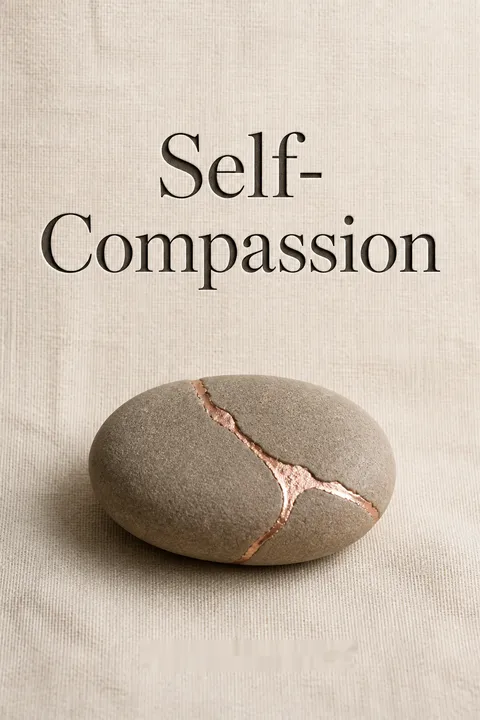

核心要点
1. 自我关怀:重塑自我价值与情绪健康的革命性方法
自我关怀提供了一座宁静的避风港,让我们得以躲避无休止的正向和负向自我评判所带来的狂风暴雨,从而终于可以不再追问:“我像他们一样优秀吗?我足够好吗?”
全新范式。 自我关怀为一味追求自尊提供了一种彻底的替代方案。自我关怀并不主张根据外部标准或与他人的比较来不断评估自身价值,而是主张用友善和理解来对待自己,尤其是在遭遇失败或困难的时刻。这种方法承认我们作为人所固有的价值,无论我们的成就如何,也无论我们存在何种缺点。
自我关怀的益处。 研究表明,自我关怀与以下因素密切相关:
- 更强的情绪韧性
- 焦虑和抑郁的减少
- 人际关系的改善
- 动力和个人成长的提升
- 整体幸福感和生活满意度的增强
通过接纳自我关怀,我们可以打破自我评判的破坏性循环,找到一种更平衡、更充实的方式来对待自己和我们的经历。
2. 自我关怀的三大要素:友善、共通人性和正念
要对自己给予关怀,我们首先必须意识到自己正在承受痛苦。我们无法治愈我们无法感受到的东西。
友善。 这意味着用对待好朋友般的温暖、关爱和理解来对待自己。面对挣扎,我们不再进行严厉的自我批评,而是以温柔的鼓励和支持来回应。
共通人性。 意识到不完美和痛苦是人类共同体验的一部分,有助于我们在挣扎中减少孤立感。我们懂得,每个人都会面临挑战,也都会犯错。
正念。 这涉及以清晰和平衡的态度观察我们的思想和感受,既不压抑也不夸大它们。正念让我们能够承认自己的痛苦,而不至于陷入过度的反刍或自怜之中。
这三个要素共同作用,构建出一种关怀的心态,使我们能够以更轻松、更有韧性的姿态面对生活的挑战。
3. 自我关怀与自尊:通往自我价值的更健康之路
自我批评会追问你是否足够好,而自我关怀则不同,它会问:什么对你才是最好的?
自尊的局限性:
- 建立在比较和评估之上
- 不稳定且依赖于外部因素
- 可能导致自恋和防卫心理
- 在遭遇失败或困难时往往会失效
自我关怀的优势:
- 无条件且稳定的自我价值来源
- 促进联结而非孤立
- 促进从错误中成长和学习
- 在艰难时刻提供安慰和支持
相比传统的自尊,自我关怀为自我价值提供了更可靠、更可持续的基础。它让我们能够在不加评判的情况下承认自己的不完美,同时依然激励我们去成长和进步。
4. 接纳不完美:自我关怀如何促进成长与韧性
当我们仅付出半心半意的努力时,某种形式的失败是不可避免的。
接纳人类的局限性。 自我关怀承认,犯错和经历挫折是人类天性中自然的一部分。通过接纳我们的不完美,我们为成长和学习创造了一个安全的空间。
从失败中学习。 自我关怀让我们能够以好奇和开放的态度对待失败,而不是因缺点而痛斥自己。这种心态能够促进:
- 更愿意承担风险和尝试新事物
- 在面对挫折时展现出更强的韧性
- 提升从错误中学习并加以改进的能力
通过用友善和理解对待自己,我们创造了一个支持个人成长和发展的内部环境,即使在面对挑战和失败时也是如此。
5. 自我关怀在人际关系与育儿中的力量
作为人,有时难免会犯错。这意味着,评判一个人就是评判整个世界。而宽恕一个人就是宽恕整个世界——包括我们自己。
改善人际关系。 自我关怀通过以下方式增强我们与他人联结的能力:
- 减少冲突中的防卫心理和指责
- 增加对他人观点的同理心和理解
- 促进情感的投入与亲密感
关怀型育儿。 将自我关怀应用于育儿可以:
- 为孩子树立健康的自我关系典范
- 减轻家长的压力和职业倦怠
- 创造一个更具滋养性和支持性的家庭环境
通过培养自我关怀,我们能够更好地带着耐心、理解和爱,去应对人际关系和育儿中的挑战。
6. 培养自我关怀:实用练习与技巧
因此,将我们从折磨人的痛苦中解脱出来的唯一方法,就是如其所是地与它共处。唯一的出路就是穿越它。
自我关怀暂停法。 面对困难处境时:
- 承认痛苦:“这是一个痛苦的时刻。”
- 承认共通人性:“痛苦是生活的一部分。”
- 给予自己友善:“愿我在此刻对自己温柔以待。”
慈心禅。 练习向自己和他人传递美好的祝愿:
- “愿我平安,愿我平静,愿我健康,愿我生活顺遂。”
- 将这些祝愿延伸至挚爱之人、熟人以及所有生灵。
自我关怀信。 从一位充满关怀的朋友的角度给自己写一封信,对眼下的挣扎表示理解并给予支持。
定期进行这些练习有助于随着时间的推移建立起更具自我关怀的心态。
7. 转化消极情绪:利用自我关怀克服情绪挑战
通过以关怀的态度对待自己,我们将消极情绪拥入美好感受的温暖怀抱中。
正念觉察。 留意并承认困难的情绪,不加评判。体会这些情绪在身体的哪个部位呈现。
抚慰触碰。 将手放在心口,或给自己一个温柔的拥抱,以激活关怀系统并释放催产素。
关怀型自我对话。 用友善和理解的语言对自己说话,就像对待面临类似处境的亲密朋友一样。
重新框架。 在挑战性的经历中寻找学习的机会或成长的潜力。思考这一处境如何将你与人类的共同体验联结在一起。
通过以关怀的方式对待我们的消极情绪,我们可以转化自己与困难经历的关系,并找到更佳的情绪平衡。
8. 作为动力源泉的自我关怀:无需严厉的自我批评即可实现目标
自我关怀同样不会以排斥的方式将消极情绪推开。
内驱力。 自我关怀基于对自身真正的关爱,激发成长和改进的渴望,而非出于对失败的恐惧或严厉的自我评判。
学习目标 vs. 表现目标。 具有自我关怀特质的人往往更关注学习和个人成长,而不是通过表现来证明自己的价值。
面对挫折时的韧性。 自我关怀让我们将失败视为学习的机会,而非自我价值的指标,从而促进坚持不懈和适应能力。
通过自我关怀而非自我批评来激励自己,我们可以带着更大的热情、韧性和长期成功的可能去追求目标。
9. 自我关怀的喜悦:通过接纳与欣赏找到幸福
自我欣赏谦逊地致敬了所有的造物。
培养感恩。 定期承认并欣赏我们生活和自身中的积极方面,可以显著提升幸福感和福祉。
细细品味积极体验。 花时间充分投入并享受愉悦的时刻,可以增强我们整体的喜悦感和满足感。
平衡接纳与成长。 自我关怀让我们在接纳真实自我的同时,依然努力寻求改进,从而为个人发展创造一种更平衡、更充实的方法。
通过接纳自我关怀,我们向生活中更大的喜悦、欣赏和满足敞开心扉,即使在挑战和不完美之中亦是如此。
读者评价
《自我关怀:力量源自对自己的温柔以待》(Self-Compassion: The Proven Power of Being Kind to Yourself)收到的评价褒贬不一。许多读者认为它富有洞察力,甚至改变了他们的生活,并对其书中的实用练习以及对自我友善的强调大加赞赏。该书的核心主旨——以宽容和慈悲之心对待自己——引起了许多人的强烈共鸣。然而,也有一些批评者指出,其写作风格略显冗长重复,字里行间的语气偶尔带有审判色彩。此外,作者对待自闭症和体重问题的态度也引发了一些担忧。尽管存在这些批评,大多数评论家依然认可自我关怀的重要性,并从书中的教导中获益匪浅。
其他人还在读








常见问题
What's Self-Compassion: The Proven Power of Being Kind to Yourself about?
- Focus on Self-Compassion: The book emphasizes self-compassion as a healthier alternative to self-esteem, teaching readers to treat themselves with kindness and understanding.
- Core Components: Kristin Neff outlines three core components: self-kindness, common humanity, and mindfulness, which are essential for emotional resilience and well-being.
- Practical Exercises: It includes exercises and practices to help readers cultivate self-compassion in their daily lives, aiding in recognizing and responding to personal suffering with care.
Why should I read Self-Compassion by Kristin Neff?
- Mental Health Benefits: The book provides insights into reducing anxiety and depression through self-compassion, leading to fewer negative emotions and less rumination.
- Transformative Approach: It offers a way to embrace personal shortcomings and failures, shifting from self-criticism to self-acceptance.
- Empowerment: Practicing self-compassion empowers readers to navigate life's challenges with greater ease and resilience.
What are the key takeaways of Self-Compassion?
- Self-Kindness Over Self-Judgment: Emphasizes treating oneself with kindness rather than harsh criticism, improving emotional well-being.
- Common Humanity: Recognizes suffering as a universal experience, fostering connection and reducing feelings of isolation.
- Mindfulness Practice: Encourages observing thoughts and feelings without judgment, aiding in compassionate responses to difficult emotions.
What are the best quotes from Self-Compassion and what do they mean?
- “Suffering is part of life.”: Highlights the inevitability of suffering, encouraging acceptance of pain as a normal part of life.
- “The only way out is through.”: Emphasizes facing emotions rather than avoiding them, leading to healing and growth.
- “We are healed from suffering only by experiencing it to the full.”: Suggests true healing comes from fully acknowledging and experiencing pain.
How does self-compassion differ from self-esteem according to Kristin Neff?
- Focus on Worthiness: Self-esteem relies on comparisons and achievements, while self-compassion recognizes inherent human worth.
- Response to Failure: Self-esteem can lead to worthlessness in failure, whereas self-compassion encourages learning without harsh judgment.
- Emotional Stability: Self-compassion provides a stable sense of self-worth, less affected by external circumstances.
What are the core components of self-compassion as defined in Self-Compassion?
- Self-Kindness: Involves treating oneself with care and understanding during difficult times, avoiding harsh criticism.
- Common Humanity: Emphasizes recognizing that all humans are imperfect and suffering is shared, fostering connection.
- Mindfulness: Involves being aware of thoughts and feelings without judgment, allowing compassionate responses.
What practical exercises does Self-Compassion offer?
- Self-Compassion Scale: Allows readers to assess their level of self-compassion and track progress.
- Letter Writing Exercise: Involves writing a letter to oneself from a compassionate friend's perspective to cultivate self-kindness.
- Mindfulness Practices: Includes exercises like body scans and noting practice to increase emotional awareness and compassion.
How can self-compassion improve emotional resilience according to Kristin Neff?
- Buffer Against Negative Emotions: Self-compassionate individuals experience fewer negative emotions and less rumination.
- Encourages Healthy Coping: Fosters a kind relationship with oneself, promoting healthier coping strategies and preventing burnout.
- Promotes Acceptance: Helps individuals accept imperfections and life's challenges, reducing stress impact.
What role does mindfulness play in self-compassion as per Self-Compassion?
- Awareness of Present Moment: Mindfulness allows observation of thoughts and feelings without judgment, creating space for self-compassion.
- Prevents Overidentification: Helps avoid becoming overly identified with negative emotions, promoting emotional stability.
- Enhances Self-Compassion Practices: Mindfulness practices like meditation aid in developing a compassionate mindset.
How does Self-Compassion suggest dealing with difficult emotions?
- Acknowledge and Accept: Encourages acknowledging difficult emotions as moments of suffering, accepting them as part of the human experience.
- Practice Self-Kindness: Involves comforting oneself and recognizing that everyone experiences pain.
- Use Mindfulness Techniques: Techniques like body scans help process emotions without overwhelm, promoting compassionate responses.
How can self-compassion improve relationships according to Self-Compassion?
- Enhances Communication: Self-compassionate individuals communicate needs and feelings better, reducing defensive reactions.
- Reduces Conflict: Fosters emotional safety, reducing conflict escalation and promoting understanding.
- Promotes Mutual Support: Encourages supporting partners meaningfully, extending compassion to others.
How does Self-Compassion address the fear of self-indulgence?
- Misconception of Self-Compassion: Clarifies that self-compassion is about promoting growth and well-being, not laziness.
- Motivation from Love, Not Fear: Emphasizes motivation through love, leading to healthier behaviors and choices.
- Long-Term Well-Being: Encourages choices supporting long-term well-being over short-term gratification, fostering true benefit.
关于作者

下载 PDF
下载 EPUB
.epub digital book format is ideal for reading ebooks on phones, tablets, and e-readers.








































