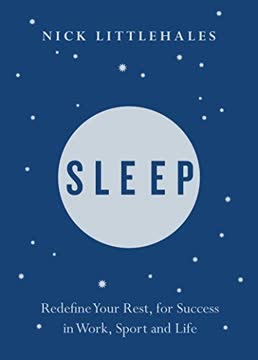
核心要点
1. 睡眠是全天候的恢复过程,而非仅限于夜间休息
恢复是全天候、每周七天的持续承诺,除了夜间睡眠,白天的恢复同样重要,这样才能让身心在应对现代生活压力的同时不断重启。
重新定义睡眠为恢复。 睡眠不仅仅是夜晚躺在床上的时间,而是贯穿全天的身心恢复过程。采用这种观念,你可以通过:
- 利用白天的恢复机会
- 配合身体的自然节律安排活动
- 实施全天充电的策略
将睡眠视为24小时的过程,你可以:
- 有策略地小憩(受控恢复期)
- 有效利用休息时间
- 为夜间睡眠做好准备
- 补偿偶尔的睡眠不足
这种整体性的睡眠观念让你在应对现代生活挑战的同时,确保最佳的恢复和表现。
2. 了解你的昼夜节律和时间类型,实现最佳睡眠
光线是调节生物钟最重要的因素,清晨的自然光尤为关键。
利用光线的力量。 你的生物钟主要受光照调控。理解并顺应自身的自然节律,能显著提升睡眠质量和整体健康。关键点包括:
- 时间类型:判断你是晨型人还是夜型人
- 光照:尤其是早晨,尽量接受自然光以重置生物钟
- 睡眠时间:根据时间类型和昼夜节律调整作息
实用建议:
- 若自然光不足,可使用晨光模拟器或日光灯
- 睡前避免蓝光屏幕
- 尽量根据时间类型调整日程
- 通过控制光线营造适合睡眠的环境
顺应身体自然节律安排日常活动,有助于优化睡眠-觉醒周期,提升精力和效率。
3. 按90分钟睡眠周期思考,而非单纯计算睡眠时长
我更关注每周的睡眠周期数,而非每晚的小时数。这样一来,偶尔一晚睡不好也没那么糟糕。
拥抱睡眠周期。 不要拘泥于固定小时数,而应以90分钟为一个周期来规划睡眠。这种方法带来多重好处:
- 灵活性:更好地适应生活需求
- 减少焦虑:不再过分担心“睡够没”
- 提升睡眠质量:顺应身体自然睡眠节律
核心理念:
- 目标是每周35个周期(相当于每晚5个周期,7.5小时)
- 以固定起床时间为锚点
- 根据需要以90分钟为单位调整入睡时间
通过周期思维,你可以:
- 更好地应对偶尔的晚睡或早起
- 有策略地利用小憩补偿夜间睡眠不足
- 逐步理解并优化自身睡眠模式
这种方法更细致灵活,帮助你在生活节奏中保持充足休息。
4. 建立睡前和醒后仪式,提升恢复效果
睡眠质量取决于醒来后的行为。
为睡眠设定前后仪式。 规律的睡前和醒后习惯能显著提升睡眠质量和白天表现。这些仪式向身体发出信号,告诉它何时放松、何时觉醒,促进恢复。
睡前仪式(睡前90分钟):
- 调暗灯光,避免蓝光屏幕
- 进行放松活动(阅读、轻度拉伸、冥想)
- 准备睡眠环境(凉爽、黑暗、安静)
- 写下思绪或待办事项,清理大脑
醒后仪式(醒后90分钟):
- 接触自然光或使用日光灯
- 补充水分,享用营养早餐
- 进行轻度运动或拉伸
- 规划当天任务,设定目标
坚持这些仪式,为身心建立强烈的睡眠和觉醒信号,提升睡眠质量和白天状态。这种整体睡眠卫生方法,有助于全天保持充沛精力、良好情绪和认知功能。
5. 利用策略性小憩和休息提升表现
不打盹,终将失去战斗力。
拥抱受控恢复。 策略性小憩和规律休息能显著提升整体表现和健康。合理利用短暂休息,有助于充电,保持高效。
策略性小憩的好处(受控恢复期):
- 提升警觉性和认知功能
- 改善情绪和创造力
- 减轻疲劳和压力
小憩策略:
- 中午1-3点间安排30分钟小憩
- 小憩前饮用咖啡,醒来时减少昏沉感
- 避免临睡前小憩
规律休息:
- 每90分钟休息一次
- 利用休息时间远离工作和电子设备
- 进行轻度运动或放松练习
将策略性小憩和规律休息融入日常,有助于全天保持高能量和专注力,提升整体效率和健康。
6. 打造理想睡眠环境与装备
卧室应是身心恢复的专属空间,而非生活区的延伸。
优化睡眠圣地。 创造理想的睡眠环境并配备合适装备,能显著提升睡眠质量。重点关注:
睡眠环境:
- 温度:保持凉爽(16-18°C)
- 光线:使用遮光窗帘或眼罩确保黑暗
- 噪音:用耳塞或白噪音减少干扰
- 整洁:保持房间整洁,避免分心
睡眠装备:
- 床垫:选择符合体型(偏瘦、中等、偏胖)的支撑性床垫
- 枕头:使用单个浅枕,符合睡姿
- 床品:选用透气、抗过敏材质
睡姿:
- 采用胎儿姿势,侧卧于非惯用侧
将卧室视为专属恢复空间,配备合适装备,营造深度修复的睡眠环境,从而提升健康、效率和幸福感。
7. 应对时差、轮班和失眠等睡眠挑战
如果我们能随心所欲地睡觉和起床,按自然醒来工作,睡眠问题就不会那么严重。
适应睡眠干扰。 现代生活常常打乱自然睡眠节律。理解这些挑战并采取针对性策略,能最大限度减少对睡眠和健康的影响。
时差:
- 出行前逐步调整作息
- 利用光照策略重置生物钟
- 保持水分,避免飞行中饮酒
轮班:
- 保持固定睡眠时间,即使休息日也如此
- 使用遮光窗帘和耳塞营造睡眠环境
- 利用策略性小憩缓解疲劳
失眠:
- 采用睡眠限制疗法提升睡眠效率
- 练习冥想或深呼吸等放松技巧
- 避免长期依赖安眠药
通过制定应对策略,即使面对睡眠干扰,也能维持良好睡眠质量和健康状态。
8. 睡眠与饮食、运动及心理健康的平衡
恢复应成为健康生活的第三大支柱。
采取整体健康观。 睡眠、饮食和运动构成健康生活的基石。平衡这三者并关注心理健康,能优化整体福祉和表现。
睡眠与饮食:
- 避免临睡前进食过饱
- 限制下午后咖啡因摄入
- 多摄入富含色氨酸的蛋白质促进睡眠
睡眠与运动:
- 规律运动提升睡眠质量
- 避免临睡前剧烈锻炼
- 利用运动调节生物钟
睡眠与心理健康:
- 优先保证睡眠支持情绪韧性
- 处理焦虑和压力,避免影响睡眠
- 持续睡眠问题时寻求专业帮助
将睡眠视为整体健康策略的重要组成,与饮食和运动协同作用,提升身心健康。
9. 优化伴侣与家庭的睡眠
如果你已践行R90计划,使用合适的睡眠装备,保持固定起床时间,懂得利用受控恢复期,顺应生物节律、时间类型和睡眠周期,那么你已为新生儿可能带来的睡眠干扰做好了充分准备。
协调共享睡眠。 与伴侣同睡或管理家庭睡眠有其独特挑战。理解这些动态并采取针对性策略,能优化全家人的睡眠。
伴侣:
- 选择尽可能大的床(至少超大号)
- 考虑使用独立被褥减少干扰
- 尽量同步作息,重要时可分房睡
有新生儿的家庭:
- 即使夜间被打扰,也保持固定起床时间
- 利用受控恢复期补偿睡眠不足
- 轮流承担夜间照顾,确保至少一方充足休息
家庭睡眠建议:
- 制定适合家庭的个体睡眠习惯
- 教育孩子重视睡眠
- 以身作则,树立良好睡眠榜样
关注伴侣和家庭的独特睡眠需求,营造和谐睡眠环境,促进每个人的健康与关系稳固。
读者评价
《睡眠:8小时神话与小憩的力量》评价不一。许多读者认为内容翔实且实用,赞赏其对睡眠周期和恢复方式的独特见解。书中强调90分钟睡眠周期和个性化作息,受到不少读者认可,部分人表示采纳建议后睡眠质量有所提升。然而,也有批评声音指出内容重复,科学深度不足,且过于侧重运动员群体。有人认为书中观点颇具创新性,但也有人觉得内容本可更为精炼。总体来看,本书作为一本快速且易懂的睡眠改善指南,获得了不同程度的认可,效果因人而异。
其他人还在读




 沉浸式
沉浸式

常见问题
What's "Sleep: Redefine Your Rest, for Success in Work, Sport and Life" about?
- Revolutionizing Sleep: The book challenges the traditional notion of needing eight hours of sleep, advocating for a more flexible and personalized approach to rest.
- R90 Sleep Recovery Program: It introduces the R90 program, which focuses on 90-minute sleep cycles rather than hours, aiming to optimize mental and physical recovery.
- Practical Advice: The author, Nick Littlehales, provides practical strategies for improving sleep quality, including pre- and post-sleep routines and the importance of naps.
- Target Audience: While initially developed for elite athletes, the methods are applicable to anyone looking to enhance their performance and well-being through better sleep.
Why should I read "Sleep: Redefine Your Rest, for Success in Work, Sport and Life"?
- Improved Performance: The book offers insights into how better sleep can enhance your performance at work, in sports, and in daily life.
- Scientific Backing: It draws on scientific research linking poor sleep habits to various health issues, emphasizing the importance of sleep for overall well-being.
- Practical Tools: Readers gain access to actionable tools and techniques to improve their sleep quality and manage their daily schedules more effectively.
- Broader Perspective: It encourages a shift in perspective, viewing sleep as a crucial component of a healthy lifestyle, alongside diet and exercise.
What are the key takeaways of "Sleep: Redefine Your Rest, for Success in Work, Sport and Life"?
- Sleep Cycles Over Hours: Focus on 90-minute sleep cycles rather than a fixed number of hours to improve sleep quality.
- Pre- and Post-Sleep Routines: Establish routines to prepare for sleep and to wake up effectively, enhancing overall recovery.
- Controlled Recovery Periods (CRPs): Utilize naps strategically during the day to boost alertness and performance.
- Personalized Sleep Approach: Tailor sleep strategies to individual needs, considering factors like chronotype and lifestyle.
What is the R90 Sleep Recovery Program?
- 90-Minute Cycles: The program is based on the idea that sleep occurs in 90-minute cycles, and optimizing these cycles can enhance recovery.
- Flexible Sleep Times: It allows for flexibility in sleep schedules, focusing on the total number of cycles per week rather than nightly hours.
- Pre- and Post-Sleep Routines: Emphasizes the importance of routines before and after sleep to maximize the benefits of rest.
- Application Beyond Athletes: While developed for athletes, the program is applicable to anyone seeking to improve their sleep and performance.
How does Nick Littlehales redefine naps in the book?
- Controlled Recovery Periods (CRPs): Naps are redefined as CRPs, which are strategic breaks to enhance recovery and performance.
- Midday and Early Evening Windows: The book identifies optimal times for CRPs, particularly during the midday and early evening.
- Not Just Sleep: CRPs don't always require actual sleep; they can involve simply disconnecting and relaxing to recharge.
- Performance Benefits: Regular CRPs can improve alertness, mood, and overall productivity, making them a valuable tool for anyone.
What are circadian rhythms, and why are they important in the book?
- Natural Body Clock: Circadian rhythms are 24-hour cycles that regulate various bodily functions, including sleep and wakefulness.
- Alignment with Nature: The book emphasizes aligning sleep schedules with these natural rhythms to improve sleep quality and overall health.
- Impact of Modern Life: Modern lifestyles often disrupt these rhythms, leading to sleep issues and health problems.
- Practical Advice: The book provides strategies to realign circadian rhythms, such as exposure to natural light and consistent wake times.
What role does technology play in sleep according to the book?
- Disruptive Influence: Technology, particularly blue light from screens, can disrupt sleep by affecting melatonin production.
- Pre-Sleep Tech Breaks: The book advises reducing tech use before bed to minimize its impact on sleep quality.
- Mindfulness Apps: While tech can be disruptive, the book acknowledges the potential benefits of mindfulness and meditation apps for relaxation.
- Daytime Tech Management: Encourages taking regular breaks from technology during the day to reduce stress and improve focus.
How does the book address sleep problems like insomnia?
- Sleep Restriction Technique: The book suggests restricting time in bed to improve sleep efficiency and address insomnia.
- Focus on Quality: Emphasizes the importance of quality over quantity, encouraging readers to focus on effective sleep cycles.
- Practical Solutions: Offers practical advice for managing sleep disturbances, such as adjusting sleep environments and routines.
- Avoiding Sleep Aids: Advises against reliance on sleep medications, promoting natural methods for improving sleep.
What is the significance of the sleep environment in the book?
- Recovery Room Concept: The book introduces the idea of transforming the bedroom into a recovery room, free from distractions.
- Light and Temperature Control: Emphasizes the importance of controlling light and temperature to create an optimal sleep environment.
- Minimalist Approach: Advocates for a clutter-free, calming space that promotes relaxation and sleep.
- Personalization: Encourages tailoring the sleep environment to individual preferences and needs for maximum benefit.
How does the book suggest managing sleep with a partner?
- Understanding Disturbances: Identifies common partner-related sleep disturbances, such as snoring and different sleep schedules.
- Separate Sleep Spaces: Suggests the possibility of separate sleep spaces to minimize disturbances and improve sleep quality.
- Communication and Compromise: Encourages open communication and compromise to address sleep issues within relationships.
- Shared Routines: Recommends establishing shared pre- and post-sleep routines to enhance mutual sleep quality.
What are the best quotes from "Sleep: Redefine Your Rest, for Success in Work, Sport and Life" and what do they mean?
- "Don’t Waste Your Valuable Time Sleeping": Challenges the traditional view of sleep as a passive activity, advocating for a more strategic approach.
- "Sleep is a 24-hour process": Emphasizes the continuous nature of recovery, integrating sleep with daily routines and activities.
- "Controlled Recovery Periods are not just naps": Redefines naps as strategic recovery tools that can enhance performance and well-being.
- "Your bedroom should be a recovery room": Highlights the importance of creating a sleep environment that supports optimal rest and recovery.
How can the R90 Sleep Recovery Program benefit athletes and non-athletes alike?
- Enhanced Performance: For athletes, the program can improve recovery, leading to better performance in training and competition.
- Improved Focus and Productivity: Non-athletes can benefit from increased focus, productivity, and overall well-being in daily life.
- Adaptable to Individual Needs: The program's flexibility allows it to be tailored to individual schedules and lifestyles, making it accessible to everyone.
- Holistic Approach: By integrating sleep with diet and exercise, the program promotes a holistic approach to health and performance.








































