أهم النقاط
1. الرفض: الجرح العاطفي الذي يؤلم كالألم الجسدي
تُظهر فحوصات الدماغ أن نفس المناطق الدماغية تنشط عند تعرضنا للرفض كما يحدث عند الشعور بالألم الجسدي.
من منظور تطوري. يؤلم الرفض لأن أدمغتنا طورت نظام إنذار مبكر ينبهنا عندما نكون معرضين لخطر الطرد من قبيلتنا. في ماضينا القديم، كان الرفض يعني فقدان الوصول إلى الطعام والحماية وشركاء التزاوج، وهو ما يعادل حكمًا بالموت.
الأثر النفسي. يمكن أن يؤدي الرفض إلى:
- تدمير تقدير الذات
- إثارة الغضب والعدوانية
- تدهور الوظائف الإدراكية
- تهديد شعورنا بالانتماء
استراتيجيات المواجهة:
- ممارسة التأكيد الذاتي
- طلب الدعم الاجتماعي
- الانخراط في أنشطة تعزز قيمة الذات
- إعادة تأطير الرفض كتجربة تعليمية
2. الشعور بالذنب: السم الذي يشل النمو الشخصي
يجعلنا الشعور بالذنب نلجأ إلى سلوكيات تعيق أنفسنا، حيث نبالغ أو نخلق عوائق أمام النجاح دون وعي منا بذلك.
أنواع الذنب:
- الذنب غير المحلول
- ذنب الناجين
- ذنب الانفصال
- ذنب الخيانة
الأثر النفسي. يمكن أن يؤدي الذنب المفرط إلى:
- الإدانة الذاتية
- تدمير العلاقات
- تدهور اتخاذ القرار
- عرقلة النمو الشخصي
استراتيجيات الشفاء:
- ممارسة الاعتذار الفعّال
- الانخراط في تمارين التسامح مع الذات
- إعادة تأطير الذنب كمحفز للتغيير الإيجابي
- طلب المساعدة المهنية إذا أصبح الذنب طاغيًا
3. الوحدة: القاتل الصامت للرفاهية العاطفية
تشكل الوحدة عامل خطر كبير على صحتنا الجسدية على المدى الطويل، بمقدار يعادل تدخين السجائر، حيث تقلل حرفيًا من سنوات عمرنا المتوقعة.
الآثار الصحية. يمكن أن تؤدي الوحدة المزمنة إلى:
- زيادة هرمونات التوتر
- ضعف الجهاز المناعي
- ارتفاع خطر الإصابة بأمراض القلب والأوعية الدموية
- تدهور القدرات الإدراكية
الأثر النفسي:
- تشوه التصورات الاجتماعية
- سلوكيات تعيق الذات
- زيادة القابلية للاكتئاب والقلق
مواجهة الوحدة:
- بناء علاقات ذات معنى
- المشاركة في أنشطة اجتماعية
- ممارسة التعاطف مع الذات
- طلب المساعدة المهنية إذا استمرت الوحدة
4. الفقدان والصدمات: إعادة ضبط العظام النفسية المكسورة
تمامًا كما تحتاج العظام المكسورة إلى التثبيت الصحيح، فإن الطريقة التي نعيد بها ترتيب حياتنا بعد الفقدان أو الصدمة تحدث فرقًا كبيرًا في مدى تعافينا الكامل.
الجروح النفسية للفقدان والصدمات:
- ضيق عاطفي شديد
- تحديات في الهوية وتصور الذات
- اضطراب أنظمة المعتقدات
- توتر العلاقات
عملية الشفاء:
- الاعتراف بالمشاعر وتأكيدها
- إعادة الاتصال بجوانب الذات المفقودة
- إيجاد معنى في التجربة
- إعادة بناء وتقوية العلاقات
النمو بعد الصدمة. مع الإسعاف العاطفي المناسب، يمكن للأفراد أن يختبروا:
- تقديرًا أعمق للحياة
- علاقات محسنة
- قوة شخصية متزايدة
- نموًا روحيًا
- إمكانيات جديدة في الحياة
5. التفكير المفرط: عجلة الهامستر للألم العاطفي
نصبح مثل الهامستر المحاصر في عجلة الألم العاطفي، نركض بلا توقف لكننا لا نصل إلى مكان.
مخاطر التفكير المفرط:
- تكثيف وإطالة المشاعر السلبية
- زيادة خطر الاكتئاب والقلق
- تدهور قدرات حل المشكلات
- توتر العلاقات
كسر الحلقة:
- تغيير المنظور: استخدام وجهة نظر متباعدة عن الذات
- ممارسة اليقظة الذهنية: مراقبة الأفكار دون حكم
- الانخراط في أنشطة تشتيت الانتباه
- تحدي وإعادة تأطير الأفكار السلبية
التأمل المنتج. تعلم التمييز بين التأمل الذاتي المفيد والتفكير المفرط الضار من خلال:
- تحديد حدود زمنية للتأمل
- التركيز على الحلول بدلًا من المشكلات
- طلب وجهات نظر خارجية
- ممارسة التعاطف مع الذات
6. الفشل: تحويل نزلات الصدر العاطفية إلى التهاب رئوي نفسي
الفشل هو المعادل العاطفي لنزلات الصدر؛ جميعنا نصاب به ونشعر بالسوء عند حدوثه.
الجروح النفسية للفشل:
- تدمير تقدير الذات
- مشاعر العجز والسلبية
- قلق الأداء والخوف من الفشل المستقبلي
إعادة تأطير الفشل:
- اعتباره فرصة للتعلم
- إدراك أن الفشل تجربة عالمية
- التركيز على الجهد والتقدم بدلًا من النتائج
استراتيجيات التعافي:
- طلب الدعم والواقعية: موازنة التعاطف مع النقد البناء
- التركيز على العوامل التي يمكن التحكم بها
- تحمل المسؤولية وامتلاك المخاوف
- إدارة ضغط الأداء من خلال اليقظة الذهنية والتأكيد الذاتي
7. تدني تقدير الذات: الجهاز المناعي العاطفي الضعيف
تدني تقدير الذات يشبه ضعف الجهاز المناعي العاطفي، إذ يجعلنا أكثر عرضة للإصابات النفسية اليومية مثل الفشل والرفض.
آثار تدني تقدير الذات:
- زيادة القابلية للإصابات النفسية
- مقاومة التغذية الراجعة الإيجابية
- مشاعر العجز وعدم الفاعلية
بناء تقدير الذات:
- ممارسة التعاطف مع الذات
- تحديد وتأكيد نقاط القوة الشخصية
- زيادة القدرة على تقبل المجاملات
- الانخراط في تمارين التمكين الشخصي
- تحسين ضبط النفس والإرادة
تقدير الذات المتوازن. استهدف تقدير ذات قوي ومستقر يكون:
- واقعيًا بشأن نقاط القوة والضعف
- مرنًا في مواجهة النكسات
- منفتحًا على النمو والتحسين
8. التعاطف مع الذات: الترياق للنقد الذاتي
ممارسة التعاطف مع الذات تقوي فعليًا جهازنا المناعي العاطفي.
فوائد التعاطف مع الذات:
- تعافي أسرع من النكسات العاطفية
- زيادة المرونة تجاه التوتر
- تحسين الصحة النفسية والرفاهية
- تعزيز الدافع للنمو الشخصي
ممارسة التعاطف مع الذات:
- عامل نفسك بلطف كما تعامل صديقًا
- أدرك الإنسانية المشتركة في معاناتك
- مارس اليقظة الذهنية لمراقبة الأفكار دون حكم
- استخدم لغة وتعابير تعاطفية مع الذات
تجاوز المقاومة. يخشى الكثيرون أن يؤدي التعاطف مع الذات إلى التراخي، لكن الأبحاث تظهر أنه يعزز الدافع والأداء من خلال خلق بيئة آمنة للنمو والتعلم.
9. الإسعاف العاطفي الأولي: بناء خزانة دوائك النفسي
كما لا نترك جرحًا في ركبتنا دون علاج حتى لا يؤثر على قدرتنا على المشي، لا ينبغي أن نترك الجروح النفسية دون علاج.
مكونات خزانة الدواء النفسي الأساسية:
- تقنيات إدارة الرفض والوحدة
- استراتيجيات معالجة الفقدان والصدمات
- طرق كسر دوائر التفكير المفرط
- أدوات التعافي من الفشل
- ممارسات بناء تقدير الذات
تطبيق الإسعاف العاطفي:
- تحديد الجرح النفسي
- اختيار "العلاج" المناسب من أدواتك
- تطبيق التقنية باستمرار
- مراقبة التقدم وتعديل العلاج حسب الحاجة
الرعاية الوقائية. الممارسة المنتظمة للنظافة العاطفية تقوي المرونة وتمنع تطور الإصابات النفسية الطفيفة إلى حالات أكثر خطورة.
10. التمكين الشخصي: تقوية مرونتك العاطفية
التمكين الشخصي ليس شعورًا بل هو حالة يمتلكها الإنسان.
الجوانب الأساسية للتمكين الشخصي:
- الوعي الذاتي والقبول الذاتي
- الحزم وتحديد الحدود
- مهارات حل المشكلات واتخاذ القرار
- تحديد الأهداف واتخاذ الإجراءات
بناء التمكين الشخصي:
- تحديد مجالات للعمل الحازم المحتمل
- جمع المعلومات والتخطيط الاستراتيجي
- الممارسة والمثابرة والتعلم من النكسات
- الاحتفال بالنجاحات الصغيرة وبناء الزخم
تأثير الموجة. مع ازدياد تمكينك في مجال من مجالات الحياة، غالبًا ما يؤدي ذلك إلى زيادة الثقة والحزم في مجالات أخرى، مما يخلق دورة إيجابية من النمو والمرونة.
ملخص المراجعات
يحظى كتاب "الإسعافات الأولية العاطفية" بتقييمات إيجابية إلى حد كبير، نظرًا لاستراتيجياته العملية التي تتناول مشكلات نفسية شائعة مثل الرفض، الوحدة، وانخفاض تقدير الذات. يثمن القراء لغته السلسة، وأساسه العلمي، ونصائحه القابلة للتطبيق. يجد الكثيرون فيه مصدرًا قيمًا للنمو الشخصي والاستخدام المهني. مع ذلك، ينتقده البعض لتكراره وتبسيطه المفرط لقضايا معقدة. وبشكل عام، يوصي المراجعون به كدليل مفيد للصحة العاطفية، مع تأكيد بعضهم على أنه من الأفضل استخدامه كمرجع بدلاً من قراءته من البداية إلى النهاية.
قرأ الآخرون أيضًا


 تجربة غامرة



الأسئلة الشائعة
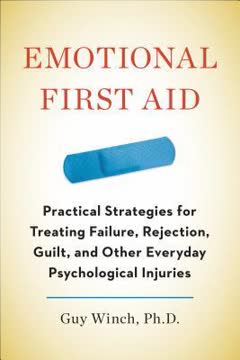
What's Emotional First Aid about?
- Focus on Psychological Injuries: Emotional First Aid by Guy Winch addresses common psychological wounds such as rejection, loneliness, loss, guilt, rumination, failure, and low self-esteem. It emphasizes treating these emotional injuries similarly to physical ones.
- Practical Techniques: The book provides science-based techniques that can be self-administered to alleviate emotional pain and prevent complications. Each chapter focuses on a specific emotional injury with actionable advice for recovery.
- Preventive Approach: Winch argues that applying emotional first aid can prevent more serious psychological issues, akin to treating minor physical injuries to prevent infection.
Why should I read Emotional First Aid?
- Address Common Issues: Many people experience emotional injuries but lack the tools to manage them effectively. This book offers practical strategies to address these common issues.
- Empowerment Through Knowledge: Understanding psychological wounds allows proactive steps to heal and improve mental health. Winch empowers readers to take charge of their emotional well-being.
- Accessible and Relatable: Written in an engaging style, the book makes complex psychological concepts easy to understand and apply in everyday life.
What are the key takeaways of Emotional First Aid?
- Emotional First Aid Techniques: Introduces techniques for treating emotional wounds, such as managing self-criticism and replenishing social connections, designed to be self-administered.
- Importance of Timely Treatment: Emphasizes addressing emotional injuries promptly to prevent worsening, similar to physical injuries.
- Recognition of Psychological Injuries: Encourages recognizing and validating emotional pain as a normal part of life, which is the first step toward healing.
What are the best quotes from Emotional First Aid and what do they mean?
- “It’s time we took our mental health more seriously.”: Highlights the importance of prioritizing mental health like physical health, advocating for a proactive approach to emotional well-being.
- “We have no such medicine cabinet for the minor psychological injuries we sustain in daily life.”: Points out the lack of resources for addressing everyday emotional pain, suggesting the need for an emotional first aid toolkit.
- “Once we know psychological aspirins do exist, we’d be foolish not to use them.”: Emphasizes the availability of effective techniques for managing emotional pain and encourages their use for better mental health.
How does Guy Winch define emotional first aid in Emotional First Aid?
- Emotional First Aid Defined: Describes it as the process of addressing and treating psychological wounds from everyday experiences, recognizing emotional injuries, and applying specific strategies to heal them.
- Importance of Timely Treatment: Stresses that timely intervention is crucial for emotional wounds, as delays can make them more entrenched and damaging.
- Practical Techniques: Provides techniques like reframing negative thoughts and practicing self-compassion to restore emotional health and resilience.
How does Emotional First Aid suggest we treat rejection?
- Acknowledge Emotional Pain: Emphasizes recognizing and validating the emotional pain caused by rejection as the first step toward healing.
- Manage Self-Criticism: Advises arguing with self-critical thoughts using counterarguments to foster a kinder self-perception, mitigating damage to self-esteem.
- Replenish Social Connections: Suggests reaching out to friends and loved ones to rebuild feelings of belonging and support, alleviating the pain of rejection.
What techniques does Guy Winch recommend for dealing with loneliness in Emotional First Aid?
- Replenish Social Connections: Encourages actively seeking social interactions and reconnecting with friends and family to combat loneliness and foster belonging.
- Engage in Activities: Suggests participating in group activities or hobbies that align with personal interests, leading to new friendships and connections.
- Practice Self-Compassion: Emphasizes being kind to oneself during lonely times, recognizing loneliness as a common experience to reduce feelings of isolation.
How can one apply emotional first aid to feelings of guilt according to Emotional First Aid?
- Effective Apologies: Highlights the importance of sincere apologies to those harmed, acknowledging the impact of actions and validating the other person’s feelings.
- Self-Forgiveness: Emphasizes the need for self-forgiveness when direct apologies are not possible, involving taking responsibility and finding ways to atone.
- Reengage in Life: Suggests focusing on living fully to mitigate survivor or separation guilt, engaging in meaningful activities for emotional healing.
What role does rumination play in emotional health according to Emotional First Aid?
- Cycle of Distress: Describes rumination as leading to intensified emotional pain, creating a vicious cycle of negative feelings that prolong sadness and hinder recovery.
- Impact on Mental Health: Notes rumination's link to mental health issues like depression and anxiety, impairing decision-making and problem-solving abilities.
- Need for Productive Reflection: Advocates finding ways to reflect on painful experiences that lead to insights, promoting healing and emotional growth.
How does Emotional First Aid suggest we find meaning in loss and trauma?
- Sense Making: Encourages exploring the “why” behind experiences rather than just the “how,” helping integrate experiences into a broader life understanding.
- Benefit Finding: Emphasizes identifying potential benefits or lessons from tragic events, leading to personal growth and a renewed sense of purpose.
- Action-Oriented Approach: Suggests taking action related to loss or trauma, like helping others or creating awareness, fostering connection and purpose.
How can I apply the techniques from Emotional First Aid in my daily life?
- Regular Self-Reflection: Encourages engaging in regular self-reflection to identify emotional wounds and apply appropriate treatments, maintaining emotional health.
- Utilizing Support Systems: Emphasizes utilizing support systems like friends and family to process emotional pain, providing a buffer against emotional injuries.
- Implementing Daily Practices: Incorporating techniques like self-compassion and reframing into daily routines strengthens emotional immune systems, leading to long-term mental health improvements.
When should I seek professional help according to Emotional First Aid?
- Persistent Emotional Pain: Advises seeking professional help if emotional pain persists despite applying the book's techniques, indicating deeper psychological issues.
- Interference with Daily Life: Suggests consulting a mental health professional if emotional injuries interfere with daily functioning, like work or relationships.
- Thoughts of Self-Harm: Stresses seeking immediate help if experiencing thoughts of self-harm or harming others, requiring urgent professional attention.