
Plot Summary
1. Sanctuary's Unseen Monsters Lurk
Ristan, half-Fae, half-Demon, monitors the Spokane Guild, protected by illusion. Though the Guild obsesses over sexual Fae, real monsters slip unnoticed—creatures that harm children and feed on more than lust. Ristan saves a boy from a skinning demon, revealing the Guild's blindness to true threats. Despite his power, he hides his nature, shaping himself to others' expectations. Cynical about those who would police his kind, Ristan serves a deeper obligation: he has agreed to watch over the Guild and its most vulnerable members, honoring promises rooted in loyalty and past pain. This establishes his dual motives: masking his identity while quietly protecting mortals oblivious to the dangers around them—a theme of unseen monsters, both within and without, that haunts the story's core.
2. Demon in Human Skin
Ristan's double life becomes an exercise in survival and manipulation. He masquerades as a Guild Enforcer, "Justin"—an identity fabricated with help from Elder Alden and digital trickery—earning trust and navigating bureaucracy. The Guild is teeming with young magic-users, many orphans, highlighting its role as both shelter and prison. Ristan's mind is as much a battlefield as the world outside, marked by memories of trauma, a monstrous father, and Danu, the predatory goddess who exploits his sexual and magical hunger. Despite his demonic curse, Ristan maintains restraint, channeling protective instincts towards Synthia's soon-to-be-born children. Guilt, longing, and duty intertwine—flirting with temptation, he refuses to let his darkness harm the innocent, positioning himself at the crossroads of desire and morality.
3. Library Under Watchful Eyes
The Guild's library is both sanctuary and stage for intrigue. Ristan's work draws him close to Olivia, the gentle and reclusive librarian, sparking an uneasy connection marred by secrets. Alden, the wise Elder, warns Ristan to tread carefully—Olivia's intellect hides reserves of strength, and her innocence could make her a pawn. The Guild itself stands on shaky ground, undermined from within as trust erodes and rumors of treachery flourish. Ristan and Alden debate destiny, prophecy, and the cost of violence, using Synthia's mother's murder as both a shadow and a spur for action. Ristan juggles loyalty—protecting Alden and the children—while contending with the manipulations of gods, the ambitions of enemies, and the perils of letting anyone too close.
4. Beauty and the Shadows
Ristan finds brief respite in Faery, where natural splendor contrasts with haunting memories. He gathers with the Fae, feeding off music, dance, and sexuality—a communal ritual that soothes hunger and offers fleeting catharsis. Yet even in Faery, past trauma lingers: transition scars, family betrayals, the goddess Danu's games. Synthia's pregnancy represents hope, but also anxiety, as the future remains clouded and visions fade. The puzzle to save Faery intensifies, with the need to find ancient relics linked to both survival and the past crimes of the Mages. The garden gathering is charged with longing, camaraderie, and the ache of unfinished business—a glimpse at the fragile network of family, found or forged, that Ristan seeks to defend.
5. The Mouse and the Predator
Olivia, overlooked librarian and teacher, bravely shepherds the Guild's children in a world turned predatory. Her longing for connection is subverted by Cyrus' watchful manipulation and her own growing attraction to "Justin"—not knowing he is Ristan in disguise. Her day-to-day is punctuated by small kindnesses and larger fears, as she observes, uncomprehending, the conflicts fracturing her sanctuary. Unbeknownst to her, she is the object of Ristan's reluctant fascination and of darker interests. The lines separating predator and protector blur. Simultaneously, Ristan's internal struggle grows: he hungers for Olivia, but his curse and Danu's wrath mean intimacy is dangerous. Their convergent paths, marked by denial, yearning, and unspoken danger, foreshadow devastating upheaval just ahead.
6. Truths Confessed, Lust Awakened
Ristan's growing obsession with Olivia tips from voyeurism to forbidden desire, witnessed alone in her private world. His hunger, sexual and magical, is stoked by his voyeuristic refusal to act as his instincts demand. Guilt and yearning battle restraint. When Danu, ever-manipulative, presses for his attention and soul, he succumbs only briefly, choosing release but resenting her control—and the way she prevents true connection to anyone else. Meanwhile, Guild machinations intensify: lines of loyalty remain blurred, and the trap for traitors—real and imagined—closes in. The convergence of inner and outer pressures prepares the main characters for collision, both violent and intimate.
7. Games of Trust and Betrayal
Olivia's role as pawn-and-spy is cemented as she's tasked by Cyrus, under threat, to help betray Alden and "Justin." Pushed by terror and guilt, she attempts to seduce Ristan, only to find herself both agent of his captivity and the victim of her feelings. Ristan, feeling both anger and reluctant compassion, must navigate a breakdown of trust, both with Olivia and within the Guild's collapsing structure. As new evidence of treachery emerges and power shifts from trusted leaders to villains, violence erupts. The sanctuary is overrun, children are endangered, and Olivia's choices—made under duress—have fatal consequences. Survival, now, depends on improvisation, sacrifice, and the hope of forgiveness.
8. Rules of Blood and Magic
Olivia, branded as traitor and unsure whom to trust, becomes Cyrus' prisoner and gateway: her blood, lineage, and magical insight are needed to access secret passages and ancient artifacts hidden beneath cathedrals and Guilds. The Mages' true plan surfaces—eradicating Fae through infiltration, betrayal, and the acquisition of ancient deadly relics. Ristan, tortured by guilt and incapacity to protect Olivia, seethes in magical captivity, watching as innocence is punished for the sins of those who manipulate from the shadows. Blood—magical and literal—becomes both currency and curse, a tool to open hidden doors and a trigger for violence and transformation.
9. When Loyalty Is Tested
As the Guild falls and internecine violence sweeps through the halls, Olivia's desperate gambits save the children but brand her as both savior and accomplice. Ristan, broken under torture, is forced to reevaluate his own reliance on rage, vengeance, and the hope that sacrifice can be redeemed. Synthia and the Fae, presumed betrayers, step in to rescue the innocent—blurring easy distinctions between monster and hero. The Guild's destruction marks the death of old certainties—and the birth of alliances forged through crisis, shared vulnerability, and hard-won empathy.
10. Sins, Lies, and Sacrifice
Violence, confession, and the need for atonement drive Ristan and Olivia together at last, in both passion and mutual scars. Through hunger, play, and the rituals of dominance and submission, they explore the bounds of trust, consent, and healing—turning trauma into a new language of connection. The past remains ever-present, as secrets about bloodlines, prophecy, and the true scope of the Mage threat emerge. Sacrifice threads through every victory: Synthia's near-death in childbirth, the cost of feeding for Ristan, and the rituals required to bring new life or avert annihilation.
11. Death in the Catacombs
The search for relics leads deep into the catacombs under ancient sanctuaries—spaces alive with wards, bones, runes, and ghosts. Blood sacrifices and the memory of earlier atrocities haunt the journey. Olivia's unique magical memory is revealed as the key to retrieving hidden knowledge, making her both target and asset. As alliances are tested, and the Mage's endgame is revealed, the need for survivors to work together—across difference, pain, and suspicion—becomes paramount. When the ultimate betrayal by Cyrus is enacted, it is only Olivia's ingenuity and courage that forestalls complete disaster.
12. The Unraveling of the Guild
As the dust settles, the reality of the Guild's corruption stands naked. The distinction between savior and traitor is recast as those who were condemned—Ristan, Synthia, Adam, Olivia—take up the mantle of rebuilding. Forgiveness and accountability are reconciled in the face of need: protecting children, reestablishing safety, and defending the walls of sanctuary learned through bitter loss. New leadership, new values, and new alliances are forged as the Guild's ancient walls are transformed into a new kind of home.
13. Chains, Collars, and Choices
Ristan claims Olivia as his, both owning and empowering her. Chains become not just instruments of restraint, but symbols for complex trust—offering safety after trauma and a language to work through mutual wounds. Sex, whether rough, tender, or playful, becomes a transformative power in itself, blurring the line between captor and lover. Olivia, having once been powerless, now chooses her fate, demanding agency and respect even as she yields to desire. Their relationship—centered around mutual vulnerability, the abeyance of shame, and hard-earned trust—becomes the crucible in which new selves and new futures are possible.
14. Hunger, Hurt, and Healing
Passion, more than spectacle, becomes healing as Ristan and Olivia turn bodily hunger, pain, and submission into reconciliation. Their sexual explorations serve not to punish, but to forge intimacy, communicate trust, and transcend the damage done by others. As both literal and figurative wounds are healed, their relationship transforms from captivity into partnership—one marked by candor, the sharing of secrets, and the willingness to see and be seen in full. This healing, however, is fragile, always threatened by enemies—both mortal and divine—who manipulate from the edges of their world.
15. The Maiden's Secret Heritage
Olivia's heritage is revealed to be linked not just to Guild politics, but angelic blood as well—making her a key to power for factions old and new. Her memories, protected by magic and lineage, hold the key to lost knowledge, even as her body and soul are contested space for Demon, Fae, and Angel alike. As she learns the truth about her origins, Olivia must reconcile love, obligation, and the burdens of powers she never asked for. The story's central tension—choosing one's own family, purpose, and fate—surfaces at last, as destiny collides with desire, and agency forges a new shield against chaos.
16. Love in the Shadows
The story's conclusion finds Ristan and Olivia, battered, shamed, but whole, choosing each other in a world still haunted by monsters—some defeated, some lurking still. The Guild, once a structure of order and oppression, is reborn through acts of forgiveness, collective action, and the formation of a home that is relationship, not walls. Synthia and Ryder, Adam and his family, Alden and the children, forge community through memory, honor, and shared resilience. Ristan and Olivia, now free, offer each other hope, desire, and the promise of kin-making stronger than war or blood.
17. Dagger, Destiny, and Deceit
The search for the Fae relic, a dagger hidden below cathedrals and guarded by prophecy and blood, becomes the final test of loyalty, survival, and self. Mages, Cyrus, and the legacy of old betrayals threaten to wipe out everything Ristan and Olivia have fought for. Only sacrifice—and the emergence of Olivia's true nature—can break the curse and allow the future to unfold. Destiny, foreshadowed by Danu's games and the machinations of gods and monsters, is redefined: not as slavery to the past, but as the promise forged in the crucible of love and pain.
18. Sanctuary's New Foundation
In the aftermath, the survivors gather among the ruins. Children are protected; leadership is shared; old rules are rewritten. The meaning of sanctuary is no longer obedience or blood purity, but chosen kinship, forgiveness, and the shared project of remaking a home. Ristan and Olivia, reunited, pledge not just passion but enduring connection—a love that can contain pain, memory, and the blessing of second chances. The war isn't over, but peace is claimed, one relationship at a time.
Analysis
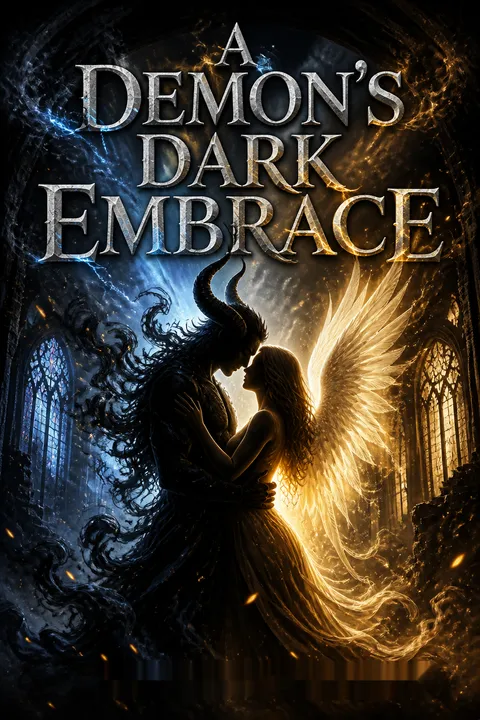
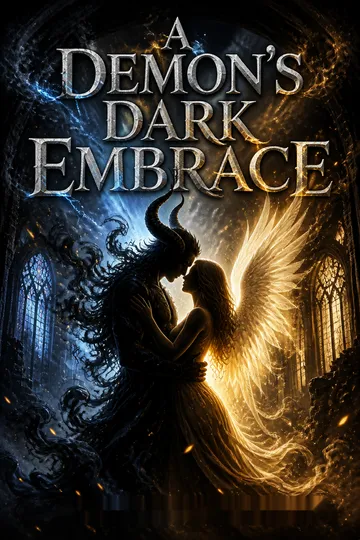
A Demon's Dark Embrace warps the standard urban fantasy romance into an interrogation of power, trauma, and healing. Hutchins uses the tropes of hidden heritage, supernatural politics, and kinky eroticism not just for spectacle but to stage transformations: how survivors reclaim agency; how monsters might choose humane action; how communities can be rebuilt from the ruins of violence and betrayal. The story operates on several levels: as a sensual, self-aware romance; a meditation on family—chosen or inherited; and a reflection on the costs of secrecy, obedience, and the slow work of forgiveness. In making both victim and monster vulnerable to one another, and in foregrounding healing, consent, and mutual reclamation, the novel reframes sanctuary away from walls and dogma to the fragile safety found only in honest, chosen relationships. Its enduring lesson is that love—won through pain, risk, and the refusal to be defined by fate—is the only true home, more powerful than the gods, the Guild, or the wounds of the past.
Review Summary
A Demon's Dark Embrace receives mixed reviews, averaging 4.24/5. Many readers loved Ristan from The Fae Chronicles but felt disappointed by the spin-off. Common complaints include the first 40-50% rehashing events from Seducing Destiny, weak chemistry between Ristan and Olivia, and Olivia being an underwhelming heroine compared to Synthia. Positive feedback highlights steamy scenes, Ristan's character depth, and world-building continuity. Most reviewers strongly recommend reading The Fae Chronicles series beforehand, as this book is not truly standalone despite being marketed as such.
People Also Read
Characters
Ristan
Ristan is a half-Fae, half-Demon whose power lies not only in magic but in his resilience to trauma and his refusal to become the monsters he's surrounded by. Both survivor and protector, he straddles two worlds: the sensual, magical world of Faery and the fraught, rule-bound organization of the Guild. Shaped by a cruel father, the manipulative, possessive goddess Danu, and the experience of becoming both predator and nurturer, Ristan represses his own power and hunger for connection—fearing what he may do. His relationship with Olivia evolves from predation to deep, fraught love, challenging his conviction that only withdrawal can keep others safe from the darkness within him. In love, Ristan discovers his truest strength: the ability to heal and be healed, to trust another with his pain, and to choose family as both duty and desire.
Olivia
Raised as a bookish, overlooked librarian, Olivia becomes the fulcrum upon which destiny's scales tilt. Her journey is marked by loneliness, longing, and the desperate quest for belonging. Pressured by authority and threatened by violence, she unwittingly becomes agent, pawn, and ultimately redeemer—for Ristan, the Guild's children, and the world itself. Her power is not just magical memory or angelic heritage, but an indomitable resilience: she risks everything to save those more vulnerable, succumbs to captivity on her own terms, and transforms pain into agency. Her love with Ristan is not a simple rescue, but a hard-won partnership that models the forgiveness, self-knowledge, and chosen kinship the new sanctuary requires. By the end, Olivia claims her identity—and her love—not as destiny, but as the choice to see, remember, and rebuild.
Danu
As creator, puppetmaster, and jilted lover, Danu represents both origin and ongoing threat. She binds Ristan to her as pet and tool, feeding on his pain and exploiting his hunger and longing, even as she refuses to love. Her interference stirs the conflicts that drive the plot, setting monsters loose and taunting men with desire and guilt. Her own pain—her inability to love, to be vulnerable—parallels the very monsters her son-follower Ristan fears becoming. In the end, her release of Ristan is both gift and test, offering the chance to break free from cycles of manipulation—but only if he dares to claim his own fate.
Synthia
Once an orphaned, hidden child within the Guild, Synthia becomes queen and mother in Faery—her journey reflects the total arc from powerlessness to agency. A pragmatic, blunt counselor and fierce defender, she challenges old rules and new threats. Her friendship with Ristan, and her willingness to forgive and empower Olivia, model the new order: one in which trauma is not denied, but worked through; leadership becomes service; and love is both weapon and healing.
Alden
Elder of the Guild, Alden is the blast anchor of calm, morality, and continuity amidst violence and betrayal. His mentorship of both Synthia and Olivia, his willingness to risk everything for the young and vulnerable, and his reluctance to abandon those in his charge mark him as the embodiment of the sanctuary's lost ideal—a home built on care and loyalty, not dogma or power.
Ryder
Ristan's brother and king of the Horde, Ryder epitomizes the struggle between inherited violence and the possibility of transformation. Forced to lead, to kill, and to love in a new way, his arc reflects the difficulties and hopes of building new faith and family in the wound's aftermath. His love for Synthia, and his willingness to forgive Ristan and Olivia, solidifies the possibility of chosen rather than merely inherited kinship.
Cyrus
Cyrus is the face of the Guild's rot: manipulator, traitor, abuser, and killer, convinced of his own rightness and the necessity of violence and eugenics. His exploitation of Olivia and the children, his willingness to destroy sanctuary for power, and his partnership with the Mages mark him as the story's central human antagonist. His ultimate defeat is both revenge and the necessary precondition for healing and rebuilding.
Adam
Once a Guild foster child, Adam's arc mirrors Synthia's: from orphan to rightful place as Dark Prince, his loyalty and trauma serve as both warning and hope. His refusal to follow blind orders, his critical thinking, and his willingness to forgive—coupled with his embrace of his power and new family—shows the story's investment in self-determination and found kinship as the route to peace.
Lucian
Owner of clubs, sender of quests, and broker of dangerous deals, Lucian maneuvers between order and chaos. His demand for evil relics and refusal to share the truth about their purpose cast him as a trickster-adjacent power—more invested in cosmic balance and his own pleasure than in simple heroism or villainy.
Gabriel
Olivia's secret father, now revealed as an Archangel, Gabriel embodies the risks and rewards of embracing one's true nature. His intervention comes at the crisis point, marking Olivia both as child of heaven and as someone who must reconcile divine heritage with free will and mortal love. His brief role is pivotal, ensuring that the heroine is not a pawn, but the center of her own story.
Plot Devices
Hidden Identities and Disguises
Many of the plot's conflicts are built around layered secrets: Ristan's false identity as Justin, Olivia's unacknowledged angelic heritage, the Guild's corrupt leaders, and the secret passageways. These concealed truths allow characters to move undetected, but also breed misunderstanding, betrayal, and crisis. The uncovering of identities—usually at moments of danger—signals transformation and deeper intimacy, forcing both reckoning and new alliances.
Intertwined Narratives and Multiple Loyalties
The narrative structure weaves together contrasting arcs: survival within the perilous Guild, the fight for Faery, sexual awakening and mutual healing, and the cosmic chess game between gods, demons, and mortals. Characters are often forced to choose between duty and desire, past and future, obedience and love. These conflicts propel hard decisions, and, ultimately, the forging of a "chosen" family stronger for its scars.
Blood Magic and Lineage
Blood—literal and figurative—is key to both obstacles and solutions. It empowers the magical wards, unlocks the catacombs, and marks the characters as valuable or cursed. The legacies of parentage—demonic, fae, angelic—are both burdens and blessings, and it is only through owning (and occasionally transcending) lineage that the cycle of violence can be broken.
Captivity and Consent
Erotic rituals—chains, collars, submission—pair with literal captivity and surveillance to test both agency and vulnerability. What begins as punishment or manipulation evolves into a language of trust, healing, and chosen connection. By reclaiming agency within the scripts of submission, both Ristan and Olivia find new power and self-understanding, making physical intimacy a medium for emotional growth.
Prophecy and Foreshadowing
Danu's and Ristan's prophetic glimpses foreshadow both doom and hope, calling attention to the dangerous temptation of certainty and the vital importance of choice. The story acknowledges the power of prophecy to shape, haunt, and sometimes mislead—requiring characters, finally, to choose what kind of future to build even while acknowledging the past.
Fae Universe Series Series
About the Author
Download PDF
Download EPUB
.epub digital book format is ideal for reading ebooks on phones, tablets, and e-readers.








































