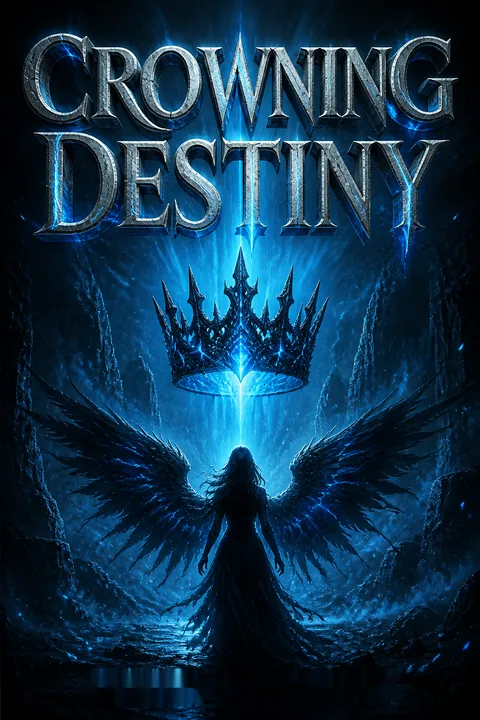

Plot Summary
Waking Without Memories
Synthia wakes with her mind erased, surrounded by fae strangers, an irritating dress, and heated glances she doesn't trust. Her allies—Adrian, Adam, and Alden—insist on incredible facts: she's married, a mother to triplets, and deeply involved in a fae war. She suspects they're all compromised, brainwashed by fae magic, and that she too is in danger of losing herself. Under suspicion and sexual tension, especially with the dominant fae Ryder, Synthia plans escape. But as reality bends and facts accumulate, confusion deepens—the world itself pulses with unseen threats, tricksy bargains, and tangles of fate.
Reality Wars and Rebellion
Synthia refuses to accept her new reality. Photos fail to convince her she has a family; her fierce denial amplifies. The only memories she trusts are her teenage self and first love for Adrian—but even he's become a vampire. As the fae torment her with reminders, Synthia clings to anger, determined to resist destiny. Ryder, dangerous and magnetic, goads her, pushing her buttons, craving her hatred almost as much as her affection. Hidden beneath the sarcasm and bravado, pain seethes—loss of her best friend, horror at the new "truth," and an unbreakable will to fight for control of her own fate.
Fae Hunger and Denial
Even as she resists, Synthia's body betrays her: Ryder's presence awakens energies and desires she cannot mute. The fae manipulate reality with supernatural seductiveness, using hunger, memories, magic, and the subtle threat of violence to subvert her will. A power struggle escalates—Synthia oscillates between plotting Ryder's death and being pulled toward him. Amid feasts, sexual innuendo, and fae politics, she clings to her humanity and principles, promising herself she'll never accept her apparent role as Ryder's "queen" or the "mother" of this fantasy realm.
Truths, Lies, and Losses
The façade begins to crack as Synthia is forced—by both trauma and affection—to choose between denial and survival. She discovers her supposed friends and mentors are compromised. Her magic, once reliable, is gone, making her vulnerable and desperate. Revulsion toward Ryder's dominance mixes with an awakening sense that she's bound to him—by force, fate, and a mystical soul-claim she cannot remember. Grieving what she cannot recover, Synthia's bravado starts giving way to fear and hidden longing for what she's lost.
Bargains in Faery
Ryder offers Synthia a deal: spend one week with him and, if she still wants to leave, she may, but under his terms. Desperate to protect her friends and regain her agency, she negotiates for a contract. As seduction and battle commingle, hidden truths and powers surface—her body and soul thrum with a connection she can neither explain nor sever. In nightly battles—both sexual and magical—Synthia tests the boundary between hate and desire, control and surrender, memory and instinct.
The Mercy of Powerlessness
Powerless, Synthia is forced into intimacy with Ryder. Magic fails her, leaving her at the mercy of fae desires and politics—but survival demands adaptation. She begins seeing fragments of forgotten power: growing wings, fae eyes, physical changes that alarm and intrigue. When seduction and attempted assassination blur, her subjective memories and objective reality merge—a potent mixture of horror, eroticism, and reluctant trust is born. Home is both cage and crucible; rage and vulnerability intermingle as Synthia pushes against all constraints.
A Pit Filled With Monsters
Betrayed once more, Synthia is thrown into a Seelie pit—an ancient magical prison. There, time shatters: hours become months, then years. She is torn apart daily, devoured, consumed—as monsters feed not only on her flesh, but her soul and memories. Under the rule of the enigmatic Malachi, she endures endless cycles of pain and pleasure, humiliation and longing. Her memories slip away; her self fractures; but something indomitable remains. In torment, the goddess within is forged.
Goddess of War Emerges
After decades of agony and manipulation, Synthia adapts, using the bones of tormented corpses and her own power to escape the abyss. Her soul burns with vengeance and loss—she is no longer just Synthia, but the Goddess of the Fae. Wings unfurl, power surges, and she claims dominion over herself and her destiny. She leaves a bloody message in her own blood, declaring her return and vowing revenge on those who betrayed her—most especially Ryder, who left her there.
Fury, Wings, and Revenge
Synthia escapes the pit to find Ryder and her allies. But the reunion is furious, fraught with violence: she attacks Ryder, unable to process her pain. For him, only days passed—for her, decades. Mutual guilt, accusation, and heartbreak rage between them. The magical and emotional chasm is enormous, but necessity forces them to unite against common threats—traitorous fae, monsters unleashed, gods and goddesses vying for power. Together, fractured but powerful, they prepare for the battles to come.
Fractured, Yet Unbroken
Synthia, colder and harder but unbroken, must learn to function as both leader and healer. Her body and soul, marked by torture and rebirth, exude new power and a queenly authority she cannot—and does not—reject. She's tested by nightmares, survivor's guilt, and the distant, tangled love for Ryder. Around her, war rages, alliances shift, and the burden of saving Faery falls on her battered but capable shoulders. Loss, motherhood, leadership, and love all twist together as she redefines her purpose.
Forging a Bloody Alliance
With Faery in chaos, Synthia uses her new authority to heal, feed, and unite the disparate castes. Once scorned and exiled, she now leads—commanding both fear and respect, stitching together a patchwork alliance out of feuding fae, druids, and monsters. Former enemies become her responsibility; pain becomes resolve. She spearheads the defense of the horde, solidifies her queenship, and channels the power of her goddesshood, never forgetting the cost.
Healing, Hunger, and Hope
The war's shattering aftermath gives rise to a fragile peace, but both Synthia and Ryder remain changed. Together—sometimes at odds, sometimes perfectly in tune—they find new pathways for love, powerful passion, and reluctant forgiveness. Bonded by battles, loss, and trauma, they struggle to trust, build, and rule together. Trials of leadership, war, love, and kinship entwine, healing begins, and hope flickers at the edges of old wounds.
Gathering the Broken
With war waning, Synthia and Ryder gather the broken remnants of Faery: alliances are rebuilt, enemies embraced or judged, and peace-seeking structures emerge. The trauma of long captivity and betrayal lingers, but leadership and healing—both personal and collective—take root. Synthia builds a new order for orphans, exiles, and survivors; Ryder, too, steps into a kingship defined by new values and vulnerable, honest love.
Rage in the Hordes
Hidden traitors threaten the fragile peace; Synthia must use every ounce of wit, magic, and will to keep the alliance from disintegrating. Old enemies reveal themselves, armies gather, and a final, brutal battle looms. As she and Ryder prepare for the last stand, Synthia must also accept the shifting tides of fate within her own family—children grown, destinies altered, and her own goddesshood demanding sacrifices she may not be able to bear.
Roots of Betrayal
Bilé, the God of Death, manipulates the war, revealing that treachery runs deeper than any imagined. The war's true cost becomes clear: the world's structure is built atop cycles of selfish gods, broken bargains, and genocide. Family lineage twists into a noose—Synthia must face both her own maker's lies and the responsibilities of supreme power. Only accepting her destiny—rather than running from it—can prevent Faery's final collapse.
Sacrifice for Survival
At the battle's climax, Synthia faces an agonizing choice: drink the essence meant to make her the new Tree of Life and lose herself forever, or allow another to make that sacrifice. Her brother Malachi—long imprisoned and now her silent savior—takes her place, granting her and Faery freedom. He becomes the world's new root, giving Synthia and her loved ones a chance at happiness. Synthia discovers that true power lies in choosing love and family over godhood.
The Last Stand
With Bilé defeated and the gods' grand plans foiled, Synthia and Ryder unite Faery's kingdoms, guiding them into an era of peace and justice. Old wounds are honored, traitors judged, and orphans sheltered. New palaces rise; friends heal; babies are born. Love, at last, becomes both shield and reward.
Birth of the New Queen
Synthia, carrying a new child, crafts a deeply imperfect but hard-won peace for Faery. Her children's fates are entwined with a future she cannot fully know—but trusts. Surrounded by allies and loved ones, she finally claims not only her right to rule, but her right to choose happiness. The story ends as always promised: not unscarred, but unbroken, loved, and—ultimately—free.
Analysis
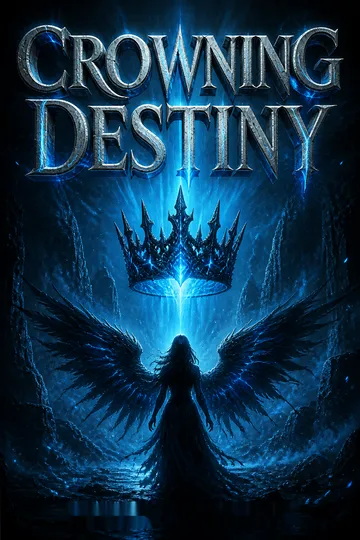
In Crowning Destiny
, Amelia Hutchins delivers not a simple romance or fantasy, but a sprawling meditation on trauma, agency, and the struggle to make meaning—and magic—out of suffering. Synthia's journey is a battle for self-authority, set in a world where gods, fae, and monsters routinely violate boundaries and rewrite destinies. Survival depends as much on memory and solidarity as on magic and might. The book subverts traditional genre tropes: its "love interest" is not easily forgiven, its heroine is not unblemished or easily healed, and every victory is purchased with real, often irreversible loss. It interrogates the difference between fate and choice, forcing its characters to earn love, trust, and peace through repeated self-examination and radical acts of forgiveness. Hutchins' narrative suggests that true heroism is not in winning wars or seizing thrones, but in constructing a new future from the scars of the past—choosing vulnerability, building community, and honoring pain as well as pleasure. The greatest lesson lies in Synthia's acceptance of imperfection: the queen Faery needs is not one born, but one who survives, adapts, and, ultimately, chooses to love—even when the world is at its darkest.
Review Summary
Reviews for Crowning Destiny are mixed, averaging 4.41/5. Fans praise the emotional journey of Syn and Ryder, the dual POV, and the world-building. However, many critics feel the series was unnecessarily stretched, with excessive filler, repetitive love declarations, and poor editing. Common complaints include an unsatisfying cliffhanger ending, character inconsistencies, Synthia losing her strength, and Ryder escaping consequences for his actions. While devoted fans appreciated the setup for future books, disappointed readers felt the finale failed to deliver the closure such a long series deserved.
People Also Read



Characters
Synthia Raine McKenna
Synthia begins the story fighting both the loss of her memories and the denial of her identity. Forced into the heart of fae politics, she resists until trauma, betrayal, and buried longing awaken the goddess within her. Her arc is both a journey of memory recovery and profound self-forging. Her greatest trial is captivity in the Seelie pit—years of torture, soul theft, and fractured reality. Hardened by torment, she emerges ruthless yet capable of compassion. As both lover and warrior, she defies manipulation, reclaims agency, and forges her role as the true Queen and living Goddess of Faery. She is driven by fierce loyalty, complex sexuality, and the pain of loving, losing, and forgiving—always at great cost.
Ryder (King of the Horde)
Ryder is Synthia's enigmatic and often infuriating "husband": dominant, seductive, and ruthlessly pragmatic. An ancient fae with immense power, he oscillates between loving Synthia and placing her in impossible situations. His greatest flaw is believing strength requires hardness—even if it means abandoning Synthia to horrific trials. Guilt is the shadow he cannot escape, and his love for Synthia is both salvation and curse. Over time, Ryder's complexity unfolds—as both a man haunted by the past and a king learning to be vulnerable. He helps Synthia heal, reign, and build a new world, even as he struggles with his part in her suffering.
Malachi
Malachi is the mysterious being who controls the Seelie pit—a soul-eater, ancient, and the secret sibling of Synthia. He is both tormentor and teacher, imprisoning and rebuilding Synthia. Driven by a longing for emotion and understanding, he consumes memories and pain to both study and love her. His ultimate sacrifice is to become the new Tree of Life, self-chosen as Faery's root to save Synthia from consuming her own destiny. He embodies both the cost and gift of selfless love.
Adrian
Adrian, Synthia's teenage first love, is transformed into a vampire and embodies both nostalgia and the impossibility of returning to innocence. His presence is a constant reminder of loss, change, and the price of survival. He remains loyal, though his heart is forever marked by Synthia's evolution and the shifting landscape of Faery.
Adam
Adam is Synthia's steadfast friend and one of the few to keep his sense in the tidal waves of fae magic. He is the anchor to her past, functioning as a measure of loyalty and humanity. His arc addresses grief, survivor's guilt, and the struggle to serve in a world where reality itself is malleable.
Alden
As Synthia's human "elder," he represents memory, humanity, and ethical stability. His power comes not from magic, but from enduring love, patience, and the wisdom of age. In the face of fae chaos, he preserves a sense of continuity, guiding Synthia toward self-acceptance and leadership.
Ciara
Ciara is part of Synthia's "chosen family" within the Horde, representing strength, humor, and the bonds that survive trauma. She aids Synthia in both battle and emotional healing, eventually collaborating to protect Faery's most vulnerable—its children and survivors.
Zahruk
Zahruk is a battle-hardened member of the Elite Guard, known for stoic resilience and loyalty. He resists leadership but ultimately becomes the new King of the Horde, symbolizing both continuity and the willingness to change for the greater good.
Ristan
Ristan provides both levity and wisdom amid darkness. His ability to withstand visions and loss, while still offering humor and perspective, becomes critical in helping Synthia (and the world) heal after the war.
Kahleena (Synthia's daughter)
As Synthia's daughter, Kahleena embodies both divine inheritance and innocence. Her destiny is marked by prophecy and power—she is the "next hope," whose future battles are hinted at but unresolved, leaving Faery's fate in a new generation's hands.
Plot Devices
Amnesia and Memory Manipulation
The narrative's central tension is driven by Synthia's lack of memory—every major relationship, alliance, and obstacle is filtered through her uncertain perspective. False memories, magically altered perceptions, and shifting realities force both Synthia and the reader to question motives and "truth." This device heightens suspense, drives character growth, and allows emotional stakes to escalate as real memories return.
Time Distortion (Relative Time in the Pit)
The "Seelie pit" magnifies trauma by distorting time—Synthia suffers for decades while only days pass for others. This generates both narrative urgency (will she recover at all?) and deep emotional conflict upon reunion, as the enormity of her suffering eclipses others' understanding. The narrative uses time distortion to underscore the irreparability of some wounds—and the slow, uneven process of healing.
Love-Hate Power Dynamic (Enemies to Lovers)
The romance plot is both a seduction and a battle—sexual attraction and emotional repulsion feed on each other. Ryder and Synthia's will-they-won't-they tension is supercharged with supernatural politics and physical surrender. Power imbalance is explored, upended, and ultimately balanced through mutual recognition of need, apology, and evolved forms of love.
Bargains, Contracts, and Fate
Contracts—both literal and magical—shape almost every pivotal moment. Synthia is forced to bargain her freedom, her love, and even her destiny in attempts to protect loved ones. The story leverages the tension between preordained fate and chosen destiny, making every act of agency a rebellion against oppressive cosmic powers.
Epic War and Alliance Building
The magical civil war in Faery—pitting castes, gods, and mortals—mirrors Synthia's own internal battle to reconcile orphanhood, trauma, and duty. The alliances she forges, and enemies she conquers or redeems, reflect her own evolution from victim to ruler and unify the story's diverse cast into a single narrative of survival and hope.
Sacrifice and Replacement
In the endgame, Synthia's intended self-sacrifice—drinking the Tree of Life essence—becomes the crucible for Malachi's heroism, upending both prophecy and cosmic expectations. The theme of self-sacrifice is examined and subverted: true power, the book suggests, lies not in martyrdom, but in choosing love, family, and a vision for a future beyond inherited trauma.
Healing and Surrogate Family
Recurring throughout is the idea that "family" is made, not just born: Synthia's tribe is a quiltwork of adopted kin, ex-lovers, monsters, and exiles. The transition from survivor to leader is charted by her willingness to embrace these connections, to both rule and restore a broken world with them.
Fae Universe Series Series
About the Author

Download PDF
Download EPUB
.epub digital book format is ideal for reading ebooks on phones, tablets, and e-readers.








































