
Plot Summary
War Clouds Rising
The novel opens on the edge of war as Synthia, pregnant with twins, is closeted in the Horde Kingdom, surrounded by allies and warriors. Her mate, Ryder, the newly crowned Horde King, is hyper-protective as threats of attack from Mages, old enemies, and traitors hover. Meanwhile, friends like Ristan and Alden work from the shadows to uncover betrayals and secrets lurking in the heart of the Guild and the kingdom. Synthia battles increasing anxieties—overcoming her mistrust of the Fae, grappling with her shifting identity, and fearing for her unborn children. The world's sickness and coming conflict force everyone to confront the sacrifices that war demands, as each harbors doubts about survival—and about the future the babies may inherit.
Confinement and Insecurities
Synthia's daily world shrinks under Ryder's strict protection, heightening feelings of loneliness and frustration at her own growing vulnerability. Her pregnancy restricts action, and her relationship with Ryder, though passionate, feels stagnant—lacking the explicit words of love she craves. She tries to bond with Ryder's circle and learn the Fae language and customs to fit in. Yet every new lesson, every encounter with the powerful and damaged women of the Horde, reminds her of her outsider status and stokes deep-rooted fears: that her desirability is a product of magical design, that her autonomy is slipping away, and, most of all, that the Fae world will never truly accept her or her children.
Secrets of Ancestry
A cascade of revelations shatters what Synthia thought she knew: Danu, Fae Goddess, is her true mother, having replaced a royal Fae embryo with her own demi-goddess child. Synthia was not merely fated for Ryder but crafted for him, destined to balance his darkness. This destabilizes her relationship—how can it be real love if it was engineered by a goddess for cosmic balance? When Synthia's secret comes out during a vicious Mage attack, Ryder's rage and her own heartbreak nearly end everything. Their trust is put to the test, forcing the couple to grapple with the hardest truth: to love freely, one must reclaim choices stolen by destiny.
Attack in the Throne Room
An invisible Mage force infiltrates the heart of the Horde, with the help of an insider. Synthia, trapped by magical crystals, fights desperately to protect her unborn twins. In a crucial moment, she reveals her demi-goddess heritage and calls on Danu for strength, ultimately laying bare her deepest secret to Ryder. The attackers are vanquished with Danu's help, but Synthia faces devastating consequences: Ryder's fury at her withheld truth, the crumbling of personal trust, and, lurking behind the chaos, the knowledge that the enemy is closer than anyone believes—even inside the palace walls.
Revelations and Betrayals
After saving the kingdom together, Synthia and Ryder's relationship collapses under the weight of Danu's machinations—Synthia's design as Ryder's destined mate, her lack of agency, and fears of conditional love. Ryder's pain turns into suspicion about the twins' true paternity, and Synthia's panic leads her to flee to Faery's heart, the ancient rowan Tree. There, the cost of destiny and engineered love is laid bare, and the couple must confront whether their choices and love can survive the exposure of fate's hand meddling in their lives.
Reunion at the Fairy Pools
Still emotionally wounded, Synthia is found by Ryder at the Fairy Pools. Instead of demanding submission, Ryder admits his own emotional isolation and offers—not love in Fae words, but the promise of partnership and protection. The pair tentatively rebuild connection, negotiating boundaries between fate and personal agency, as Synthia insists her own desires must matter. Their reconciliation is physical as well as emotional, as trust is rekindled through shared vulnerability, honesty, and the acceptance that piecing together love after betrayal is a matter of shared will more than destiny.
The Rift Between Lovers
As Ryder and Synthia take refuge in one another after so much tumult, a new closeness emerges—passionate, honest, and imperfect. They grapple with the knowledge of Synthia's divine origins, the tension between being engineered for each other and falling in love by their own volition. The looming dangers outside highlight the intensity and fragility of their present, pulling them ever closer as parenthood approaches and as Faery itself stands at a precipice.
Captured and Tortured
In a devastating betrayal, Synthia is abducted—impersonators and insiders orchestrate her kidnapping for the enemy, Faolán. Imprisoned, physically tortured, and facing the threat of preterm labor, Synthia's deepest vulnerabilities are exploited. The imminent birth of her children is weaponized against her, making her body both battleground and pawn. Friends and allies on the outside rally, unsure if they can rescue her in time, while the true enemy—Mage and fae traitor alike—closes in around her, threatening her life and that of her children.
Sacrifice and Rebirth
The rescue comes too late: Synthia, grievously wounded, sacrifices herself so that her children—a daughter and two sons—can be saved. In heart-shattering scenes, Ryder and Ristan mourn as Synthia dies, forced to be cut open so her children may live. Yet the pattern of sacrifice yields miracle—Synthia's spirit, shepherded by Danu, is reborn as the Goddess of Faery. Her rebirth is not just a return to life but a transformation into a greater, more powerful self, signifying both an end and a new beginning for the family, for Faery, and for Synthia's agency.
Goddess Ascendant
Synthia awakens in a new, divine body: no longer mortal, but neither fully fae, nor merely demi-goddess—she is now the appointed Guardian of Faery. Her return to the world shocks Ryder and the court; she is at once familiar and unfamiliar to all who loved her. The family is finally united—three miracle children, an immortal mate, a realm on tenterhooks. Synthia's challenge shifts from survival and romance to acceptance of her role as leader and goddess, learning new rules, and forging alliances with powerful courts and lesser fae alike.
Presenting the Heirs
The kingdom gathers for the presentation of the first triplets in Faery history: Synthia and Ryder's children. The event is not simply ceremonial but a political act; it unites (and tests) the fractured Fae, solidifies Synthia's legitimacy, and reaffirms Ryder's claim as King. The ceremony is marred by the necessary execution of traitors, enacted publicly to send an unequivocal message. Grudging oaths are sworn by allies old and new, even as Faery's wounds—and Synthia's doubts about her maternal and queenly competence—remain raw.
Allies and Oaths
In the aftermath, Synthia and Ryder oversee the gathering of allies: the lesser fae, the elemental courts, Elijah and the unclaimed fae, and even former adversaries. Overcoming old prejudices is not easy, and the world's unity is precarious. Ryder publicly exiles the Light King and Queen for collaborating with the Mages—a historic, unifying action for all the fae races. Synthia's own complicated family, including her birth and foster parents, join in supporting the new order. The family and the kingdom slowly coalesce, their fates now bound together.
Thawing the Tree
Despite alliances, Faery's land remains sick—its life Tree encased in deadly ice. Synthia, now Goddess, is compelled to solve the mystery of healing the rowan, a quest that synthesizes ancient magic, the sacrifice of the Elder Tree, the participation of Courts and commoners alike, and her own growing divine power. In a vision, she realizes her divine blood means her sacrifice can heal the land. The Elder Tree agrees to give its bark—at the cost of its life—promising rebirth in her new garden. This act liberates Faery's heart, offers salvation for her children, and for a time, halts the advance of darkness.
Destiny's Test
The arrival of Destiny—Danu's half-sister and Synthia's aunt—brings an even greater challenge. Destiny reveals the cosmic chess match shaping Synthia's journey: her suffering, death, and rebirth were crafted not to break her, but to transform her into the champion the land needs. Synthia realizes that only through pain and sacrifice can she seize her true agency, forge peace, and be reunited with Ryder and her children. Destiny also hints at more trials for those around Synthia, asserting that forging a new world requires not just love, but humility and leadership.
Salvation and New Beginnings
In an awe-struck gathering before the restored Tree, Synthia leads a ritual of acceptance, asking all fae to bless her children with their power and faith. Danu, once again manifest, bestows the land's blessing, and the triplets are accepted and healed. The family is truly united, the kingdom sees a future unfurling, and Synthia's transformation from pawn-in-love to powerful leader is at last complete. The moment is both intimate and epochal—here is a world on the cusp of change, delivered by the collective effort, hope, and sacrifice of so many.
A New Mortal Alliance
The crisis in Faery reverberates in the mortal world. Synthia and her allies—Alden, Adam, Vlad, and others—return to a divided Guild and hostile Humans. Accusations and executions threaten to escalate war between realms. Using diplomacy, demonstrations of power, and hard-earned trust, Synthia and Ryder steer the outcome—punishing the guilty among the Fae, exposing traitors within the Guild, and sparing those who wish for peace. A new alliance is forged and Synthia promises the creation of a new kind of Guild—one that protects both humans and fae, led by those who have seen both sides.
Ristan's Ordeal and Aftermath
Ristan's torturous captivity is revealed to be the result of a Guild traitor—Olivia, manipulated and terrified, but also capable of betrayal for self-preservation. Ristan, deeply wounded, claims the right to judge her fate. His pain and anger threaten to consume him, shifting relationships and raising difficult ethical questions for the family. Synthia, herself redeemed from brainwashing, pleads for understanding but must accept some crimes cannot be repaired by empathy alone.
Judgment at the Guild
The final reckoning at the Guild brings not just retribution for the guilty but a reckoning for all: Synthia must face the cost of her own past actions; Alden retires to lead a new, better sanctuary; and together they bear witness to the painful rebuilding. Synthia's commitment, justified by public acts of compassion and power, carves out space for cooperation and hope between fae and humans. The specter of war remains, but with restored balance, true alliances, and a clear path forward, the seeds of a better future are sown.
Hope Before the Storm
In the lull that follows healing the Tree and the miraculous survival of their children, Synthia and Ryder revel in small joys—marriage plans, family bonds, and the music of laughter. Yet beneath the surface, the knowledge that the Mages are regrouping, political intrigue simmers, and old wounds fester keeps all on edge. But armed with new-found unity, understanding, and determination, the family and their world stand together: ready to face whatever darkness might come, choosing each other and their realm again and again.
Analysis
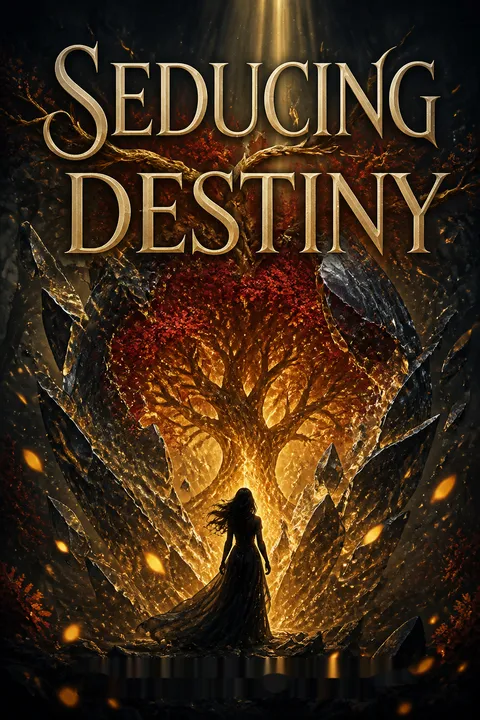
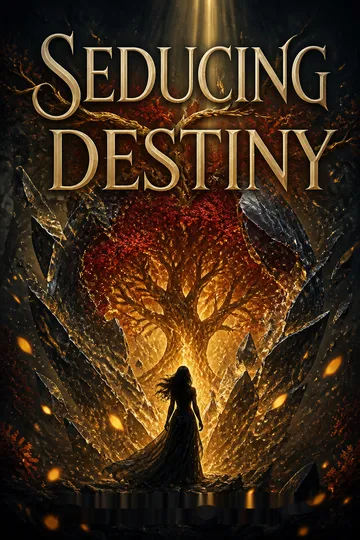
"Seducing Destiny" harnesses the energy of romantic fantasy to probe deeper existential questions about autonomy, legacy, and the cost of peace. Amelia Hutchins' narrative interrogates who we become when the world breaks us—and what we sacrifice to save what we love most. At its core, the book explores how trauma, agency, and responsibility intertwine: Synthia's transformation from pawn-child to goddess-queen mirrors the maturation of a traumatized, fractured land. Modern readers resonate not just with the epic battles and sensuality, but with the struggle to choose our own fates in a world hungry to script us otherwise. The story exalts vulnerability, communal effort, and the embrace of difference as paths to healing. Its lessons are timeless: that love only matters when freely given; that chosen family is as vital as blood; and that power, destiny, and justice are at their best when tempered by humility, empathy, and the will to build something better together. "Seducing Destiny" is thus not just the story of lovers, but of a world learning how to live, change, and hope again.
Review Summary
Seducing Destiny receives mixed reviews, averaging 4.19 stars. Fans praise the emotional depth, Ryder's romantic declarations, and the arrival of triplets, calling it epic and page-turning. Critics highlight issues including rushed pacing, poor editing, and inconsistent characterization — particularly Syn's changed voice and Ryder becoming passive. Many felt the BDSM-heavy sex scenes grew repetitive, while others loved the steam. Secondary character Ristan generated significant reader affection, with many eagerly anticipating his story.
People Also Read
Characters
Synthia Raine / Sorcha
Synthia is the soul of the narrative—a mortal-born enforcer who discovers her true divine ancestry, forged by Danu for a predestined purpose. Initially an outsider wracked by doubts about her worth and agency, Synthia's arc traverses love, betrayal, death, and resurrection. She is driven by fierce loyalty, maternal protectiveness, and a desperate need for authentic love outside fate's control. Through trauma and transformation—including literal rebirth as the Goddess of Faery—she evolves into a leader who fuses compassion, courage, keen intelligence, and humility, balancing personal desire with duty. The relationships she forges—with Ryder, her children, family, and friends—serve as her anchor and her test, guiding her through destiny's labyrinth toward self-defined power.
Ryder
Ryder, the enigmatic and intimidating Horde King, blends dominance and emotional vulnerability. Tempered by a brutal upbringing, he fears love as weakness, even as he cannot deny Synthia's claim on his soul. His arc is as much about learning humility and trust as it is about wielding power. Ryder's protectiveness often turns possessive, yet his growth is found in learning partnership—first as Synthia's mate, then as husband and father. His internal struggle with the beast within is mirrored by a desire to prove he is not his father's legacy. Ryder's transformation is the fulcrum of both intimate love and communal loyalty, ultimately choosing to stand beside Synthia as an equal and an anchor, not a master.
Ristan
Ristan is the comic relief and soul-brother to both Ryder and Synthia, his allegiance unwavering despite his personal torments. Scarred by family trauma and demonic violence, Ristan masks pain with humor and sensual bravado. Yet under every jest beats a fiercely loyal, deeply wounded heart. His arc is both physical and emotional: enduring torture, dealing with betrayal by a woman he grudgingly trusts, and finding redemption in protecting Synthia's daughter. Ristan's struggles with trust, trauma, and his own nature serve as a meditation on forgiveness, boundaries, and chosen family. His friendship is the foundation the others stand on, but his own healing remains incomplete—a fragile link that underscores the story's persistent themes of redemption and self-forgiveness.
Danu
Danu operates from both love and manipulation; as Synthia's creator, she orchestrates destinies, sacrifices, and rebirths, often keeping her true motives at arm's length. Danu's ethereal power is matched by emotional complexity: she is both nurturing and calculating, defined by cosmic responsibilities, deep regrets, and fierce maternal love. She embodies the existential tension between free will and fate, serving as both mentor and cautionary figure for Synthia and the realm. Her willingness to sacrifice, and to break godly rules for her children and grandchildren, ultimately helps save Faery—but not without cost to herself and the world.
Alden
As Synthia's foster father and Guild leader, Alden is the pillar of the mortal world—principled, stubborn, and quietly heroic. His role as protector and moral compass is complicated by guilt for past failures and the tragic realities of leadership during war. Alden's willingness to face blame, suffer for the innocent, and eventually relinquish his own authority reveals a humility and wisdom deeper than most. His connection to Synthia anchors both her past and her path to building a new, redemptive future for both fae and human communities.
Faolán
Faolán, once family, is twisted by envy and hurt into an enemy. His betrayal and capacity for violence—particularly his attempt on Synthia and her children—are matched only by flashes of the lost child he once was. Faolán is lamented as a tragic mirror: a warning of what becomes of those who lose themselves to resentment, manipulation, and the darkness of fae politics. He is the personification of irredeemable loss and the catalyst for some of Synthia's greatest sacrifices.
Adam
Adam, Synthia's childhood friend and the Dark Prince Heir, is the bridge between worlds: his steadfast, sometimes cheeky presence offers levity and grounding. A survivor with a moral center, Adam deeply values family, justice, and loyalty. He is also the emotional link who keeps Synthia tethered to her Earthly past. Throughout war, magic, and mayhem, Adam is the friend who sees her—the human, the mother, the goddess—and refuses to let her be reduced to just one role.
Zahruk
Zahruk is stoicism and loyalty personified—a paragon of Fae martial prowess and silence, often skeptical yet absolutely dependable. His pragmatic, sometimes harsh counsel balances the passions of Ryder and Synthia, and his reluctant emotional openness is revealed through his quietly protective actions. The interplay between Zahruk and Darynda, and his commitment to defending the vulnerable, point to a capacity for change and softer emotions beneath the warrior exterior.
Elijah
As King of the unclaimed fae and an uneasy "brother" to Ryder, Elijah represents outsiders within outsider cultures. Haunted by mixed heritage and old wounds, his journey is one of seeking belonging and purpose in a world that rejects and distrusts hybrids. His oaths and choices pose questions about loyalty, reconciliation, and the bridging of disparate communities. Elijah's cosmic perspective, seen through his connection with gods, angels, and fae, brings both wisdom and danger to the shifting alliances of Faery.
Kahleena, Cade, Zander (Triplets)
The three children represent prophecy fulfilled, but also the highest stakes of the personal and political wars raging around them. Kahleena, especially, becomes the focal point for themes of sacrifice, legacy, healing, and the possibility of a future unbound from ancestral guilt. Their survival galvanizes alliances, demands personal risks, and offers a vision of the next world—one not ruled by old hatreds, but by the hard-won chance for peace and healing.
Plot Devices
Engineered Destiny and Choice
The core narrative device is the clash between predestination—Synthia crafted as a mate for Ryder by divine design—and the struggle for personal agency. Recurring questions of free will shape nearly every action and relationship: Do we love by our own choice or by fate's hand? Can destiny be defied? This structure is reinforced by prophecies, the interventions of gods, and constant tests of loyalty; yet it is most powerful in the couple's refusal to be mere pawns, asserting their autonomy in moments both mundane and mythic.
Layered Betrayal and Redemption
The story cycles through betrayals, from personal (Synthia's secret, Olivia's treachery) to communal (fae courts, Mage plots)—each upending alliances and forcing hard reckonings. These betrayals are not ends, but pivots for character growth, redefining what love, loyalty, and repentance truly require. Redemption arcs abound, mirroring the larger healing of Faery: Synthia's resurrection, Ryder's embrace of love, Alden's atonement, Ristan's fight for peace, even the land's restoration after near destruction.
Sacrifice and Resurrection
Sacrifice shapes the plot: Synthia's willingness to die for her children, the death of the Elder Tree, and countless characters risking all for loved ones. These sacrificial acts are not only climaxes, but also mechanisms for transformation—personal, relational, and political. Rebirth follows death, both literally (Synthia's return as a goddess) and symbolically (family, kingdom, and alliances renewed), underscoring the painful, necessary cost of true change.
Political/Communal Ritual and Spectacle
Key events (the presentation of heirs, the unthawing blessing at the Tree) serve as turning points not just for individual characters but for society at large. They are staged to create unity, to signal justice (and the price for treason), and to win over hearts and minds. Public executions, blessings, rituals, and alliances highlight the interplay between spectacle and substance, power and vulnerability.
Dual Narrative Structure
Scenes often shift perspective between Synthia and Ryder (and occasionally Ristan), allowing emotional nuance, gendered contrasts, and narrative suspense. This device supports both the panoramic scale of the war and the interiority of love, pain, and doubt, drawing the reader to care about both the fate of a world and the fate of a single family.
Redemption Through Community
The narrative subverts the lone-hero trope, demonstrating that true salvation (personal, familial, or societal) is rooted in collaboration, forgiveness, unity, and the willingness to risk for others. Synthia, the "engineered" chosen, succeeds not by isolation but by relying on an ever-widening web of friends, allies, and kin—from gods and kings to the most "lesser" fae and human orphans.
Fae Universe Series Series
About the Author
Other books by Amelia Hutchins
Download PDF
Download EPUB
.epub digital book format is ideal for reading ebooks on phones, tablets, and e-readers.








































