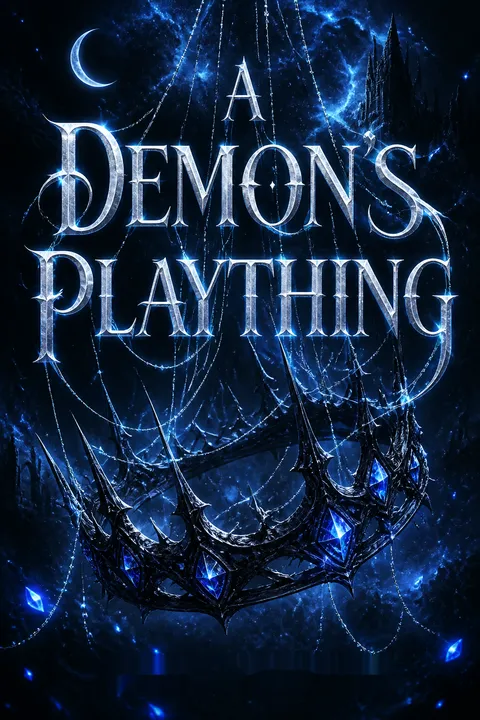

Plot Summary
Moonlit Summons and Sorrow
Lilith, the elusive and shadow-loving daughter of the Night Court's king, reluctantly answers her annual summons to court. She endures the familiar, crushing weight of expectations and unresolved grief over her murdered mother, the former Queen of Shadows. This year, her father shocks her: Lilith is to be wed—not as a privilege but as payment for the unpayable tithe owed to the brutal Horde. Instead of gold, Lilith's hand in marriage will erase ancient debts, merging old vengeance and new duty. Denied power over her own destiny, Lilith's resistance simmers beneath icy blue eyes as she's forced to confront her father's calculated sacrifices and the reality of being born into a legacy of loss and political bondage.
The Heir's Reluctant Bargain
The king's decision is final—Lilith must marry a Horde prince to save both the Night and Shadow Courts from ruin. Despite the trauma etched in their family's past—her mother slain, their court razed—her refusal is futile. The world around her crumbles as Faery itself teeters on the brink of war and starvation; her power as the rightful heir is now her prison. The Horde's offer is clear: a year and a day with whoever is sent, an heir born as collateral for peace and protection. Lilith seethes at her father's willingness to barter her life, rage-tears mirroring the scars left on both their hearts, but beneath her fury lies a weary resignation—she will bear this burden, if only to buy her people one more chance at survival.
Horde's Chosen Champion
Asrian, brother of the Horde King, is assigned as Lilith's groom—an enforcer with his own scars from a brutal heritage. He is anything but a romantic hero, dreading his role, and seeing the marriage as an odious task forced upon him by court politics and ancient oaths. While the Horde now claims to be more just than its monstrous former king, its reputation is stained by blood and conquest—including the destruction of Lilith's mother's court. Asrian's companions trade jokes, masking their own anxieties about similar fates. Amidst banter and threats, Asrian steels himself, intent on fulfilling his duty without losing more pieces of himself, unaware that in meeting Lilith, duty may become something far less certain—a challenge to every truth he once believed.
Ruins and Sibling Secrets
Fleeing her father's command and dreading the Horde's coming, Lilith seeks solace in the devastated ruins of the Shadow Court, joined by her secret sister Lara. Rage, fear, and helplessness seethe as they debate escape, subterfuge, and sacrifice. Their shared anguish binds them; both harbor wounds—Lara shaped by hidden lineage and trauma, Lilith by relentless loss and the weight of inheritance. Their plans to hide or fight unravel in the face of impossible odds. Together, they resolve not to bring more ruin upon their people, even as Lilith steels herself to meet her fate with the outsider. The love and pain between them is as tangible as the broken stones they inhabit—a fragile hope that endures even in exile.
Enemies Bound by Fate
Asrian and his brethren arrive at the ruined Shadow Court, met not with welcome but with arrows and ferocious defiance. Lilith, a skilled and proud warrior, refuses to be cowed by the giant Horde prince, her grief-fueled anger nearly lethal. The history of violence between their courts is palpable; every word, every gesture tinged with mutual suspicion and underlying attraction. Yet behind Asrian's brash exterior is understanding—a legacy of pain under a monstrous father. Their first encounter sets the tone: a collision of two forces, each alone, each marked by betrayal, each essential to their people's survival, both unwilling to acknowledge the magnetic pull of shared suffering.
A Marriage of Survival
In the Night Court, surrounded by suspicion and resentment, Lilith is formally handed to Asrian in a tense ceremony. Starkly aware she is a prize rather than a bride, Lilith balks at her new reality; Asrian matches her coldness with his own blunt honesty and bruised pride. Though strangers, their alliance is already fraught—the court's people go hungry as their rulers squabble. Asrian's unexpected gesture to feed the starving, sacrificing courtly tradition, challenges old prejudices. This fragile truce marks the start not just of a marriage, but of a test: can two people bound by duty and loss create something greater than the sum of their scars?
Shadows in the Night Court
Returning to the ruined Shadow Court, now with Asrian as her unwanted companion, Lilith is forced to confront the practical realities of shared rulership. Physical proximity breeds friction, suspicion, and a dangerous attraction. Meanwhile, her homeland's wounds are mirrored by her own: displaced people, shattered trust, and memories that torment. Silence and small encounters reveal vulnerability beneath their prickly exteriors; Asrian's presence, and his willingness to quietly support her, unsettle Lilith in ways both infuriating and unexpectedly comforting. Old structures—walls literal and emotional—begin to shift, creating space for a new, uneasy partnership.
Pain, Pleasure, and Power
The marriage bed, a stage for duty, becomes a battlefield for autonomy and vulnerability. Lilith, anxious and inexperienced, steels herself for an act meant simply to fulfill the bargain—the creation of an heir. Yet Asrian's refusal to force intimacy and his blunt honesty upend her expectations. Their connection ignites, complicated by loathing, longing, and growing respect; pain and pleasure entwine, each feeding the other. As their bodies and boundaries overlap, they confront the paradox of desire in the wake of violence. Both wounded, they find strange solace in each other—a bond raw, dangerous, but perhaps the first real choice either has made.
Truths and Betrayals Revealed
Hard-won intimacy exposes deeper fissures: secrets about Lara's lineage and hidden Horde blood; the revelation that not all the Shadow Court perished; the truth of their mother's fate. Lilith reels from betrayal—not only by her enemies, but also by her sister and her own displaced family. Grief, anger, and confusion drive her into isolation. Asrian tries—and fails—to bridge the chasm between them, his efforts leaving Lilith simultaneously furious and tempted by the loyalty he offers. The pain of survival is no longer just a wound but a force both shaping and threatening to unravel what fragile trust has begun between them.
Hidden Realms, Living Dead
The journey to the Hidden Realm brings Lilith and her reluctant entourage to a stunning revelation: her mother Liliana, believed long dead, is alive, leading her exiled people. Lara's heritage and Lilith's own sacrifices are laid bare; mother and daughters reunited under a burden of guilt and anger. Old truths crack open: the price of survival is more than blood—it is the trust and love shattered by abandonment and half-truths. Lilith, betrayed and overwhelmed, is forced to choose who she will be—scion of vengeance, or builder of something new. In this realm, the dead are not always gone, and the surviving must reforge their bonds or risk repeating old catastrophes.
Crowns, Claims, and Consequences
With her father dying and her court on the verge of civil war, Lilith is thrust into mortal danger. Treachery, fueled by politics and the poisonous accusation of being "soiled" by the Horde, leads to violence and bloodshed. Sisters become enemies as bids for the throne turn lethal. Yet Lilith's powers—born of night and shadow—prove decisive. Her mother's return and public support validate Lilith's right to rule. In a cathartic reckoning, Lilith claims both her trauma and her authority, redefining what it means to be queen—not just by title, but by survival, sacrifice, and the choice to lead her broken court towards healing.
Reunion, Rage, and Renunciation
Lilith's world is further shaken by confessions and renunciations: she publicly declines the Shadow Court, gifting it to Lara to ensure her sister's future and the survival of her people. Confronting her parents, she acknowledges their failings and her own wounds, but also dares to forgive—at least in part. The cost of reclaiming herself is the willingness to release old identities and burdens, to choose her own path. In doing so, she not only saves her sister but brings the cycle of suffering so many courts share into the open, setting the stage for a new era of rulership amid scars that will never wholly fade.
The Heir's Final Ascent
Amid pageantry and political infighting, Lilith is crowned Queen. Claims to her power are challenged—by tradition, prejudice, and those who cannot accept the blending of bloodlines and old enemies. Her choice of Asrian as king is contested, but backed by the force and threat of the Horde. Lilith, with newfound confidence, upends the narrative of the "soiled" queen: she reclaims her own worth, her people, and boldly chooses the man she once hated to stand beside her. The old world is gone: legitimacy now comes from endurance, the willingness to sacrifice, and the courage to forge one's own fate.
War, Wounds, and New Rulers
As Lilith and Asrian settle into their shared role, the threat of war looms ever larger over Faery. The courts' survival now depends not only on ancient magic and might, but on alliances forged through shared sacrifice and difficult forgiveness. The newly crowned pair, scarred by exile and betrayal, begin restructuring their court—inviting the starving inside, discarding the old hierarchies, and binding wounds both within themselves and their people. United, though not yet wholly trusting, they prepare to lead against the coming darkness—a testament to what can emerge from ruin.
Shadow Queen's Reckoning
Lilith's final struggles are internal as well as external. She contends with lingering anger—at herself, her parents, her history, and the centuries-long cycles of violence. Slowly, with the support of those who stood by her (and Asrian's patient if sometimes clumsy devotion), she learns to value softness as an alternative to endless armor. She replaces the urge for personal revenge with the resolve to lead differently, to feed and shelter even those who doubted or hurt her. In doing so, she moves from haunted child to true ruler—both shadow and light, heir and queen, survivor and creator of her people's new story.
Love Among the Fallen
Amid the duties and traumas of ruling, Lilith and Asrian's relationship deepens into true partnership. Arguments and misunderstandings—over children, legacy, and trust—become opportunities for growth. Old prejudices are faced and partially overcome; where there was only physical need, now there is vulnerability. Their passion, once a byproduct of violence and necessity, flourishes into something steadier and more healing, symbolizing the possibility of hope even for those born as casualties of ancient conflict. Their union, imperfect and hard-earned, becomes the promise of a new order built on hard truths and chosen love.
Promises Beneath Night's Crown
Lilith, at last, stands as the Night Court's queen, with Asrian, the once-hated Horde prince, her king by choice and not just bargain. The kingdom's hungry are fed; the people are protected, and the cycles of vengeance begin, ever so slowly, to break. Love—complex, wary, and braided through pain—is chosen, not stumbled into, and finally reciprocated. As queen and king, they vow to rule differently—to let the ruins of the past become the foundation of something survivable, even beautiful. Under the moon's auspices, their story closes not with a perfect happiness, but with the realization that hope, courage, and forgiveness are their own kind of magic—that love, like power, is earned in the shadows.
Analysis
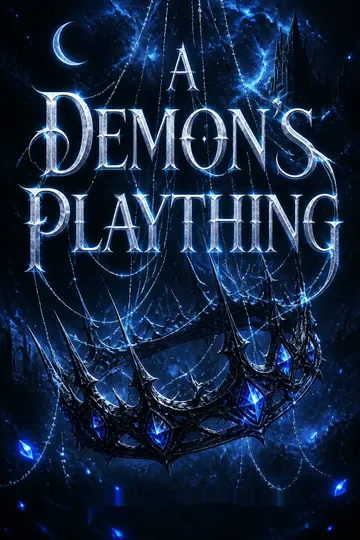
**"A Demon's Plaything" is a dark, romantic fantasy that interrogates cycles of trauma, power, and agency through the lens of Fae politics and forced marriage. At its core, the story challenges the notion of legacy by placing brutal realities—war, familial abandonment, sexual violence—alongside reluctant, hard-won hope. The emotional journey of Lilith, from pawn in a patriarchal game to queen in her own right, is marked by pain, betrayal, and the necessity of forgiveness. The narrative critiques both the false sanctity of tradition and the limitations of vengeance, advocating instead for inconvenient compassion and the forging of new alliances, even (and especially) among old enemies. Lilith and Asrian's romance is neither simple nor redemptive in a traditional sense; rather, it asks what true partnership and leadership look like in a world determined to break those who inherit it. By foregrounding imperfect, deeply human (and Fae) decisions, Hutchins reminds us that love, power, and self-worth are shaped by the willingness to remake the ruins into home—a promise always forged, never found whole.
Review Summary
A Demon's Plaything holds an overall rating of 4.23/5. Readers enjoyed the banter between characters and the enemies-to-lovers dynamic between Lilith and Asrian. Many praised the emotional depth achieved despite its novella length. Common criticisms include the story feeling rushed, insta-lust replacing genuine development, and Lilith's initial unlikability. Several longtime series fans noted the broader Fae Chronicles universe has lost momentum since book four, though most agreed this was an enjoyable, if brief, addition to the world.
People Also Read
Characters
Lilith
Lilith, the protagonist, is the only legitimate heir of both the Night and Shadow Courts, marked by the trauma of her mother's murder and a life spent in the shadow of political machinations. Resistant to submission and fiercely independent, Lilith's icy exterior is a defense against abandonment and betrayal. Her relationship with her father is fraught with disappointment; her only solace comes from her sister, Lara, and the ruined palace she calls home. Despite a legacy of power, her status as a pawn—bartered in marriage—fuels her initial rage and self-doubt. Across the narrative, Lilith evolves from a woman running from trauma to one who accepts painful truths, embraces both her vulnerability and ruthlessness, and ultimately forges a partnership—and a new dynasty—from the ruins of her past.
Asrian
Asrian is a prince of the dreaded Horde and brother to the current king. Scarred by a brutal upbringing under a monstrous father, his masculinity is both a point of pride and a source of pain. Initially, he sees his forced marriage to Lilith as penance rather than privilege, his gruffness and candor a shield for a surprisingly sensitive soul. With little faith in love and haunted by the Horde's legacy of violence, Asrian nonetheless finds in Lilith a mirror of his own suffering—and a chance at healing he never sought. His journey is one from pragmatic enforcer to true partner, learning to offer comfort and accept vulnerability without sacrificing strength.
Lara
Lara is Lilith's half-sister, a child of both the Shadow Court and the Horde—her hybrid heritage kept secret for her safety. Enduring trauma, isolation, and fear, Lara clings fiercely to her bond with Lilith, her only constant. Empathetic and gentle, she nevertheless shoulders the weight of legacies not chosen, becoming heir to the Shadow Court when Lilith renounces it. Her arc is one of acceptance—of self, family, and the complicated loyalties demanded by love. She embodies the pain of being caught between worlds, but also the hope of reconciliation and transformation.
Liliana
Liliana, Lilith's mother, was once the Queen of Shadows—thought slain, she survives in exile, hiding and leading her scattered people. Her choices—abandoning her daughters to protect a greater good—are both understandable and deeply wounding. To her children, her absence is both a wound and a lesson about the cost of leadership. Liliana's return brings catharsis and conflict, forcing Lilith and Lara to confront the difference between survival and living. Her complexity lies in being both a victim and an agent of her own fate, deeply loving yet often emotionally inaccessible.
Leonidas
The king of the Night Court, Leonidas is defined by his strategic ruthlessness and inability to parent his only legitimate heir. Devastated by the loss of his beloved Liliana, his grief curdles into emotional neglect and calculation—willing to barter Lilith for political survival. As he faces death, he expresses remorse but also reasserts Lilith's place as heir, allowing her to claim her agency at last. His legacy is a cautionary tale: power untempered by compassion breeds broken heirs, but moments of late honesty can still heal ancient wounds.
Ryder
The reigning Horde king, Ryder, is determined to end the horrors wrought by his father's rule. Driven by a sense of justice and haunted responsibility, he orchestrates the marriages between Horde and other courts, hoping to foster peace rather than destroy it. Pragmatic where others rely on tradition, Ryder is both a threat and an unlikely ally—capable of enforcing brutal justice but also supporting Lilith's ascent. He serves as both antagonist and mentor, representing what happens when power seeks to redeem itself, however imperfectly.
Synthia
Synthia, Ryder's consort, is a modern figure—a queen, a goddess, and a fierce mother. She disrupts old hierarchies through empathy and wit, mediating between ancient laws and new realities. Her empathy and pragmatic wisdom help Lilith understand that survival requires more than strength; it demands forgiveness, adaptability, and openness to change. Her example shows that leadership is about transformation, not perfection.
Sinjinn, Cailean, Torin
These Horde princes serve as Asrian's companions and foils—each dealing differently with their father's legacy and the demands of political alliances. They provide comic relief, pragmatic support, and occasional insight, showing that kinship and rivalry can coexist in even the most brutal circumstances.
Cade
Cade represents what might have been—a match born of politics and hope, but lost to Lilith's fate. His inability to support Lilith's choices, especially in the wake of her "defilement" by the Horde marriage, highlights the limitations of tradition and the necessity for new kinds of love and family.
The Shadow and Night Courts
The devastated Shadow Court and fading Night Court are more than settings—they symbolize the psychic and social costs of endless war and betrayal. Rebuilding them means healing the characters' inner lives, confronting the past, and daring to imagine a future beyond revenge.
Plot Devices
Forced Marriage and Inheritance
The centuries-old tradition of tithes—paid either in goods or flesh—serves as both catalyst and crucible. The forced marriage is not just a personal horror, but a social contract—one meant to resolve ancient debts and crimes by tying enemy bloodlines together. This device exposes the cost of peace in a world built on vengeance; survival necessitates self-sacrifice, and autonomy is often lost amid duty. The year-and-a-day bargain is an ancient motif, updated here into a negotiation between personal agency and collective need, foregrounding questions of worth, belonging, and consent.
Traumatic Cycles and Betrayal
The story is built on cycles—of violence, inheritance, mistrust, and survival. Trauma is passed from parent to child, kingdom to subject, love to betrayal. Revelations—the true fate of Lilith's mother, Lara's hidden bloodline, the living dead—are doled out through foreshadowing and withheld information, keeping both characters and readers in a state of constant uncertainty. These devices create tension and deepen the psychological stakes, ensuring that growth can only come through painful acknowledgment and forgiveness.
Duality and Transformation
The narrative juxtaposes light and darkness, war and peace, pain and pleasure at every level—from individual psychology to the fate of nations. Characters must integrate their darker, wounded selves to attain power and intimacy. The ruins of old courts become spaces of action and rebirth; physical intimacy becomes a means of healing trauma; crowns are won not only by bloodline but by a willingness to transform one's own fate. The motif of "one year and one day" bookends the journey from coerced union to chosen love, from haunted exile to sovereign ruler.
Fae Universe Series Series
About the Author
Download PDF
Download EPUB
.epub digital book format is ideal for reading ebooks on phones, tablets, and e-readers.








































