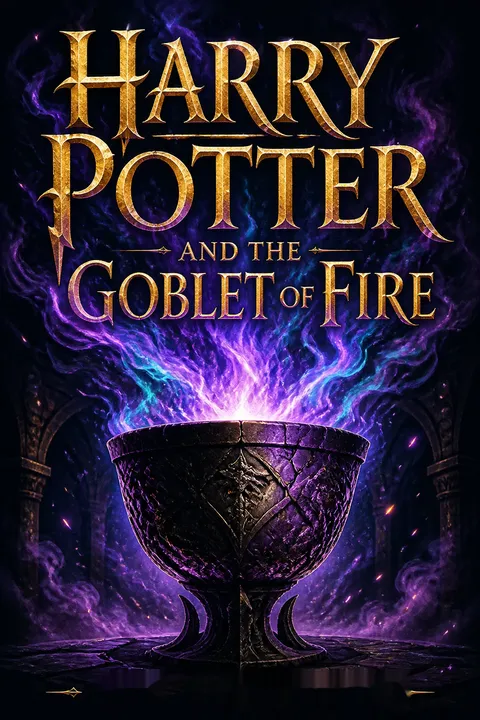
Resumen de la trama
Los Oscuros Secretos de la Casa de los Riddle
En Little Hangleton, la Casa de los Riddle se erige como un sombrío recordatorio de un asesinato ocurrido hace cincuenta años. La familia Riddle fue encontrada muerta, y Frank Bryce, el jardinero, fue inicialmente sospechoso, aunque luego liberado. Ahora, la casa es visitada rara vez, salvo por Frank, quien la mantiene. Una noche, Frank investiga unas luces en la casa y escucha a Colagusano y una voz aguda conspirando la muerte de Harry Potter. La voz, perteneciente a Lord Voldemort, mata a Frank, preparando el escenario para los oscuros acontecimientos venideros.
El Misterioso Dolor de la Cicatriz
Harry Potter despierta de un sueño vívido con su cicatriz ardiendo, señal de la proximidad de Voldemort. El sueño involucraba a Colagusano y Voldemort planeando un asesinato, dejando a Harry inquieto. Considera escribir a su padrino, Sirius Black, en busca de consejo. A pesar del desprecio de los Dursley, Harry encuentra consuelo en la idea de regresar pronto a Hogwarts. Decide escribir a Sirius, buscando guía y tranquilidad en medio de la creciente inquietud.
La Invitación a la Aventura
Harry recibe una invitación de los Weasley para asistir a la Copa Mundial de Quidditch. A pesar de la reticencia del tío Vernon, Harry consigue permiso insinuando la posible ira de Sirius. La carta de Ron, entregada por una pequeña lechuza llamada Pigwidgeon, confirma el plan. Harry se prepara con entusiasmo para el viaje, ansioso por dejar a los Dursley y unirse a sus amigos en el evento más destacado del verano, dando inicio a una aventura inolvidable.
El Espectáculo de la Copa Mundial de Quidditch
La Copa Mundial de Quidditch comienza con un deslumbrante despliegue de magia y habilidad. Los equipos de Irlanda y Bulgaria muestran su talento, con Viktor Krum, el buscador búlgaro, capturando la Snitch pero perdiendo el partido. El público queda fascinado por el juego y las mascotas, que incluyen veelas y duendecillos. El evento es una celebración de la cultura y el deporte mágico, lleno de emoción y camaradería, aunque la alegría dura poco ante la sombra que se avecina.
El Terror de la Marca Tenebrosa
Tras la Copa Mundial, estalla el caos cuando Mortífagos atacan el campamento, aterrorizando a los muggles. En medio del pánico, la Marca Tenebrosa, símbolo de Voldemort, aparece en el cielo, causando miedo generalizado. Harry, Ron y Hermione presencian el evento y son interrogados por funcionarios del Ministerio. El incidente plantea dudas sobre el regreso de Voldemort y la lealtad de sus seguidores, ensombreciendo el mundo mágico.
El Anuncio del Torneo de los Tres Magos
De regreso en Hogwarts, se anuncia el Torneo de los Tres Magos, un concurso mágico entre tres escuelas: Hogwarts, Beauxbatons y Durmstrang. Consiste en tres tareas desafiantes que ponen a prueba el valor, la inteligencia y la habilidad mágica de los campeones. El torneo sirve como telón de fondo para la historia, presentando nuevos personajes y conflictos. Simboliza la unidad y los peligros de la ambición, cuando Harry se convierte inesperadamente en participante.
El Drama Inesperado del Baile de Navidad
El Baile de Navidad trae emoción y tensión mientras los estudiantes buscan pareja para el evento. Harry lucha por encontrar cita y finalmente asiste con Parvati Patil, mientras los celos de Ron por la cita de Hermione con Viktor Krum provocan una acalorada discusión. El baile revela sentimientos y rivalidades ocultas, con Hermione defendiendo su postura frente a las acusaciones de Ron. La noche termina con emociones sin resolver y nuevas dinámicas entre amigos, reflejando las complejidades de la adolescencia.
El Desafío Subacuático de la Segunda Tarea
A medida que se acerca la segunda tarea, Harry lucha por encontrar una forma de respirar bajo el agua. A pesar de sus esfuerzos en la biblioteca, no está preparado. El día de la prueba, usa algas mágicas, proporcionadas por Dobby, para transformarse y respirar bajo el agua. Harry rescata con éxito a Ron de los hombres peces, demostrando valentía y astucia. La tarea fortalece su determinación y le gana el respeto de sus compañeros, mostrando su crecimiento y resolución.
Los Peligros del Laberinto
La última tarea del Torneo de los Tres Magos comienza con Harry y Cedric entrando en un vasto y oscuro laberinto. Mientras navegan por sus sinuosos caminos, encuentran diversas criaturas mágicas y encantamientos, incluyendo un escórpido explosivo y una esfinge. El ingenio y la magia de Harry le ayudan a superar estos desafíos. Al escuchar el grito de Fleur, se da cuenta de que el laberinto es más peligroso de lo previsto. A pesar de los riesgos, Harry y Cedric llegan juntos a la Copa de los Tres Magos, decidiendo compartir la victoria. Sin embargo, la copa es un Traslador que los transporta a un cementerio donde Voldemort los espera.
El Terrorífico Regreso de Voldemort
En el cementerio, Harry y Cedric son emboscados por Colagusano y Voldemort. Cedric muere al instante y Harry es atado a una lápida. Mediante un ritual oscuro que involucra la sangre de Harry, la carne de Colagusano y el hueso de Tom Riddle Sr., Voldemort recupera su cuerpo. Los Mortífagos se reúnen y Voldemort revela sus planes, castigando a sus seguidores por sus fracasos pasados. Desafía a Harry a un duelo, pero sus varitas se conectan en un raro fenómeno mágico que provoca la aparición de ecos de las víctimas pasadas de Voldemort, incluidos los padres de Harry. Estos ecos ayudan a Harry a escapar con el cuerpo de Cedric.
La Verdad Revelada
De regreso en Hogwarts, Harry está en shock pero logra contarle a Dumbledore y a Sirius sobre el retorno de Voldemort. Dumbledore escucha atentamente, comprendiendo la gravedad de la situación. Mientras tanto, Barty Crouch Jr., disfrazado de Ojoloco Moody, es revelado como el cerebro detrás de la participación de Harry en el torneo. Bajo la influencia del Veritaserum, Crouch confiesa su papel en el plan de Voldemort. Dumbledore actúa con rapidez para garantizar la seguridad de Harry y se prepara para enfrentar al Ministerio con la verdad.
El Llamado a la Acción de Dumbledore
Dumbledore confronta a Cornelius Fudge, el Ministro de Magia, sobre el regreso de Voldemort, pero Fudge se niega a creerlo. Dumbledore insiste en tomar medidas inmediatas, incluyendo contactar a los gigantes y retirar a los dementores de Azkaban. La negación de Fudge provoca una ruptura con Dumbledore, quien comienza a reunir aliados para prepararse para el conflicto venidero. La determinación de Dumbledore para luchar contra Voldemort es firme, y convoca a miembros confiables de la comunidad mágica a unirse a él.
Las Secuelas de la Tragedia
La escuela está de luto por Cedric Diggory, y Dumbledore se dirige a los estudiantes, enfatizando la importancia de la unidad y la verdad. Honra la valentía de Cedric y advierte sobre los tiempos oscuros que se avecinan. Harry lucha con la culpa y el dolor, pero encuentra consuelo en el apoyo de sus amigos y la familia Weasley. Al finalizar el año escolar, Harry reflexiona sobre los eventos y los desafíos que le esperan. A pesar de la incertidumbre, está decidido a enfrentar lo que venga.
Un Nuevo Comienzo
Al regresar a Privet Drive para el verano, Harry siente un presentimiento sobre el futuro. Entrega sus ganancias del Torneo de los Tres Magos a Fred y George para ayudarles a abrir su tienda de bromas, con la esperanza de traer algo de alegría en tiempos oscuros. La determinación de Harry se fortalece con el apoyo de sus amigos y la certeza de que no está solo en la lucha contra Voldemort. Sabe que debe estar listo para los desafíos que le esperan en el próximo año.
Personajes
Harry Potter
Harry se ve envuelto en un enfrentamiento mortal con Voldemort, presenciando el regreso del Señor Tenebroso y el asesinato de Cedric Diggory. A pesar del trauma, relata con valentía los hechos a Dumbledore, mostrando su resiliencia y determinación para luchar contra Voldemort. Sus experiencias profundizan su comprensión de los peligros que enfrenta y la importancia de la unidad y el coraje.
Ron Weasley
La lealtad de Ron hacia Harry se pone a prueba por los celos e inseguridades, especialmente durante el Baile de Navidad. A pesar de estos retos, finalmente apoya a Harry, demostrando la fortaleza de su amistad. El camino de Ron refleja las complejidades de la adolescencia y la importancia de la reconciliación.
Hermione Granger
Hermione permanece como una aliada firme de Harry, usando su inteligencia para ayudarle a prepararse para el torneo. Su compromiso con la justicia y la igualdad se evidencia en su defensa de Hagrid y sus esfuerzos con S.P.E.W. Equilibra sus estudios con sus relaciones personales, actuando a menudo como la voz de la razón.
Voldemort
Voldemort regresa al poder mediante un ritual oscuro, ansioso por recuperar su dominio sobre el mundo mágico. Su crueldad y ambición se manifiestan al castigar a sus seguidores e intentar matar a Harry. Su retorno marca un punto de inflexión, preparando el terreno para un renovado conflicto con Dumbledore y sus aliados.
Cedric Diggory
Cedric es un campeón del Torneo de los Tres Magos que muestra justicia y valentía durante la competencia. Su muerte prematura a manos de Voldemort es un golpe devastador para la comunidad mágica, simbolizando la pérdida sin sentido causada por el regreso del Señor Tenebroso. Su memoria se convierte en un símbolo para quienes se oponen a Voldemort.
Barty Crouch Jr.
Disfrazado de Ojoloco Moody, Crouch manipula los eventos para asegurar la participación de Harry en el torneo. Su confesión bajo Veritaserum revela su lealtad a Voldemort y su papel en el plan del Señor Tenebroso. Las acciones de Crouch evidencian los peligros del engaño y hasta dónde llegan los seguidores de Voldemort.
Dumbledore
Dumbledore es una figura firme, decidido a unir al mundo mágico contra Voldemort. Enfrenta a Fudge con la verdad y comienza a organizar la resistencia. Su liderazgo y sabiduría son cruciales para preparar los desafíos venideros, subrayando la necesidad de unidad y valentía.
Sirius Black
Sirius está profundamente preocupado por la seguridad de Harry y lo apoya durante los eventos traumáticos. Está dispuesto a actuar contra Voldemort, demostrando su compromiso con la lucha. Su presencia brinda a Harry un sentido de familia y respaldo, reforzando la importancia de la lealtad y la amistad.
Cornelius Fudge
Fudge se niega a aceptar el regreso de Voldemort, priorizando la estabilidad política sobre la verdad. Su negación y renuencia a actuar generan tensiones con Dumbledore y dificultan la preparación para el conflicto. Sus acciones ilustran los peligros de la complacencia y la necesidad de un liderazgo decidido.
Alastor "Ojoloco" Moody
El verdadero Moody es descubierto preso en su propio baúl, habiendo sido suplantado por Barty Crouch Jr. durante el año escolar. Su experiencia resalta los peligros del engaño y hasta dónde llegan los seguidores de Voldemort para lograr sus objetivos.
Recursos Narrativos
El Torneo de los Tres Magos
El Torneo de los Tres Magos es un concurso mágico entre tres escuelas: Hogwarts, Beauxbatons y Durmstrang. Consiste en tres tareas desafiantes que ponen a prueba el valor, la inteligencia y la habilidad mágica de los campeones. El torneo sirve como telón de fondo para la historia, presentando nuevos personajes y conflictos. Simboliza la unidad y los peligros de la ambición.
La Marca Tenebrosa
La Marca Tenebrosa es un símbolo mágico usado por Voldemort y sus seguidores, los Mortífagos. Es una calavera con una serpiente saliendo de la boca, conjurada para infundir miedo. Su aparición en la Copa Mundial de Quidditch señala el creciente poder de Voldemort y el regreso de sus seguidores. Representa el miedo y la lucha contra la oscuridad.
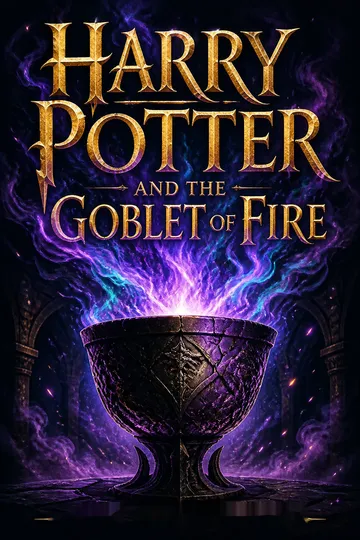
La Copa de los Tres Magos
La Copa de los Tres Magos, símbolo de la victoria, es convertida en un Traslador por Barty Crouch Jr., transportando a Harry y Cedric a Voldemort. Este recurso narrativo es el catalizador del regreso de Voldemort y los eventos posteriores, ilustrando la traición y los peligros inesperados dentro del torneo.
Priori Incantatem
Cuando las varitas de Harry y Voldemort se conectan durante su duelo, ocurre el raro efecto Priori Incantatem, que provoca la aparición de ecos de las víctimas pasadas de Voldemort. Este recurso ayuda a Harry a escapar y destaca la profunda conexión entre él y el Señor Tenebroso.
Veritaserum
El Veritaserum se usa para obtener la confesión de Barty Crouch Jr., revelando su papel en el plan de Voldemort y los eventos que condujeron al torneo. Este recurso descubre la verdad detrás del engaño y la manipulación, subrayando la importancia de la honestidad en la lucha contra la oscuridad.
Análisis
"Harry Potter y el Cáliz de Fuego" explora temas de valentía, amistad y la lucha contra el mal. El Torneo de los Tres Magos funciona como metáfora de los desafíos de la adolescencia y la importancia de mantenerse unidos ante la adversidad. El libro destaca los peligros de la ambición y el poder de la unidad, mientras Harry y sus amigos enfrentan la creciente amenaza de Voldemort. A través de las luchas y triunfos de los personajes, J.K. Rowling enfatiza el valor del coraje, la lealtad y la fuerza que se encuentra en la comunidad. Ante los tiempos oscuros que enfrenta el mundo mágico, la historia recuerda la resiliencia y determinación necesarias para superar el miedo y la división.
Resumen de reseñas
Harry Potter y el cáliz de fuego es ampliamente reconocido como un punto de inflexión en la saga, con temas más oscuros y una trama considerablemente más compleja. Los lectores valoran la introducción de escuelas internacionales de magia, el Torneo de los Tres Magos y la creciente madurez de los personajes. Muchos lo consideran su libro favorito de la serie, destacando el impacto emocional de los acontecimientos clave y el hábil uso de la anticipación narrativa. La extensión y el ritmo del libro son valorados de manera positiva en general: los lectores lo encuentran absorbente y prácticamente imposible de soltar.
También leyeron
Preguntas frecuentes
```markdown
Synopsis & Basic Details
What is Harry Potter and the Goblet of Fire about?
- A Dark Plot Unfolds: The story follows Harry's fourth year at Hogwarts, where he is unexpectedly entered into the Triwizard Tournament, a dangerous competition between three wizarding schools. Simultaneously, a dark plot involving Voldemort's return begins to unfold, marked by the appearance of the Dark Mark and the murder of a Ministry worker.
- Friendships and Rivalries Tested: Harry navigates the challenges of the tournament while dealing with complex relationships, including Ron's jealousy and Hermione's activism. The Yule Ball introduces romantic tensions, and the competition tests the bonds of friendship.
- A Journey into Darkness: The book culminates in a terrifying confrontation with Voldemort, who is resurrected through a dark ritual. Harry witnesses Cedric Diggory's murder and barely escapes with his life, setting the stage for a renewed battle against Voldemort.
Why should I read Harry Potter and the Goblet of Fire?
- High-Stakes Action: The Triwizard Tournament provides thrilling action sequences and dangerous challenges, keeping readers on the edge of their seats. The tasks are imaginative and test the champions' magical abilities and courage.
- Deeper Emotional Complexity: The book delves into the characters' emotional lives, exploring themes of jealousy, friendship, and loss. The Yule Ball and the aftermath of Cedric's death add layers of emotional depth to the story.
- Pivotal Plot Development: This book marks a turning point in the series, with Voldemort's return and the revelation of his plan. It sets the stage for the darker conflicts to come, making it a crucial read for understanding the overall narrative.
What is the background of Harry Potter and the Goblet of Fire?
- Magical World Expansion: The book expands the wizarding world by introducing new schools, cultures, and magical traditions. The Quidditch World Cup and the Triwizard Tournament showcase the diversity and complexity of the wizarding community.
- Political Intrigue: The Ministry of Magic's denial of Voldemort's return and the actions of Barty Crouch Jr. highlight the political tensions and corruption within the wizarding world. The book explores the dangers of power and the importance of truth.
- Historical Context: The story references past events, such as Voldemort's rise to power and the history of the Triwizard Tournament, providing a deeper understanding of the wizarding world's past and its impact on the present.
What are the most memorable quotes in Harry Potter and the Goblet of Fire?
- "We are only as strong as we are united, as weak as we are divided.": Dumbledore's words emphasize the importance of unity and friendship in the face of adversity, a central theme of the book.
- "Remember Cedric. Remember, if the time should come when you have to make a choice between what is right and what is easy, remember what happened to a boy who was good, and kind, and brave, because he strayed across the path of Lord Voldemort.": Dumbledore's eulogy for Cedric serves as a powerful reminder of the consequences of evil and the importance of moral choices.
- "It matters not what someone is born, but what they grow to be.": Dumbledore's statement challenges prejudice and emphasizes the importance of individual character over background, a recurring theme in the series.
What writing style, narrative choices, and literary techniques does J.K. Rowling use?
- Third-Person Limited Perspective: Rowling primarily uses a third-person limited perspective, focusing on Harry's thoughts and feelings, which allows readers to experience the story through his eyes while maintaining some narrative distance.
- Foreshadowing and Suspense: Rowling masterfully uses foreshadowing and suspense to create a sense of unease and anticipation. Seemingly minor details and throwaway lines often gain significance later in the story, enhancing the reader's engagement.
- Humor and Irony: Despite the darker themes, Rowling incorporates humor and irony to balance the tone and provide moments of levity. The Weasley twins' antics and Ron's reactions to Hermione's behavior offer comic relief amidst the tension.
Hidden Details & Subtle Connections
What are some minor details that add significant meaning?
- The Weasley Clock: The Weasley family clock, which shows the location and status of each family member, foreshadows the dangers they will face. The clock's hand pointing to "mortal peril" for Mr. Weasley hints at the risks he takes in his work and the dangers that lie ahead.
- The Ton-Tongue Toffees: Fred and George's Ton-Tongue Toffees, initially a source of humor, foreshadow the more serious consequences of their inventions and their desire to make a name for themselves outside of the Ministry.
- The Loose Floorboard: Harry's hiding place under the loose floorboard in his bedroom, where he keeps his school supplies and food, symbolizes his desire for independence and his secret life away from the Dursleys. It also highlights his resourcefulness and his reliance on his friends for support.
What are some subtle foreshadowing and callbacks?
- Moody's Paranoia: Moody's constant vigilance and paranoia, initially presented as quirks, foreshadow his true identity as Barty Crouch Jr., who is also paranoid and obsessed with control.
- The Veela's Allure: The veela's captivating dance at the Quidditch World Cup foreshadows the manipulative power of Voldemort and his followers, who use charm and deception to achieve their goals.
- The Merpeople's Song: The merpeople's song, which Harry hears in the prefects' bathroom, foreshadows the second task and the importance of the hostages. The lyrics also hint at the time limit and the consequences of failure.
What are some unexpected character connections?
- Karkaroff and Snape: The revelation that Karkaroff and Snape were both Death Eaters highlights the complex and often hidden connections between characters. Their shared past and their current positions at Hogwarts create tension and suspicion.
- Crouch and Moody: The connection between Barty Crouch Jr. and Alastor Moody, revealed through the Polyjuice Potion, is a shocking twist that underscores the theme of deception and the dangers of misplaced trust.
- Dobby and Winky: The relationship between Dobby and Winky, two house-elves with vastly different views on freedom, highlights the complexities of servitude and the varying perspectives within the magical world.
Who are the most significant supporting characters?
- Barty Crouch Jr.: As Mad-Eye Moody, he manipulates events and guides Harry toward Voldemort, making him a key player in the plot. His actions reveal the extent of Voldemort's influence and the dangers of deception.
- Rita Skeeter: Her sensationalist journalism and ability to uncover secrets create chaos and distrust, highlighting the power of the media and the dangers of misinformation. She serves as a catalyst for conflict and reveals hidden truths.
- Ludo Bagman: His gambling debts and willingness to help Harry, while seemingly harmless, reveal his moral ambiguity and his desperation to escape his own troubles. He represents the theme of corruption and the consequences of unchecked ambition.
Psychological, Emotional, & Relational Analysis
What are some unspoken motivations of the characters?
- Barty Crouch Jr.'s Obsession: Crouch Jr.'s actions are driven by a fanatical devotion to Voldemort and a desire to prove his loyalty. His manipulation of Harry and his willingness to sacrifice others highlight his twisted sense of purpose.
- Ron's Insecurity: Ron's jealousy and insecurity stem from his feelings of being overshadowed by Harry's fame and his own family's achievements. His actions reveal his struggle to find his own identity and his need for validation.
- Hermione's Activism: Hermione's passion for house-elf rights is driven by her strong sense of justice and her desire to fight against oppression. Her actions reveal her empathy and her commitment to making a positive change in the world.
What psychological complexities do the characters exhibit?
- Harry's Survivor's Guilt: Harry's guilt over Cedric's death and his survivor's guilt from his parents' death contribute to his emotional turmoil. He struggles with the responsibility of being the chosen one and the weight of his past.
- Moody's Paranoia: Moody's extreme paranoia and constant vigilance, while initially presented as quirks, reveal the psychological toll of his past experiences as an Auror. His actions highlight the dangers of obsession and the difficulty of trusting others.
- Winky's Internal Conflict: Winky's internal conflict between her loyalty to her master and her desire for freedom highlights the psychological complexities of servitude and the challenges of breaking free from ingrained beliefs.
What are the major emotional turning points?
- Cedric's Death: Cedric's murder is a major emotional turning point, marking the end of innocence and the beginning of a darker era. It forces Harry to confront the reality of Voldemort's return and the dangers he faces.
- Ron and Harry's Reconciliation: Ron and Harry's reconciliation after their fight highlights the importance of forgiveness and the strength of their friendship. It demonstrates their ability to overcome personal conflicts and stand together against external threats.
- Hermione's Outrage: Hermione's outrage over the treatment of house-elves and her determination to fight for their rights reveal her deep empathy and her commitment to justice. Her actions inspire others to question the status quo and fight for what is right.
How do relationship dynamics evolve?
- Harry and Ron's Friendship: Harry and Ron's friendship is tested by jealousy and insecurity, but ultimately strengthened by their shared experiences and their ability to forgive each other. Their bond is a source of comfort and support in the face of adversity.
- Harry and Hermione's Partnership: Harry and Hermione's partnership evolves as they work together to solve mysteries and prepare for the challenges ahead. Their mutual respect and trust form the foundation of their strong bond.
- Harry and Sirius's Connection: Harry and Sirius's relationship deepens as they communicate through letters and share their fears and concerns. Their bond as godfather and godson provides Harry with a sense of family and support.
Symbol & Motif Tracking
Track: Recurring objects/items
- The Triwizard Cup: The Triwizard Cup, initially a symbol of victory, becomes a Portkey that transports Harry and Cedric to Voldemort, highlighting the deceptive nature of appearances and the dangers of ambition.
- The Golden Egg: The golden egg, with its mysterious wailing, symbolizes the hidden challenges and secrets that Harry must uncover. It represents the need for perseverance and the importance of seeking knowledge.
- The Marauder's Map: The Marauder's Map, which shows the location of everyone in Hogwarts, symbolizes the theme of surveillance and the hidden dangers that lurk within the castle. It also highlights the importance of knowledge and the power of information.
Track: Weather patterns
- Stormy Weather: The stormy weather during the Quidditch World Cup and the night of Voldemort's return symbolizes the chaos and turmoil that are about to engulf the wizarding world. It reflects the characters' inner turmoil and the growing darkness.
- Clear Skies: The clear skies on the day of the third task contrast with the dark events that are about to unfold, highlighting the deceptive nature of appearances and the unexpected dangers that lie ahead.
- Snow and Ice: The snow and ice during the winter months symbolize the coldness and isolation that Harry feels as he struggles with his fears and his relationships. It also reflects the chilling presence of Voldemort and the growing threat of his return.
Track: Color symbolism
- Green: The color green is associated with Slytherin and the Dark Arts, symbolizing ambition, power, and danger. The green light of the Avada Kedavra curse and the green of the Dark Mark reinforce this association.
- Red: The color red is associated with Gryffindor and courage, but also with danger and violence. The red of the fire and the red of the blood in the graveyard highlight the themes of bravery and sacrifice.
- Gold: The color gold is associated with the Triwizard Tournament and the promise of glory and riches. However, the golden egg and the golden Triwizard Cup also symbolize the deceptive nature of appearances and the dangers of ambition.
Track: Time references
- The Time Limit: The time limit of one hour in the second task emphasizes the pressure and urgency of the challenges that Harry faces. It highlights the importance of quick thinking and resourcefulness.
- The Thirteen Years: The thirteen years since Voldemort's downfall are a recurring motif, symbolizing the long period of peace that is about to be shattered. It also highlights the lingering effects of Voldemort's past actions and the fear that he will return.
- The Imminent Third Task: The approaching third task creates a sense of dread and anticipation, highlighting the uncertainty and danger that lie ahead. It serves as a constant reminder of the challenges that Harry must face.
Track: Location significance
- The Graveyard: The graveyard, where Voldemort is resurrected, symbolizes death, loss, and the dark forces that threaten the wizarding world. It is a place of fear and horror, where Harry is forced to confront his greatest enemy.
- The Lake: The lake, the setting for the second task, symbolizes the unknown and the challenges that lie beneath the surface. It represents the need for adaptability and the importance of facing one's fears.
- The Maze: The maze, the setting for the third task, symbolizes the complex and dangerous path that Harry must navigate. It represents the challenges of life and the importance of making the right choices.
Track: Repeated phrases/words
- "Constant Vigilance": Moody's repeated phrase emphasizes the need for awareness and preparedness in the face of danger. It serves as a reminder of the constant threat posed by Voldemort and his followers.
- "I didn't put my name in the Goblet of Fire": Harry's repeated denial highlights his innocence and his frustration at being forced into a dangerous situation. It underscores the theme of manipulation and the lack of control he has over his own life.
- "You-Know-Who": The reluctance to say Voldemort's name reflects the fear and terror that he inspires. It highlights the power of language and the psychological impact of Voldemort's legacy.
Track: Musical/artistic references
- The Merpeople's Song: The merpeople's song, with its haunting melody and cryptic lyrics, foreshadows the second task and the challenges that Harry must face underwater. It represents the allure of the unknown and the dangers of the deep.
- The Weird Sisters: The Weird Sisters' performance at the Yule Ball adds a touch of the bizarre and the macabre to the festivities. Their music reflects the underlying tension and unease that permeates the story.
- The Portraits: The portraits in Dumbledore's office, which come to life and observe the events, symbolize the weight of history and the importance of learning from the past. They also represent the continuity of the wizarding world and the enduring nature of its conflicts.
Literary Device Detection
Identify: Subtle foreshadowing
- The Scar's Pain: The recurring pain in Harry's scar foreshadows Voldemort's return and the growing danger he poses. It serves as a warning sign and a reminder of the connection between Harry and Voldemort.
- Moody's Paranoia: Moody's extreme paranoia and constant vigilance, initially presented as quirks, foreshadow his true identity as Barty Crouch Jr., who is also paranoid and obsessed with control.
- The Dream: Harry's dream about Voldemort and Wormtail plotting murder foreshadows the events that will unfold in the graveyard. It serves as a warning and a reminder of the danger that Harry faces.
Identify: Thematic echoes
- The Importance of Choice: The theme of choice is echoed throughout the book, from Harry's decision to enter the Triwizard Tournament to Cedric's decision to share the victory. These choices highlight the importance of individual agency and the consequences of one's actions.
- The Nature of Evil: The nature of evil is explored through the actions of Voldemort and his followers, as well as through the characters' reactions to them. The book emphasizes the importance of resisting evil and the need for courage and unity.
- The Power of Friendship: The power of friendship is a recurring theme, as Harry, Ron, and Hermione rely on each other for support and strength. Their bond is tested by jealousy and insecurity, but ultimately strengthened by their shared experiences.
Identify: Structural patterns
- The Three Tasks: The structure of the Triwizard Tournament, with its three distinct tasks, creates a sense of anticipation and suspense. Each task tests the champions in different ways, highlighting their strengths and weaknesses.
- The Alternating Perspectives: The alternating perspectives between Harry's experiences and the events unfolding around him create a sense of tension and unease. The reader is aware of the dangers that Harry faces, even when he is not.
- The Cycle of Deception: The cycle of deception, with characters like Barty Crouch Jr. and Rita Skeeter manipulating events and information, highlights the dangers of misplaced trust and the importance of critical thinking.
Identify: Point of view shifts
- Limited Third-Person: The story is primarily told from Harry's perspective, allowing readers to experience his thoughts and feelings. This limited perspective creates a sense of intimacy and allows for suspense and surprise.
- Occasional Omniscience: Rowling occasionally shifts to an omniscient perspective, providing glimpses into the thoughts and actions of other characters. This technique enhances the reader's understanding of the broader plot and the motivations of various characters.
- Subjective Narration: The subjective narration, particularly during Harry's dream sequences and his experiences with the Cruciatus Curse, creates a sense of immediacy and emotional intensity. It allows readers to feel the characters' pain and fear.
Identify: Narrative misdirection
- Moody's Identity: The portrayal of Mad-Eye Moody as a paranoid but ultimately good character misdirects the reader from his true identity as Barty Crouch Jr., a loyal Death Eater.
- Bagman's Cheerfulness: Ludo Bagman's cheerful and enthusiastic demeanor masks his gambling debts and his desperation to win the tournament. His actions reveal the dangers of misplaced trust and the deceptive nature of appearances.
- The Focus on the Tournament: The focus on the Triwizard Tournament as a competition misdirects the reader from the more sinister plot unfolding in the background. The tournament serves as a distraction from the growing threat of Voldemort's return.
Identify: Metaphorical language
- The Dark Mark: The Dark Mark is a metaphor for Voldemort's power and the fear he inspires. Its appearance in the sky symbolizes the return of darkness and the threat to the wizarding world.
- The Maze: The maze is a metaphor for the challenges and uncertainties that Harry faces in his life. It represents the difficult path he must navigate and the obstacles he must overcome.
- The Lake: The lake is a metaphor for the unknown and the hidden dangers that lurk beneath the surface. It represents the need for courage and the importance of facing one's fears.
Identify: Time manipulation techniques
- Flashbacks: The use of flashbacks, particularly through the Pensieve, provides insight into the past and reveals the origins of the present conflict. These flashbacks enhance the reader's understanding of the characters' motivations and the history of the wizarding world.
- Foreshadowing: The use of foreshadowing, through dreams, prophecies, and subtle hints, creates a sense of anticipation and dread. It prepares the reader for the dark events that are about to unfold.
- Pacing: The pacing of the story, with its alternating periods of action and reflection, creates a sense of tension and release. The slow build-up to the third task and the sudden climax of Voldemort's return keep the reader engaged and invested in the narrative.
Cultural & Intertextual References
Search for: Literary allusions
- The Hero's Journey: Harry's journey in the book follows the classic hero's journey archetype, with its trials, challenges, and ultimate confrontation with evil. This structure provides a familiar framework for the story while allowing for unique twists and turns.
- Gothic Elements: The book incorporates gothic elements, such as the dark and mysterious setting of the graveyard and the presence of ghosts and dementors. These elements enhance the sense of unease and foreboding.
- Fairy Tale Motifs: The use of fairy tale motifs, such as the enchanted forest and the magical creatures, adds a layer of wonder and enchantment to the story. These motifs also serve to highlight the contrast between the magical and the mundane.
Search for: Historical references
- World War II: The themes of prejudice, discrimination, and the
Harry Potter Serie
Sobre el autor
Otros libros de J.K. Rowling
Descargar PDF
Descargar EPUB
.epub digital book format is ideal for reading ebooks on phones, tablets, and e-readers.








































