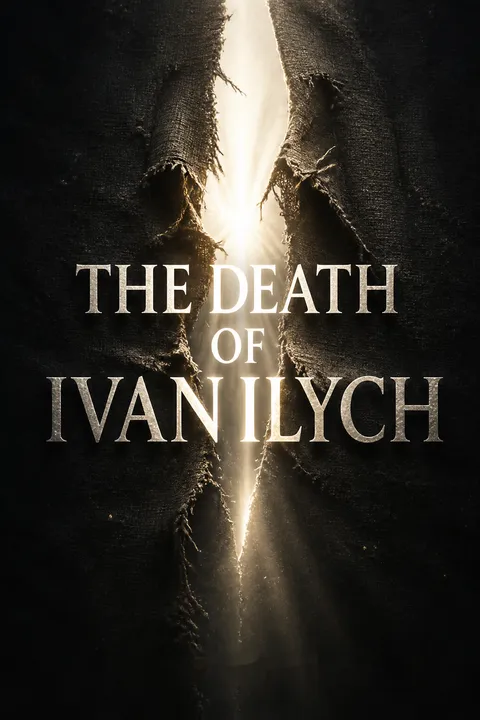
Resumen de la trama
La noticia de la muerte
En una sala de tribunal, los colegas de Ivan Ilych se enteran de su fallecimiento. Su reacción inicial no es de dolor, sino de puro interés personal, al reflexionar sobre los ascensos profesionales que esta muerte podría brindarles. Peter Ivanovich, un conocido cercano, visita el hogar de Ivan, donde se enfrenta cara a cara con la realidad de la muerte y la superficialidad de las obligaciones sociales. La visita transcurre entre pésames incómodos y una profunda sensación de alivio al pensar que es Ivan quien ha muerto, y no ellos.
La vida de Ivan al descubierto
Ivan Ilych llevó una vida que, de cara al exterior, era sumamente exitosa, pero que por dentro estaba completamente vacía. Siguió al pie de la letra las normas sociales en busca de estatus y comodidad, llegando a casarse con Praskovya Fedorovna por conveniencia y no por amor. Su carrera en la judicatura estuvo marcada por la ambición y el deseo de aprobación; sin embargo, su vida personal estaba plagada de insatisfacción y conflictos. Su existencia, aunque aparentemente correcta, carecía de una felicidad y una plenitud reales.
Comienza la enfermedad
Ivan empieza a sentir un extraño dolor en el costado que empeora de forma gradual. A pesar de consultar a varios médicos, no recibe un diagnóstico claro, sino únicamente una jerga médica imprecisa. El dolor se convierte en una presencia constante que desmorona su vida, antes tan ordenada. A medida que su estado empeora, Ivan se vuelve cada vez más irritable y reservado, luchando por mantener una fachada de normalidad.
Frente a la mortalidad
Con el avance de su enfermedad, Ivan se ve obligado a asumir la inevitabilidad de la muerte. Se obsesiona con sus síntomas, busca la reafirmación de los médicos y se aferra a la esperanza de recuperarse. Sin embargo, la certeza de que está muriendo se vuelve ineludible. Esta dolorosa realidad lo aísla de su familia, que permanece ajena a la profundidad de su sufrimiento, y solo encuentra consuelo en la compasión sincera de su sirviente, Gerasim.
El descenso a la desesperación
El dolor físico de Ivan se ve agravado por una profunda crisis existencial. Reflexiona sobre su vida, cuestionando las decisiones que tomó y los valores que defendió. La superficialidad de su existencia se vuelve evidente y lo atormenta la idea de haber vivido de forma equivocada. Su desesperación se acentúa ante la indiferencia de quienes lo rodean, que siguen adelante con sus vidas como si nada hubiera cambiado.
La búsqueda de sentido
En sus últimos días, Ivan lucha por comprender el significado de su vida y de su muerte. Experimenta momentos de lucidez en los que comprende que su empeño por lograr la aprobación social lo alejó de la verdadera felicidad. Anhela una conexión humana real y una compasión genuina, algo que solo encuentra en los cuidados desinteresados de Gerasim. Este descubrimiento le aporta una profunda sensación de paz a medida que empieza a aceptar su propia mortalidad.
La revelación final
Al acercarse la muerte, Ivan experimenta una transformación profunda. Deja atrás el miedo y el resentimiento, abrazando el destino inevitable que le aguarda. En un instante de absoluta claridad, comprende que el amor y la compasión son la única medida real de una vida bien vivida. Esta revelación le permite morir en paz, libre de las cargas de su pasado, al ver por fin la luz más allá de la oscuridad.
Analysis
Una crítica a los valores sociales y la búsqueda de sentido"La muerte de Ivan Ilych" es una profunda exploración de la condición humana que examina el vacío de una vida vivida únicamente para cumplir con las expectativas de la sociedad. Tolstói critica la superficialidad de las normas sociales y la búsqueda obsesiva de estatus, destacando que lo verdaderamente importante es la compasión y la conexión humana real. El viaje de Ivan, desde la negación absoluta hasta la aceptación, funciona como un poderoso recordatorio de la inevitabilidad de la muerte y de la necesidad de encontrar un propósito auténtico en la vida. La novela invita al lector a reflexionar sobre su propia existencia, cuestionando los valores que defiende y el legado que desea dejar atrás. A través de la transformación de Ivan, Tolstói enfatiza que la verdadera plenitud proviene del amor y la empatía, y no del éxito material o la aprobación social.
Resumen de reseñas
La muerte de Iván Ilich es ampliamente considerada una obra maestra sobre la mortalidad y la condición humana. Los lectores elogian la poderosa narrativa de Tolstói, el profundo desarrollo de sus personajes y su lúcida exploración del sentido de la vida. Esta novela corta resuena con fuerza, invitando a la reflexión sobre la propia existencia. Muchos la encuentran conmovedora y estimulante, y aprecian la capacidad de Tolstói para capturar las complejidades de la muerte y el proceso de morir. Aunque para algunos el tema resulta difícil, la mayoría la considera un clásico atemporal que ofrece valiosas perspectivas sobre la vida, la muerte y la búsqueda de sentido.
También leyeron



Characters
Ivan Ilych
Ivan Ilych es un juez de alto rango que ha vivido una vida dictada por las expectativas de la sociedad. Es un hombre ambicioso que busca estatus y reconocimiento, pero su vida resulta, en última instancia, vacía. Su enfermedad lo obliga a enfrentarse a la vacuidad de su existencia, lo que desencadena una profunda crisis existencial. El camino de Ivan es un viaje de autodescubrimiento mientras intenta asimilar el verdadero sentido de la vida y de la muerte.
Praskovya Fedorovna
Praskovya es la esposa de Ivan, una mujer más preocupada por las apariencias sociales que por el sufrimiento de su marido. Su matrimonio se construyó sobre la conveniencia y no sobre el amor, y a ella le cuesta empatizar con la difícil situación de Ivan. Sus interacciones con él suelen ser superficiales, reflejando las rígidas normas sociales que han moldeado su relación.
Gerasim
Gerasim es el sirviente de [Ivan](#ivan-ilych, cuyo cuidado genuino y honestidad le brindan a este un enorme consuelo en sus últimos días. A diferencia de los demás, Gerasim acepta la realidad de la enfermedad de Ivan y le ofrece un apoyo incondicional. Su presencia resalta la importancia de la compasión y del vínculo humano, sirviendo como un fuerte contraste frente a la superficialidad del entorno social de Ivan.
Peter Ivanovich
Peter Ivanovich es un colega y conocido de Ivan que representa las normas y obligaciones sociales que dominan sus vidas. Su reacción ante la muerte de Ivan está marcada por el interés propio y el alivio, lo que refleja la hipocresía de su amistad. El personaje de Peter subraya el tema de la indiferencia de la sociedad ante el sufrimiento individual.
Lisa Golovina
Lisa es la hija de Ivan, una joven preocupada únicamente por su propia vida y sus compromisos sociales. Le cuesta comprender la gravedad del estado de su padre, al que ve más bien como un estorbo o un inconveniente. Su desapego pone de manifiesto la brecha generacional y la falta de un afecto real dentro de la familia.
Plot Devices
The Illness
La misteriosa enfermedad de Ivan funciona como el motor central de la trama, obligándolo a confrontar la realidad de su propia muerte. Desmorona por completo su ordenada vida y lo sumerge en una profunda crisis existencial. La enfermedad simboliza la inevitabilidad de la muerte y la fragilidad de la existencia humana, impulsando a Ivan a reevaluar su pasado y a buscar un sentido más profundo.
The Black Sack
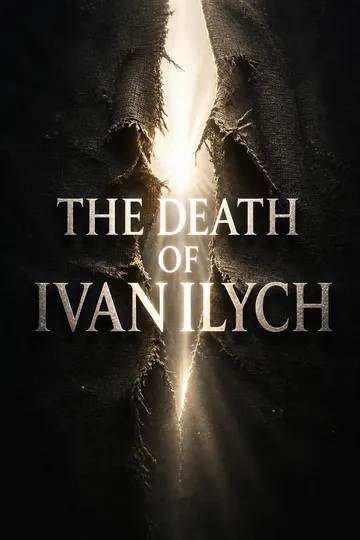
La imagen recurrente del saco negro representa el pavor de Ivan ante la muerte y lo desconocido. Simboliza la naturaleza ineludible de su estado y el tormento psicológico que padece. El saco negro funciona como una metáfora de la lucha de Ivan por aceptar su mortalidad y de la oscuridad que envuelve su existencia.
The Light
En sus últimos instantes, Ivan experimenta una visión de luz que simboliza su aceptación de la muerte y la comprensión del verdadero sentido de la vida. La luz representa la paz y la claridad que surgen al asumir la propia mortalidad y al reconocer el valor del amor y la compasión. Funciona como el contrapunto perfecto a la oscuridad del saco negro, ofreciendo esperanza y redención.
Preguntas frecuentes
Synopsis & Basic Details
What is The Death of Ivan Ilych about?
- Existential crisis unfolds: The story follows Ivan Ilych, a high court judge, as he grapples with a terminal illness, forcing him to confront the meaninglessness of his socially-driven life and the inevitability of death.
- Superficial life examined: It explores the emptiness of a life focused on social status, career advancement, and material possessions, revealing the lack of genuine human connection and emotional depth.
- Transformation through suffering: Ivan's physical and mental suffering leads to a profound transformation, as he questions his values and seeks true meaning before his death.
Why should I read The Death of Ivan Ilych?
- Universal human experience: The novella delves into universal themes of mortality, the search for meaning, and the fear of death, making it relatable to readers across time and cultures.
- Critique of societal values: It offers a sharp critique of societal norms and the pursuit of superficial success, prompting readers to reflect on their own values and priorities.
- Emotional and psychological depth: The story provides a powerful exploration of human emotions, from despair and anger to compassion and acceptance, offering a profound psychological analysis of a man facing death.
What is the background of The Death of Ivan Ilych?
- Late 19th-century Russia: The story is set in late 19th-century Russia, reflecting the social and cultural norms of the time, including the rigid class structure and the emphasis on social status and propriety.
- Tolstoy's personal crisis: Written during a period of personal crisis for Tolstoy, the novella reflects his own struggles with faith, mortality, and the meaning of life, making it a deeply personal and introspective work.
- Critique of legal system: The story subtly critiques the Russian legal system, portraying it as a bureaucratic and impersonal institution that prioritizes procedure over genuine justice, mirroring Ivan's own life.
What are the most memorable quotes in The Death of Ivan Ilych?
- "It is as if I had been going downhill while I imagined I was going up.": This quote encapsulates Ivan's realization that his pursuit of social status and career advancement led him away from true fulfillment and happiness.
- "What is it you want? To live and not to suffer.": This quote highlights Ivan's fundamental desire to escape suffering and his struggle to understand the purpose of his pain, revealing his existential crisis.
- "Death is finished... It is no more!": This quote marks Ivan's final acceptance of death and his realization that it is not an end but a transition to something beyond, signifying his spiritual awakening.
What writing style, narrative choices, and literary techniques does Leo Tolstoy use?
- Third-person limited narration: Tolstoy employs a third-person limited point of view, primarily focusing on Ivan Ilych's thoughts and feelings, allowing readers to intimately experience his internal struggles and transformation.
- Detailed realism: The novella is characterized by its detailed and realistic portrayal of Ivan's physical and mental suffering, as well as the social environment in which he lives, creating a vivid and immersive reading experience.
- Symbolism and motifs: Tolstoy uses recurring symbols and motifs, such as the black sack, the light, and the recurring pain, to represent Ivan's fear of death, his spiritual awakening, and his physical deterioration, adding layers of meaning to the narrative.
Hidden Details & Subtle Connections
What are some minor details that add significant meaning?
- The pouffe's rebellious springs: The pouffe in Praskovya's drawing room, with its rebellious springs, mirrors the underlying tension and discomfort in their marriage, highlighting the superficiality of their relationship.
- The antique shop clock: Ivan's fondness for the clock he bought at an antique shop symbolizes his desire for a life of order and decorum, which ultimately proves to be hollow and meaningless.
- The card game interruption: The interruption of the card game by Ivan's illness underscores the fragility of his carefully constructed social life and the intrusion of mortality into his everyday existence.
What are some subtle foreshadowing and callbacks?
- Initial focus on promotions: The initial focus on promotions and job changes after Ivan's death foreshadows the self-centeredness and superficiality of his social circle, highlighting the lack of genuine concern for his suffering.
- Ivan's fall while decorating: Ivan's fall while decorating his new house foreshadows his physical decline and the beginning of his illness, linking his pursuit of material comfort to his eventual suffering.
- The recurring taste in his mouth: The recurring "strange taste" in Ivan's mouth serves as a constant reminder of his illness and the decay within him, foreshadowing his impending death and the futility of his efforts to ignore it.
What are some unexpected character connections?
- Gerasim's genuine compassion: Gerasim's genuine compassion and understanding of Ivan's suffering stand in stark contrast to the indifference of his family and friends, highlighting the importance of human connection over social status.
- Ivan's son's quiet empathy: Ivan's son, Vasya, displays a quiet empathy and understanding of his father's suffering, suggesting a deeper emotional connection than his more socially-driven sister and mother.
- The doctor's detached professionalism: The doctor's detached professionalism and inability to address Ivan's existential concerns mirror Ivan's own detached approach to his legal duties, highlighting the dehumanizing effects of societal roles.
Who are the most significant supporting characters?
- Gerasim, the compassionate servant: Gerasim's role is crucial as he provides Ivan with genuine care and understanding, contrasting with the superficiality of Ivan's social circle and embodying the novel's theme of compassion.
- Peter Ivanovich, the self-absorbed colleague: Peter Ivanovich represents the societal norms and obligations that dominate Ivan's life, highlighting the superficiality of their friendship and the indifference to individual suffering.
- Praskovya Fedorovna, the detached wife: Praskovya's character underscores the theme of superficiality and the lack of genuine connection in Ivan's life, as she is more concerned with social appearances than her husband's suffering.
Psychological, Emotional, & Relational Analysis
What are some unspoken motivations of the characters?
- Praskovya's fear of financial loss: Praskovya's concern about Ivan's pension reveals her underlying fear of financial insecurity, which motivates her superficial concern for his well-being.
- Peter's desire for social advancement: Peter's eagerness to discuss job promotions after Ivan's death reveals his unspoken desire for social advancement, highlighting the self-centeredness of his social circle.
- Ivan's need for societal approval: Ivan's lifelong pursuit of societal approval and his fear of being judged reveal his deep-seated insecurity and his need for external validation.
What psychological complexities do the characters exhibit?
- Ivan's denial of death: Ivan's initial denial of his impending death and his attempts to rationalize his illness reveal his psychological struggle to accept his mortality and the meaninglessness of his life.
- Praskovya's emotional detachment: Praskovya's emotional detachment and her inability to empathize with Ivan's suffering reveal her psychological defense mechanisms against the fear of death and the disruption it causes to her life.
- Gerasim's simple acceptance: Gerasim's simple acceptance of death and his genuine compassion for Ivan reveal a psychological maturity and emotional depth that contrasts with the other characters.
What are the major emotional turning points?
- The realization of his life's emptiness: Ivan's realization that his life has been meaningless and that he has lived it wrongly is a major emotional turning point, leading to his existential crisis and his search for meaning.
- The encounter with Gerasim's compassion: Ivan's encounter with Gerasim's genuine compassion and understanding is a major emotional turning point, providing him with comfort and highlighting the importance of human connection.
- The acceptance of death: Ivan's final acceptance of death and his realization that it is not an end but a transition to something beyond is a major emotional turning point, bringing him peace and spiritual awakening.
How do relationship dynamics evolve?
- From superficial to strained: Ivan's relationship with his wife evolves from a superficial and socially-driven partnership to a strained and emotionally distant one, highlighting the lack of genuine connection in their marriage.
- From indifference to compassion: Ivan's relationship with Gerasim evolves from a formal master-servant dynamic to one of genuine compassion and understanding, revealing the importance of human connection over social status.
- From detachment to empathy: Ivan's relationship with his son, Vasya, evolves from a distant and formal one to one of quiet empathy and understanding, suggesting a deeper emotional connection than with his wife and daughter.
Interpretation & Debate
Which parts of the story remain ambiguous or open-ended?
- The nature of the "light": The exact nature of the light that Ivan experiences at the end of his life remains ambiguous, open to interpretation as either a spiritual awakening, a hallucination, or a metaphor for the acceptance of death.
- The extent of Ivan's transformation: The extent to which Ivan's transformation is genuine and complete remains open to debate, as some readers may question whether his final acceptance of death is truly transformative or simply a resignation to his fate.
- The meaning of a "good" life: The story leaves open the question of what constitutes a "good" life, prompting readers to reflect on their own values and priorities and to consider whether Ivan's final realization is sufficient for redemption.
What are some debatable, controversial scenes or moments in The Death of Ivan Ilych?
- Ivan's treatment of his family: Ivan's treatment of his family, particularly his wife, is a source of debate, with some readers criticizing his selfishness and others empathizing with his suffering and his inability to connect with them.
- The role of religion: The role of religion in Ivan's final moments is a source of debate, with some readers viewing his communion as a genuine spiritual experience and others as a mere formality that provides temporary comfort.
- The ending's interpretation: The ending, with Ivan's vision of light and his acceptance of death, is open to various interpretations, with some readers viewing it as a hopeful and redemptive conclusion and others as a more ambiguous and tragic one.
The Death of Ivan Ilych Ending Explained: How It Ends & What It Means
- Ivan's final moments: In his final moments, Ivan experiences a profound transformation, letting go of his fear and resentment and embracing the inevitability of his fate, as he falls through the "black sack" and sees the "light."
- Acceptance of death: The ending signifies Ivan's acceptance of death, not as an end but as a transition to something beyond, representing a spiritual awakening and a release from the suffering of his earthly existence.
- Redemption through compassion: Ivan's final act of compassion towards his family, asking for their forgiveness and expressing his sorrow for their suffering, highlights the importance of love and empathy as the true measures of a life well-lived, offering a sense of redemption.
Serie Pequeños Clásicos Negros de Penguin Serie



Sobre el autor


Descargar PDF
Descargar EPUB
.epub digital book format is ideal for reading ebooks on phones, tablets, and e-readers.








































